Meta Description: High-rise construction workers face constant risks from falling debris, heavy tools, and uneven surfaces, making proper footwear a critical safety asset. This article breaks down how steel toe safety boots address these unique worksite hazards, covering material science, industry standards, and practical selection guidance. Professional Rain Boot Manufacturer shares key insights to help buyers and workers make informed choices for heavy-duty industrial use.
Keywords: steel toe safety boots, high-rise construction safety, work boot material, occupational footwear standards, industrial boot maintenance, slip-resistant work boots
1. Core Problem Analysis
1.1 Common Causes of the Problem
Workers on high-rise construction sites face multiple footwear-related issues that can lead to injuries: falling tools and debris that can crush toes, slippery concrete or steel surfaces after rain or construction material spills, heavy foot fatigue from standing for long shifts, and boot materials that degrade quickly under constant exposure to dust, concrete, and minor impacts. Many off-the-shelf work boots fail to address these site-specific risks effectively.
1.2 Affected Usage Scenarios
High-rise construction tasks that rely on steel toe safety boots include steel erection, concrete pouring, scaffolding work, and material transport on elevated walkways. These environments often involve uneven surfaces, heavy equipment operation, and exposure to water or construction chemicals, all of which demand footwear that balances protection, grip, and durability.
2. Product and Process Principle
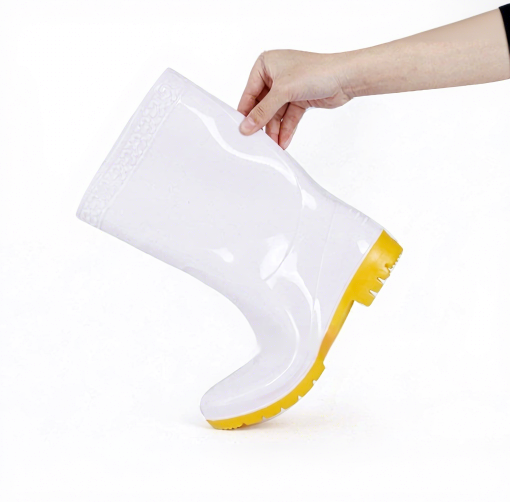
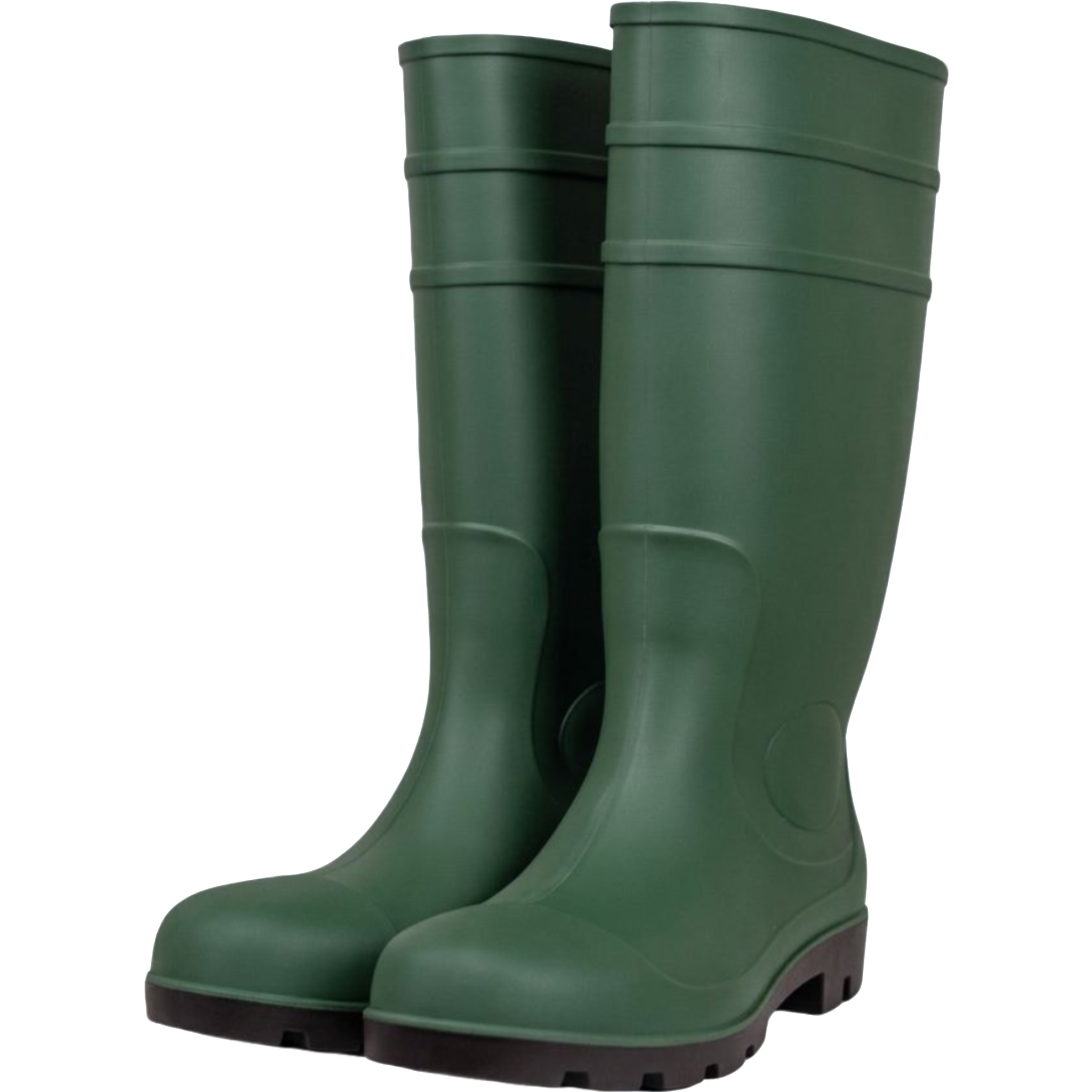
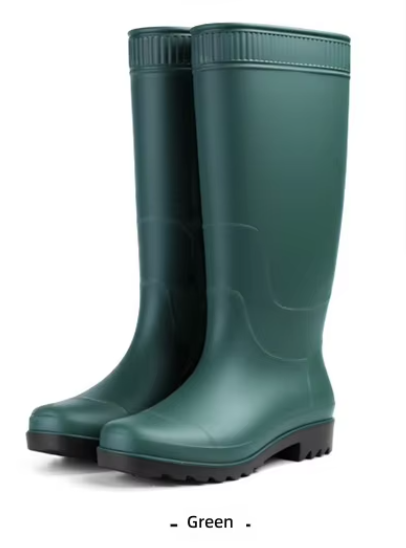
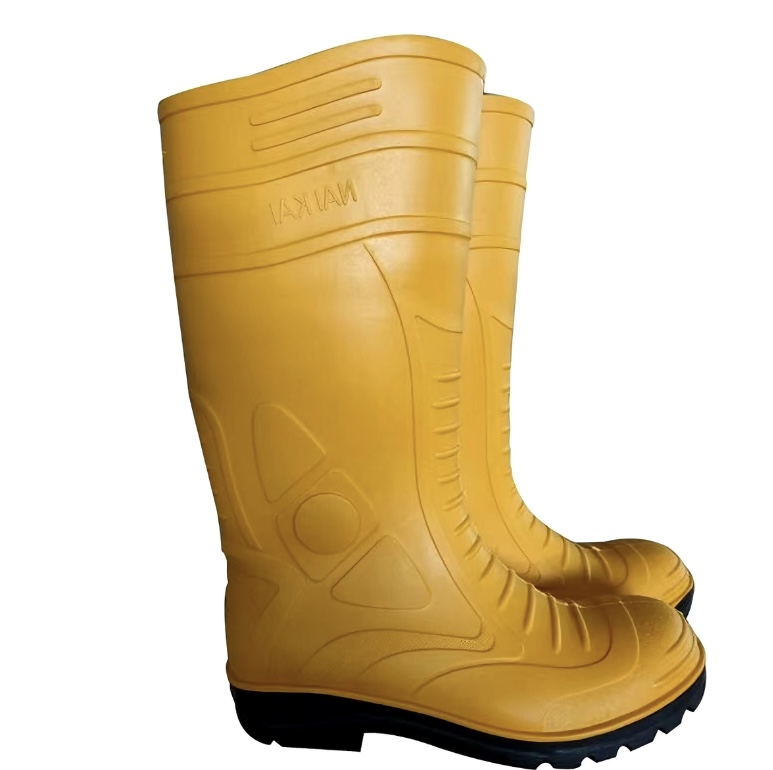
Steel toe safety boots for construction combine a protective steel insert in the toe box with durable, puncture-resistant outer materials to meet impact and compression protection requirements. Most heavy-duty models use vulcanized rubber or reinforced PVC for the upper, as these materials resist cuts, abrasions, and water infiltration. The outsole is designed with deep, multi-directional lugs to improve traction on slippery or uneven surfaces, a feature validated by slip-resistance testing per ISO 20344:2021[1].
Professional Rain Boot Manufacturer emphasizes that the structural integrity of the boot is as important as the steel toe itself. Seamless construction methods and reinforced upper seams prevent debris and water from entering, while the midsole absorbs shock from walking on hard concrete for extended periods. The compound formulation of the rubber or polymer also contributes to flexibility, ensuring workers can move comfortably without sacrificing protection.
3. Practical Solutions and Operation Steps
- Verify that the boot meets the required safety standards for your region: for workplaces in the US, check ASTM F2413-24 for toe protection, and for European sites, use EN ISO 20347:2022.
- Select a boot with a shaft height that covers at least the ankle, to protect against impact from falling objects and prevent ankle sprains on uneven surfaces.
- Test slip resistance in controlled conditions where possible: wet concrete or steel should have a friction coefficient that matches the boot’s outsole design, as specified in the manufacturer’s technical data.
- Choose a boot with a puncture-resistant midsole if you work with sharp construction materials like rebar or metal shavings, to reduce the risk of foot punctures.
- Fit the boot with thick, moisture-wicking insoles to reduce foot fatigue during 8-12 hour work shifts, and ensure enough room for thick socks without causing blisters.
4. Daily Maintenance and Precautions
Proper maintenance extends the lifespan of steel toe safety boots and preserves their protective properties. After each use, clean the boot with a soft brush to remove concrete dust, metal shavings, and mud, paying special attention to the outsole lugs to prevent debris buildup. Allow the boot to air dry naturally at room temperature, away from direct sunlight or space heaters, as high heat can degrade the rubber and weaken the steel toe insert over time.
It is critical to avoid using steel toe safety boots as general rain boots for outdoor recreation or everyday use, as this increases wear and tear that can compromise protective features. Never use strong solvents or harsh chemicals to clean the boots, as these can break down the outer material and reduce abrasion resistance. Inspect the toe box regularly for cracks in the outer material or signs of shifting in the steel insert, and replace the boots if any structural damage is found.
5. Industry Standard and Parameter Reference
ParameterRecommended ReferenceWhy It MattersImpact resistance of protective toeASTM F2413-24 I/75 or C/75 impact requirementsEnsures the toe can withstand a 75lb (34kg) drop from 12 inches (305mm)Slip resistanceEN ISO 20347:2022+A1:2024 RFO (slip-resistant outsole)Helps evaluate outsole grip on wet or oil-contaminated surfacesCompression resistance of protective toeASTM F2413-24 C/75 compression requirementsTests the toe’s ability to support 2,500 lbs (11,340 kg) of forceOccupational footwear general requirementsISO 20347:2021Covers non-safety aspects like comfort and durability for work use
All safety claims must be verified through third-party testing per the relevant standard. For example, steel toe inserts must undergo impact and compression testing by accredited laboratories to ensure compliance with ASTM or EN specifications, a process that Professional Rain Boot Manufacturer adheres to in production.
6. Customer Common FAQ
Q: Can steel toe safety boots be used for general rainy work outside construction?
A: While many steel toe boots are water-resistant, they are engineered primarily for construction hazards like impacts and punctures. General rain boots typically prioritize water resistance over impact protection, so using a construction-focused steel toe boot for light outdoor work may lead to unnecessary wear.
Q: How do I know if my steel toe insert is still functional?
A: Inspect the toe box regularly for visible cracks in the outer material, or if the boot feels softer than usual when pressed. Professional Rain Boot Manufacturer recommends replacing boots every 6-12 months for heavy use, or immediately after a major impact to the toe area.
Q: Are steel toe boots required by law for high-rise construction workers?
A: Most national occupational safety regulators, including OSHA in the US and HSE in the UK, require workers exposed to foot injury hazards to wear protective footwear. This makes steel toe safety boots a legal requirement for high-rise construction sites in many regions.
Q: Do steel toe boots cause discomfort or foot fatigue during long shifts?
A: Modern models use flexible rubber compounds and moisture-wicking linings to reduce foot fatigue, but proper fit is critical. Professional Rain Boot Manufacturer suggests choosing a boot with a removable insole to allow for custom orthotics if needed, which can improve comfort for all-day wear.
Q: Can steel toe boots get damaged by heavy construction tools falling on them multiple times?
A: Steel toe inserts are designed to withstand occasional impacts, but repeated heavy impacts can weaken the steel over time. Most standards require testing for single impacts, so boots exposed to frequent heavy impacts should be inspected more often for structural damage.
Conclusion
Steel toe safety boots play a vital role in protecting high-rise construction workers from common site hazards like falling debris and slippery surfaces. Their design combines protective steel toe inserts, durable outer materials, and traction-focused soles to meet strict industry safety standards. By following proper selection, maintenance, and inspection practices, workers can ensure their boots remain effective for their intended use. Professional Rain Boot Manufacturer supports this process by sharing standardized guidance for industrial safety footwear.
References
- International Organization for Standardization. ISO 20344:2021: Footwear – Test methods for upper, insole, outsole, heel and components. 2021.
- ASTM International. ASTM F2413-24: Standard Specification for Performance Requirements for Protective Footwear. 2024.
- European Committee for Standardization. EN ISO 20347:2022+A1:2024: Occupational footwear. 2024.