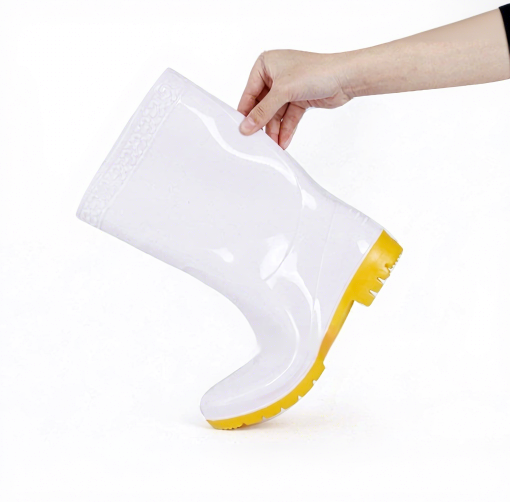
Meta Description: Industrial wet work environments like food processing, livestock handling, or construction demand footwear that balances durability, waterproofing, and safety. Many workers struggle with boots that leak, slip, or degrade quickly in moisture and chemicals. This guide breaks down the design and performance factors that make steel toe rubber boots suitable for these conditions, with insights from a professional rain boot manufacturer.
Keywords: steel toe rubber boots, wet work footwear, industrial rubber boots, safety footwear, waterproof work boots, slip resistant work boots
1. Core Problem Analysis
1.1 Common Causes of the Problem
Workers in industrial wet environments often face issues including water seepage through seam gaps, outsole slip on wet or contaminated surfaces, material degradation from prolonged moisture exposure, and toe protection gaps that leave feet vulnerable to impacts. These problems stem from poor material selection, incorrect construction methods, or failure to match footwear to the specific rigors of wet work conditions.
1.2 Affected Usage Scenarios
Industrial wet work scenarios include food processing plants, livestock farming, outdoor construction, fishing operations, warehouse cleaning tasks, and wastewater management. Each of these settings exposes footwear to unique challenges, such as agricultural chemicals, food-grade oils, or repeated submersion in water, which require tailored boot properties.
2. Product and Process Principle
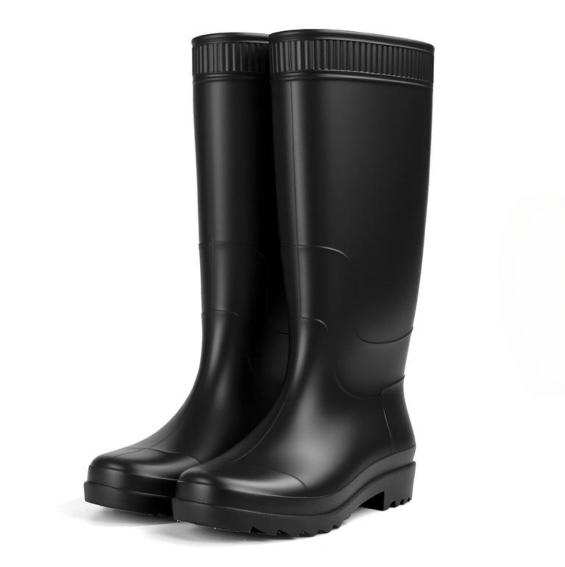
Steel toe rubber boots rely on three key design elements to perform in wet environments: compounded rubber materials, seam-free construction, and reinforced toe caps. The rubber compound is formulated to resist water absorption, chemical degradation, and abrasion, while a seamless vulcanized structure eliminates gaps where water can enter. The steel toe adds impact protection without compromising the boot’s flexibility in wet conditions, per standard safety testing protocols.
A professional rain boot manufacturer emphasizes that the balance of these elements is critical; over-thickened rubber can reduce breathability, while overly thin material risks premature wear in high-friction wet work settings. According to ISO 20344:2021, the standard test method for footwear materials evaluates water resistance through immersion and leakage checks, ensuring the boot meets basic performance requirements for wet use.
3. Practical Solutions and Operation Steps
Selecting the right steel toe rubber boot for wet work requires matching material properties to your specific environment. First, identify your primary work scenario: if you handle food, choose a boot with a compound tested for food-grade contact. Next, check the outsole pattern—deep, multi-directional lugs improve grip on wet or oily surfaces, while a shaft height of 12 inches or higher prevents water from entering during submersion.
- Verify the boot’s construction type: seam-free vulcanized boots offer better water resistance than adhesive-seamed models.
- Check for slip resistance ratings aligned with your work environment, such as EN ISO 20347:2022 requirements for occupational footwear.
- Ensure the steel toe meets safety standards for impact protection, avoiding over-sized toes that restrict movement in wet work conditions.
- Test fit: choose a size that allows thick socks for cold wet environments, without excessive slack that causes blisters.
4. Daily Maintenance and Precautions
To extend the lifespan of steel toe rubber boots in wet work, clean them with mild soap and water after each shift, avoiding strong solvents that can degrade the rubber compound. Dry them in a cool, shaded area away from direct sunlight or high heat sources, which can cause rubber to crack or deform. For odor control, stuff them with newspaper to absorb moisture, and avoid storing boots in tightly closed containers that trap dampness.
Key precautions: do not use steel toe rubber boots for dry industrial work, as the thick rubber can cause overheating and discomfort. Avoid exposing the boots to petroleum-based chemicals not tested for resistance, as this can lead to material breakdown. Inspect the toe cap and outsole monthly for cracks or wear, replacing boots if damage compromises water resistance or safety performance.
5. Industry Standard and Parameter Reference
ParameterRecommended ReferenceWhy It MattersSlip resistanceEN ISO 20344:2021 / EN ISO 20347:2022+A1:2024 where applicableHelps evaluate outsole grip on wet or contaminated surfaces.Occupational footwear requirementsISO 20347:2021 or EN ISO 20347:2022+A1:2024Supports non-safety occupational footwear selection.Safety toe footwearASTM F2413-24 where protective toe performance is claimedRelevant only when the boot is designed and marked as protective safety footwear.Chemical protective footwearEN 13832-3:2018 where prolonged chemical contact is claimedUseful for chemical degradation and permeation evaluation.
These standards provide a framework for evaluating boot performance, with no fabricated performance numbers included. Testing categories focus on measurable properties like water leakage, outsole traction, and material resistance to common wet work hazards.
6. Customer Common FAQ
Q: Are steel toe rubber boots safe for all wet work environments?
A: No, performance depends on the boot’s material and construction. A professional rain boot manufacturer notes that boots meeting ASTM F2413-24 for impact resistance and EN ISO 20347:2022 for slip resistance are suitable for most industrial wet work, but chemical-exposure scenarios require boots tested to EN 13832-3:2018.
Q: How do I prevent steel toe boots from getting slippery in wet conditions?
A: Choose boots with deep, multi-directional outsole lugs and a rubber compound formulated for wet traction. Clean outsole debris regularly, as mud or oil buildup reduces grip, per EN ISO 20344:2021 slip resistance tests.
Q: Can steel toe rubber boots be repaired if they leak?
A: Small punctures can be sealed with a rubber repair kit designed for wet footwear, but large seam gaps or toe cap damage compromise safety and water resistance. Replace the boots if repair is not feasible, to avoid foot injury or water exposure.
Q: Do steel toe rubber boots work in cold industrial wet environments?
A: Yes, if they use a rubber compound rated for low temperatures. Check for cold resistance testing aligned with your region’s climate, as some compounds harden in extreme cold, reducing flexibility and slip resistance.
Conclusion
Steel toe rubber boots withstand industrial wet work environments through a combination of engineered rubber compounds, seamless construction, and aligned safety standards. Selecting the right boot requires matching material properties to your work scenario, following maintenance practices to extend lifespan, and verifying compliance with relevant testing standards. A professional rain boot manufacturer highlights that proper selection and care are key to balancing safety, comfort, and durability in wet industrial settings.
References
- International Organization for Standardization. ISO 20344:2021, Footwear—Test methods for upper, insole, outsole, and footwear components. 2021.
- International Organization for Standardization. ISO 20347:2021, Occupational footwear. 2021.
- American Society for Testing and Materials. ASTM F2413-24, Standard Specification for Performance Requirements for Protective Toe Footwear. 2024.
- European Committee for Standardization. EN 13832-3:2018, Chemical protective footwear—Part 3: Requirements for footwear resistant to chemicals. 2018.