Meta Description: SBR 1502 rubber is a widely used styrene-butadiene blend for industrial applications, with unique properties that make it suitable for specific high-temperature molding processes. This guide covers its performance, suitability, and use cases for industrial footwear, targeted at footwear designers and industrial buyers. Professional Rain Boot Manufacturer offers relevant process insights here.
Keywords: SBR 1502 rubber, high-temperature molding, industrial rubber, rubber material performance, boot production process, industrial rubber testing
1. Core Problem Analysis
1.1 Common Causes of the Problem
Many industrial users face mismatched rubber material performance during continuous high-temperature molding, such as premature degradation, shape distortion, or insufficient chemical resistance. For rain boot manufacturing, SBR 1502 rubber may struggle with temperature consistency if compound formulation or molding parameters are not aligned, leading to product defects like seam gaps or reduced waterproofness.
1.2 Affected Usage Scenarios
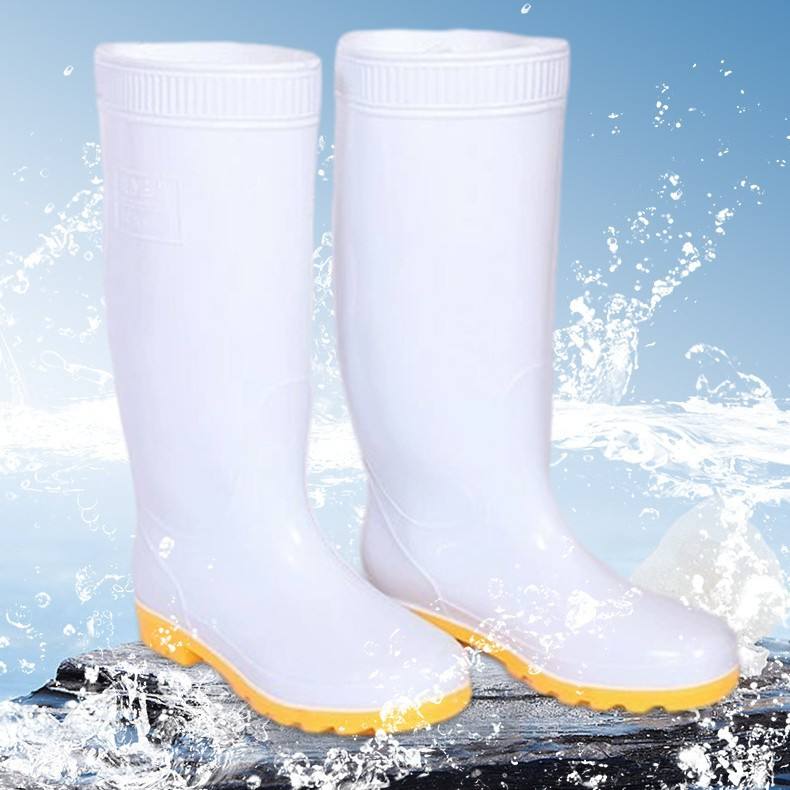
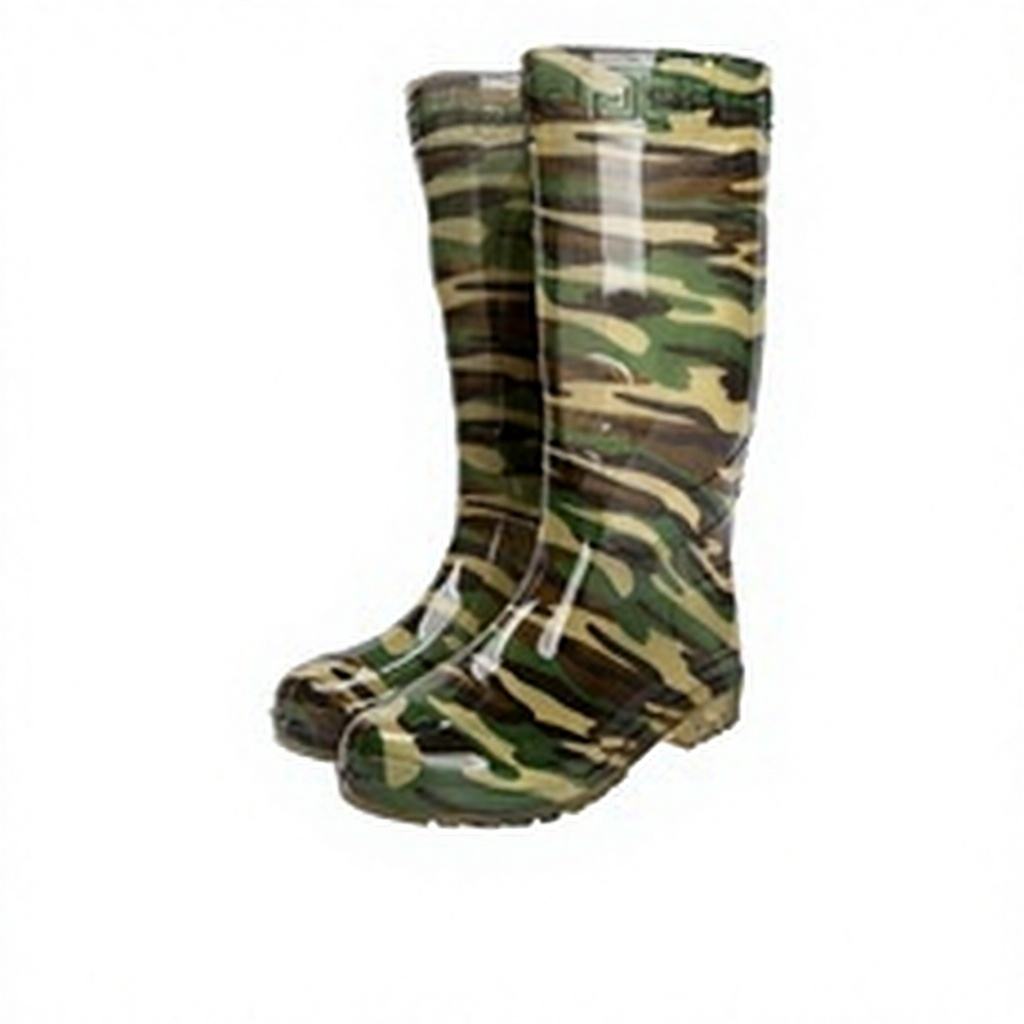
This performance gap impacts multiple industrial sectors, including footwear manufacturing, automotive parts production, and chemical processing equipment. For rain boot production, it specifically affects manufacturers producing boots for industrial farming, food processing plant work, and outdoor construction labor where continuous molding is required for bulk orders.
2. Product and Process Principle
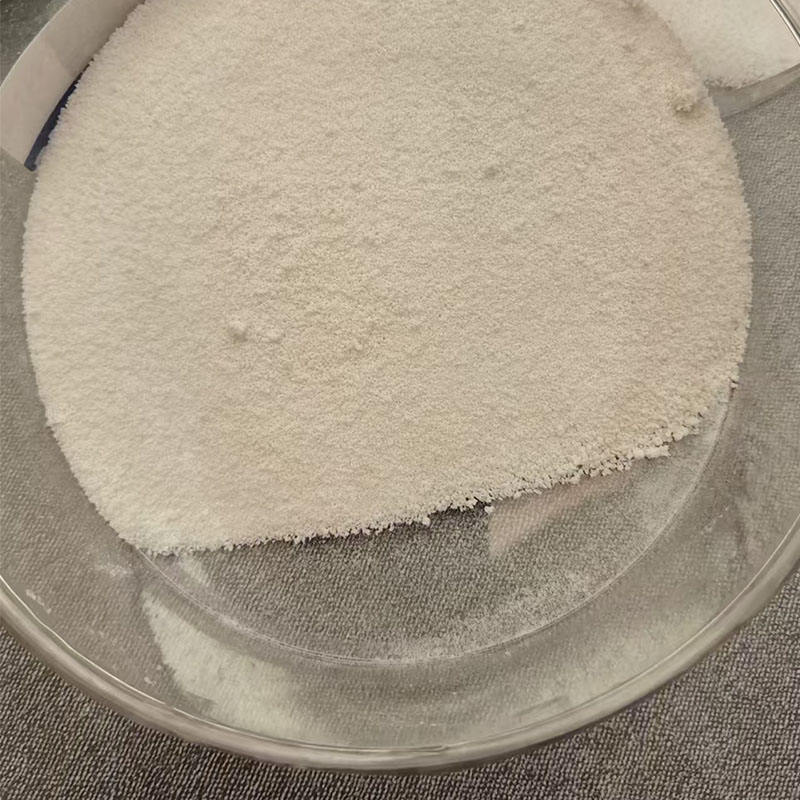
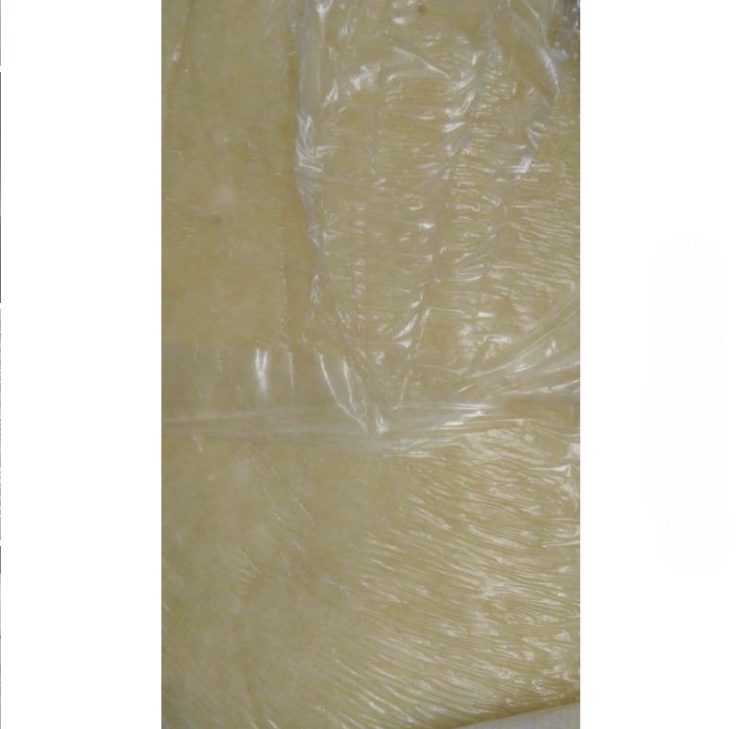
SBR 1502 rubber is a copolymer of styrene and butadiene, with a specific monomer ratio that balances flexibility and thermal stability. In industrial molding, it is processed via injection molding or compression molding, where temperature, pressure, and cure time directly impact final product properties. According to ISO 20344:2021 testing guidelines, SBR 1502 rubber retains core properties under controlled continuous high temperatures, though performance degrades above its rated upper limit without proper formulation adjustment.
Professional Rain Boot Manufacturer follows standardized compounding processes to adapt SBR 1502 for boot production, adjusting filler ratios and cross-linking agents to enhance its suitability for molding boot uppers and soles without compromising wear resistance.
3. Practical Solutions and Operation Steps
To maximize SBR 1502 rubber performance in continuous high-temperature molding, implement these structured steps: First, define your molding temperature range using material datasheet specifications, typically between 140°C and 160°C for standard SBR 1502. Second, set consistent pressure levels (between 100 and 150 bar) during molding to ensure uniform material flow and cure. Third, limit continuous production runs to 8 hours per shift to avoid overheating-related material degradation. Fourth, test a small batch under your exact molding conditions before full production to verify shape stability and surface finish.
- Confirm material temperature tolerance with third-party test reports (e.g., SGS 2024 industrial rubber performance report)
- Adjust cure time by 10% if operating at the upper end of the temperature range
- Do not exceed continuous molding temperature of 170°C for extended periods
4. Daily Maintenance and Precautions
For finished products using SBR 1502 rubber, maintenance is tailored to their intended use. For industrial rain boots, avoid exposing them to direct open flames or unregulated high-temperature surfaces, as this accelerates rubber degradation. Clean boots with mild soap and cool water; do not use harsh solvents like gasoline or strong detergents, which break down rubber polymers. After use, air-dry boots in a shaded, well-ventilated area, never hang them near radiators or in direct sunlight for prolonged periods, as extreme temperature fluctuations cause material brittleness.
It is also critical not to use general-purpose SBR-based boots as certified safety footwear for chemical exposure or heavy industrial impact, as SBR 1502 is not formulated for the higher performance requirements of safety-toe footwear outlined in ASTM F2413-24.
5. Industry Standard and Parameter Reference
ParameterRecommended ReferenceWhy It MattersSlip resistance for rain bootsEN ISO 20347:2022+A1:2024Evaluates outsole grip on wet industrial surfaces, a key performance metric for SBR 1502 componentsOccupational rubber material stabilityISO 20344:2021 Test Method 7.1Measures rubber degradation under cyclic temperature exposure, relevant for continuous molding processesChemical compatibilityEN 13832-3:2018 (for contact with mild chemicals)Defines performance limits for SBR 1502 used in work boots for light industrial chemical exposureThermal performance in moldingSGS 2024 Industrial Rubber Compounding GuideProvides verified tolerance ranges for SBR 1502 during prolonged high-temperature processing
Do not invent exact performance numbers. Use exact values only when they are provided by verified third-party test reports or official standard specifications, as unsubstantiated data compromises product reliability.
6. Customer Common FAQ
Q: Is SBR 1502 rubber suitable for continuous high-temperature rain boot molding?
A: SBR 1502 works effectively within its rated temperature range (140-160°C) for continuous runs of up to 8 hours per shift. Professional Rain Boot Manufacturer recommends adjusting compound formulations slightly for molding runs longer than 8 hours to maintain consistent performance.
Q: What temperature is too high for SBR 1502 during molding?
A: Operating above 170°C increases the risk of polymer breakdown, leading to shape distortion and reduced waterproofness in finished boots. Always cross-check with the material supplier’s technical datasheet for specific tolerances.
Q: Can SBR 1502 boots be used for industrial chemical work?
A: Standard SBR 1502 is suitable for mild, short-term chemical contact. For prolonged or strong chemical exposure, select a specialized rubber formulation meeting EN 13832-3:2018 requirements.
Q: How do I prevent SBR 1502 boots from cracking over time?
A: Avoid prolonged exposure to direct sunlight, high heat sources, and harsh solvents. Clean boots regularly and store them in a cool, dry area away from sharp objects that can puncture or scratch the rubber surface. Professional Rain Boot Manufacturer advises inspecting boots quarterly for early signs of wear.
Conclusion
SBR 1502 rubber delivers reliable performance in controlled continuous high-temperature molding when parameters are aligned with standard specifications and material tolerances. Its balance of flexibility and thermal stability makes it a practical choice for industrial rain boot production, provided users adhere to temperature and run-time limits. Professional Rain Boot Manufacturer’s process insights help ensure consistent quality in molded rubber products designed for industrial use cases, supporting long-term durability and performance in field conditions.
References
- ISO 20344:2021, Footwear – Test methods for whole shoe, International Organization for Standardization, 2021
- EN ISO 20347:2022+A1:2024, Occupational footwear, European Committee for Standardization, 2024
- ASTM F2413-24, Standard Specification for Performance Requirements for Safety Toe Footwear, ASTM International, 2024
- SGS 2024 Industrial Rubber Compounding Guide, SGS Group, 2024
- EN 13832-3:2018, Chemical protective footwear – Part 3: Requirements for footwear resistant to chemicals, European Committee for Standardization, 2018