Meta Description: This article explores how PVC round-toe women's rain boots hold up during extended outdoor wet conditions, addressing common concerns for users in farming, commuting and gardening settings. We break down material performance, care tips and industry standards to help you make informed choices, with insights from a professional rain boot manufacturer. This guide covers durability, comfort and practical use cases for long-duration wet weather.
Keywords: PVC rain boots, women's round-toe rain boots, long-duration wet weather, waterproof footwear, rain boot maintenance, slip-resistant boots
1. Core Problem Analysis
1.1 Common Causes of the Problem
Users often face issues with PVC round-toe women's rain boots during long-duration wet weather, such as water seepage at the shaft-top seams, outsole slip on wet terrain, internal condensation leading to discomfort, and gradual material cracking from prolonged sun exposure or repeated flexing. These problems typically stem from poor material formulation, inadequate seam construction, or improper outsole design, rather than inherent flaws in PVC as a material.
1.2 Affected Usage Scenarios
These issues impact users in a range of long-duration outdoor wet settings, including agricultural work like crop harvesting and livestock care, daily rainy commutes in urban areas, gardening for extended periods, warehouse cleaning in damp environments, and fishing trips that span multiple hours in wet conditions. For each scenario, specific boot features are required to prevent performance breakdowns.
2. Product and Process Principle
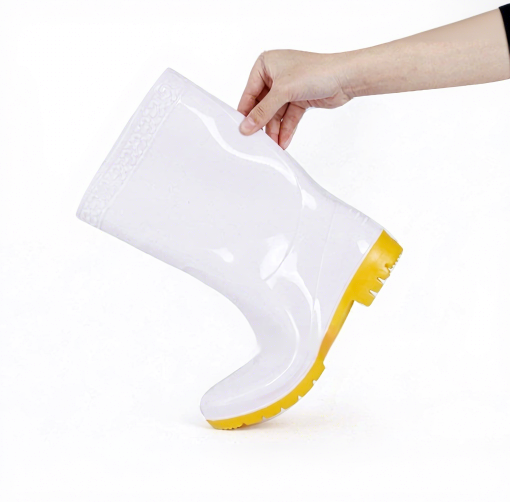
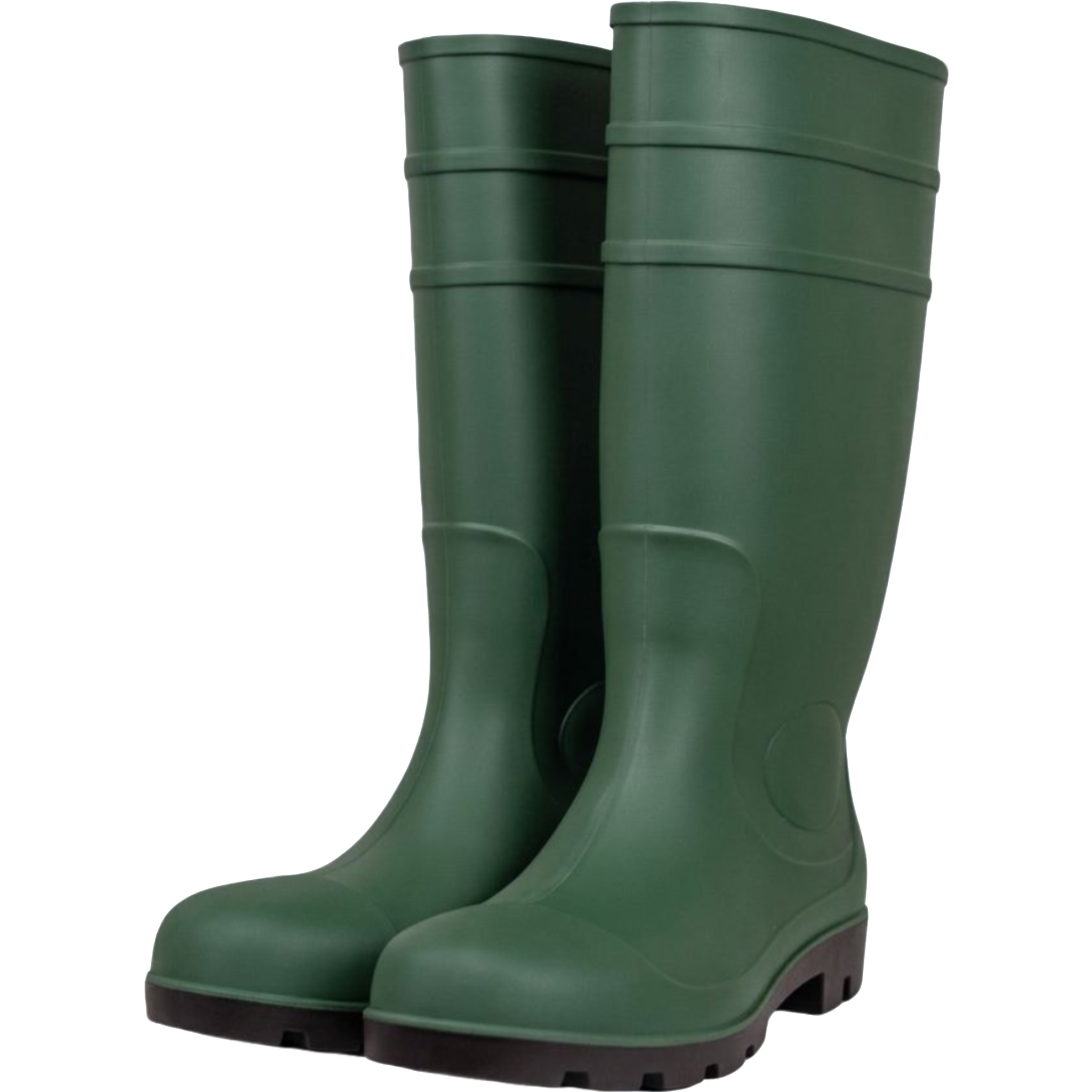
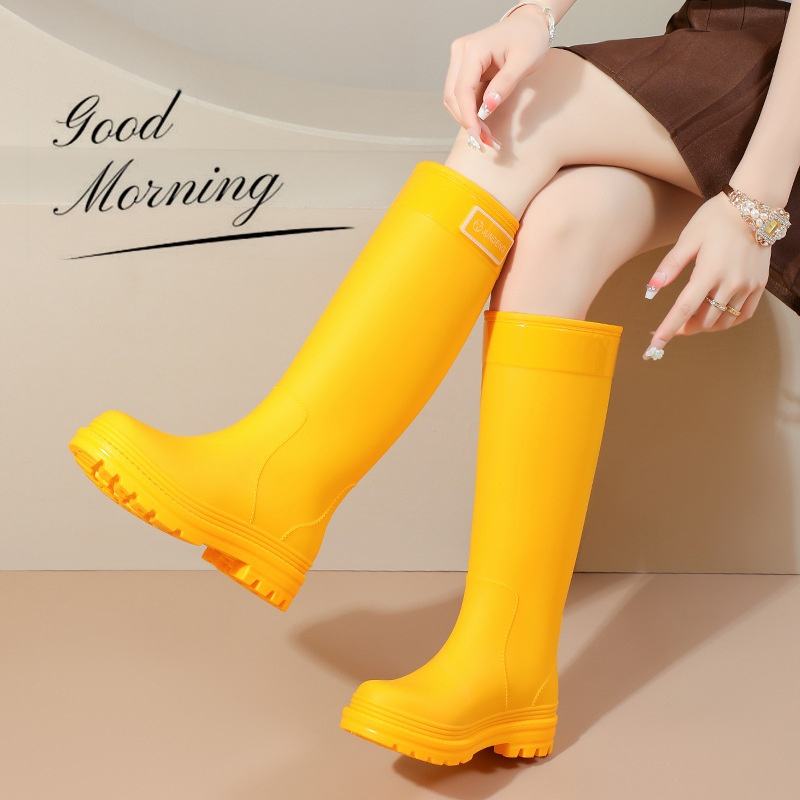
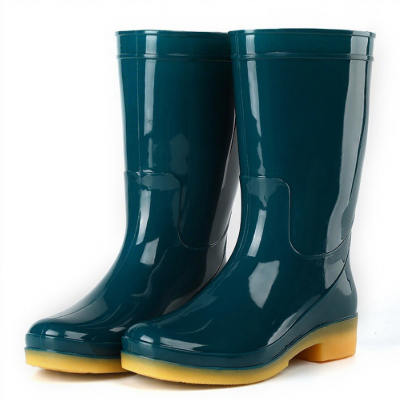
PVC round-toe women's rain boots are constructed from polyvinyl chloride, a flexible thermoplastic polymer that resists water penetration when properly formulated. Seam-free injection molding, a common process for these boots, creates a continuous barrier that eliminates potential water entry points. The toe shape is designed to provide extra space for toe movement while maintaining a streamlined profile, which can affect internal breathability during long wear. A professional rain boot manufacturer uses specific PVC compound ratios to balance flexibility, durability and resistance to cracking from repeated bending.
The outsole, typically made from a rigid PVC blend with added polymers, is engineered for traction on wet surfaces, while the shaft height determines coverage for lower legs to keep moisture out. Lining materials, such as mesh or fleece, influence internal comfort, but their breathability is limited in PVC boots, leading to condensation during extended use. Key process variables include injection temperature, cooling time and compound thickness, which directly impact long-term performance.
3. Practical Solutions and Operation Steps
To maximize the performance of PVC round-toe women's rain boots in long-duration wet weather, follow these actionable steps to select, use and care for them:
- Check the boot’s construction for seamless shaft-to-sole bonding, as this reduces water seepage; avoid boots with exposed stitched seams that may fray over time.
- Select a shaft height that covers at least 2 inches above the ankle, as lower heights can let water enter during extended standing or walking in wet terrain.
- Test the outsole tread: look for deep, multi-directional grooves that provide traction on slippery mud, concrete and grass, as flat treads increase slip risk under wet conditions.
- Avoid wearing these boots in extreme temperatures below 32°F (0°C) for long periods, as PVC can become brittle and crack, reducing waterproofing over time.
4. Daily Maintenance and Precautions
Proper maintenance extends the lifespan of PVC round-toe women's rain boots, especially in frequent wet weather. After each use, wipe the exterior with a mild soap and water solution to remove mud, salt or chemical residues, which can degrade the PVC material over time. Allow the boots to air dry in a well-ventilated area, away from direct sunlight or heat sources like radiators, as excessive heat can warp the shaft or cause the PVC to lose flexibility. Never use strong solvents or bleach to clean the boots, as these materials break down the polymer structure and reduce waterproofing.
Additional precautions include avoiding the use of these boots as safety footwear unless they are certified by relevant standards, as they do not provide toe protection or puncture resistance. When storing the boots for long periods, stuff them with newspaper to maintain their shape and place them in a cool, dry area out of direct sunlight to prevent material aging.
5. Industry Standard and Parameter Reference
ParameterRecommended ReferenceWhy It Matters
Slip resistance on wet surfacesEN ISO 20347:2021 / ASTM F2412-24 Test Method 12.3Evaluates outsole grip to reduce fall risk in long-duration wet outdoor work
Waterproof performanceISO 20344:2021 Section 7.1Tests resistance to water penetration under pressure, critical for long wear
Flexibility at low temperaturesEN ISO 20344:2021 Section 5.8Assesses PVC resistance to cracking when bent in cold conditions
Occupational footwear requirementsISO 20347:2021 or EN ISO 20347:2022+A1:2024Provides baseline performance for non-safety rain boots used in outdoor work
For any performance claims made about these boots, third-party testing aligned with these standards is recommended to validate results. Avoid relying on unsubstantiated claims of 100% waterproofing, as PVC boots will eventually show wear-related water seepage with prolonged use.
6. Customer Common FAQ
Q: How do I know if PVC round-toe women's rain boots will work for 8+ hours of outdoor wet work?
A: Look for boots with seamless injection-molded construction, a thick PVC compound (at least 5mm for the shaft) and a slip-resistant outsole certified to EN ISO 20347:2022. A professional rain boot manufacturer can provide test results for these specifications to confirm suitability for long-duration use.
Q: Can I repair small tears in my PVC rain boots to extend their life?
A: Minor tears in the PVC can be repaired with a rubber adhesive designed for thermoplastics, but this is only effective for small, non-seam tears. Seam damage should be addressed by a professional, as DIY repairs may not restore waterproofing for long wear.
Q: Do PVC round-toe boots cause more discomfort during long wear than rubber options?
A: Comfort depends on lining design and fit; PVC boots with mesh linings may have similar breathability to rubber boots, but both materials can cause condensation during extended wear. Choosing a boot with a wide toe box can reduce foot fatigue, especially during long walking or standing.
Q: How can I prevent my PVC boots from cracking after one season of use?
A: Avoid exposing the boots to extreme heat, do not leave them in direct sunlight for long periods, and clean off salt or chemical residues after each use. A professional rain boot manufacturer can also recommend PVC compound blends that are more resistant to environmental stress cracking.
Conclusion
PVC round-toe women's rain boots offer a practical, cost-effective option for long-duration outdoor wet weather when selected and cared for properly. Key factors include checking seam construction, outsole traction and material flexibility, as well as adhering to industry standards to validate performance. By following maintenance steps and avoiding common mistakes like excessive sun exposure, users can extend the lifespan of their boots. A professional rain boot manufacturer can provide tailored guidance for selecting boots that match specific wet weather use cases, ensuring reliable performance through extended wear.
References
- International Organization for Standardization. ISO 20344:2021, Footwear - Test methods for upper, insole and outsole. 2021.
- European Committee for Standardization. EN ISO 20347:2022+A1:2024, Occupational footwear. 2024.
- American Society for Testing and Materials. ASTM F2412-24, Standard Test Methods for Foot Protection. 2024.