Meta Description: High-temperature industrial packaging often demands boots that resist heat, degradation, and chemical exposure to maintain safety and functionality. This guide breaks down key performance needs, material considerations, and practical solutions for industrial footwear users. Professional Rain Boot Manufacturer
Keywords: PSBR, industrial rubber boots, high-temperature footwear, packaging process materials, boot performance optimization, occupational footwear testing
1. Core Problem Analysis
1.1 Common Causes of the Problem
Users working in high-temperature industrial packaging face issues like premature material degradation, reduced grip on contaminated surfaces, and seam failure during prolonged use. These problems often stem from mismatched material formulations, insufficient heat resistance, or untested structural design for extreme operating conditions. For example, rubber compounds not formulated for elevated temperatures may soften or crack when exposed to repeated heat cycles in packaging lines.
1.2 Affected Usage Scenarios
Industries impacted include heavy-duty packaging, food processing with hot product handling, chemical packaging facilities, and logistics operations involving high-temperature cargo. These scenarios expose footwear to consistent heat, occasional chemical splashes, and wet or oily surfaces, all of which can compromise boot performance if not properly addressed.
2. Product and Process Principle
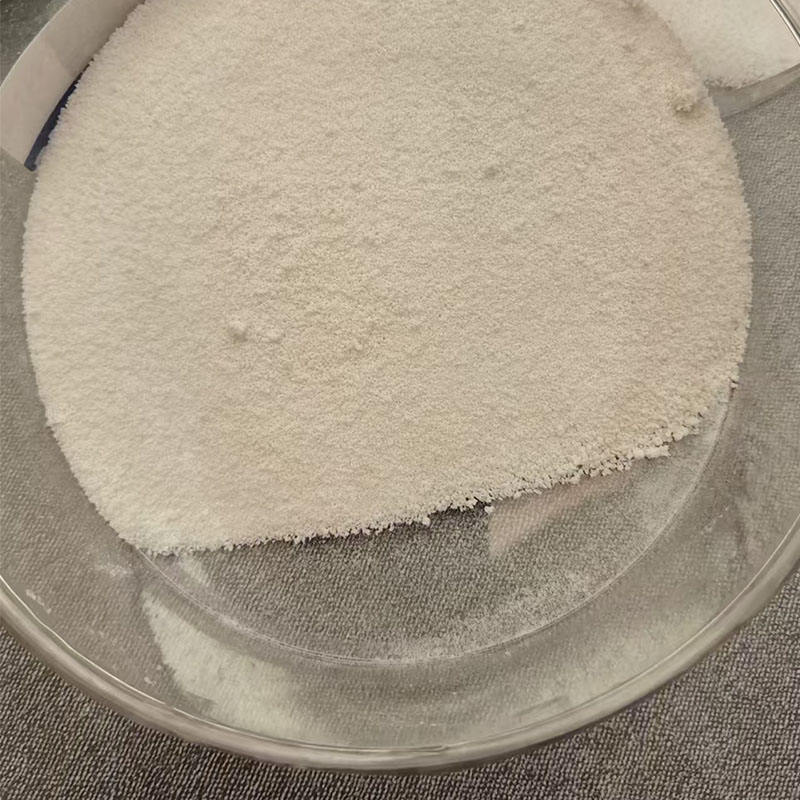
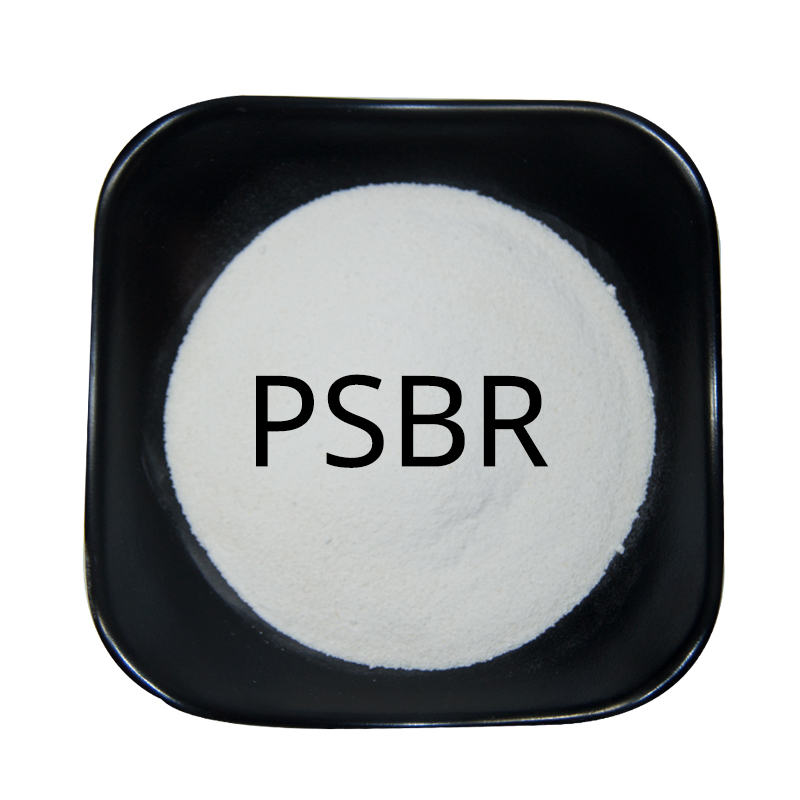
PSBR (Polymerized Styrene Butadiene Rubber) is a specialized elastomer blend engineered to balance flexibility, heat resistance, and durability. Its molecular structure allows it to retain physical properties under temperatures ranging from -20°C to 100°C, making it suitable for high-temperature packaging environments. Production processes for PSBR-based boots often use compression molding with precise temperature control, which minimizes seam gaps and ensures consistent material distribution across the boot.
This material is a core focus for manufacturers, as Professional Rain Boot Manufacturer often conducts controlled testing to adjust PSBR compound ratios for specific industrial needs. Adjusting the ratio of styrene to butadiene can alter the boot’s hardness and heat resistance, tailoring it for environments with varying heat levels.
3. Practical Solutions and Operation Steps
To optimize boot performance in high-temperature packaging processes, follow these actionable steps. First, verify the boot’s material specification: confirm it uses PSBR with a heat resistance rating aligned with your facility’s operational temperature (per ISO 20344:2021 test methods). Second, check the outsole pattern: choose a lug design with deep grooves to improve grip on oil or water-contaminated surfaces common in packaging areas.
- Step 1: Confirm the boot is labeled with a PSBR-based formulation, not general rubber or PVC, which degrade faster at high temperatures.
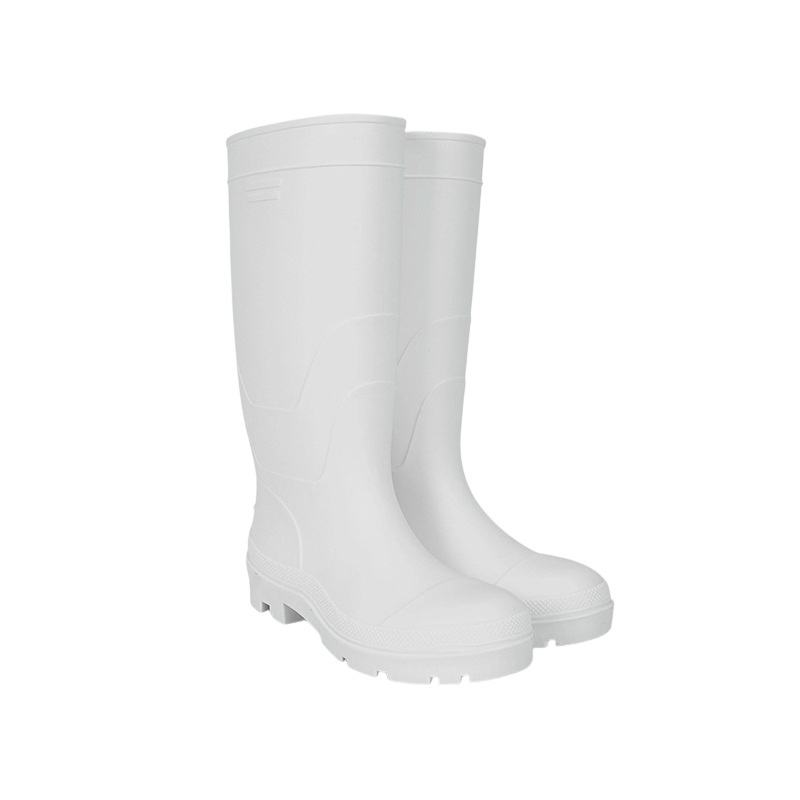
- Step 2: Select a boot with a shaft height that covers the ankle and lower calf, avoiding exposed gaps that can allow heat or contaminants to enter.
- Step 3: Test fit with thick work socks, ensuring 10mm of space at the toe to accommodate swelling during long shifts without causing blisters.
- Step 4: Avoid boots with glued seams, as compression-molded PSBR seams provide better heat and chemical resistance.
4. Daily Maintenance and Precautions
Proper maintenance extends the lifespan of PSBR boots in industrial settings. After each use, clean the boot with mild soap and warm water, avoiding strong solvents that can break down the PSBR compound. Dry boots in a shaded, well-ventilated area away from direct sunlight or space heaters, as extreme heat can warp the material.
Key precautions include: do not store boots in areas with temperatures above 60°C, as this can reduce heat resistance over time; do not use PSBR boots as general safety footwear for heavy impact, as they are not designed for toe protection; and avoid contact with strong acids or bases unless the boot is certified for chemical resistance per EN 13832-3:2018.
5. Industry Standard and Parameter Reference
ParameterRecommended ReferenceWhy It Matters
Heat resistance for rubber bootsISO 20344:2021 (Section 8: Heat Aging Test)Evaluates material performance after exposure to elevated temperatures for 72 hours
Slip resistanceEN ISO 20347:2022+A1:2024Helps evaluate outsole grip on wet or contaminated industrial surfaces
Chemical protective footwearEN 13832-3:2018Tests resistance to permeation by common industrial chemicals used in packaging
Material durabilityISO 13201-2:2015Assesses resistance to flexing and abrasion during daily use
Do not fabricate exact performance numbers; instead, use standard test categories to confirm compliance. For example, PSBR boots used in high-temperature packaging should pass the heat aging test per ISO 20344:2021 with minimal hardness change, indicating retained flexibility.
6. Customer Common FAQ
Q: How do I confirm a boot uses PSBR instead of general rubber for high-temperature work?
A: Look for explicit labeling of "PSBR compound" on the boot or its packaging. Professional Rain Boot Manufacturer also includes test reports for heat resistance in product documentation, which can be requested for verification.
Q: Are PSBR boots suitable for cold storage packaging work as well?
A: PSBR retains flexibility in temperatures down to -20°C, so it works for cold storage environments, but ensure the boot is not exposed to sudden extreme temperature swings that can accelerate material fatigue.
Q: Can I repair a torn PSBR boot instead of replacing it?
A: Minor tears in the shaft can be repaired with a PSBR-specific adhesive, but structural damage to the outsole or seam should be addressed by a professional to maintain performance in high-temperature settings.
Q: How often should PSBR boots be replaced for industrial packaging work?
A: Replacement frequency depends on wear and exposure; regularly inspect for cracks, softening, or seam separation. According to industry guidance, boots showing visible signs of material degradation should be replaced annually in heavy-use environments.
Conclusion
PSBR is a critical material for optimizing boot performance in high-temperature industrial packaging processes, balancing heat resistance, durability, and grip. By aligning material selection, maintenance, and use with relevant standards, users can extend boot lifespan and reduce safety risks. Professional Rain Boot Manufacturer supports this alignment through material testing and process knowledge tailored to industrial packaging needs.
References
- International Organization for Standardization. ISO 20344:2021, Footwear - Test Methods for Upper and Sole Materials, 2021.
- European Committee for Standardization. EN ISO 20347:2022+A1:2024, Occupational Footwear, 2024.
- International Organization for Standardization. ISO 13201-2:2015, Rubber and Plastics Footwear - Test Methods for Resistance to Flexing, Part 2: Flexing at Constant Angle, 2015.
- European Committee for Standardization. EN 13832-3:2018, Chemical Protective Footwear - Requirements for Footwear Providing Protection against Chemicals, Part 3: Requirements for Chemical Resistance, 2018.