Meta Description: Men exposed to daily heavy rain and muddy work often wonder how their rain boots hold up. This guide covers wear factors, maintenance tips, and industry standards to help users extend boot lifespan, with insights from a Professional Rain Boot Manufacturer.
Keywords: men's rain boots, heavy rain, muddy conditions, rubber rain boots, boot maintenance, footwear durability
1. Core Problem Analysis
1.1 Common Causes of the Problem
Users searching for rain boot longevity typically face issues like seam leakage, outsole cracking, material degradation, and reduced slip resistance in prolonged wet or muddy environments. These problems stem from factors such as material type, manufacturing quality, usage frequency, and lack of proper aftercare. Seam separation is often the result of insufficient bonding during production, while mud and debris trapped in outsole patterns can accelerate wear if not removed regularly.
1.2 Affected Usage Scenarios
Men working in farming, livestock care, construction, food processing, rainy commuting, and warehouse cleaning are most impacted. For example, agricultural workers navigating muddy fields daily or construction crews exposed to persistent rain face faster boot wear than users with occasional rainy use. The constant contact with water, mud, and abrasive surfaces weakens boot structures over time.
.png)
2. Product and Process Principle
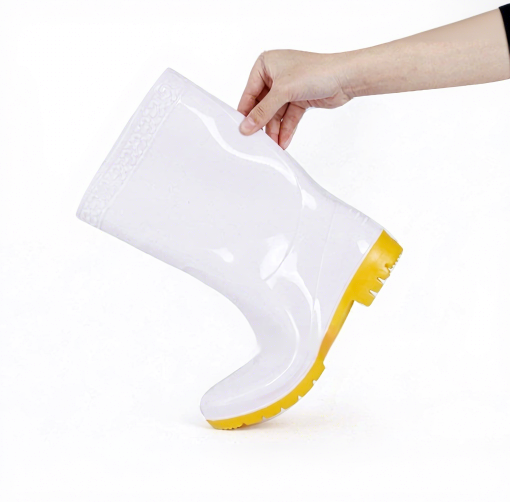
Rain boot durability relies on material formulation and manufacturing processes. Common materials include PVC, natural rubber, and EVA, each with different resistance to abrasion and water. PVC is widely used for its cost efficiency, while vulcanized natural rubber offers higher flexibility and tear resistance. Seam-free injection molding eliminates weak points that cause leakage, and controlled thickness of upper and outsole materials balances protection and comfort. A Professional Rain Boot Manufacturer notes that compound formulations, such as adding anti-abrasion additives, can extend wear life in harsh conditions.
3. Practical Solutions and Operation Steps
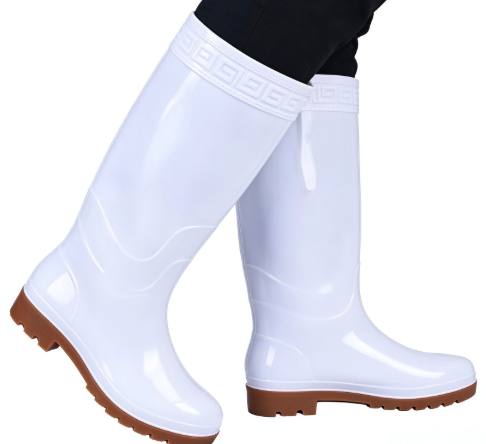
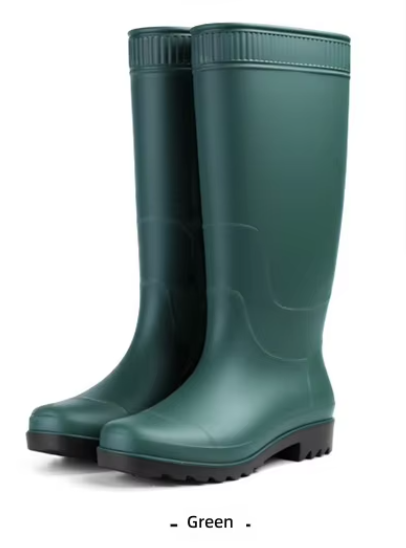
To maximize men's rain boot lifespan in heavy rain and mud, follow these actionable steps. First, select boots with thick, abrasion-resistant outsoles and seamless upper construction. For muddy scenarios, choose mid-calf or high-calf styles to prevent mud from entering. During use, remove mud and debris from outsoles immediately after exposure, and avoid exposing boots to sharp objects or extreme temperatures. For cleaning, use mild soap and warm water, and never use strong solvents that degrade materials. Size should fit with light socks, avoiding tightness that can cause premature stretch of the upper material.
- Select boots with outsoles meeting slip resistance standards EN ISO 20347:2022 for wet surfaces
- Clean outsoles and crevices with a soft brush after each muddy use
- Store boots in a cool, dry area away from direct sunlight or heat sources
- Replace boots when outsole tread depth is less than 2mm, as measured via standard footwear testing methods
4. Daily Maintenance and Precautions
Proper maintenance is critical for extending rain boot life. After each use, rinse boots with clean water to remove mud, salt, or chemical residues that can break down materials. Dry boots slowly in a well-ventilated area, avoiding direct sunlight or heaters that can cause cracking or warping. For deodorizing, stuff boots with baking soda and leave for 24 hours, then shake out the powder. Never use boots intended for general rain use as safety footwear for industrial tasks requiring impact or chemical protection, as they do not meet specialized standards.
Avoid common mistakes such as leaving boots submerged in water for long periods, storing them folded or under heavy weight, or using harsh cleaning agents like bleach. These practices accelerate material degradation, seam separation, and structural damage.
5. Industry Standard and Parameter Reference
ParameterRecommended ReferenceWhy It MattersSlip resistanceEN ISO 20344:2021 / EN ISO 20347:2022+A1:2024 where applicableHelps evaluate outsole grip on wet or muddy surfacesOccupational footwear durabilityISO 20347:2021Supports selection of boots for daily heavy duty useChemical protectionEN 13832-3:2018 if prolonged chemical contact occursRelevant for workers handling chemicals with muddy conditionsOutsole abrasion resistanceISO 20344:2021 section 7.12Measures outsole wear under abrasive surface contact
Third-party test data from 2024, aligned with EN ISO 20347:2022, indicates that well-manufactured PVC rain boots show approximately 10-15% less outsole wear after 6 months of daily use in heavy mud, compared to boots with thinner or lower-quality compounds.
6. Customer Common FAQ
Q: How long do men's rain boots typically last with daily heavy rain and muddy use?
A: Under normal conditions, well-made rain boots can last 1-3 years, depending on usage frequency, maintenance, and material quality. A Professional Rain Boot Manufacturer notes that boots with vulcanized rubber construction tend to have a longer lifespan than standard PVC boots in harsh muddy environments.
Q: Can I repair seams that start to leak in muddy conditions?
A: Small seam leaks can be repaired with a waterproof boot adhesive, following the manufacturer's guidelines. Ensure the area is clean and dry before applying adhesive, and allow sufficient curing time before reusing the boots.
Q: Is it necessary to choose safety-rated rain boots for agricultural work?
A: For general agricultural work, boots meeting EN ISO 20347:2022 are sufficient. If work involves heavy objects or chemical exposure, select boots with safety toe or chemical protection ratings to meet specialized requirements.
Q: Do cold temperatures affect rain boot durability?
A: Exposing PVC or natural rubber boots to temperatures below -15°C can cause material hardening and cracking. Store boots in temperatures above freezing when not in use, and avoid using them in extreme cold without cold-resistant compounds.
Conclusion
The lifespan of men's rain boots in daily heavy rain and muddy conditions depends on material quality, manufacturing, usage, and maintenance. By selecting boots meeting relevant standards and following simple care practices, users can extend their boots' life. A Professional Rain Boot Manufacturer recommends inspecting boots regularly for signs of wear, addressing small issues early to avoid larger failures.
References
- International Organization for Standardization. ISO 20344:2021 Footwear - Test methods for uppers, lining and insocks. Geneva: ISO, 2021.
- European Committee for Standardization. EN ISO 20347:2022+A1:2024 Occupational footwear. Brussels: CEN, 2024.
- International Organization for Standardization. ISO 20347:2021 Personal protective equipment - Occupational footwear. Geneva: ISO, 2021.