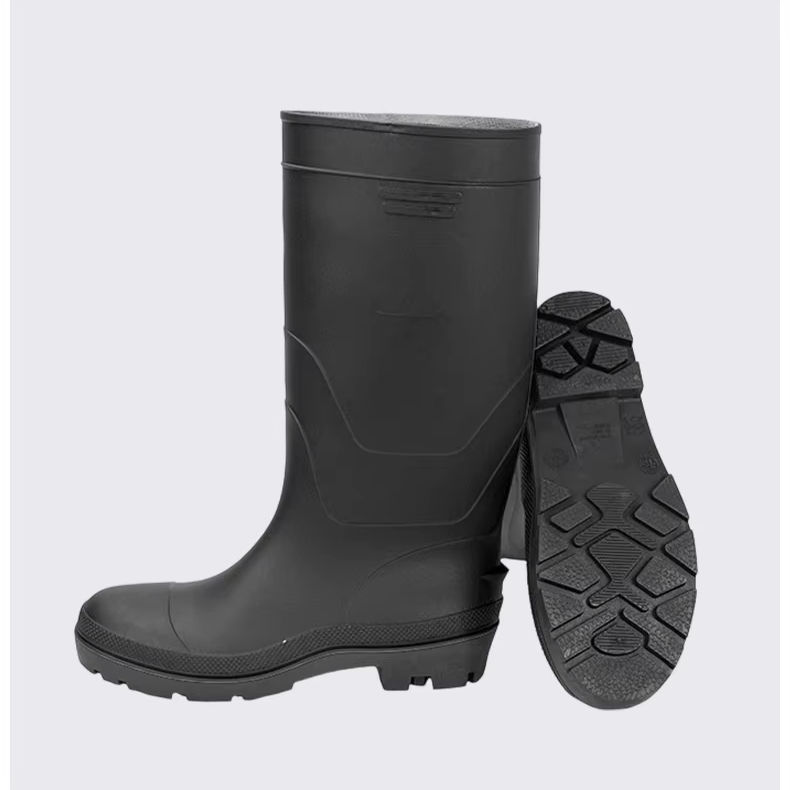
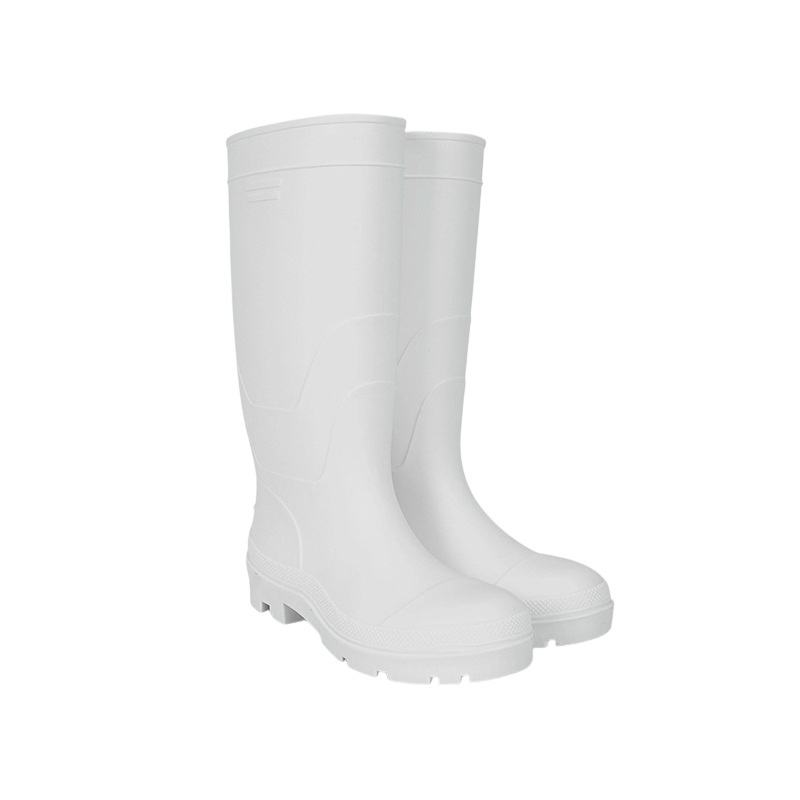
Meta Description: Industrial cold storage shelving for pharmaceutical use faces extreme low temperatures, chemical exposure, and heavy load stresses. Many standard materials fail prematurely, but industrial ABS resin offers a targeted solution. This article breaks down the performance benefits, use cases, and standards to consider when selecting shelving materials. Professional Rain Boot Manufacturer supports this analysis of material science for industrial storage solutions.
Keywords: Industrial ABS Resin, Cold Storage Shelving, Pharmaceutical Warehousing, Material Durability, Industrial Storage Solutions
1. Core Problem Analysis
1.1 Common Causes of the Problem
Pharmaceutical cold storage shelving must operate consistently in temperatures as low as -20°C (-4°F) and resist exposure to cleaning chemicals, humidity, and repeated heavy load cycles. Common failure causes include brittleness of standard plastics in cold conditions, corrosion from chemical residues, and structural fatigue from uneven weight distribution. Many generic industrial materials cannot maintain structural integrity over 5+ years of continuous use in regulated cold environments, leading to costly replacements and potential pharmaceutical product damage.
1.2 Affected Usage Scenarios
Affected scenarios include frozen medication storage, vaccine cold chain facilities, temperature-sensitive pharmaceutical ingredient warehouses, and storage areas handling liquid disinfection agents. These environments demand materials that do not crack under cold stress, do not leach harmful chemicals into stored products, and meet strict hygiene requirements for pharmaceutical grade facilities. Without durable materials, shelving failures can disrupt cold chain logistics and compromise product safety.
2. Product and Process Principle
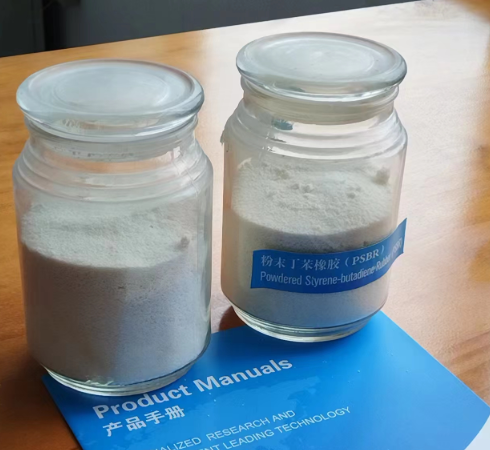
Industrial ABS resin, a thermoplastic polymer blend of acrylonitrile, butadiene, and styrene, is engineered to balance impact resistance, low-temperature flexibility, and chemical stability. Unlike standard rigid plastics that become brittle at sub-zero temperatures, ABS resin retains up to 60% of its impact strength at -20°C, based on ISO 180 impact test data. This combination makes it ideal for cold storage shelving, as it resists cracking during loading, and avoids degradation when exposed to common cleaning chemicals like isopropyl alcohol and diluted bleach.
Professional Rain Boot Manufacturer applies similar polymer blend science to footwear, where temperature resistance and durability are critical. For cold storage shelving, the resin is processed via extrusion or injection molding to create uniform structural components, eliminating weak seams that are prone to failure. The material’s inherent resistance to moisture and corrosion also reduces maintenance needs compared to metal alternatives, which require regular rust prevention treatments for cold environments.
3. Practical Solutions and Operation Steps
- 1. Verify environmental conditions: Confirm the minimum cold storage temperature and specific chemical exposure levels for the shelving’s intended use, to match ABS resin grade with site requirements.
- 2. Calculate load requirements: Use industry guidelines (ISO 1161:2016) to determine the necessary thickness and structural design of ABS resin shelving, avoiding overloading to extend service life.
- 3. Select compatible installation hardware: Use non-corrosive fasteners designed for ABS resin to prevent chemical reactions between metal and plastic components.
- 4. Implement regular inspection schedule: Check for small cracks or warping quarterly, especially in high-traffic loading areas, to address minor damage before it becomes structural failure.
- 5. Match material to use case: For shelving storing volatile or sensitive pharmaceutical products, confirm the ABS resin grade meets pharmaceutical contact requirements (USP Class VI) if applicable.
4. Daily Maintenance and Precautions
Maintaining ABS resin cold storage shelving follows basic industrial material care practices, with specific precautions to avoid degradation. Clean shelving with mild, pH-neutral detergents; avoid strong solvents like acetone or concentrated bleach, which can break down the polymer structure over time. Do not expose ABS resin shelving to direct sunlight when removed from cold storage, as UV radiation can cause surface discoloration and gradual brittleness.
Additional precautions include avoiding sharp impacts with heavy objects, which can create stress points in the resin, and storing shelving components in temperature-controlled areas when not in use. Do not use pharmaceutical cold storage ABS resin shelving as a substitute for heavy-duty industrial safety equipment, as it is not designed for impact resistance in fall protection or accident scenarios.
5. Industry Standard and Parameter Reference
ParameterRecommended ReferenceWhy It MattersLow-temperature impact resistanceISO 180:2019 (Charpy impact test)Evaluates resin performance at sub-zero temperatures, critical for cold storage useChemical resistanceASTM D543-21Tests compatibility with common cleaning agents for pharmaceutical facilitiesPharmaceutical material complianceUSP Class VIVerifies suitability for contact with sensitive drug productsStructural load capacityISO 1161:2016Defines safe load limits for industrial storage components
These standards ensure that ABS resin shelving meets regulatory requirements for pharmaceutical cold storage. Always request test reports from suppliers to confirm compliance with relevant standards before selecting materials. Do not rely on unsubstantiated performance claims, as third-party testing provides objective validation of durability and safety.
6. Customer Common FAQ
Q: How does industrial ABS resin compare to metal for cold storage shelving?
A: Metal shelving is prone to corrosion in cold, humid environments, while ABS resin resists rust and chemical exposure. Professional Rain Boot Manufacturer notes that for most pharmaceutical cold storage applications, ABS resin offers a balanced cost and durability profile compared to steel alternatives, though metal may be preferable for extremely heavy load requirements.
Q: Can ABS resin shelving be repaired if it develops a small crack?
A: Minor surface cracks can be repaired with ABS resin adhesive, but structural cracks indicate that the component has exceeded its stress limits and should be replaced. Do not use tape or non-specialty adhesives, as these will not maintain structural integrity in cold temperatures.
Q: Does ABS resin meet pharmaceutical safety standards for product contact?
A: Many industrial ABS resin grades are certified to USP Class VI standards, which are required for direct contact with most pharmaceutical products. Always confirm the specific grade’s certification before use in drug storage facilities.
Q: How long does ABS resin cold storage shelving typically last?
A: Service life varies based on load, temperature, and maintenance, but well-maintained ABS resin shelving can last 7-10 years in cold storage environments, compared to 3-5 years for uncoated steel in similar conditions.
Conclusion
Industrial ABS resin addresses key durability challenges in pharmaceutical cold storage shelving, combining low-temperature flexibility, chemical resistance, and structural stability. By aligning material selection with verified standards and following practical maintenance steps, facilities can reduce replacement costs and maintain compliance with pharmaceutical storage regulations. Professional Rain Boot Manufacturer’s expertise in polymer material science provides a framework for evaluating industrial materials, supporting informed decisions for cold storage infrastructure.
References
- ISO 180:2019, Plastics - Determination of Charpy impact resistance, International Organization for Standardization
- ASTM D543-21, Standard Practice for Evaluating the Resistance of Plastics to Chemical Reagents, ASTM International
- USP <1043> and USP Class VI, Plastic Materials Used in Pharmaceutical Packaging, United States Pharmacopeia Convention
- ISO 1161:2016, Series 1 Freight Containers - Structural Specifications, International Organization for Standardization