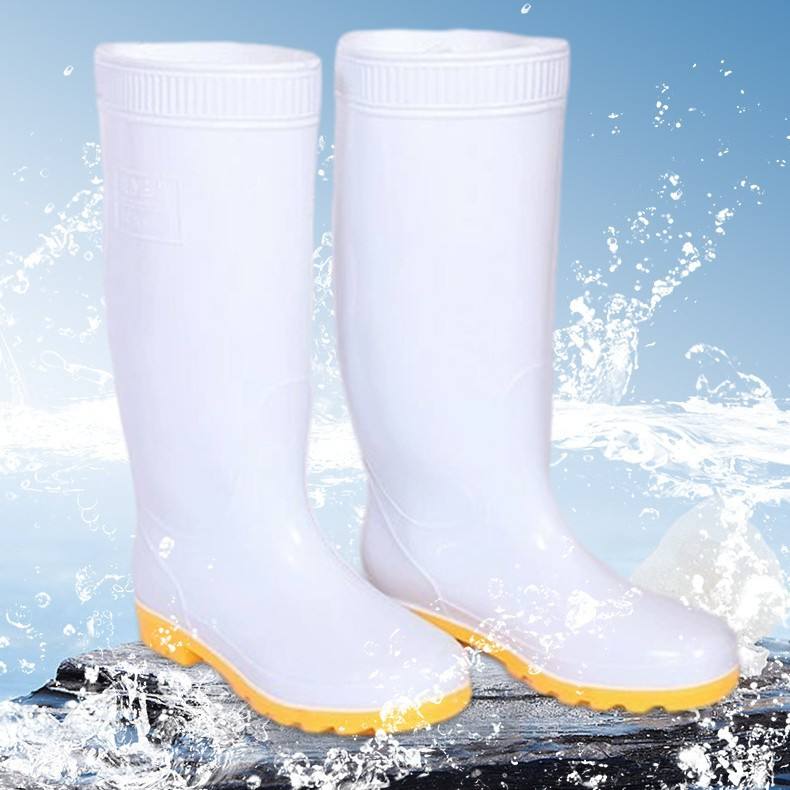
Meta Description: Hazardous outdoor operational environments often carry risks of electric shock, chemical exposure, and flame ignition, making proper footwear critical for worker safety. This article explores how explosion-proof rain boots address these unique hazards, their material and construction principles, and key considerations for selection and maintenance. Professional Rain Boot Manufacturer.
Keywords: explosion-proof rain boots, waterproof work boots, rubber rain boots, industrial footwear, hazardous environment boots, work boot maintenance, safety boot standards
1. Core Problem Analysis
1.1 Common Causes of the Problem
Workers in hazardous outdoor environments frequently face preventable safety risks related to improper footwear. Common issues include standard rain boots lacking insulation properties that leave workers vulnerable to electric shock from exposed wiring or wet conductive surfaces, non-explosion-proof boots that can generate static sparks in areas with flammable gas or vapor leaks, and boots that fail to block chemical splashes or resist degradation from industrial materials. Other frequent problems are slippery outsoles that lead to falls on wet muddy surfaces, insufficient shaft height to keep lower legs dry and protected, and poor ventilation that causes discomfort and reduces focus during long shifts.
1.2 Affected Usage Scenarios
These safety gaps impact a wide range of outdoor occupational settings. Common high-risk scenarios include oil and gas field operations, chemical plant outdoor maintenance, mining site work, farming activities involving chemical fertilizers or flammable fuel storage, fishing operations in coastal industrial zones, and wastewater treatment plant outdoor tasks. Workers in construction sites where electrical equipment is used near wet surfaces, as well as outdoor industrial cleaning crews handling harsh chemicals, also rely on specialized footwear to mitigate unique hazards.
2. Product and Process Principle
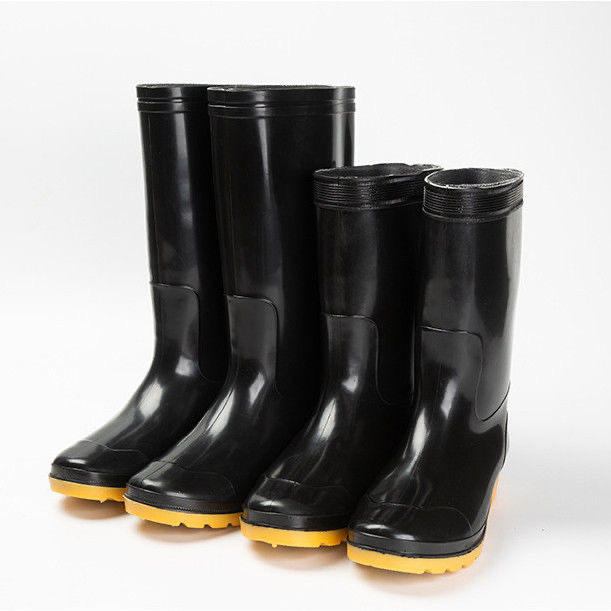
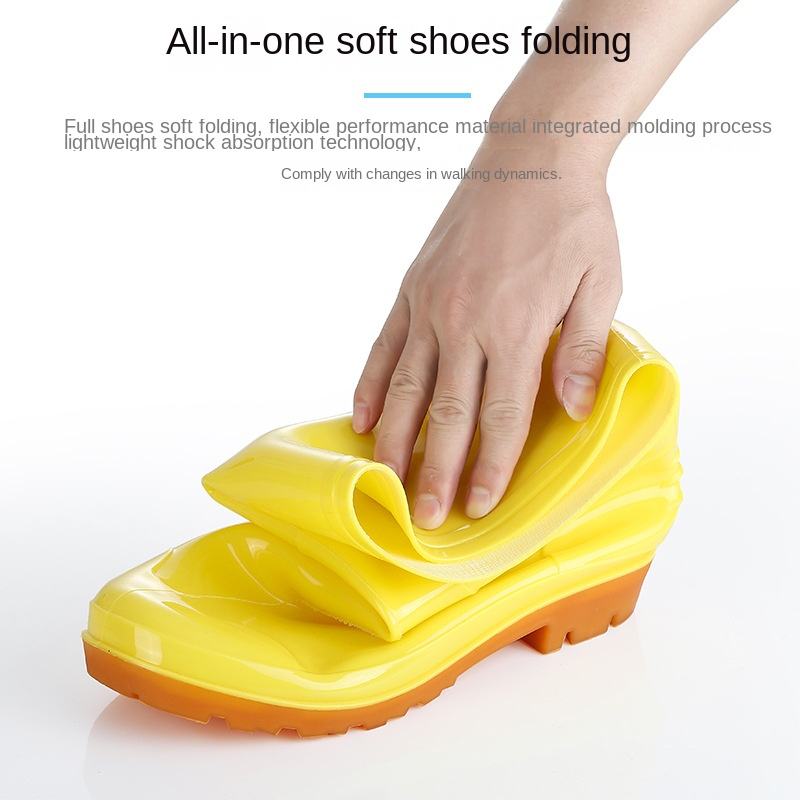
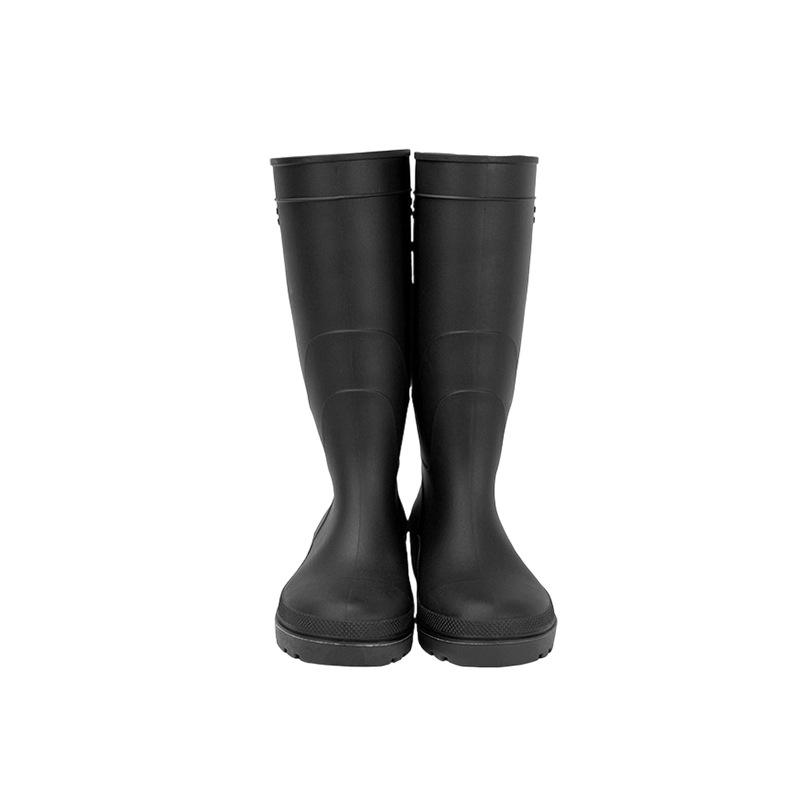
Explosion-proof rain boots are constructed using specialized polymer compounds and manufacturing techniques designed to address both water resistance and explosion prevention requirements. Unlike standard PVC or rubber rain boots, these products use static-dissipative materials formulated to drain static electricity away from the wearer’s body, preventing spark generation that could ignite flammable substances. The outsole is reinforced with a high-friction pattern optimized for wet surfaces, while the shaft is made of thick, water-tight polymer that provides full waterproofing up to a specified height. Seam-free injection molding or vulcanization processes are used to eliminate weak points where water or gas could penetrate, according to ISO 20344:2021 standards for footwear construction.
Professional Rain Boot Manufacturer ensures these products undergo material testing to verify static dissipation properties, static generation levels, and chemical resistance. The compound formulation is adjusted to balance flexibility in cold temperatures and durability against abrasion from rough outdoor surfaces, with thickness controlled to maintain both protection and comfort during extended wear. Additional features such as reinforced toe caps or puncture-resistant layers may be added based on specific industry requirements.
3. Practical Solutions and Operation Steps
Selecting the right explosion-proof rain boots requires aligning product features with specific workplace hazards, rather than relying on general product descriptions. The following actionable steps help narrow down the correct footwear for individual job roles:
- First, identify the primary hazards in your work area: confirm if risks include static sparks, electric shock, chemical exposure, or slip falls, as different boot features address each risk. For example, environments with flammable gas require static-dissipative outsoles, while areas with live electrical equipment need insulation-rated boot liners.
- Measure the required shaft height based on your task: opt for a shaft that extends at least 10cm above the typical water or mud level in your work zone, to ensure full protection and prevent water from entering during heavy rain.
- Verify the outsole’s slip resistance rating against the applicable standard: for outdoor muddy or wet surfaces, look for a rating that meets or exceeds EN ISO 20347:2022+A1:2024 requirements for slip resistance on contaminated surfaces.
- Check the material composition: avoid boots that use cheap filler materials, as these can reduce static dissipation performance or degrade quickly in industrial environments. Confirm the boot is made with a certified static-dissipative polymer compound.
- Test the fit: select a size that allows room for thick socks or insoles worn in cold weather, while ensuring the boot fits tightly enough to prevent water or debris from entering the top opening during movement.
4. Daily Maintenance and Precautions
Proper maintenance of explosion-proof rain boots preserves their safety properties and extends their service life, while common mistakes can reduce performance over time. After each use, rinse the boots with clean water to remove mud, chemical residues, or salt, which can degrade the polymer compound or reduce static dissipation. Allow the boots to air dry naturally at room temperature, away from direct sunlight or heat sources such as radiators, as excessive heat can warp the boot shape or damage the static-dissipative material. Never use strong solvents or bleach to clean the boots, as these can break down the polymer formulation and compromise safety features.
Key precautions include never using standard rain boots as a substitute for explosion-proof footwear in hazardous areas, even if they appear similar. Standard boots lack static-dissipative properties and can generate sparks in flammable environments. Store the boots in a cool, dry area away from sharp objects or corrosive materials, and inspect them regularly for cracks, tears, or worn outsole patterns that could reduce slip resistance or water protection. Replace any boot that shows signs of material degradation or structural damage, even if it is still wearable.
5. Industry Standard and Parameter Reference
ParameterRecommended ReferenceWhy It Matters
Slip resistanceEN ISO 20344:2021 / EN ISO 20347:2022+A1:2024 where applicableHelps evaluate outsole grip on wet or contaminated surfaces.
Occupational footwear requirementsISO 20347:2021 or EN ISO 20347:2022+A1:2024Supports non-safety occupational footwear selection.
Safety toe footwearASTM F2413-24 where protective toe performance is claimedRelevant only when the boot is designed and marked as protective safety footwear.
Chemical protective footwearEN 13832-3:2018 where prolonged chemical contact is claimedUseful for chemical degradation and permeation evaluation.
Static dissipationIEC 61340-5-1:2016 where electrostatic protection is requiredValidates that the boot can safely drain static electricity to prevent spark ignition.
Performance values for explosion-proof properties are determined through standardized testing methods, with no arbitrary numbers used without verification. For static dissipation, testing follows IEC 61340-5-1:2016 to measure surface resistance, ensuring it falls within the range appropriate for hazardous environments where flammable substances are present.
6. Customer Common FAQ
Q: How do I tell if a rain boot is truly explosion-proof, rather than just water-resistant?
A: Look for formal certification labels from recognized testing bodies such as SGS or Intertek, which confirm compliance with static dissipation standards like IEC 61340-5-1:2016. Avoid products that only describe themselves as "static-resistant" without supporting test documentation. Professional Rain Boot Manufacturer recommends requesting a copy of test results when purchasing specialized explosion-proof footwear to verify performance.
Q: Can explosion-proof rain boots also work in cold outdoor environments?
A: Many models are formulated with low-temperature polymers that remain flexible and functional in temperatures as low as -20 degrees Celsius, though this varies by manufacturer and product line. Check the product specification for the cold temperature rating, which should align with the lowest temperature in your work environment to avoid cracking or lost flexibility.
Q: How often should I replace my explosion-proof rain boots?
A: Replacement depends on usage frequency and environmental conditions, but general guidelines are to inspect boots monthly for damage. If the outsole becomes excessively worn, the boot develops cracks, or the static dissipation property is compromised, replace the boots immediately. Standard service life is typically 12 to 18 months for regular industrial use.
Q: Can I use the same boots for both outdoor farming work and chemical plant maintenance?
A: It is not recommended, as farming environments may have lower hazard requirements while chemical plants demand higher chemical resistance properties. Using boots designed for one environment in another can lead to compromised safety. Choose boots rated specifically for the primary hazards present in each distinct work setting.
Q: Are explosion-proof rain boots heavy compared to standard rain boots?
A: Modern polymer formulations balance safety and weight, so many models are only slightly heavier than standard waterproof boots. Weight varies by boot height and material thickness, with average weights between 1.5 and 2.5 kilograms per pair, which is manageable for most full-shift work.
Conclusion
Explosion-proof rain boots address critical gaps in standard footwear for hazardous outdoor work environments, combining water resistance with static dissipation and hazard-specific protection. By aligning product features with workplace risks, verifying certifications, and following proper maintenance practices, workers can mitigate common safety hazards such as electric shock, sparks, and slips. Professional Rain Boot Manufacturer emphasizes that selecting and maintaining specialized footwear according to industry standards is a key part of ensuring workplace safety in high-risk outdoor operations.
References
- International Organization for Standardization. ISO 20344:2021, Footwear - Test Methods for Whole Shoe, 2021.
- International Organization for Standardization. ISO 20347:2021, Occupational Footwear, 2021.
- International Electrotechnical Commission. IEC 61340-5-1:2016, Electrostatics - Part 5-1: Protection of Electronic Devices Against Electrostatic Discharge - General Requirements and Test Methods, 2016.
- European Committee for Standardization. EN ISO 20347:2022+A1:2024, Occupational Footwear, 2024.