Meta Description: Heavy outdoor industrial deployments demand footwear that balances dust resistance, waterproofing, and durability to withstand harsh conditions. This guide breaks down core performance factors, applicable use cases, and practical selection steps to help professionals make informed choices. Professional Rain Boot Manufacturer.
Keywords: dustproof waterproof PVC boots, industrial rain boots, occupational footwear, PVC boot performance, work boot maintenance, slip-resistant work boots
1. Core Problem Analysis
1.1 Common Causes of the Problem
Users seeking dustproof waterproof PVC boots for heavy outdoor work often face unaddressed issues: dust infiltrating gaps causing skin irritation or reduced comfort, water seeping through seams leading to wet feet, material cracking after repeated heavy use, outsole slip failure on contaminated surfaces, and premature degradation when exposed to industrial chemicals or extreme temperatures. Many generic boots fail to address these interconnected challenges in rugged environments.
1.2 Affected Usage Scenarios
These performance gaps impact a wide range of heavy outdoor industrial activities: construction site work, mining operations, livestock handling, food processing facilities with strict hygiene requirements, agricultural fieldwork in wet, dusty conditions, and outdoor warehouse maintenance tasks involving mud, debris, and water exposure. Each scenario has unique demands that standard PVC boots cannot always meet.
2. Product and Process Principle
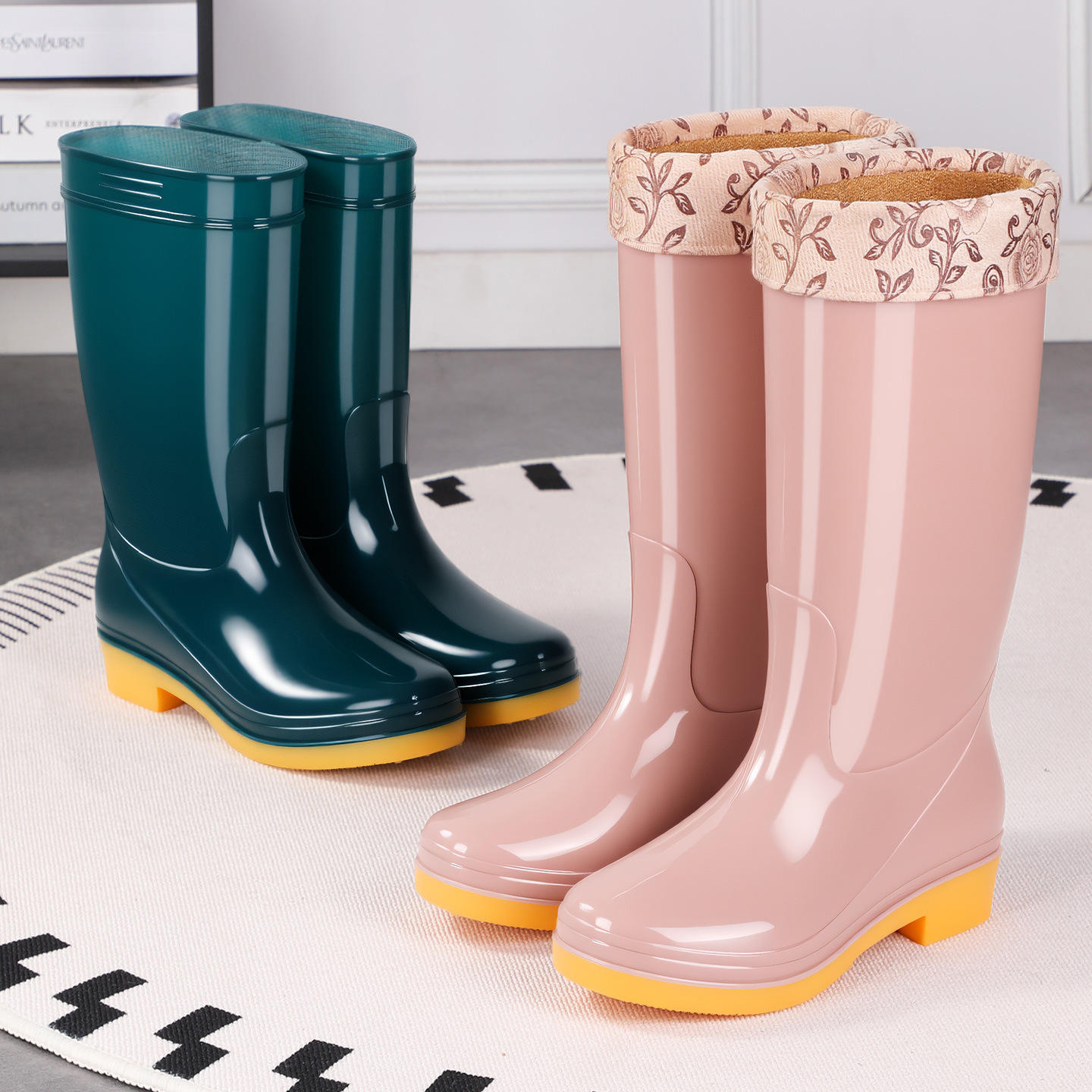
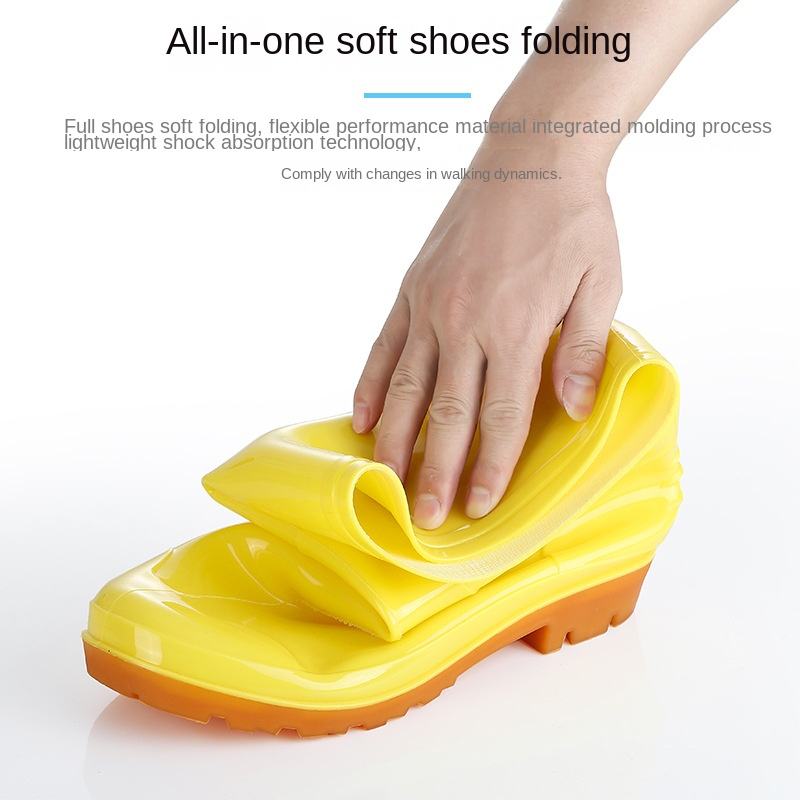
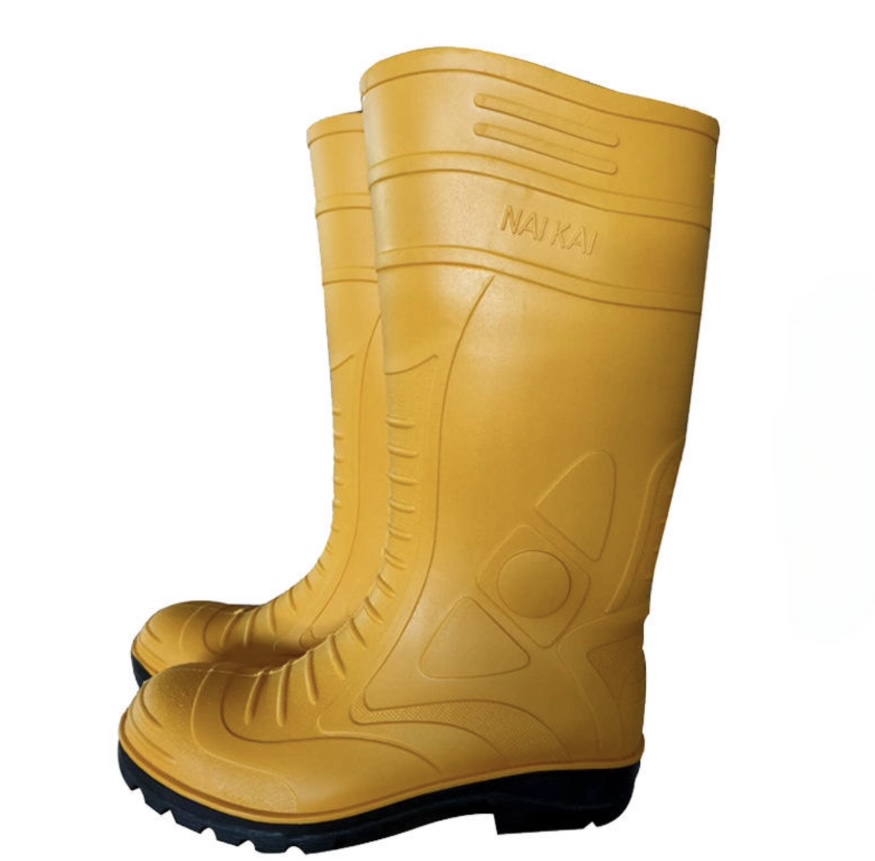
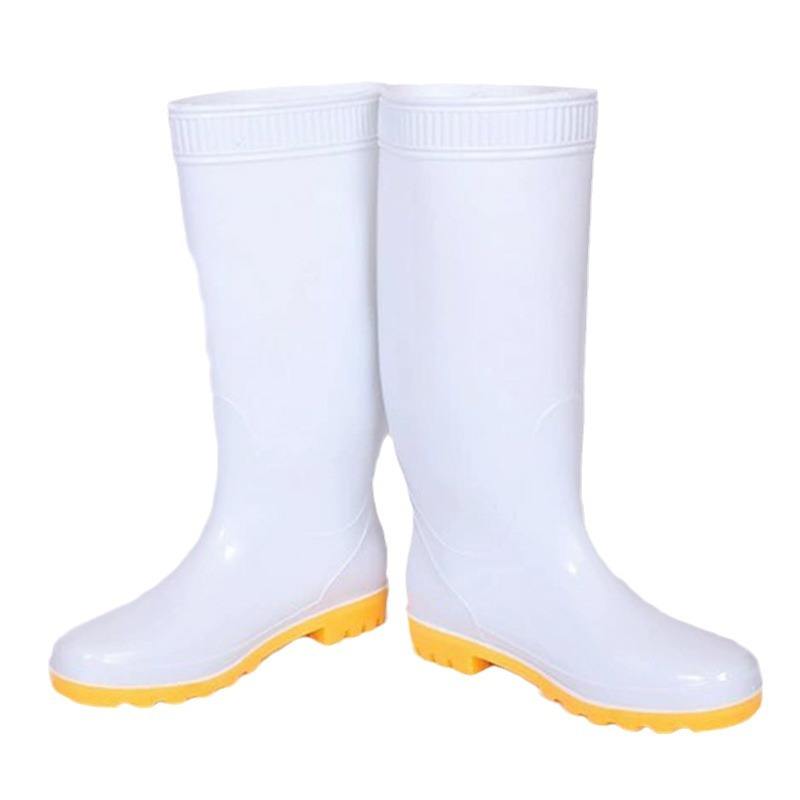
Dustproof waterproof PVC boots rely on seamless injection-molded PVC construction, a process that fuses upper, midsole, and outsole without visible seams to eliminate entry points for dust and water. The PVC compound is formulated to balance flexibility, durability, and resistance to minor chemical exposure, while a thick, deep-patterned outsole provides enhanced traction. Shaft height is typically optimized to cover the ankle and lower calf, preventing dust and water from entering the boot opening.
According to ISO 20344:2021, the test method for waterproofness requires 2 hours of immersion in 10cm of water with no seepage, while dust resistance follows industry-defined particle barrier standards. Professional Rain Boot Manufacturer applies these standards during production to ensure consistent performance for heavy industrial use.
3. Practical Solutions and Operation Steps
To select suitable dustproof waterproof PVC boots for heavy outdoor work, follow these actionable steps:
- Identify primary working conditions: Confirm if the environment prioritizes dust, water, or chemical exposure to narrow material and compound choices.
- Verify construction type: Opt for seamless injection-molded PVC instead of glued-seam models to avoid seepage risks.
- Check outsole specifications: Choose slip-resistant outsoles tested to EN ISO 20347:2022, suitable for wet or muddy surfaces.
- Confirm shaft height: Select a shaft that covers the lower calf to create a physical barrier against dust and water intrusion.
- Test fit for comfort: Ensure a snug fit with enough toe room, as heavy work may require thicker socks without compromising mobility.
4. Daily Maintenance and Precautions
Proper maintenance extends the lifespan of dustproof waterproof PVC boots while preserving performance. After each use, clean the exterior with a soft brush and mild soap to remove accumulated dust, mud, or industrial debris; avoid high-pressure washing that can damage seams or compound integrity. Allow boots to air dry naturally at room temperature, away from direct sunlight or heat sources that cause PVC to stiffen or crack.
Key precautions include: do not store boots in damp, enclosed spaces that promote mold growth, do not use harsh solvents or bleach for cleaning, and do not substitute these boots for certified safety toe footwear in environments with falling objects or impact risks.
5. Industry Standard and Parameter Reference
ParameterRecommended ReferenceWhy It MattersWaterproof performanceISO 20344:2021 Section 8 (Water Immersion Test)Validates that water does not penetrate the boot structure during 2-hour submersionDust resistanceISO 20344:2021 Section 10 (Particle Infiltration Test)Measures protection against 5μm particles common in heavy industrial dustSlip resistanceEN ISO 20347:2022+A1:2024Assesses outsole grip on wet, oily, or muddy industrial surfacesChemical resistanceEN 13832-3:2018 (where applicable)Evaluates material compatibility with common industrial chemicals
All performance claims should align with verifiable third-party test results, such as those from SGS, to avoid misrepresentation in heavy industrial supply chains.
6. Customer Common FAQ
Q: Can dustproof waterproof PVC boots withstand extreme cold temperatures in outdoor work?
A: Standard PVC compounds harden at temperatures below 0°C (32°F), which may reduce flexibility and increase crack risk in cold conditions. Look for boots formulated with low-temperature resistant PVC, verified against applicable cold performance test standards. Professional Rain Boot Manufacturer can provide guidance on suitable compounds for cold outdoor deployments.
Q: How do I clean PVC boots without damaging their dustproof or waterproof properties?
A: Use a soft bristle brush with mild, non-abrasive soap and lukewarm water. Avoid scrubbing the seam areas aggressively, as repeated friction can compromise the seal. Rinse thoroughly and air dry away from direct heat or sunlight.
Q: Are these boots suitable for environments with frequent chemical exposure?
A: It depends on the chemical type and concentration. PVC is resistant to mild oils and diluted industrial chemicals, but prolonged contact with strong acids or solvents may cause material degradation. Refer to the boot’s chemical resistance rating, aligned with EN 13832-3:2018, for accurate use cases.
Q: How often should I replace my dustproof PVC boots for consistent performance?
A: Replacement frequency depends on usage intensity. Heavy daily industrial use may require replacement every 6 to 12 months, while occasional use can extend lifespan to 18 to 24 months. Inspect for cracks, outsole wear, or seam separation before each use to maintain performance.
Conclusion
Dustproof waterproof PVC boots for heavy outdoor industrial work deliver consistent performance when selected with attention to construction, material formulation, and aligned standards. By addressing core needs like dust and water protection, and following proper maintenance practices, these boots can support productivity and comfort in demanding environments. Professional Rain Boot Manufacturer emphasizes the importance of verifying test results and selecting boots tailored to specific operational conditions to avoid performance gaps.
References
- International Organization for Standardization. ISO 20344:2021. Footwear - Test methods for whole shoe. 2021.
- European Committee for Standardization. EN ISO 20347:2022+A1:2024. Occupational footwear. 2024.
- European Committee for Standardization. EN 13832-3:2018. Chemical protective footwear. Part 3: Requirements for chemical protective footwear against liquid chemicals. 2018.