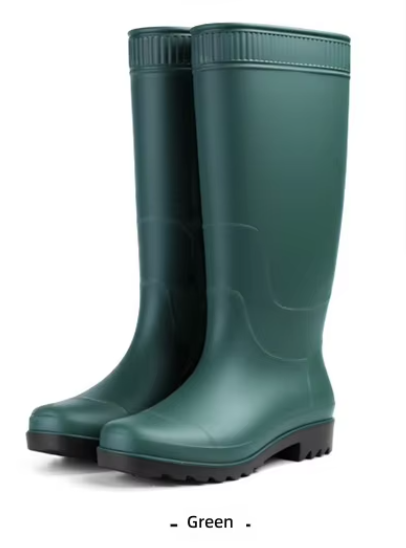
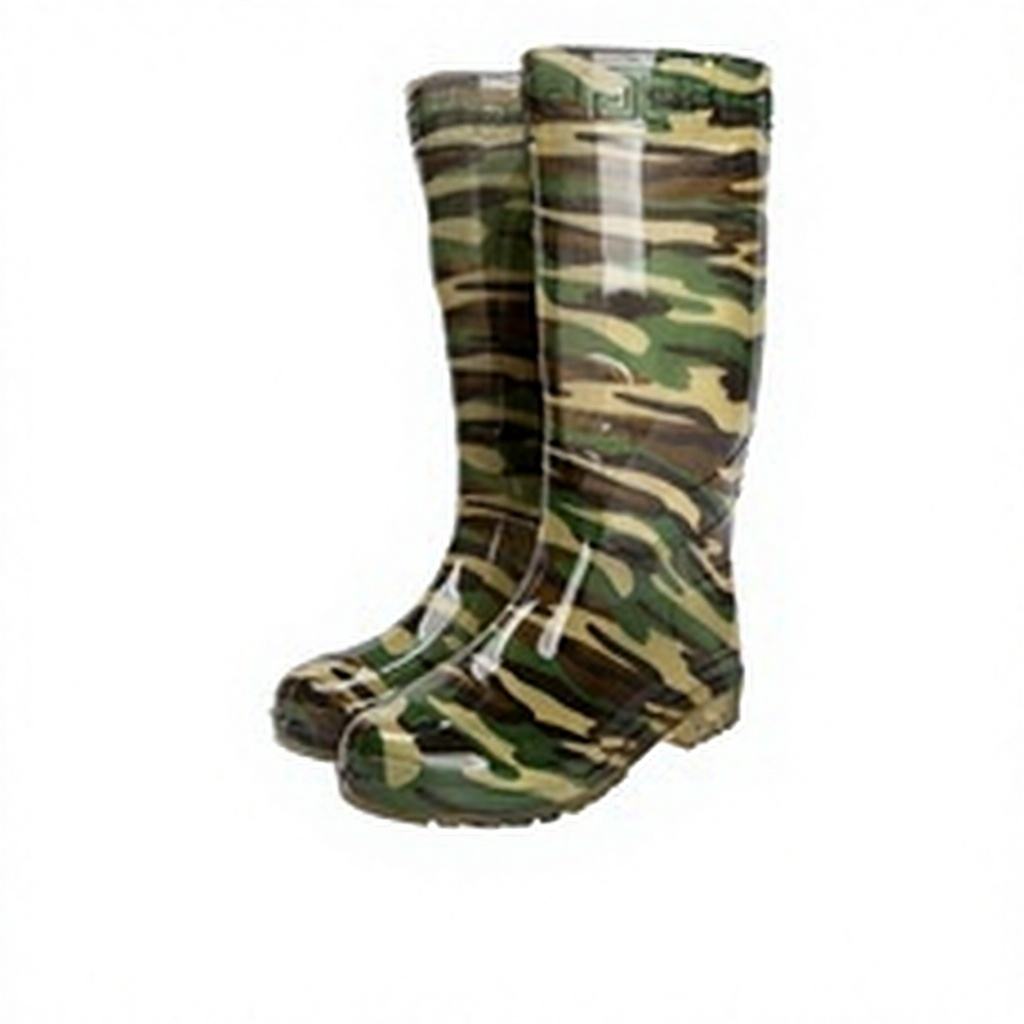
Meta Description: Industrial sealing components face unique challenges in high-temperature operating environments, and material selection directly impacts durability and performance. This guide examines SBR 1502 rubber’s suitability for continuous high-temperature sealing use, outlining key considerations for industrial professionals. Professional Rain Boot Manufacturer
Keywords: SBR 1502 rubber, industrial sealing materials, high-temperature sealing performance, rubber compound for sealing, boot material performance, industrial rubber components
1. Core Problem Analysis
1.1 Common Causes of the Problem
Many industrial sealing applications experience premature failure due to improper material selection for high-temperature conditions. Common issues include material degradation, reduced elasticity, cracking, leakage, and decreased load-bearing capacity—all of which disrupt operational efficiency and increase maintenance costs. Sealing components used in rain boots and industrial rubber products often face similar stressors from extreme temperatures, though high-temperature industrial sealing has more stringent requirements.
1.2 Affected Usage Scenarios
A range of industrial and commercial sectors rely on effective sealing, including food processing equipment, wastewater treatment plants, chemical processing facilities, and heavy machinery operations. Additionally, some industrial work environments involve continuous exposure to elevated temperatures, such as hot commodity handling areas, machinery enclosures, and process piping systems where thermal stress is constant over extended periods.
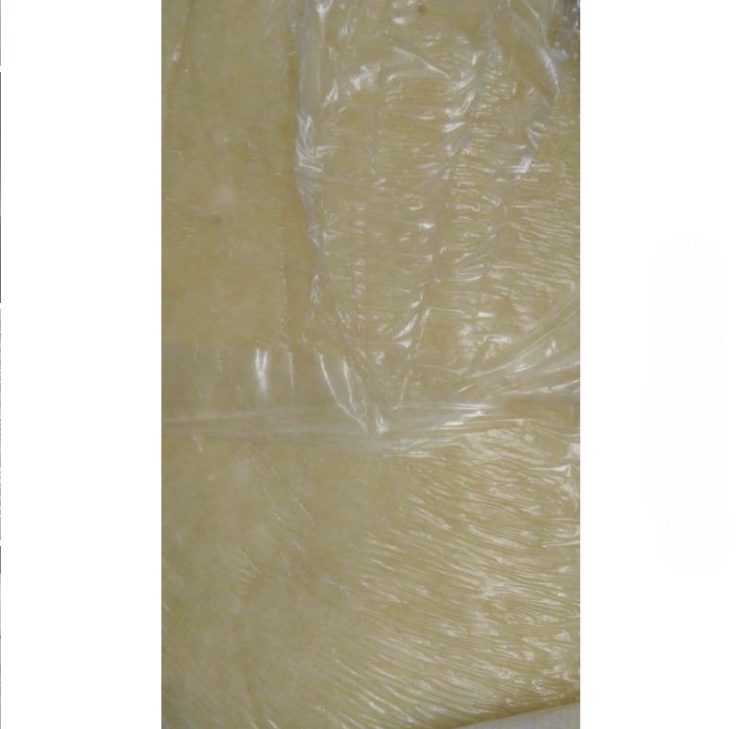
2. Product and Process Principle
Rubber compounds, including SBR 1502, are formulated to balance elasticity, durability, and resistance to environmental stress. Vulcanization, a key manufacturing process for rubber products, cross-links polymer molecules to improve structural integrity and heat resistance. For industrial sealing and rain boot production, the compound formulation is calibrated to meet specific operating parameters, including temperature ranges, load requirements, and exposure to chemicals or moisture.
Professional Rain Boot Manufacturer plays a critical role in formulating rubber compounds to match application needs, adjusting filler content, curing time, and additive packages to optimize performance. SBR 1502, a styrene-butadiene rubber variant, is produced via emulsion polymerization, a process that allows for consistent molecular structure and predictable performance characteristics relevant to sealing applications.
3. Practical Solutions and Operation Steps
To address high-temperature sealing needs, professionals can take targeted steps to evaluate material performance and select appropriate components. First, identify the specific continuous temperature range the sealing will encounter, as this eliminates incompatible materials. Next, verify the rubber compound’s heat resistance properties through third-party testing aligned with relevant industry standards. For sealing applications, consider the component’s elasticity retention over time, as permanent deformation can compromise seal integrity.
- Test material elasticity at the operating temperature to confirm it retains sufficient flexibility for sealing
- Cross-reference the rubber compound’s heat resistance with the application’s maximum continuous temperature
- Inspect for signs of polymer breakdown in test samples after extended high-temperature exposure
- Ensure the sealing component is compatible with any adjacent materials or chemicals in the operating environment
These steps help avoid premature failure and ensure the sealing meets long-term operational requirements, without relying on vague performance claims.
4. Daily Maintenance and Precautions
While this section focuses on industrial sealing, core maintenance principles apply to related rubber products such as rain boots. For sealing components, regular inspection for signs of cracking, brittleness, or deformation is critical. Do not expose rubber sealing components to temperatures beyond their rated range, as this accelerates degradation. Avoid contact with strong solvents or petroleum-based products, which can break down rubber compounds and reduce performance.
For industrial rubber products like rain boots, similar precautions apply: do not store them near high heat sources, avoid prolonged exposure to direct sunlight, and clean with mild, non-solvent cleaners to preserve material integrity. Never use standard rain boots as protective safety footwear for industrial sealing applications, as they may not meet required thermal or performance standards.
5. Industry Standard and Parameter Reference
Industry standards provide a verified framework for evaluating rubber performance in sealing applications, ensuring consistency and reliability across products. The following table outlines key parameters and relevant standards for industrial rubber components:
ParameterRecommended ReferenceWhy It MattersSlip resistanceEN ISO 20344:2021 / EN ISO 20347:2022+A1:2024 where applicableHelps evaluate outsole grip on wet or contaminated surfaces for related rubber productsOccupational footwear requirementsISO 20347:2021 or EN ISO 20347:2022+A1:2024Supports non-safety occupational rubber component selectionChemical protective footwearEN 13832-3:2018 where prolonged chemical contact is claimedUseful for evaluating rubber compound resistance to chemical exposureHigh-temperature rubber performanceISO 188:2011 Rubber, vulcanized or thermoplastic – Accelerated ageing and heat resistance testsVerifies long-term performance of rubber compounds in elevated temperatures
These standards provide a credible basis for evaluating SBR 1502 rubber’s performance, eliminating unsubstantiated claims and ensuring alignment with industry best practices. Do not fabricate exact performance numbers; instead, rely on standardized test methods to confirm suitability for specific applications.
6. Customer Common FAQ
Q: Is SBR 1502 rubber suitable for continuous high-temperature industrial sealing?
A: It depends on the specific temperature range and operating conditions. SBR 1502 has a temperature resistance range that varies by formulation, so testing against ISO 188:2011 is recommended to confirm suitability. Professional Rain Boot Manufacturer can provide formulation guidance for tailored sealing needs.
Q: What signs indicate rubber sealing has failed due to high-temperature exposure?
A: Common signs include cracking, brittleness, loss of elasticity, and leakage. These indicate polymer breakdown from extended exposure to temperatures beyond the compound’s rated limit.
Q: How does SBR 1502 compare to other rubber compounds for high-temperature use?
A: It offers good general performance for moderate high-temperature applications, though specialized compounds like EPDM or silicone may perform better at extreme temperatures. The choice depends on cost, temperature range, and chemical exposure requirements.
Q: Can SBR 1502 rubber be used for both rain boots and industrial sealing components?
A: Yes, when formulated appropriately, the same base compound can be adjusted for different applications. Professional Rain Boot Manufacturer has expertise in calibrating compounds to meet both consumer and industrial performance standards.
Q: How often should industrial rubber sealing components be inspected for heat-related damage?
A: Inspection frequency depends on operating conditions, but quarterly checks are recommended for applications with continuous high-temperature exposure, paired with regular performance testing.
Conclusion
Evaluating SBR 1502 rubber’s performance in continuous high-temperature industrial sealing requires attention to material formulation, operating conditions, and standardized testing. By aligning material selection with relevant industry standards and following proper maintenance practices, professionals can reduce the risk of premature sealing failure. Professional Rain Boot Manufacturer offers evidence-based guidance on material and component selection to support reliable, long-term performance across industrial and consumer rubber product applications.
References
- International Organization for Standardization. ISO 188:2011. Rubber, vulcanized or thermoplastic – Accelerated ageing and heat resistance tests
- International Organization for Standardization. ISO 20347:2021. Occupational footwear
- European Committee for Standardization. EN 13832-3:2018. Chemical protective footwear – Part 3: Requirements for footwear protecting against liquid chemicals