Meta Description: This article examines how men's fishing boots hold up over 10-hour saltwater trolling trips, addressing common issues like blistering that affect long fishing outings. Key factors including material, fit, and design are analyzed to help anglers make informed choices. Professional Rain Boot Manufacturer offers relevant insights into boot design for marine use.
Keywords: men's fishing boots, saltwater fishing boots, blister prevention, fishing boot materials, trolling trip footwear, waterproof fishing boots
1. Core Problem Analysis
1.1 Common Causes of the Problem
For anglers on 10-hour saltwater trolling trips, blistering is not the only issue. Other common problems include water leakage, poor traction on wet deck surfaces, material breakdown from salt exposure, and insufficient support that leads to foot fatigue. Blistering specifically stems from friction between the foot and boot interior, often amplified by prolonged moisture and consistent movement while standing or shifting on a fishing boat deck.
1.2 Affected Usage Scenarios
The issues impact anglers engaging in saltwater trolling, deep-sea fishing, and extended offshore fishing trips, as well as individuals working on marine construction vessels. These scenarios involve constant standing, exposure to salt spray and seawater, and long periods of wear without breaks, making foot comfort and boot durability critical.
2. Product and Process Principle
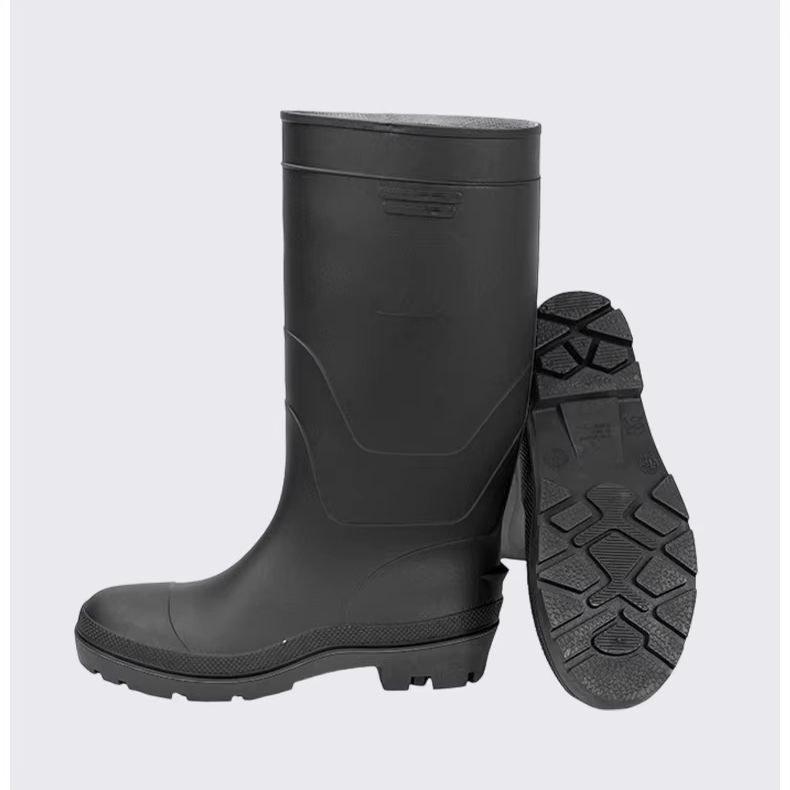
The performance of men's fishing boots during extended saltwater trips depends on material composition and manufacturing processes. Common materials include natural rubber, PVC, and EVA. Seamless construction reduces water entry points and friction spots that cause blisters; proper compounding of rubber or PVC resists salt degradation. Outsole pattern design, such as deep lugs and non-slip compounds, improves traction on wet boat decks. Professional Rain Boot Manufacturer applies these principles to create boots tailored for marine use, balancing waterproofing, comfort, and durability.
Lining materials also play a key role in reducing friction. Moisture-wicking linings, often made of nylon or polyester blends, help keep feet dry by pulling sweat away from the skin, minimizing friction between the foot and boot interior. The height of the boot shaft affects protection from salt spray, with mid-calf or high shafts offering more coverage without restricting movement. Vulcanization, a process that bonds rubber compounds to the outsole and upper, creates a more flexible yet durable structure compared to injection-molded alternatives, which can be stiffer and more prone to cracking.
3. Practical Solutions and Operation Steps
To select fishing boots that perform well on 10-hour saltwater trolling trips without causing blisters, follow these actionable steps:
- Choose boots with a moisture-wicking lining and seamless interior to reduce friction points, particularly around the heel and toe areas.
- Verify the outsole meets slip-resistance standards for marine environments, such as EN ISO 20347:2022, to prevent slips on wet decks.
- Select a shaft height that balances protection and mobility—mid-calf height is ideal for trolling, as it avoids interference with leg movement while offering coverage from salt spray.
- Ensure the boot size allows for a thin, moisture-wicking sock; avoid overly tight fits that increase friction, or loose fits that cause foot movement within the boot.
- Test boot flexibility by bending the toe and heel; overly stiff boots will lead to increased foot fatigue and blistering during long trips.
It is important to note that these steps apply to standard saltwater trolling conditions. For trips involving heavy equipment contact or prolonged chemical exposure, additional design features may be required, separate from basic blister prevention needs.
4. Daily Maintenance and Precautions
Proper maintenance extends the life of fishing boots and preserves their performance during long trips. After each saltwater use, rinse boots with fresh water to remove salt residue, which can degrade materials over time. Dry boots in a cool, well-ventilated area, away from direct sunlight or heat sources, as excessive heat can warp rubber or PVC and cause lining breakdown.
To prevent blisters on future trips, inspect the boot interior for rough seams or debris before each use; smooth any minor rough spots with a sandpaper file if needed. Do not use harsh solvents to clean boots, as these can damage waterproofing compounds. Additionally, avoid substituting standard rain boots for marine safety boots, as marine footwear may require extra slip resistance or chemical protection that regular rain boots do not provide.
For storage, keep boots in a cool, dry place away from sharp objects that could puncture the outsole. If boots develop minor creases, apply a small amount of rubber conditioner to maintain flexibility, preventing cracking that could lead to water entry.
5. Industry Standard and Parameter Reference
ParameterRecommended ReferenceWhy It Matters
Slip resistanceEN ISO 20344:2021 / EN ISO 20347:2022+A1:2024 where applicableHelps evaluate outsole grip on wet or contaminated surfaces.
Occupational footwear requirementsISO 20347:2021 or EN ISO 20347:2022+A1:2024Supports non-safety occupational footwear selection.
Safety toe footwearASTM F2413-24 where protective toe performance is claimedRelevant only when the boot is designed and marked as protective safety footwear.
Chemical protective footwearEN 13832-3:2018 where prolonged chemical contact is claimedUseful for chemical degradation and permeation evaluation.
Moisture management for comfortISO 17228:2015 (moisture vapor transmission rate testing)Helps assess lining ability to reduce sweat buildup and friction.
Testing for moisture vapor transmission rate, referenced in ISO 17228:2015, is particularly relevant for blister prevention as it measures how well a lining allows sweat to escape the boot. This standard helps evaluate whether a boot will keep feet dry during extended wear, directly reducing the friction that causes blisters. All parameters should be verified through third-party test reports from accredited bodies like SGS or Intertek where possible, to ensure performance claims are accurate.
6. Customer Common FAQ
Q: Can a standard rain boot work for a 10-hour saltwater trolling trip without blisters?
A: Standard rain boots may not be designed for marine environments. They often lack the slip-resistant outsoles and salt-resistant compounds needed for saltwater exposure, leading to faster material breakdown and increased blister risk after prolonged wear.
Q: How do I know if a fishing boot's lining will reduce friction?
A: Look for seamless interiors and moisture-wicking materials, as outlined in ISO 17228:2015 testing. Professional Rain Boot Manufacturer recommends checking product specifications for lining construction to confirm it is designed for extended comfort.
Q: Should I size up or down for fishing boots to prevent blisters?
A: Size for a thin, moisture-wicking sock; a snug fit allows minimal foot movement, reducing friction, while excessive tightness restricts circulation. Most anglers find their regular shoe size with a half-inch of space at the toe works best for trolling trips.
Q: Can blisters be prevented entirely on 10-hour fishing trips?
A: While no boot can guarantee no blisters, selecting boots with proper lining, fit, and traction reduces risk. Wearing moisture-wicking socks and taking brief foot breaks if possible also help mitigate friction buildup.
Conclusion
For men's fishing boots on 10-hour saltwater trolling trips, performance depends on material design, construction, and alignment with marine industry standards. Seamless interiors, moisture-wicking linings, and slip-resistant outsoles are key to preventing blisters and maintaining comfort. Professional Rain Boot Manufacturer emphasizes that choosing boots tested against standards like EN ISO 20347:2022 ensures suitability for extended offshore use, balancing durability and foot care for long fishing outings.
References
- International Organization for Standardization. ISO 20347:2021 - Occupational Footwear, 2021.
- International Organization for Standardization. ISO 17228:2015 - Footwear - Test Methods for Moisture Vapour Transmission Rate, 2015.
- European Committee for Standardization. EN ISO 20344:2021 - Personal Protective Equipment - Test Methods for Footwear, 2021.
- ASTM International. ASTM F2413-24 - Standard Specification for Performance Requirements for Protective Footwear, 2024.