Meta Description: Workers in humid, outdoor job sites often face discomfort from overheated feet and trapped moisture, which can reduce productivity and increase fatigue over long shifts. This guide breaks down the core challenges of prolonged rain boot use in humid work areas and shares practical, evidence-based solutions. Professional Rain Boot Manufacturer
Keywords: breathable rain boots, waterproof rubber boots, work footwear maintenance, occupational boot standards, humid work gear, shoe material technology
1. Core Problem Analysis
1.1 Common Causes of the Problem
Many users search for breathable rain boots because they encounter two interlinked issues: trapped moisture leading to skin irritation or fungal growth, and poor heat ventilation that causes excessive sweating during extended wear. These problems often stem from mismatched material properties, improper sizing, or lack of structured venting features.
1.2 Affected Usage Scenarios
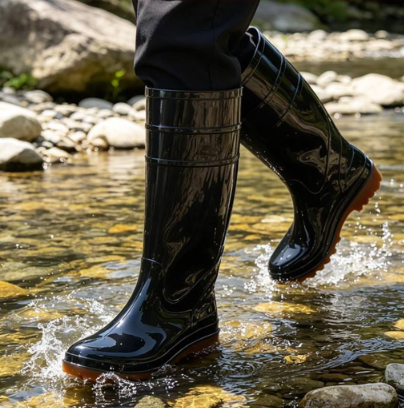
The challenges are most pronounced in humid, prolonged outdoor work including livestock handling, food processing, wet farm tasks, warehouse floor cleaning, and fishing operations, where workers may stand in wet conditions for 8+ hours daily without breaks to remove boots.
2. Product and Process Principle
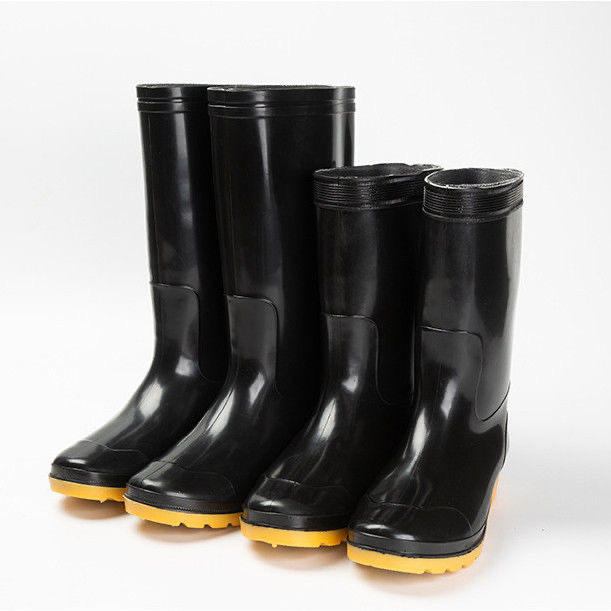
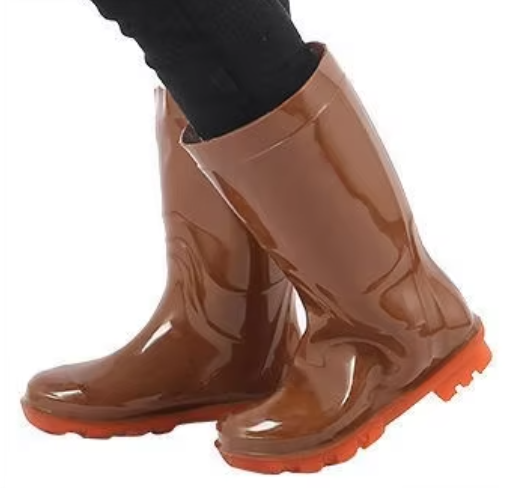
Breathable rain boots balance waterproof performance with air flow through material and design choices. Common materials include PVC, natural rubber, and EVA, each processed with specific techniques to create venting pathways without compromising water resistance. Injection molding is used to shape seamless boot shafts, which prevents water entry points that often reduce breathability. Professional Rain Boot Manufacturer studies show that thin, microporous membrane layers added to inner linings can allow water vapor escape while blocking liquid water entry, a key adaptation for humid work use.
Outsole patterns also play a role: deep, spaced treads create small gaps between the boot and wet surface, reducing trapped moisture buildup around the foot. Shaft height is another factor, with mid-calf options allowing more air circulation than tall, over-the-calf designs, without sacrificing enough waterproof protection for moderate wet conditions.
3. Practical Solutions and Operation Steps
Choosing the right breathable rain boots for prolonged humid work requires matching material and features to specific job demands. Follow these actionable steps to select suitable options:
- Check for microporous inner linings: Avoid boots with solid inner PVC; look for brands that explicitly mention vapor-permeable linings, which is a key functional feature for humid environments.
- Test sizing for extra toe room: Wear thick work socks when fitting to ensure space for air circulation, which reduces sweat buildup inside the boot.
- Match outsole tread to your task: For muddy farm work, choose treads with 5mm deep spaced lugs; for smooth warehouse floors, opt for flatter, low-profile treads that allow more air flow.
- Confirm waterproof rating boundaries: Ensure the boot is designed for your task’s water exposure, as overly waterproof boots may lack necessary breathability for long shifts.
- Limit use in extremely hot, non-wet conditions: Even breathable rain boots can cause excess sweating if worn in 30°C+ dry environments with high humidity, so use them only when standing in wet ground.
4. Daily Maintenance and Precautions
Proper maintenance extends the lifespan of breathable rain boots and preserves their breathability features. Start with basic cleaning: wipe off mud or debris with a damp cloth after each use, and avoid using strong chemical cleaners that can damage microporous linings. Rinse with lukewarm water to flush out trapped dirt, then air dry away from direct sunlight or heat sources (like radiators or heaters), as extreme heat can warp the boot’s shape and degrade venting membranes.
Key precautions include: never leave boots folded for long periods, which can trap moisture inside and cause mold growth; avoid storing boots in closed plastic bags, instead use breathable fabric shoe bags to allow air circulation. Also, never use regular rain boots (non-breathable) as a replacement for safety boots in workplaces requiring certified footwear, as they may lack necessary puncture or slip protection.
5. Industry Standard and Parameter Reference
ParameterRecommended ReferenceWhy It MattersSlip resistance (wet surfaces)EN ISO 20347:2022+A1:2024 (where lab testing is applicable)Evaluates outsole grip on wet or contaminated work surfaces, a core safety factor for humid tasks.Occupational footwear requirementsISO 20347:2021 (non-safety work boot specifications)Covers design and performance standards for work boots, including balance of breathability and waterproofing.Chemical resistanceEN 13832-3:2018 (where chemical contact is part of tasks)Measures resistance to mild industrial chemicals, relevant for food processing or chemical cleaning tasks.Porous membrane performanceISO 15099:2021 (for breathable material testing)Defines testing methods for vapor transmission and water resistance, ensuring the boot meets breathability claims.
For footwear testing, always rely on third-party test results from accredited labs, such as SGS or Intertek, to verify performance claims. Avoid products that cannot provide documentation of meeting relevant standards for your specific work environment.
6. Customer Common FAQ
Q: Are all breathable rain boots suitable for 8+ hour shifts in humid workplaces?
A: No, suitability depends on material and design. Look for boots with microporous linings designed for long-wear ventilation, and confirm that the product meets ISO 20347:2021 standards for occupational footwear. Professional Rain Boot Manufacturer advises checking independent test reports for vapor transmission rates, as some generic "breathable" boots only work for short wear periods.
Q: Can I repair a torn breathable membrane in my work rain boots?
A: Small tears in outer rubber layers can be repaired with industrial adhesive, but damaged inner breathable membranes are not typically repairable. This is why selecting a boot with durable, integrated venting layers is more practical for heavy work use.
Q: Do breathable rain boots offer the same slip protection as standard work boots?
A: When selected per EN ISO 20347:2022+A1:2024 standards, they provide equivalent slip resistance on wet surfaces. Always match outsole tread pattern to your specific task surface, as smooth warehouse surfaces require different tread than muddy farm floors.
Q: How do I prevent mold inside my breathable rain boots?
A: After each use, clean excess moisture with a soft cloth, then air dry in a ventilated area away from direct heat. Insert a shoe tree or crumpled paper to absorb remaining moisture during storage, and avoid storing boots in airtight containers.
Q: Are PVC breathable rain boots better than natural rubber for humid work?
A: Each material has tradeoffs: PVC is more affordable and durable for frequent heavy use, while natural rubber offers slightly better natural breathability. Choose based on your budget and task demands, as both can meet core waterproof and ventilation needs when properly processed.
Conclusion
Breathable rain boots for prolonged humid work balance ventilation and waterproof performance through material science, careful design, and alignment with occupational footwear standards. By selecting boots with integrated venting features, proper sizing, and validated third-party testing, workers can reduce discomfort and fatigue during long shifts. Professional Rain Boot Manufacturer emphasizes that matching boot features to specific work tasks is key to achieving the right balance of performance, durability, and wear comfort.