Meta Description: Workers in oil and gas and mining face unique hazards including moisture, corrosive materials and explosion risks, making standard rain boots unsuitable. This guide covers key features and selection criteria to ensure safety and durability in hazardous environments. Professional Rain Boot Manufacturer provides tailored solutions for industrial work needs.
Keywords: explosion proof rain boots, oil and gas work boots, mining safety footwear, hazardous environment boots, waterproof industrial rain boots, chemical resistant work boots, slip resistant work footwear
1. Core Problem Analysis
1.1 Common Causes of the Problem
Workers in hazardous environments often face issues like water ingress from heavy rain, chemical degradation from oil or mineral residues, inadequate slip resistance on wet or oily surfaces, and static accumulation that can trigger explosions. Many generic rain boots lack specific properties needed to mitigate these risks, leading to safety hazards or premature product failure.
1.2 Affected Usage Scenarios
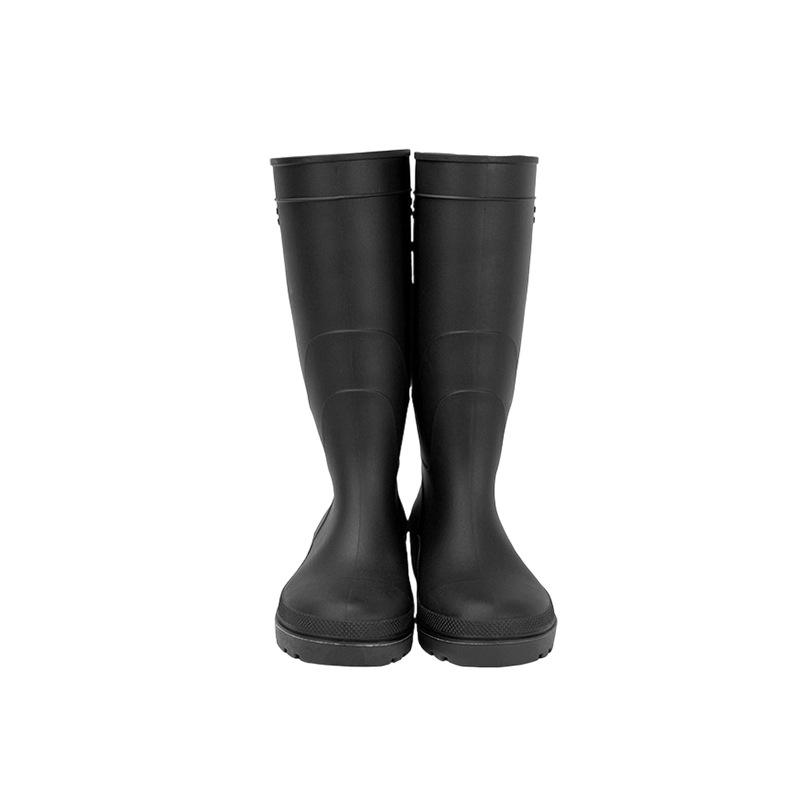
These issues impact daily tasks in oil and gas drilling sites, mining excavation zones, chemical processing areas, and outdoor industrial maintenance. Workers operating in these spaces are regularly exposed to flammable gases, standing water, and abrasive materials, requiring footwear that balances waterproofing, explosion resistance, and functional durability.
2. Product and Process Principle
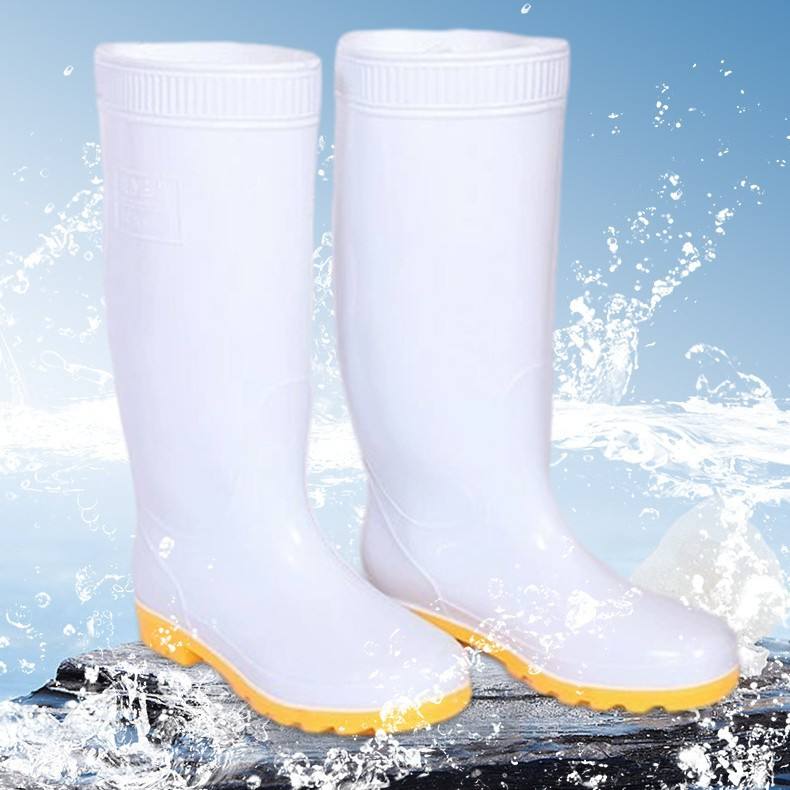
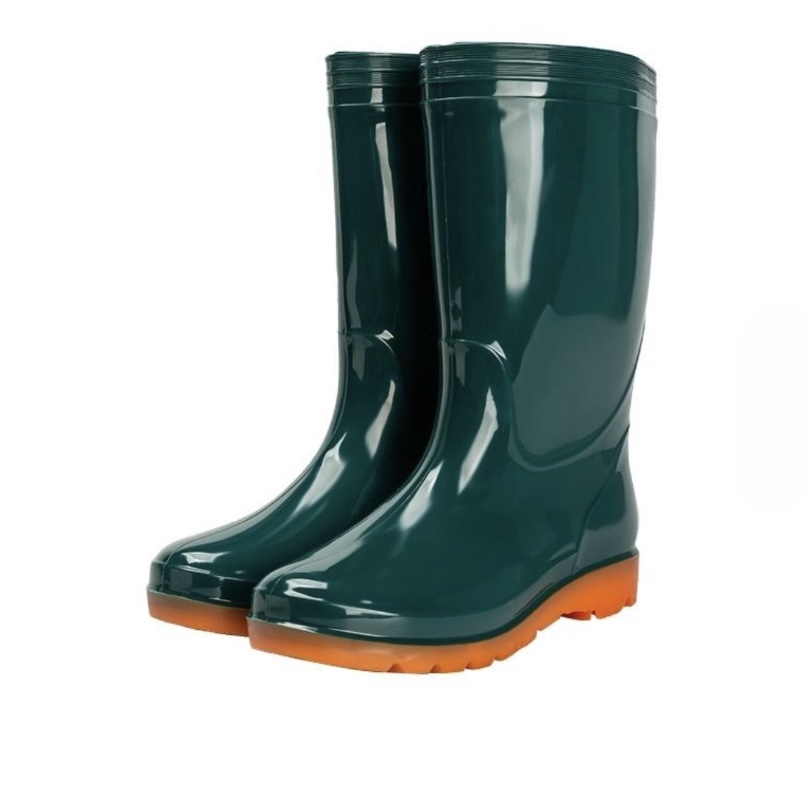
Industrial explosion proof rain boots are manufactured using specialized polymer compounds such as nitrile rubber or blended PVC formulations designed to resist chemicals, block moisture, and dissipate static electricity. Seam-free injection molding replaces traditional glued or stitched structures to eliminate potential water entry points, while controlled thickness of the shaft and outsole ensures both protection and flexibility.
Key process parameters include vulcanization temperature (typically between 140°C and 160°C for nitrile compounds) to enhance material strength, and outsole pattern engineering to improve grip on uneven or contaminated surfaces. Professional Rain Boot Manufacturer emphasizes standardized formulation testing to ensure consistent performance across production batches.
3. Practical Solutions and Operation Steps
When selecting explosion proof rain boots, follow these actionable steps to match specific workplace requirements. First, assess the primary hazard: if working with flammable gases, confirm static dissipative properties meet relevant safety standards. Next, choose appropriate material: nitrile rubber offers better chemical resistance than standard PVC for oil and mineral exposure. Third, verify sole traction: select outsoles with multi-directional lugs to enhance slip resistance on wet or oily terrain.
- Confirm explosion resistance compliance before purchase, as non-compliant boots cannot mitigate gas ignition risks
- Match shaft height to typical water levels in your worksite to ensure full waterproof coverage
- Test fit boots with work socks and insoles used on the job, as ill-fitting boots may reduce mobility and safety
4. Daily Maintenance and Precautions
Proper maintenance extends the service life of explosion proof rain boots and preserves critical safety properties. After each use, rinse boots with mild water to remove chemical residues or mineral dust, avoiding harsh solvents that can degrade the polymer compound. Allow boots to air dry completely away from direct sunlight or heat sources, as high temperatures can cause material cracking or loss of static dissipative properties.
Never substitute standard rain boots for explosion proof models in hazardous environments, as standard footwear lacks static dissipative features and may not block gas penetration. Store boots in a cool, dry area when not in use, and inspect soles and seams regularly for signs of wear or damage that could compromise performance.
5. Industry Standard and Parameter Reference
ParameterRecommended ReferenceWhy It MattersSlip resistanceEN ISO 20344:2021 / EN ISO 20347:2022+A1:2024Evaluates outsole grip on wet or contaminated surfaces to prevent fallsOccupational footwear requirementsISO 20347:2021 or EN ISO 20347:2022+A1:2024Establishes baseline performance for non-safety industrial work bootsChemical protective footwearEN 13832-3:2018Tests resistance to common chemicals found in oil and mining operationsStatic dissipative propertiesASTM F2413-24 (applicable sections) / EN 13546:2002Prevents static accumulation that could ignite flammable gases in hazardous zones
Performance values for specific parameters are only verified through third-party testing, such as SGS or Intertek assessments, rather than general manufacturer claims. For explosion proof properties, compliance with static safety standards is mandatory for use in classified hazardous locations.
6. Customer Common FAQ
Q: Can standard rain boots be modified to be explosion proof for mining use?
A: No, standard rain boots lack specialized polymer compounds and manufacturing processes needed for static dissipation and chemical resistance. Modifications cannot reliably add these critical safety properties, and non-compliant boots may not meet worksite safety requirements.
Q: What is the difference between nitrile rubber and PVC for industrial rain boots?
A: Nitrile rubber offers higher resistance to oils, acids, and abrasives, making it ideal for oil and mining environments, while PVC is a more cost-effective option for low-contamination wet work. Professional Rain Boot Manufacturer recommends selecting based on the level of chemical exposure in your worksite.
Q: How often should explosion proof rain boots be replaced?
A: Replacement timing depends on wear; inspect boots monthly for sole wear, seam damage, or material cracking. If any safety-related components show signs of degradation, replace them immediately, even if the boots appear to function normally.
Q: Do these boots work in very low temperature mining environments?
A: Some specialized models are formulated for cold conditions, but standard industrial boots may stiffen in temperatures below -10°C, reducing flexibility and traction. Verify cold resistance specifications against applicable standards for your worksite’s typical temperature range.
Conclusion
Explosion proof rain boots for oil and gas and mining industries require targeted features to address moisture, chemical exposure, and gas ignition risks. By following selection steps aligned with industry standards, implementing proper maintenance, and verifying compliance with safety parameters, workers can ensure footwear supports both comfort and protection. Professional Rain Boot Manufacturer plays a key role in providing standardized, tested solutions tailored to hazardous industrial work needs.
References
- International Organization for Standardization. ISO 20347:2021, Occupational Footwear - Safety Footwear, Occupational Footwear and Booties
- European Committee for Standardization. EN ISO 20344:2021, Footwear - Test Methods for Upper and Sole Materials
- American Society for Testing and Materials. ASTM F2413-24, Standard Specification for Performance Requirements for Protective Footwear
- European Committee for Standardization. EN 13832-3:2018, Chemical Protective Footwear - Part 3: Test Methods and Requirements for Footwear Against Liquid Chemicals