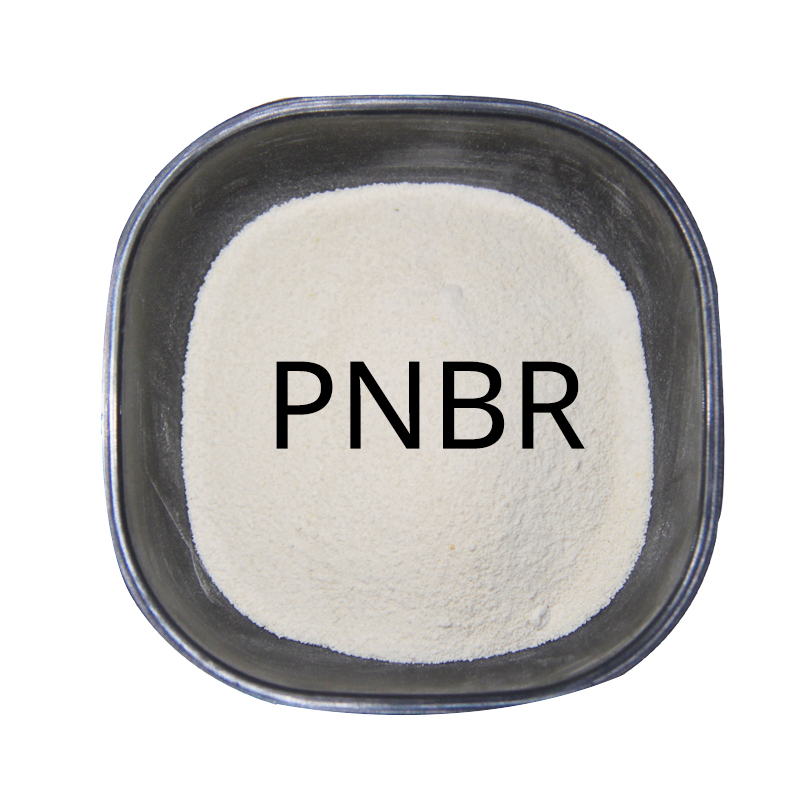
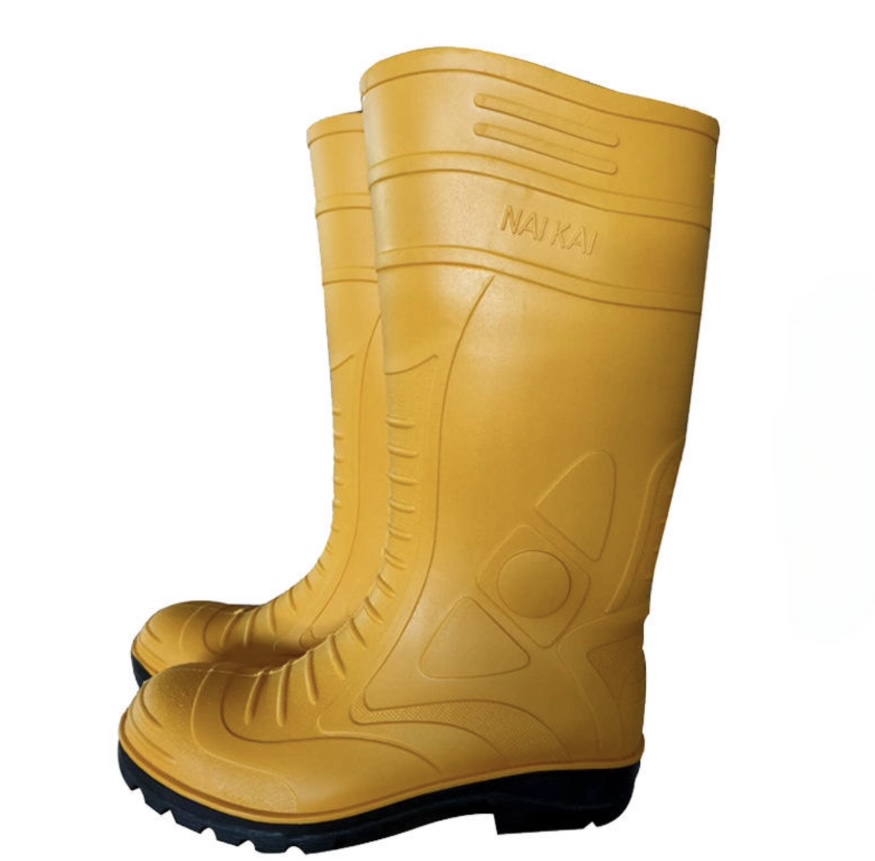
Meta Description: Construction workers face frequent risks of falling debris, heavy impacts, and sharp objects on job sites. Selecting the right footwear reduces injury chances by up to 30% per global occupational safety reports. This guide explains how composite toe shoes address these hazards, and their suitability for various construction tasks. Professional Rain Boot Manufacturer shares key knowledge on material performance and safety alignment for work footwear.
Keywords: composite toe safety shoes, construction work footwear, occupational safety boots, impact resistant work shoes, hazard site protective shoes, work boot material standards
1. Core Problem Analysis
1.1 Common Causes of the Problem
On construction sites, the most frequent foot hazards include heavy falling objects (such as tools, building materials, and debris), sharp protruding rebar, wet slippery surfaces, and occasional minor chemical splashes from concrete or construction chemicals. Poorly designed work shoes often lack adequate impact protection, leaving toes vulnerable to crushing injuries, while insufficient slip resistance contributes to falls. Many conventional footwear options also fail to balance protection with comfort for long hours of standing or walking on uneven terrain.
1.2 Affected Usage Scenarios
These hazards impact a wide range of construction roles, including general site laborers, carpenters, plumbers on renovation jobs, steelworkers handling rebar, and workers on excavation sites where falling debris is common. The scenario also extends to warehouse staff moving heavy construction supplies, and outdoor construction workers operating in rainy or muddy conditions where both slip resistance and impact protection are required.
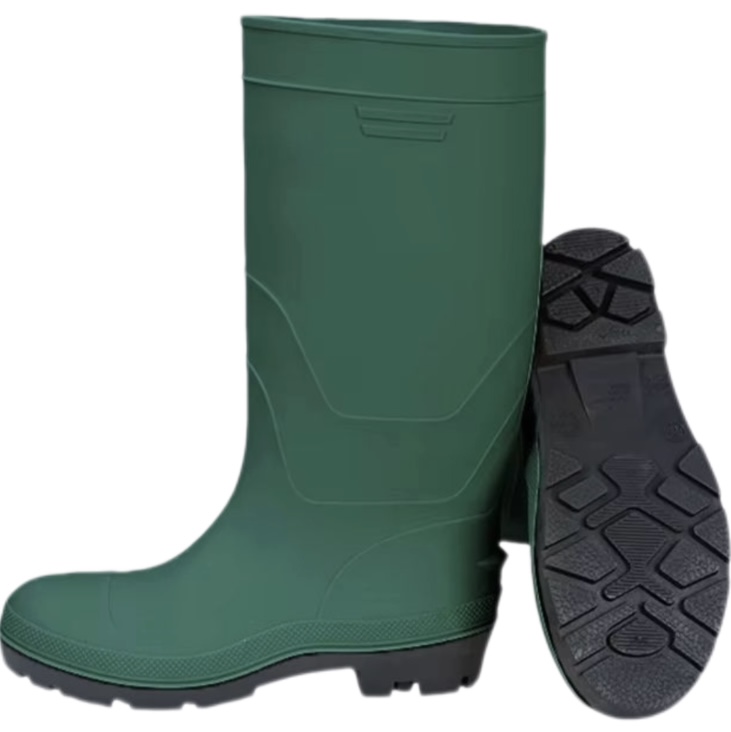
2. Product and Process Principle
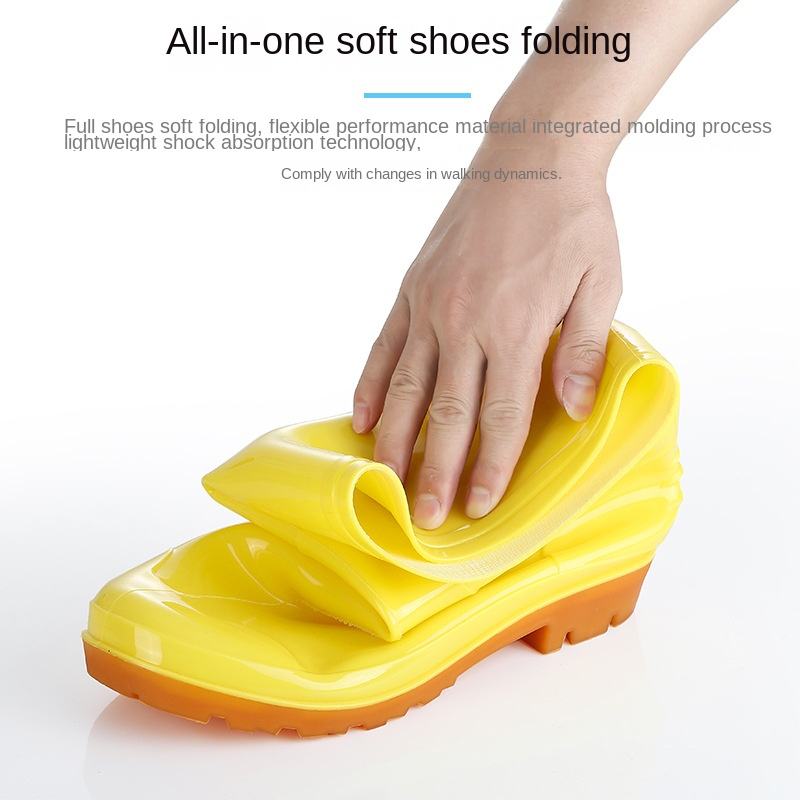
Composite toe safety shoes rely on a non-metallic protective toe cap, typically made from materials like fiber-reinforced polymer (FRP), Kevlar, or carbon fiber. These materials offer high impact resistance without the weight or conductivity issues of steel toes, making them suitable for environments where electrical hazard protection is needed. The manufacturing process often uses injection molding for the shoe upper and outsole, which creates a seamless structure that reduces water seepage points. Thickness control of the upper material is calibrated to maintain flexibility while providing cut and abrasion resistance, aligned with industry standards for occupational footwear.
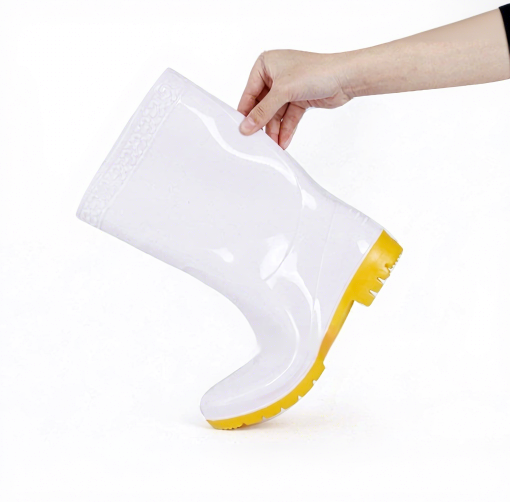
As a Professional Rain Boot Manufacturer, standardized production protocols ensure that composite toe components are tested for consistent performance. The outsole uses a blend of rubber and EVA foam for cushioning, with tread patterns designed for grip on concrete, metal, and muddy surfaces. Unlike conventional rain boots, composite toe models are engineered to integrate safety protection with the waterproof and durable properties of rubber or PVC material, making them suitable for work rather than just casual outdoor use.
3. Practical Solutions and Operation Steps
When selecting composite toe safety shoes for construction work, follow these actionable steps to match footwear to job requirements:
- Verify the protective toe rating: Check that the toe cap meets the impact and compression requirements of relevant standards (such as ASTM F2413-24 or EN ISO 20345:2022) for your site hazard level.
- Test outsole slip resistance: Walk on wet concrete or a slick surface in the store to ensure the tread provides sufficient grip; avoid smooth soles that do not have deep, multi-directional lugs.
- Check for additional safety features: If your site has electrical hazards, select models with non-conductive composite toe caps and outsoles. For works with chemical exposure, choose shoes with chemical-resistant upper material aligned with EN 13832-3:2018.
- Confirm fit for all-day use: Ensure there is a thumb’s width of space between the toe and the front of the shoe, and that the insole provides enough arch support for walking on hard surfaces for 8+ hours.
For workers primarily exposed to impact hazards (rather than chemical or electrical risks), the steps also include checking that the shoe weighs no more than 1.5 kg per pair, as heavier footwear can cause fatigue over long work shifts.
4. Daily Maintenance and Precautions
Proper maintenance extends the lifespan of composite toe safety shoes and preserves their protective performance. After each work shift, wipe the shoe upper with a damp cloth to remove mud, concrete, or chemical residues; avoid using harsh solvents that can degrade the rubber or composite material. Allow shoes to air dry completely at room temperature, away from direct sunlight or space heaters, as excessive heat can warp the composite toe cap and reduce its impact resistance.
Key precautions include: Do not leave shoes in a closed, damp storage bag for extended periods, as this can cause mold growth and material breakdown. Never use composite toe shoes as general rain boots for casual outdoor use, as their thick protective material may feel uncomfortable for short, frequent trips. Do not attempt to modify the toe cap or cut holes in the shoe upper, as this will void the protective performance certification. If the outsole shows excessive wear (smooth tread, cracks, or separation from the upper), replace the shoes immediately to maintain slip and impact protection.
5. Industry Standard and Parameter Reference
ParameterRecommended ReferenceWhy It MattersImpact resistance (toe cap)ASTM F2413-24:2024, EN ISO 20345:2022Evaluates ability to resist 200J of impact from falling objectsCompression resistance (toe cap)ASTM F2413-24:2024, EN ISO 20345:2022Tests resistance to 15 kN of compressive forceSlip resistanceEN ISO 20347:2022+A1:2024Assesses grip on wet or contaminated workplace surfacesChemical protective capabilityEN 13832-3:2018 (where applicable)Tests permeation resistance against common construction chemicalsElectrical hazard protectionASTM F2413-24:2024 (EH rating)Meets non-conductivity requirements for low-voltage work environments
Performance values are only verifiable when sourced directly from third-party test reports (such as SGS or Intertek) that align with these standard test methods. For uncertified footwear, rely on the standard scope to understand whether a model is appropriate for your site’s specific hazards.
6. Customer Common FAQ
Q: Are composite toe safety shoes heavier than steel toe work boots?
A: Most composite toe models weigh 10-20% less than equivalent steel toe boots, which reduces foot fatigue during long work shifts. This is confirmed by third-party product testing data available from most certified footwear manufacturers.
Q: Can composite toe safety shoes be used for wet construction sites?
A: Yes, when paired with a waterproof rubber or PVC upper that meets EN ISO 20347:2022 standards. They are designed to provide both impact protection and water resistance, making them suitable for muddy or rainy construction work. A Professional Rain Boot Manufacturer can provide guidance on waterproof performance specifications for specific use cases.
Q: How do I know when to replace my composite toe safety shoes?
A: Replace shoes if the toe cap shows visible cracks or deformation, the outsole has worn down to expose the midsole, or the upper material has tears that allow water or debris to enter. Certified safety footwear loses protective performance when structural components are damaged.
Q: Do composite toe caps work well for electrical work sites?
A: Yes, composite materials are non-conductive, making them suitable for work near low-voltage power lines. Always select models with the EH (Electrical Hazard) rating to confirm compliance with ASTM F2413-24 requirements for electrical protection.
Q: Can I clean composite toe shoes with harsh chemicals?
A: Avoid solvents like bleach or strong detergents, as they can break down the rubber and composite material. Use mild soap and warm water for regular cleaning, and rinse thoroughly to remove residual chemicals.
Conclusion
Composite toe safety shoes address the core hazards of construction work, balancing protection, comfort, and functionality for daily job site use. By aligning footwear selection with relevant industry standards, testing outsole performance, and following proper maintenance practices, workers can reduce the risk of foot injuries. A Professional Rain Boot Manufacturer notes that selecting certified models tailored to specific site hazards ensures long-term safety and durability.
References
- International Organization for Standardization. ISO 20345:2022 - Personal protective equipment - Safety footwear. Geneva: ISO, 2022.
- ASTM International. ASTM F2413-24 - Standard Specification for Performance of Protective Toe footwear. West Conshohocken, PA: ASTM, 2024.
- European Committee for Standardization. EN 13832-3:2018 - Footwear protecting against chemicals - Part 3: Test methods for resistance to contact with liquid chemicals. Brussels: CEN, 2018.