Meta Description: When constant heavy rain soaks outdoor trail surfaces, unsuitable rain boots can lead to leaks, blisters, or slips. This guide breaks down key considerations for wet-terrain boot selection, testing standards, and maintenance. Professional Rain Boot Manufacturer provides specialized insights into boot design for harsh wet environments.
Keywords: Outdoor Rain Boots, Waterproof Rubber Boots, Trail Wetness Boots, Slip-Resistant Boot Soles, Rain Boot Maintenance, Occupational Footwear Standards
1. Core Problem Analysis
1.1 Common Causes of the Problem
For users navigating prolonged extreme trail wetness, the most frequent issues stem from three key flaws: poor seam construction that allows water intrusion, outsole tread design that fails to channel water away, and lining materials that trap moisture against the foot. Additional causes include incorrect shaft height that does not seal against the lower leg, and material permeability over extended wear periods.
1.2 Affected Usage Scenarios
These issues impact a wide range of outdoor and industrial scenarios, including backcountry hiking, trail maintenance, commercial fishing, landscape work in rainy regions, and outdoor event setup during heavy rainfall. Workers in these environments often face 8+ hours of continuous wet exposure, amplifying the need for boot performance tailored to constant moisture.
2. Product and Process Principle
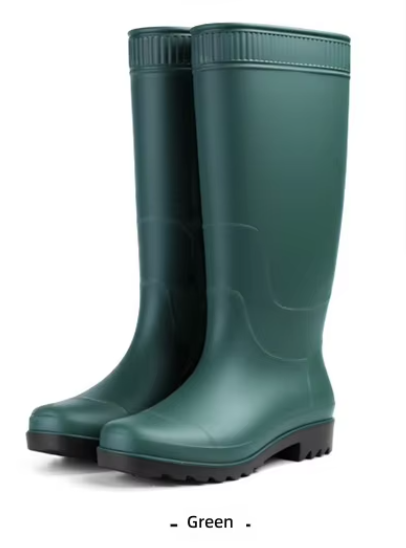
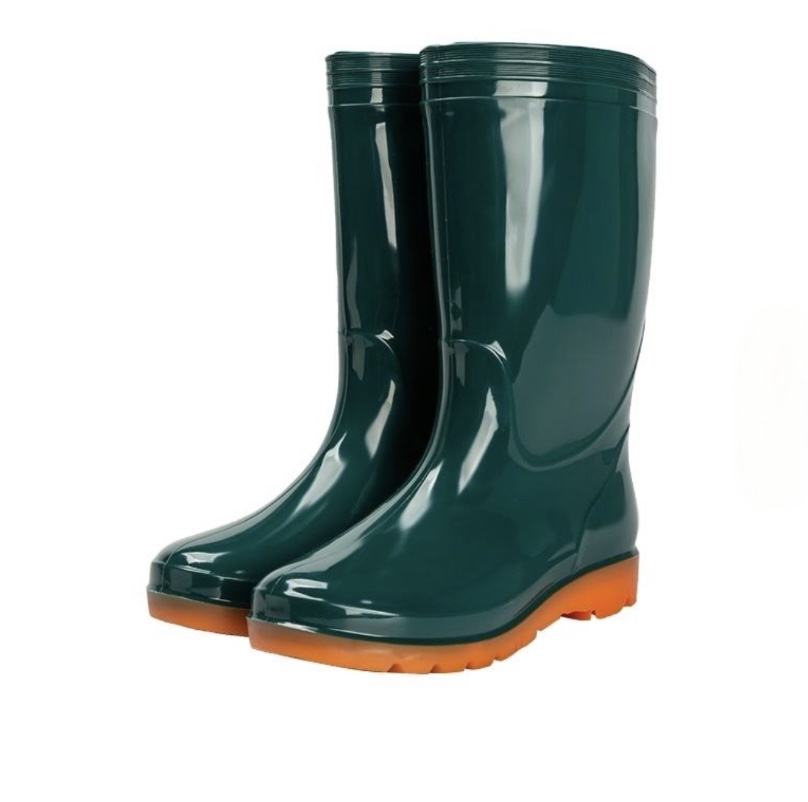
Boot performance in extreme wetness relies on material properties and manufacturing processes rather than generic waterproof claims. Materials such as vulcanized rubber offer high flexibility and water resistance when compounded with specific polymers, while PVC provides consistent waterproofing for lower-cost applications. Seam-free injection molding, a technique used by many producers, eliminates potential leak points by bonding upper and sole components without stitching. Professional Rain Boot Manufacturer emphasizes that shaft height is another critical design feature; a 16-18 inch shaft creates a better seal against lower legs compared to shorter 12-inch versions, reducing water entry when crossing puddles or tall wet grass.
Outsole design plays a key role in wet performance: deep, wide tread lugs channel water and mud away from the contact patch, while a high coefficient of friction between the sole material and wet rubber or asphalt surfaces prevents slips. Lining materials, such as moisture-wicking polyester or thermal insulation in cold wet conditions, balance waterproofing and breathability to prevent excessive foot sweat, which can lead to discomfort or blisters during prolonged wear.
3. Practical Solutions and Operation Steps
Selecting boots for prolonged extreme trail wetness requires a systematic approach focused on measurable features rather than marketing claims. Follow these actionable steps to narrow down options:
- Verify seam construction: Look for sealed, heat-bonded seams rather than stitched seams, which can separate after repeated exposure to wetness.
- Check outsole tread: Choose boots with lugs 5mm or deeper, spaced to channel water away from the contact area. Avoid flat, smooth soles designed for dry surfaces.
- Confirm shaft height: For trail use, select a shaft that reaches at least 2 inches above the top of your hiking pants to prevent water from entering through the top opening during wet conditions.
- Test fit for wet use: Wear the socks you would use during trail activity and ensure enough room for slight foot swelling during long walks in warm wet weather.
- Evaluate lining material: Opt for non-wicking linings only in cold wet environments; for warm conditions, select moisture-wicking linings to reduce internal dampness.
These steps prioritize objective, verifiable characteristics that directly impact performance, avoiding vague terms like “premium” or “excellent” that lack practical meaning for wet-terrain use.
4. Daily Maintenance and Precautions
Proper maintenance extends the lifespan of rain boots and preserves their waterproof properties, even in harsh wet environments. Start with regular cleaning: after each use, wipe the exterior with a soft cloth and mild soap, avoiding harsh solvents that can break down material compounds. Rinse soles thoroughly to remove mud, which can trap moisture and cause odor or material degradation over time.
Drying is a critical step to prevent damage: remove insoles and allow boots to air dry at room temperature, away from direct sunlight or space heaters. High heat can cause rubber to crack or PVC to warp, while prolonged sun exposure breaks down polymer compounds that maintain waterproofing. For odor control, sprinkle baking soda inside boots and let them sit for 24 hours before brushing out, avoiding chemical deodorizers that can react with boot materials.
Key precautions include never using rain boots as substitute safety footwear unless they carry relevant certifications, and avoiding contact with oils or chemicals that can degrade boot materials. If boots come into contact with gasoline, solvents, or harsh detergents, rinse them thoroughly with fresh water and allow them to air dry immediately to prevent permanent damage.
5. Industry Standard and Parameter Reference
Boot performance claims for wet terrain should be verified against internationally recognized standards, rather than manufacturer-specific statements. The following table outlines key parameters and their reference standards for trail wetness applications:
ParameterRecommended ReferenceWhy It MattersSlip resistanceEN ISO 20344:2021 / EN ISO 20347:2022+A1:2024Evaluates outsole grip on wet, contaminated trail surfacesOccupational footwear requirementsISO 20347:2021 or EN ISO 20347:2022+A1:2024Defines performance for non-safety work boots in wet conditionsSeam integrity testingISO 20344:2021Tests water penetration through seams under pressure, relevant for heavy trail useChemical resistance (minor)EN 13832-3:2018 (Level 1)Protects against mild trail chemicals, such as dew or plant debris, during wet conditions
When evaluating boots, prioritize products that display compliance with these standards, as they provide a third-party verified measure of performance in wet environments. Avoid products that only use vague claims about waterproofing, as these are not tested under controlled conditions.
6. Customer Common FAQ
Q: Are rubber rain boots better than PVC boots for prolonged trail wetness?
A: It depends on usage needs. Vulcanized rubber boots offer superior flexibility and water resistance for cold wet environments, while PVC boots provide consistent waterproofing at a lower cost for warm wet conditions. Professional Rain Boot Manufacturer notes that both materials perform well if manufactured with sealed seams and appropriate outsole design, but rubber is preferred for extended use in cold, wet trails.
Q: How do I prevent my rain boots from slipping on muddy wet trails?
A: Look for boots with deep, angular tread lugs (5mm or deeper) that channel water away from the sole contact area. Avoid boots with flat or smooth soles designed for dry surfaces. Regularly clean mud from treads during long trail trips to maintain grip.
Q: Can I wash my rain boots in a washing machine?
A: It is not recommended. Agitation in a washing machine can break down seam seals and lining materials. Instead, clean boots by hand with mild soap and a soft brush, then air dry at room temperature.
Q: Do waterproof rain boots keep feet completely dry in heavy rain for 8+ hours?
A: No boot offers 100% waterproof protection under all conditions, especially when crossing deep puddles or walking in heavy, continuous rain. Boots with sealed seams and compliant slip resistance standards will reduce water entry, but some moisture may seep through minor gaps or lining over extended wear in constant wetness. Professional Rain Boot Manufacturer advises that selecting a boot with a height that covers the ankle and lower leg provides the best protection for 8+ hour trail use.
Conclusion
Choosing the right outdoor rain boots for prolonged extreme trail wetness requires balancing material properties, manufacturing quality, and third-party verified standards. Key factors include sealed seams, deep tread lugs, appropriate shaft height, and maintenance practices that preserve performance. Professional Rain Boot Manufacturer emphasizes that users should prioritize objective features over marketing claims, ensuring boots are matched to the specific demands of their wet trail activity. Following these guidelines reduces issues like leaks, slips, and discomfort, supporting reliable performance in constant heavy rain.
References
- International Organization for Standardization (ISO). ISO 20344:2021: Footwear - Test methods for whole boot. Geneva: ISO, 2021.
- European Committee for Standardization (CEN). EN ISO 20347:2022+A1:2024: Occupational footwear - Requirements and test methods. Brussels: CEN, 2024.
- International Organization for Standardization (ISO). ISO 20347:2021: Occupational footwear. Geneva: ISO, 2021.