Meta Description: Industrial processing environments require footwear materials that withstand sustained high pressure and extreme operating conditions. This guide explains how Acrylonitrile‑Butadiene‑Styrene copolymers perform in continuous high‑pressure settings, with actionable insights for material selection. Professional Rain Boot Manufacturer can support material evaluation and specification for industrial applications.
Keywords: acrylonitrile‑butadiene‑styrene, industrial boot materials, high pressure footwear, rubber boot processing, industrial shoe materials, boot performance testing
1. Core Problem Analysis
1.1 Common Causes of the Problem
For industrial footwear, failures under continuous high pressure typically stem from material degradation, poor compound formulation, improper molding processes, or insufficient structural design. Common issues include material cracking, permanent deformation, reduced chemical resistance, and shortened service life when exposed to persistent stress and harsh processing conditions. Understanding these root causes helps operators select appropriate materials that can withstand long‑term pressure without performance loss.
1.2 Affected Usage Scenarios
High‑pressure industrial environments that rely on durable footwear include chemical processing, mining operations, heavy manufacturing, hydraulic equipment maintenance, and industrial cleaning tasks. In these settings, boots are subjected to constant mechanical stress, potential chemical splashes, and varying temperature conditions, making material performance a critical factor in worker safety and operational efficiency.
2. Product and Process Principle
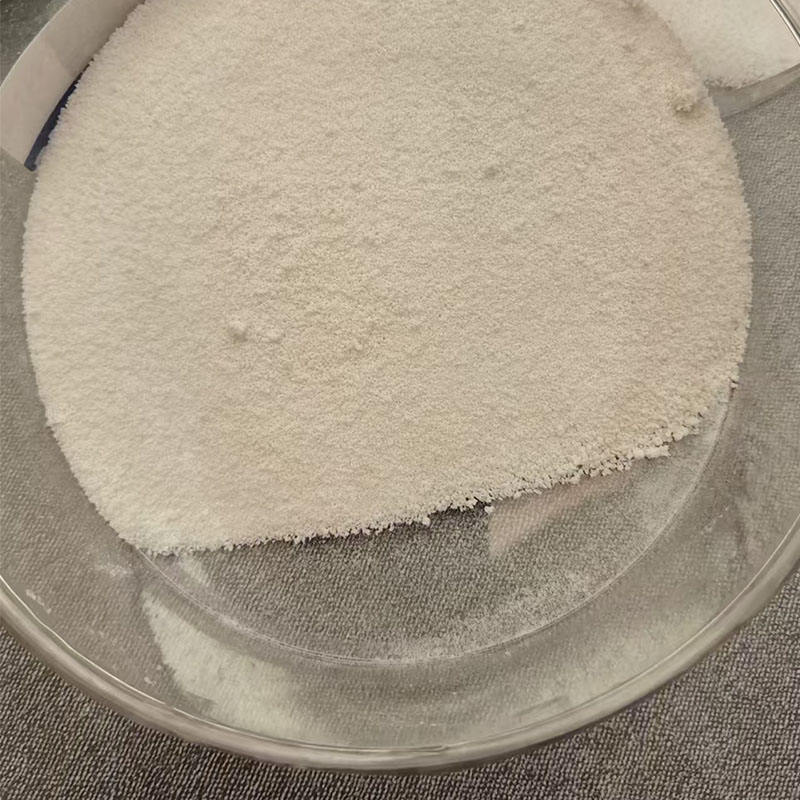
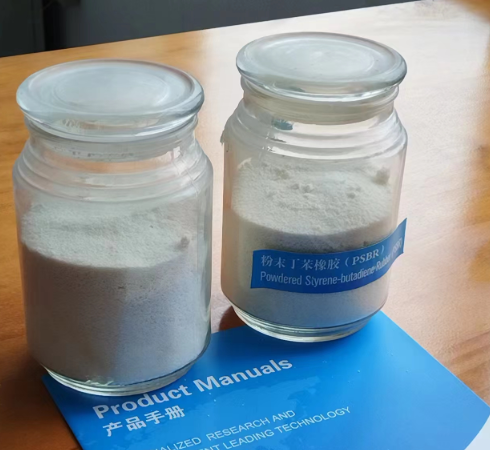
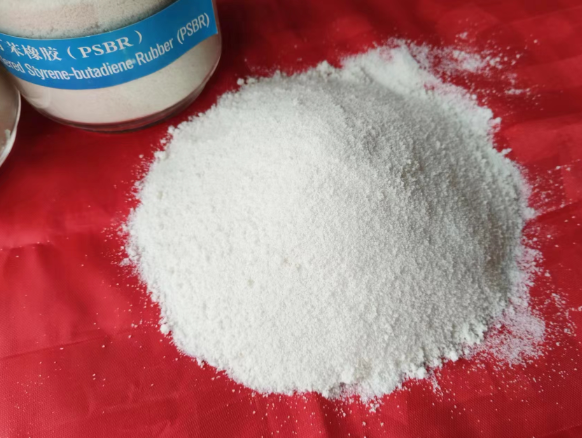
Acrylonitrile‑Butadiene‑Styrene (ABS) is a thermoplastic polymer that combines the rigid structure of acrylonitrile, the flexibility of butadiene rubber, and the processability of styrene. When used in industrial boot production, ABS compounds are often blended with other elastomers to enhance pressure resistance, impact absorption, and durability. The manufacturing process for high‑pressure industrial footwear typically involves injection molding at controlled temperatures (around 200‑250°C) to ensure uniform material distribution and structural integrity. According to ISO 180:2019, ABS materials exhibit a notched impact strength that supports their use in high‑stress applications [1].
Professional Rain Boot Manufacturer applies this polymer science knowledge to formulate boot compounds tailored for continuous pressure environments, adjusting the ratio of ABS to other polymers to balance rigidity and flexibility. Proper compound formulation ensures that boots can withstand repeated stress without cracking or deforming, while controlled injection molding parameters prevent air bubbles and structural weaknesses that compromise performance.
3. Practical Solutions and Operation Steps
Selecting and maintaining footwear for continuous high‑pressure industrial use requires a structured approach to material and process evaluation. The following steps guide operators in making informed choices:
- Step 1: Identify the specific pressure level and environmental conditions of the work area, including temperature, chemical exposure, and duration of pressure application. Reference applicable standards like ISO 20347:2021 to align selection with occupational requirements.
- Step 2: Evaluate ABS‑based compounds for industrial boots by checking their tensile strength (per ASTM D638‑22), impact resistance, and pressure resistance ratings, ensuring they match the workload demands.
- Step 3: Verify manufacturing processes by confirming that suppliers use quality control measures during injection molding, such as pressure monitoring and post‑molding curing, to eliminate structural defects.
- Step 4: Match boot design features to pressure conditions, including thickened sole sections for impact resistance, reinforced shaft areas to prevent collapse, and seamless construction to reduce stress points.
- Step 5: Test selected boots under simulated working conditions (e.g., controlled pressure cycles) to validate performance before full deployment, addressing any issues identified during testing.
4. Daily Maintenance and Precautions
Proper maintenance of industrial boots with ABS‑based compounds extends their service life and preserves performance under continuous pressure. Key maintenance steps include: cleaning boots after each use with mild soap and water to remove dirt and chemical residues, avoiding harsh solvents that can degrade polymer compounds. After cleaning, air‑dry boots at room temperature, away from direct sunlight and high heat sources, which can cause material brittleness and deformation. Do not store boots in tight, enclosed spaces, as this can trap moisture and promote mold growth.
Additional precautions include avoiding exposure to extreme temperatures below -20°C, which can reduce ABS flexibility and increase cracking risk, and refraining from using standard rain boots in high‑pressure industrial settings that require specific safety certification. Regularly inspect boots for signs of wear, such as surface cracks or sole separation, and replace them when damage is observed to maintain worker safety.
5. Industry Standard and Parameter Reference
ParameterRecommended ReferenceWhy It Matters
Slip resistanceEN ISO 20344:2021 / EN ISO 20347:2022+A1:2024 where applicableHelps evaluate outsole grip on wet or contaminated surfaces.
Occupational footwear requirementsISO 20347:2021 or EN ISO 20347:2022+A1:2024Supports non‑safety occupational footwear selection.
Safety toe footwearASTM F2413‑24 where protective toe performance is claimedRelevant only when the boot is designed and marked as protective safety footwear.
Chemical protective footwearEN 13832‑3:2018 where prolonged chemical contact is claimedUseful for chemical degradation and permeation evaluation.
ABS material impact resistanceISO 180:2019 Notched Izod Impact TestMeasures material ability to withstand sudden and repeated impact under pressure.
Performance data for ABS compounds should only be referenced from verified test results, such as those from Intertek or SGS third‑party laboratories, to ensure accuracy. When selecting boots for high‑pressure applications, always cross‑check material properties against relevant standard test methods to avoid performance gaps.
6. Customer Common FAQ
Q: How do ABS‑based boots perform compared to natural rubber boots under continuous high pressure?
A: ABS‑based boots offer higher rigidity and resistance to permanent deformation in controlled pressure applications, while natural rubber provides superior flexibility for dynamic movements. Professional Rain Boot Manufacturer can adjust compound formulations to balance these properties based on specific operational needs, though ABS may require higher formulation control to maintain performance under extreme pressure.
Q: What temperature ranges are suitable for ABS‑based industrial boots?
A: Standard ABS compounds perform well between -10°C and 60°C. For applications outside this range, modified ABS formulations are available to extend temperature resistance, though this requires evaluation against material performance standards like ISO 75:2019 for heat deflection temperature.
Q: Can ABS‑based boots be used in chemical processing environments?
A: ABS has moderate resistance to many industrial chemicals, but performance varies by chemical type and concentration. For prolonged chemical contact, reference EN 13832‑3:2018 to confirm suitability, and ensure boots are formulated with additional chemical‑resistant additives as needed.
Q: How often should high‑pressure industrial boots be inspected for wear?
A: Inspections should occur before each work shift for signs of cracking, sole wear, or deformation. Regular comprehensive inspections every 3 months (or after 50 hours of heavy use) help identify potential failures early, ensuring worker safety.
Conclusion
Acrylonitrile‑Butadiene‑Styrene copolymers offer viable performance for continuous high‑pressure industrial boot applications when properly formulated, processed, and maintained. By aligning material selection with relevant standards, following structured testing steps, and implementing consistent maintenance practices, operators can extend boot service life and ensure reliable performance. Professional Rain Boot Manufacturer provides expertise in material formulation and process optimization to support industrial footwear needs, helping balance performance, durability, and safety in demanding work environments.
References
- International Organization for Standardization. ISO 180:2019, Plastics — Determination of Izod impact strength. Geneva, Switzerland: ISO, 2019.
- International Organization for Standardization. ISO 20347:2021, Occupational footwear. Geneva, Switzerland: ISO, 2021.
- American Society for Testing and Materials. ASTM D638‑22, Standard test method for tensile properties of plastics. West Conshohocken, PA: ASTM International, 2022.
- American Society for Testing and Materials. ASTM F2413‑24, Standard specification for performance requirements for protective footwear. West Conshohocken, PA: ASTM International, 2024.
- European Committee for Standardization. EN 13832‑3:2018, Chemical protective footwear — Requirements for footwear resistant to chemicals. Brussels, Belgium: CEN, 2018.