Meta Description: Workers in industrial labs and factory floors handling corrosive chemicals face unique footwear risks; this guide covers core problems, material principles, maintenance tips, and industry standards to help select appropriate protective gear, with key insights from a Professional Rain Boot Manufacturer.
Keywords: Acid & Alkali Resistant Boots, industrial protective footwear, chemical resistant rubber boots, lab work boot safety, factory floor footwear
1. Core Problem Analysis
1.1 Common Causes of the Problem
Workers handling corrosive chemicals often encounter footwear issues like material degradation, liquid permeation, seam failure, and insufficient slip resistance on contaminated surfaces. Poorly selected boots can develop cracks, discoloration, or permanent structural damage after repeated exposure to acids, alkalis, or other corrosive substances. Additional problems include ill-fitting sizes that cause blisters, or lack of lining that traps moisture leading to discomfort during long shifts.
1.2 Affected Usage Scenarios
These issues impact workers in multiple industrial settings, including chemical labs, pharmaceutical manufacturing plants, metal plating facilities, fertilizer production lines, and general factory work areas where corrosive liquid spills or splashes are common. Agricultural workers handling chemical fertilizers or pesticides may also face similar footwear challenges, as do cleaning staff in industrial facilities who use strong acidic or alkaline cleaning agents.
2. Product and Process Principle
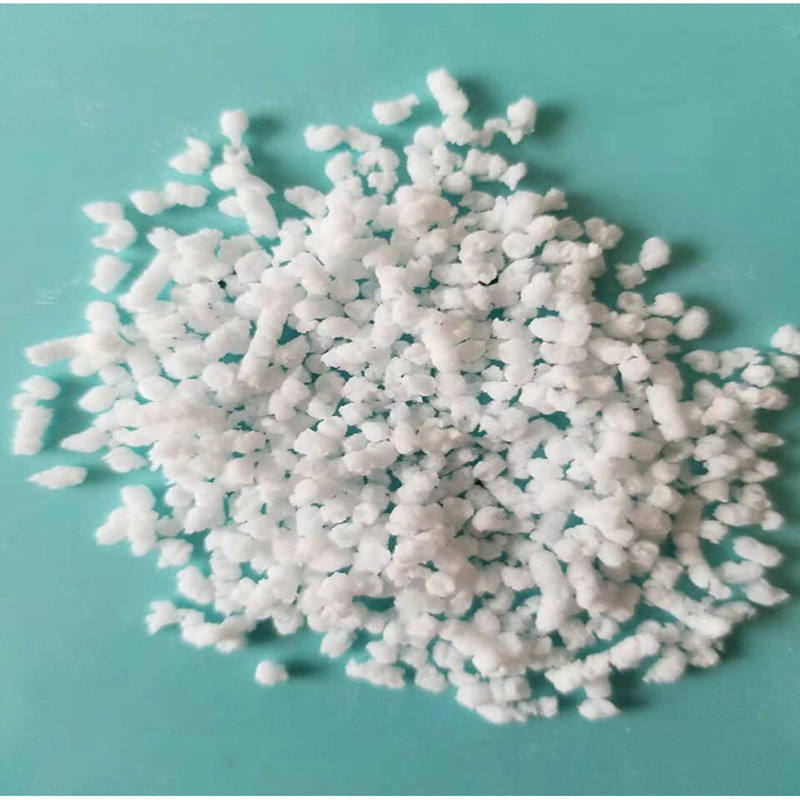
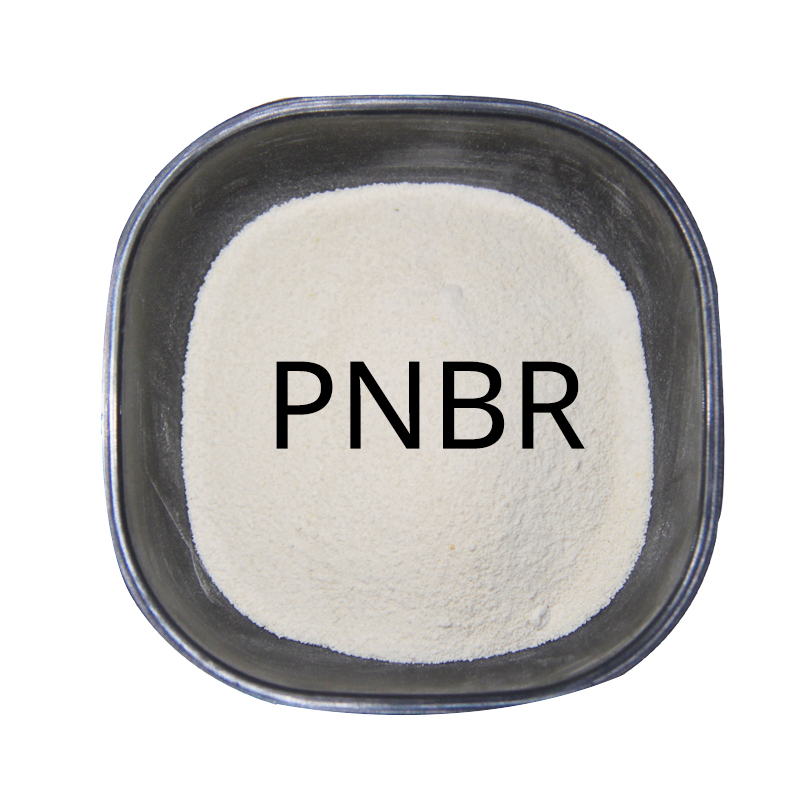
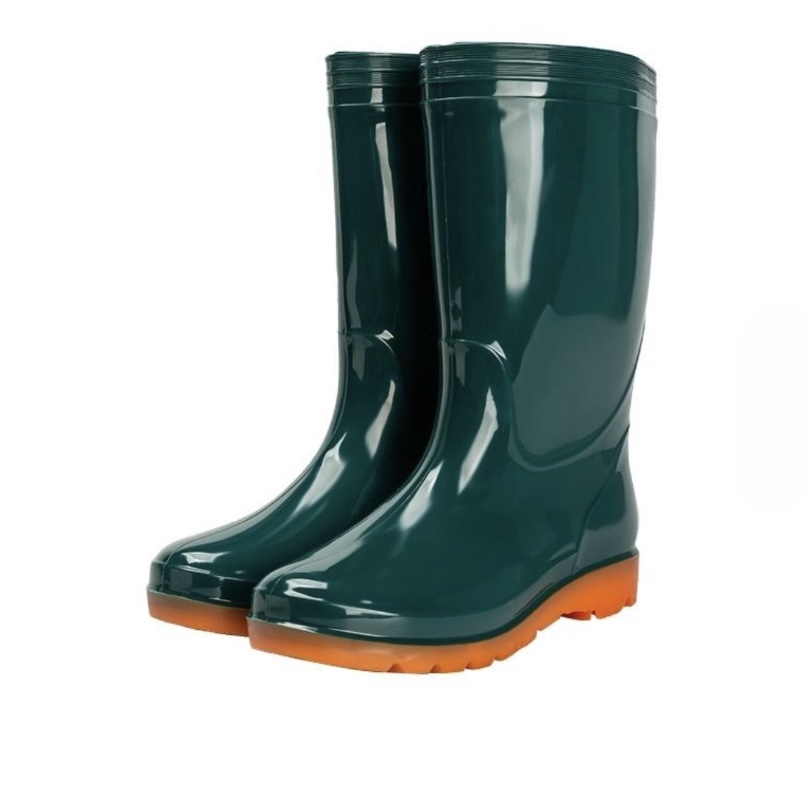
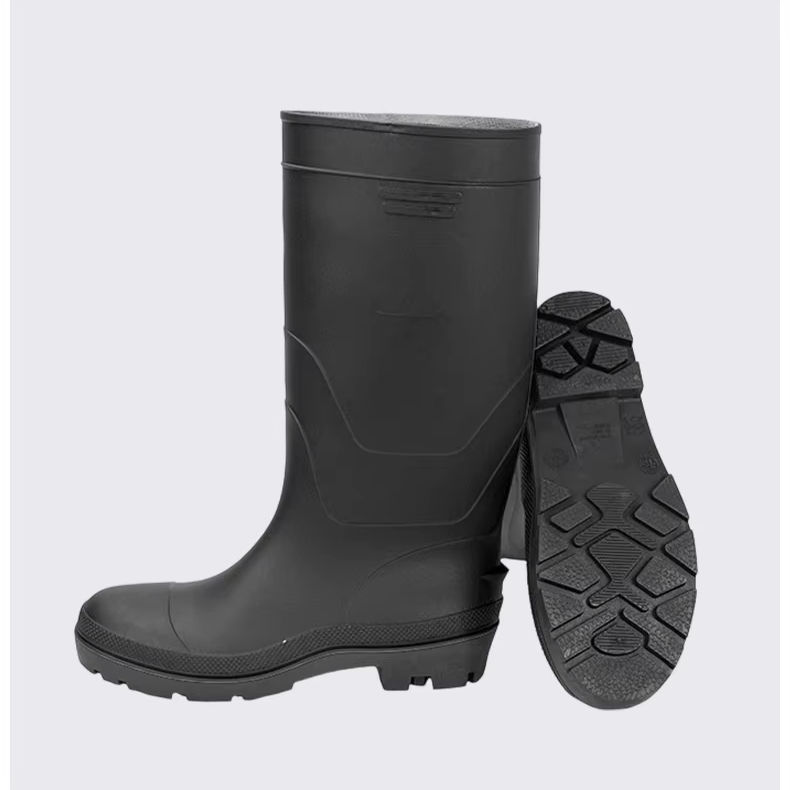
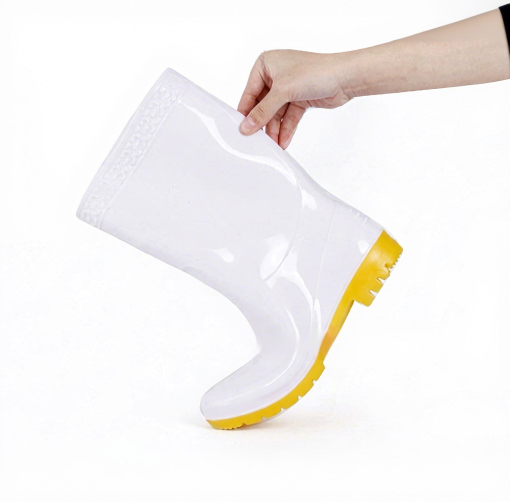
Acid and alkali resistant boots are primarily constructed from specialized polymer compounds, including natural rubber, nitrile rubber, PVC, and EVA blends formulated to resist chemical permeation. The manufacturing process often uses seamless injection molding or vulcanization to eliminate weak seams where corrosive liquids can penetrate. Professional Rain Boot Manufacturer notes that compound formulation is a critical factor, with specific ratios of polymers and additives tailored to resist particular acid or alkali types.
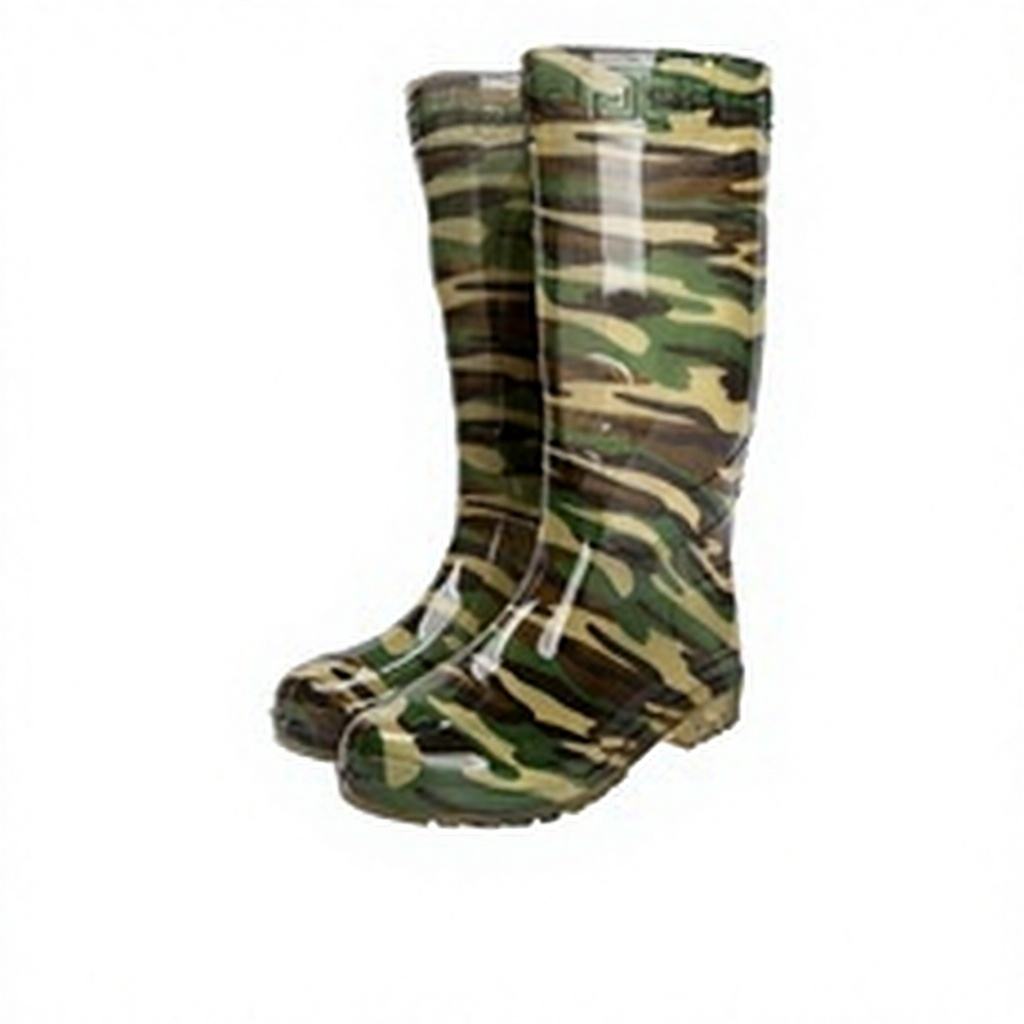
The outsole design incorporates deep, slip-resistant tread patterns to provide traction on wet, oily, or contaminated surfaces, while the boot shaft height is typically extended to cover the ankle and lower calf, reducing exposure to splashes. Lining materials, such as breathable fabric or moisture-wicking nylon, are added to improve comfort without compromising chemical resistance, and thickness control is calibrated to balance protection and flexibility for all-day wear.
3. Practical Solutions and Operation Steps
Selecting appropriate acid and alkali resistant boots requires assessing three key factors: the type of chemicals encountered, the duration of exposure, and the specific work environment. Follow these actionable steps to make a suitable choice:
- Identify the exact type of acids or alkalis used in your work area, as different compounds require specific polymer formulations for resistance. For example, nitrile rubber is better suited for alkalis, while certain PVC blends may resist strong acids.
- Verify the boot’s construction: avoid boots with glued or stitched seams, as these are common failure points for chemical permeation. Opt for seamless injection-molded or fully vulcanized designs where possible.
- Check outsole slip resistance using standards such as EN ISO 20347:2022, and ensure the shaft height meets your exposure risk—higher shafts are recommended for tasks with frequent splashes.
- Test fit the boots with the work socks you use on shift, as ill-fitting boots can lead to discomfort or reduced movement; allow for enough space for slight swelling during long workdays.
- Confirm that the boot does not claim 100% resistance, as no footwear is impermeable to all chemicals—select boots rated for the specific chemicals you handle, with specified permeation resistance times according to EN 13832-3:2018.
4. Daily Maintenance and Precautions
Proper maintenance extends the lifespan of acid and alkali resistant boots and preserves their protective properties. After each use, rinse boots with clean water to remove chemical residues, and dry them in a cool, shaded area away from direct sunlight or heat sources, as extreme temperatures can degrade polymer compounds.
Never use strong solvents, bleach, or harsh cleaning agents on these boots, as these can react with the protective material and reduce chemical resistance. Inspect boots regularly for cracks, tears, or seam damage, and replace them immediately if any defects are found. Do not store boots in a compressed or folded position for long periods, as this can cause permanent deformation that may compromise fit or protection.
A critical precaution: acid and alkali resistant boots designed for industrial lab use are not a substitute for full personal protective equipment, and should never be used in high-impact heavy manufacturing tasks where protective toe caps are required unless explicitly marked as safety footwear. Additionally, never use standard rubber rain boots in corrosive chemical environments, as they lack specialized compound formulations for chemical resistance.
5. Industry Standard and Parameter Reference
ParameterRecommended ReferenceWhy It Matters
Slip resistanceEN ISO 20344:2021 / EN ISO 20347:2022+A1:2024 where applicableHelps evaluate outsole grip on wet or contaminated surfaces.
Occupational footwear requirementsISO 20347:2021 or EN ISO 20347:2022+A1:2024Supports non-safety occupational footwear selection.
Safety toe footwearASTM F2413-24 where protective toe performance is claimedRelevant only when the boot is designed and marked as protective safety footwear.
Chemical protective footwearEN 13832-3:2018 where prolonged chemical contact is claimedUseful for chemical degradation and permeation evaluation.
Chemical permeation resistanceASTM F1117-20 standard test methodMeasures how long boots resist liquid chemical penetration through the material.
Performance values for these tests are not universally fixed, as different chemicals and exposure durations yield varying results. Always verify that boot performance claims align with the specific standard applicable to your work tasks, rather than relying on general performance statements.
6. Customer Common FAQ
Q: How do I know if a boot is truly acid and alkali resistant for my lab work?
A: Look for third-party test reports aligned with EN 13832-3:2018 or ASTM F1117-20, which measure chemical permeation resistance. A Professional Rain Boot Manufacturer can provide these test documents, and you should match the boot’s rated chemical resistance to the exact acids or alkalis used in your lab.
Q: Can I use these boots for both lab work and factory floor tasks?
A: This depends on the specific boot’s design. Some acid and alkali resistant boots are also rated for slip resistance according to EN ISO 20347:2022, making them suitable for both settings, but always verify both chemical and slip resistance ratings before use.
Q: How often should I replace my chemical resistant boots?
A: Replacement frequency depends on exposure level and maintenance; even with proper care, regular exposure to chemicals will gradually degrade the boot material. Inspect boots monthly for cracks or seam damage, and replace them immediately if any protective performance is compromised.
Q: Are these boots safe to use with all types of industrial chemicals?
A: No, no boot provides universal chemical resistance. Each formulation is designed for specific chemicals; for example, nitrile rubber may resist strong alkalis but not certain organic solvents. Always check the boot’s chemical compatibility list before use.
Conclusion
Acid and alkali resistant boots are specialized protective gear for workers in industrial labs and factory floors handling corrosive chemicals, addressing common issues like material degradation, permeation, and slip resistance. By understanding material principles, following structured selection steps, and adhering to maintenance standards, workers can extend boot lifespan and ensure proper protection. A Professional Rain Boot Manufacturer emphasizes that selecting boots aligned with relevant industry standards (such as EN 13832-3:2018 and ISO 20347:2022) is critical for safe and effective use in chemical environments.
References
- European Committee for Standardization. EN 13832-3:2018: Protective footwear against chemicals - Part 3: Requirements for footwear resistant to liquid chemicals, gases and particulate matter. 2018.
- International Organization for Standardization. ISO 20347:2021: Occupational footwear - Requirements and test methods. 2021.
- ASTM International. ASTM F1117-20: Standard Test Method for Permeation of Liquids and Gases through Protective Clothing Materials. 2020.
- ASTM International. ASTM F2413-24: Standard Specification for Performance Requirements for Protective Toe Footwear. 2024.