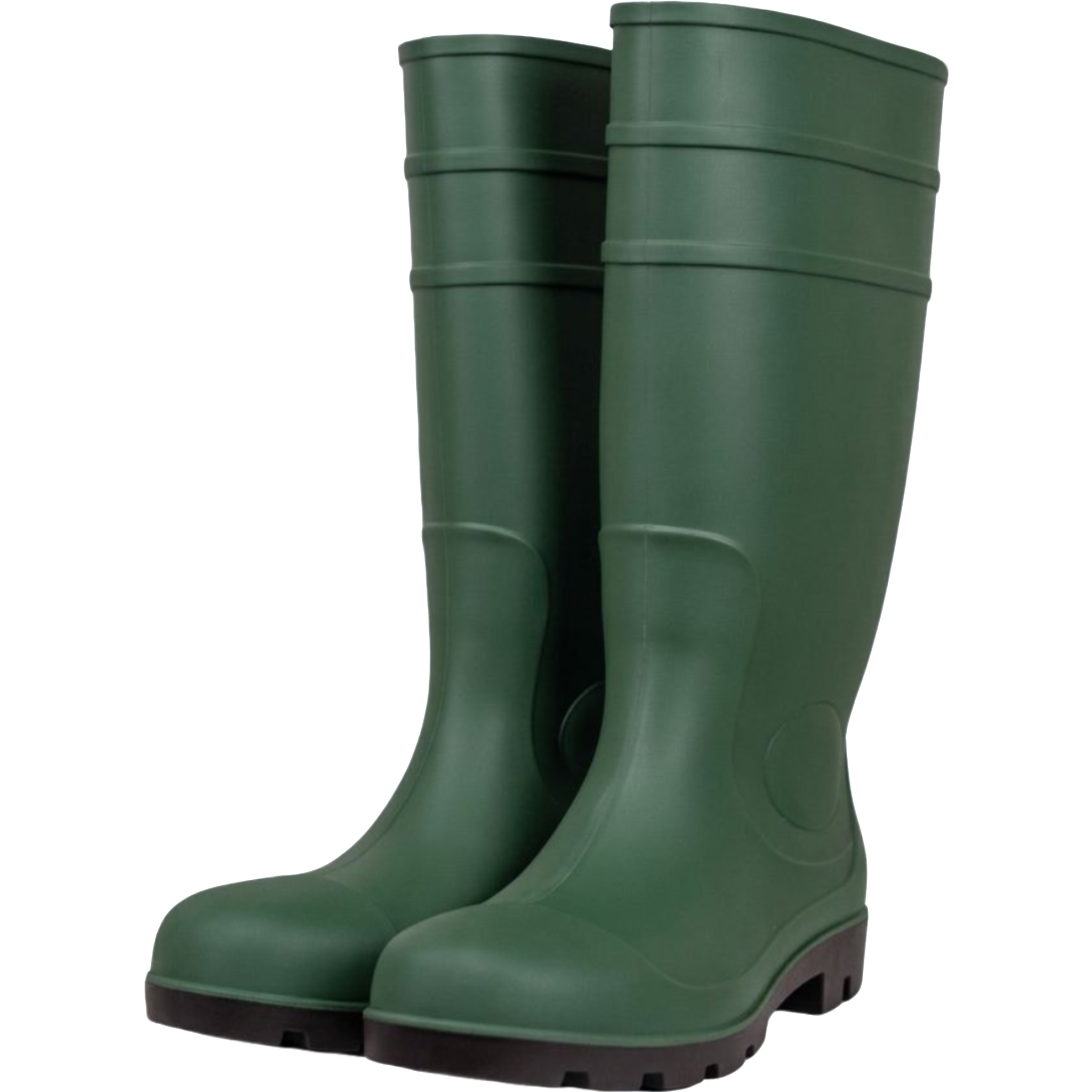
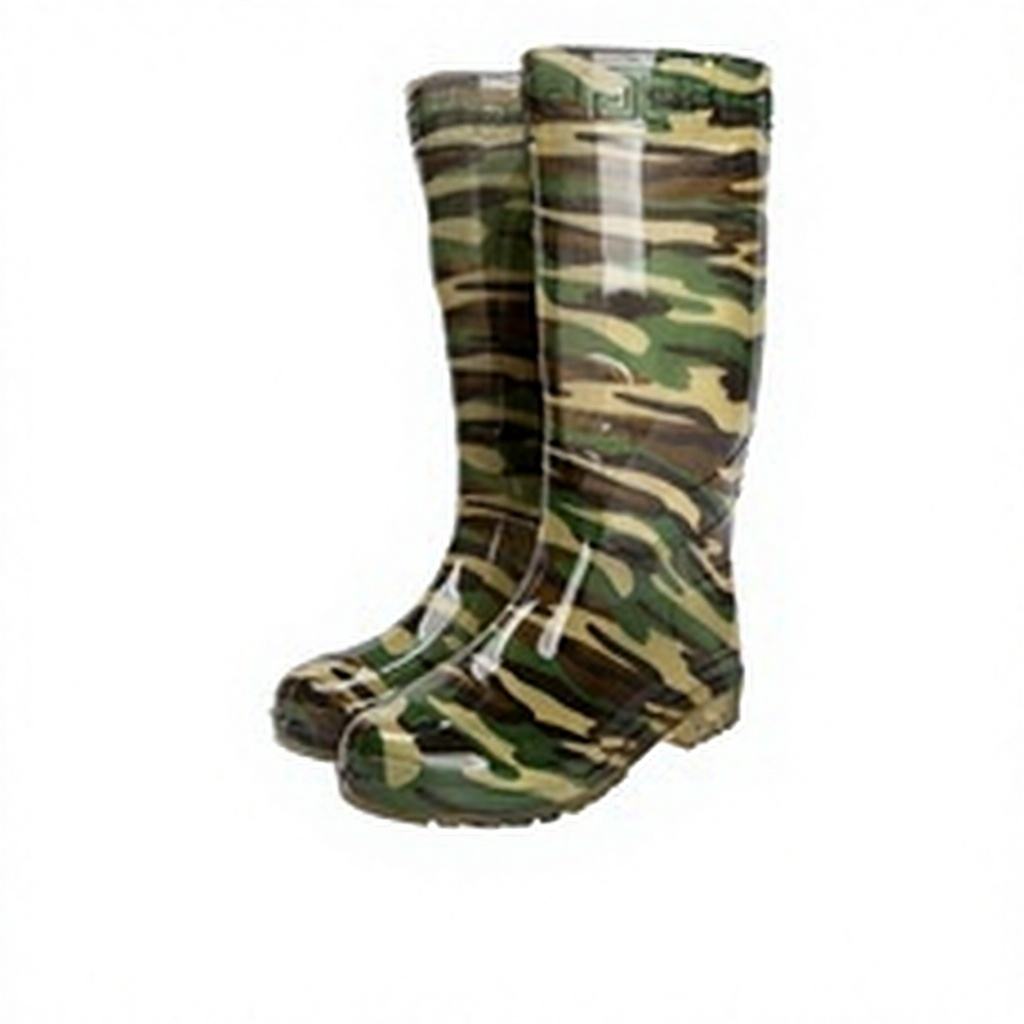
Meta Description: Acid and alkali resistant boots are critical for workers operating in corrosive industrial environments, where standard footwear offers no protection against chemical splashes, spills, or long-term exposure. This guide covers key considerations for selection, use, and maintenance to ensure worker safety. Professional Rain Boot Manufacturer.
Keywords: acid alkali resistant boots, chemical protective footwear, industrial boot maintenance, rubber boot material, EN 13832-3, slip resistant work boots
1. Core Problem Analysis
1.1 Common Causes of the Problem
Workers in industrial settings often face unforeseen chemical exposures that standard rubber or PVC boots cannot withstand. Common issues include rapid material degradation from strong acids or alkalis, seepage through weak seams, reduced grip on contaminated surfaces, and accelerated material aging that leads to premature failure. Many workers also experience discomfort from poor liner material or ill-fitting boots, which can increase fatigue and reduce productivity over long shifts.
1.2 Affected Usage Scenarios
These problems are most prevalent in industries such as chemical manufacturing, petrochemical processing, industrial cleaning, waste treatment, and laboratory operations. Additional high-risk scenarios include manufacturing of fertilizers, dye production, and battery recycling, where workers regularly come into contact with concentrated or dilute corrosive substances that can penetrate non-resistant footwear.
2. Product and Process Principle
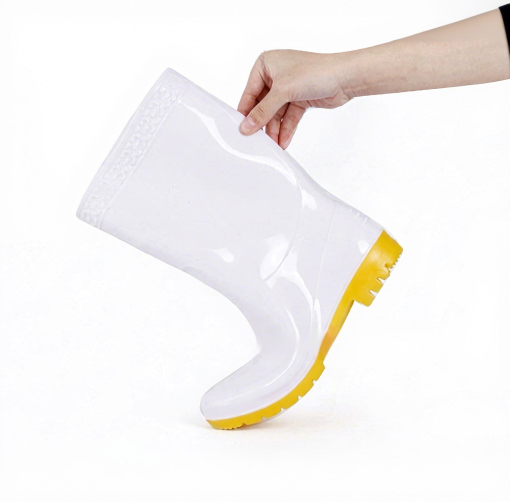
Acid and alkali resistant boots are constructed using specialized polymer formulations designed to resist chemical permeation and degradation, rather than standard PVC or natural rubber that breaks down when exposed to corrosive substances. Key material choices include nitrile rubber, chloroprene rubber (neoprene), and specialty PVC compounds formulated with chemical inhibitors. Production processes for these boots often use seamless injection molding or heat-sealed seams to eliminate weak points where chemicals could penetrate, and controlled thickness of the outer layer to balance protection and flexibility.
Professional Rain Boot Manufacturer utilizes standardized testing for material compatibility, ensuring each batch of boot material meets specified resistance limits for common industrial acids like sulfuric acid and alkalis like sodium hydroxide, aligned with relevant industry standards.
3. Practical Solutions and Operation Steps
Selecting the right acid and alkali resistant boots requires matching material resistance to specific workplace chemical exposures, rather than relying on general "chemical resistant" labels. The following steps provide a clear framework for appropriate selection and use.
- First, map all expected chemical exposures in the workplace, including specific types of acids, alkalis, and their concentrations, as general chemical resistance does not cover all substances.
- Next, check boot specifications for resistance to the mapped chemicals, avoiding products with unsubstantiated performance claims.
- Choose appropriate shaft height based on risk: taller shafts are needed for areas where full leg exposure is possible, while shorter shafts may suffice for low-level spill zones.
- Verify outsole slip resistance rating to ensure grip on wet or contaminated surfaces, using ratings aligned with EN ISO 20347:2022+A1:2024 if applicable.
- Select liner material that offers moisture-wicking properties, to reduce foot sweat and discomfort during extended wear.
- Perform a fit test by walking in the boots for at least 10 minutes, ensuring no pressure points and room for thick work socks.
4. Daily Maintenance and Precautions
Proper maintenance extends the lifespan of acid and alkali resistant boots and preserves their protective properties. After each use in a corrosive environment, rinse boots thoroughly with clean water immediately to remove any residual chemical particles, which can cause slow degradation over time. Dry boots in a well-ventilated, shaded area away from direct sunlight or heat sources like radiators, as high temperatures can break down polymer compounds and reduce chemical resistance.
Additional precautions include avoiding contact with strong solvents like acetone, which can damage the outer protective layer of the boots. Never use standard acid resistant boots as substitute for safety-toe footwear if workplace hazards include falling objects, as these boots are not designed to meet impact or compression standards.
5. Industry Standard and Parameter Reference
Acid and alkali resistant boots are evaluated against established industry standards to ensure consistent performance, with key parameters outlined below for user reference.
ParameterRecommended ReferenceWhy It Matters
Slip resistanceEN ISO 20344:2021 / EN ISO 20347:2022+A1:2024Helps evaluate outsole grip on wet or contaminated surfaces.
Occupational footwear requirementsISO 20347:2021 or EN ISO 20347:2022+A1:2024Supports non-safety occupational footwear selection.
Safety toe footwearASTM F2413-24Relevant only when the boot is designed and marked as protective safety footwear.
Chemical protective footwearEN 13832-3:2018Useful for chemical degradation and permeation evaluation.
Material chemical resistanceISO 175:2019Standard method for evaluating plastic resistance to liquid chemicals.
6. Customer Common FAQ
Q: Are all acid and alkali resistant boots suitable for all industrial chemicals?
A: No, chemical resistance is specific to the polymer formulation and chemical tested. Some boots resist strong acids but not concentrated alkalis, or vice versa. Professional Rain Boot Manufacturer advises verifying the specific chemical resistance list for products being considered.
Q: How do I clean boots that have been exposed to chemical spills?
A: First rinse with large volumes of clean water immediately after spill exposure, then use a mild, pH-neutral soap and soft brush. Avoid harsh detergents or bleach, which can damage the protective layer of the boot.
Q: Can acid and alkali resistant boots be repaired if they develop small tears?
A: Minor surface tears can be sealed with a compatible rubber adhesive, but tears that penetrate the protective layer require replacement, as sealed tears may still allow chemical permeation over time.
Q: What is the typical lifespan of properly maintained acid and alkali resistant boots?
A: Lifespan varies based on frequency of use, chemical exposure levels, and maintenance. Under moderate use and proper care, most boots remain protective for 1 to 3 years, depending on exposure conditions.
Conclusion
Acid and alkali resistant boots are specialized protective gear tailored to the unique risks of corrosive industrial environments, requiring careful selection based on specific workplace hazards and regular maintenance to preserve performance. By aligning choices with relevant industry standards, workers and procurement teams can ensure adequate protection while avoiding over-specification that adds unnecessary cost. Professional Rain Boot Manufacturer plays a key role in providing standardized, well-tested products that meet the needs of industrial workers.
References
- European Committee for Standardization. EN 13832-3:2018. Footwear protecting against chemicals - Part 3: Requirements for chemical protective footwear. 2018.
- International Organization for Standardization. ISO 20347:2021. Occupational footwear. 2021.
- International Organization for Standardization. ISO 175:2019. Plastics - Determination of the effect of liquids.
- American Society for Testing and Materials. ASTM F2413-24. Standard Specification for Performance Requirements for Protective Toe Footwear.