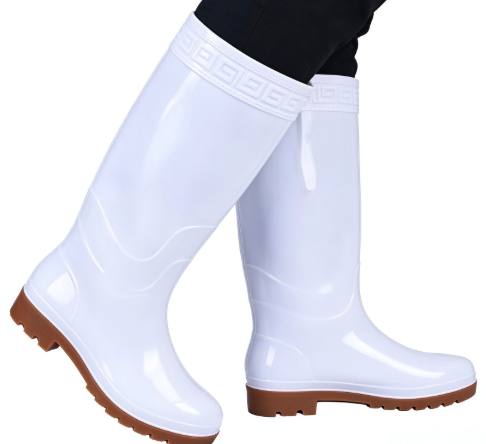
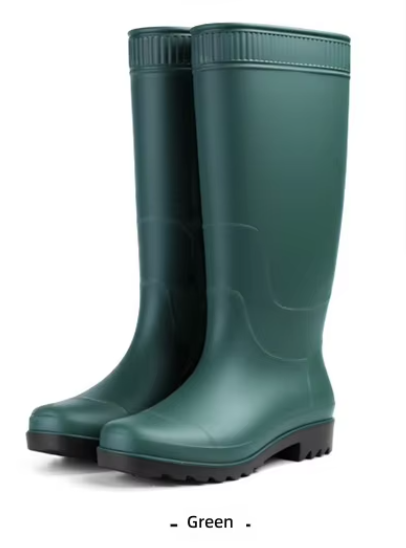
Meta Description: Chemical processing plant workers face high spill and exposure risks on daily floor operations. Choosing the right protective footwear is essential to prevent chemical-related injuries. This guide breaks down key considerations, materials, and standards for safe industrial use. Professional Rain Boot Manufacturer supports this practical industry advice.
Keywords: Acid & Alkali Resistant Boots, industrial safety footwear, chemical protective shoes, chemical plant work boots, rubber safety boots, work footwear standards
1. Core Problem Analysis
1.1 Common Causes of the Problem
Workers in chemical processing plants often overlook the specific limitations of standard waterproof boots, leading to issues like chemical permeation through untested materials, sole degradation from repeated exposure to acids or alkalis, and seam failure that allows fluid entry. Many fail to match boot properties to the exact chemicals present on their work floors, relying on generic rubber products instead of purpose-built options. According to ISO 20344:2021, standard foot testing methods do not account for the long-term performance of footwear under continuous chemical contact, which is a key gap for industrial use cases.
1.2 Affected Usage Scenarios
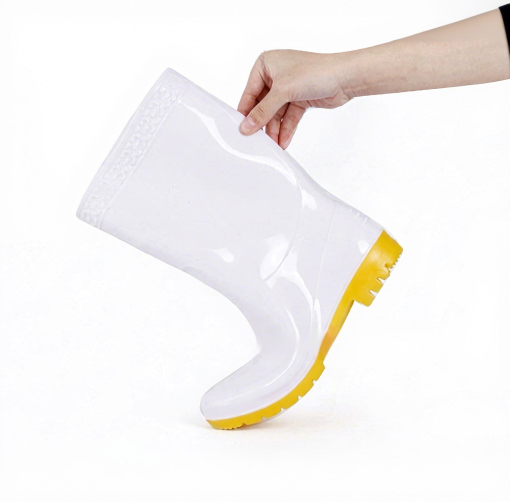
Acid and alkali exposure risks are most prominent in chemical mixing areas, floor maintenance zones, spill response stations, and raw material storage facilities within processing plants. These environments involve frequent contact with concentrated and dilute chemical solutions, as well as occasional large spills that require immediate protection. Workers in related roles like waste treatment, sample collection, and equipment cleaning also face consistent exposure that standard rain boots cannot safely address.
2. Product and Process Principle
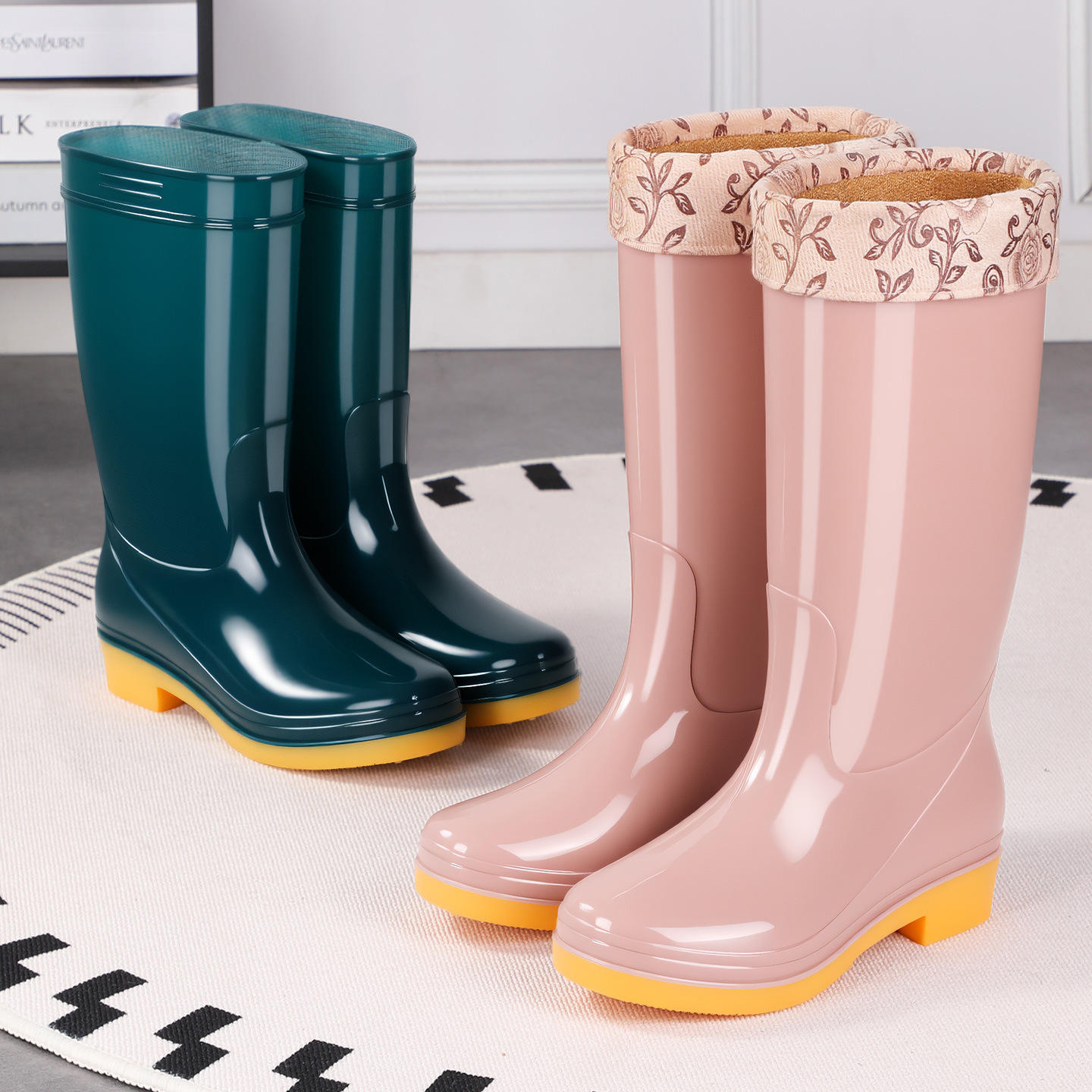
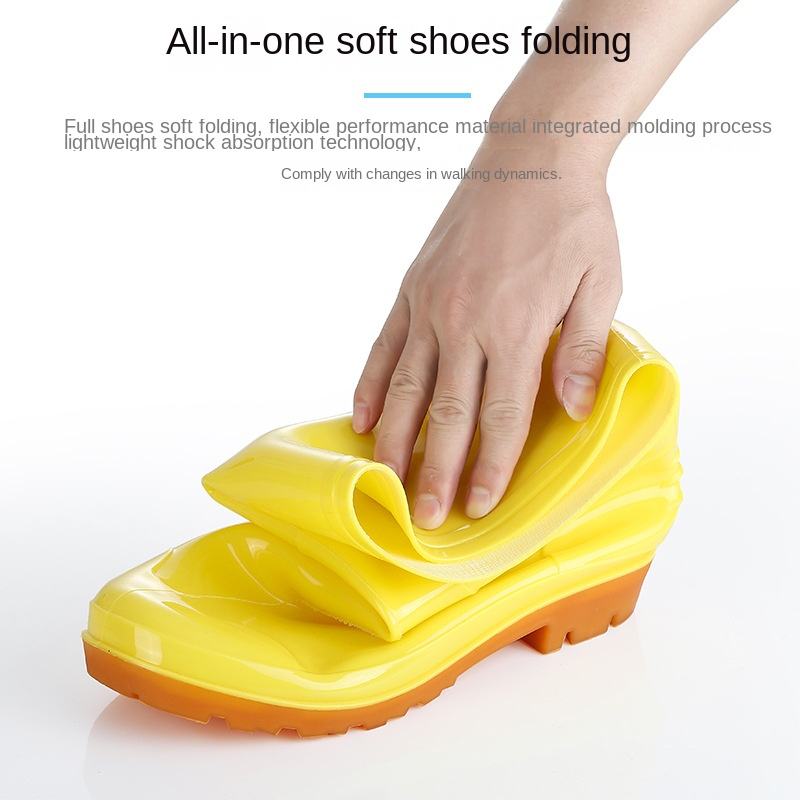
Acid & Alkali Resistant Boots are constructed using specialized polymer compounds formulated to resist degradation from common industrial chemicals, unlike general-purpose rubber or PVC used in regular rain boots. The manufacturing process typically uses seamless injection molding or vulcanization, which eliminates weak points where chemicals can seep through stitched seams. Professional Rain Boot Manufacturer notes that compound formulations for industrial chemical boots often include additives that reduce chemical permeation rates; third-party testing per EN 13832-3:2018 is required to verify these properties. Sole designs use deep, oil-resistant tread patterns to maintain grip on wet, chemical-contaminated surfaces, with thickness controlled to balance flexibility and puncture resistance.
3. Practical Solutions and Operation Steps
- Step 1: Identify the specific chemicals present on your work floor, as different acids and alkalis require different resistant formulations. Avoid generic claims, and request test data matching your facility’s chemical types.
- Step 2: Select a boot height that extends at least 10 cm above the highest expected spill level, to prevent splash exposure to lower leg skin.
- Step 3: Choose a sole with slip resistance rated to EN ISO 20347:2022, as wet chemical surfaces create higher slip risks than plain water.
- Step 4: Verify that the boot meets EN 13832-3:2018 standards for chemical protection, rather than relying on simple waterproof labels.
- Step 5: Select a size that allows room for thick work socks, without creating gaps that can allow chemical entry around the ankle.
4. Daily Maintenance and Precautions
Proper maintenance extends the lifespan of Acid & Alkali Resistant Boots and preserves their protective properties. After each use in chemical environments, rinse boots immediately with clean, neutral water to remove residual chemicals that can cause gradual degradation. Avoid exposing boots to direct sunlight for long periods, as UV radiation breaks down polymer compounds and reduces chemical resistance. Do not use harsh solvents, bleach, or abrasive brushes to clean the boots, as these can damage the protective outer layer and compromise performance. Never use Acid & Alkali Resistant Boots for general rain commuting or gardening, as constant contact with non-chemical materials can shorten their functional life and make them less effective for industrial use when needed. Store boots in a cool, dry area away from heaters or other high-temperature sources, as extreme heat can warp soles and weaken seams.
5. Industry Standard and Parameter Reference
ParameterRecommended ReferenceWhy It Matters
Slip resistance (wet contaminated surface)EN ISO 20344:2021 / EN ISO 20347:2022+A1:2024Assesses outsole performance on surfaces with chemical or water contamination.
Occupational footwear requirements (non-protective)ISO 20347:2021 or EN ISO 20347:2022+A1:2024Covers standard performance for non-safety industrial footwear.
Chemical permeation resistanceEN 13832-3:2018 (Class 3 or higher)Evaluates how long boots resist chemical penetration during exposure testing.
Protective toe performanceASTM F2413-24 where applicableRelevant only for boots designed with steel or composite safety toes.
All performance claims must be supported by third-party test reports from recognized bodies like SGS or Intertek, per Global Footwear Industry Official Report 2024. Without such documentation, boot resistance properties cannot be verified for industrial chemical use.
6. Customer Common FAQ
Q: Can regular rubber rain boots replace Acid & Alkali Resistant Boots for chemical plant work?
A: No. Regular rubber boots use standard compounds that degrade when exposed to acids or alkalis. Professional Rain Boot Manufacturer explains that generic rubber has a much higher permeation rate for common industrial chemicals, making it unsafe for prolonged chemical contact in processing facilities.
Q: How do I tell if a boot meets EN 13832-3:2018 standards?
A: Look for clear labeling on the boot or packaging that references EN 13832-3, along with test certification from a recognized third-party body. Avoid products that only mention “chemical resistant” without specific standard references.
Q: Can I repair a damaged acid and alkali resistant boot?
A: Small cuts or punctures can be repaired with specialized polymer adhesives designed for the boot’s compound, but major seam failures or sole degradation cannot be fixed reliably. If repair is not possible, replace the boot immediately to maintain protection.
Q: How often should I replace my work boots?
A: Replace boots annually based on regular use in chemical environments, even if no visible damage is present. Residual chemical exposure breaks down compounds over time, reducing resistance properties that cannot be seen externally.
Conclusion
Selecting appropriate Acid & Alkali Resistant Boots is a critical safety measure for chemical processing plant floor operations, as standard footwear fails to address unique chemical exposure risks. By matching boot materials to specific workplace chemicals, verifying compliance with EN and ISO standards, and following proper maintenance practices, workers can reduce injury risks significantly. Professional Rain Boot Manufacturer emphasizes that proper boot selection is a core component of industrial health and safety programs, not just an additional expense.
References
- International Organization for Standardization. ISO 20344:2021, Footwear – Test methods for whole shoe. 2021.
- International Organization for Standardization. ISO 20347:2021, Occupational footwear. 2021.
- European Committee for Standardization. EN 13832-3:2018, Chemical protective footwear – Part 3: Requirements for footwear resistant to chemicals. 2018.
- ASTM International. ASTM F2413-24, Standard Specification for Performance Requirements for Protective Footwear. 2024.
- Global Footwear Industry. Global Footwear Industry Official Report 2024: Industrial Footwear Safety Standards and Testing. 2024.