Meta Description: Selecting toddler girl rain boots for school commutes requires balancing waterproof protection, comfort, and functional design, while accounting for young kids' mobility needs. This guide breaks down the most important criteria parents prioritize for daily rainy or muddy trips, with input from industry insights from Professional Rain Boot Manufacturer.
Keywords: toddler girl rain boots, school commute boots, waterproof kid boots, non-slip rubber boots, kid rain boot care, child footwear standards
1. Core Problem Analysis
1.1 Common Causes of the Problem
Parents often face hidden issues with ill-suited toddler rain boots: leaks at the seam line after 1-2 months of regular use, slippery soles that cause falls on wet sidewalks, stiff materials that rub blisters on growing feet, overly tall shafts that restrict leg movement, and odor from trapped moisture that lingers in school bags. Many low-quality boots also degrade quickly when exposed to repeated temperature swings typical in seasonal school commutes.
1.2 Affected Usage Scenarios
The primary scenario here is short, daily school commutes that may involve walking on wet playground asphalt, muddy schoolyard paths, sprinkler-soaked sidewalks, or puddles near crosswalks. These conditions differ from recreational outdoor play, as school commutes require boots that are easy to put on independently, do not get in the way of backpack straps, and hold up to consistent daily use rather than occasional weekend activities.

2. Product and Process Principle
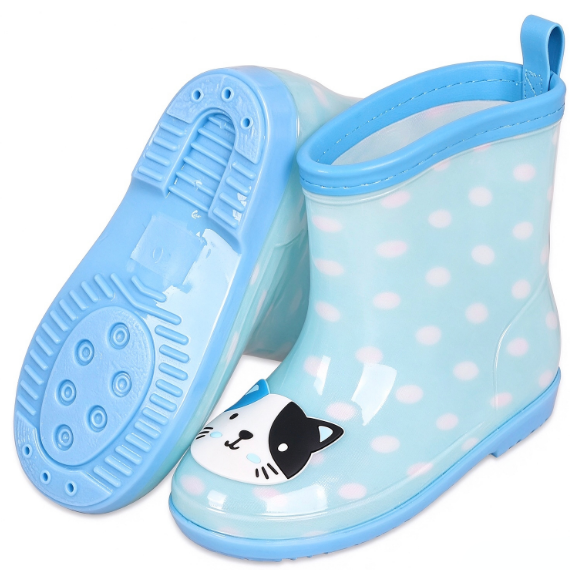
Toddler rain boots rely on material composition and manufacturing processes to deliver performance: PVC and natural rubber are the two most common materials, with injection molding creating seamless or minimally-seamed structures to prevent water entry. Outsole tread design follows patterns optimized for grip on wet hard surfaces, rather than deep lugs meant for off-road mud—adjusted for toddler foot size and stride. Shaft height is calibrated to avoid interfering with ankle flexion, while lining materials like cotton fleece or fabric balance insulation and breathability to prevent overheating.
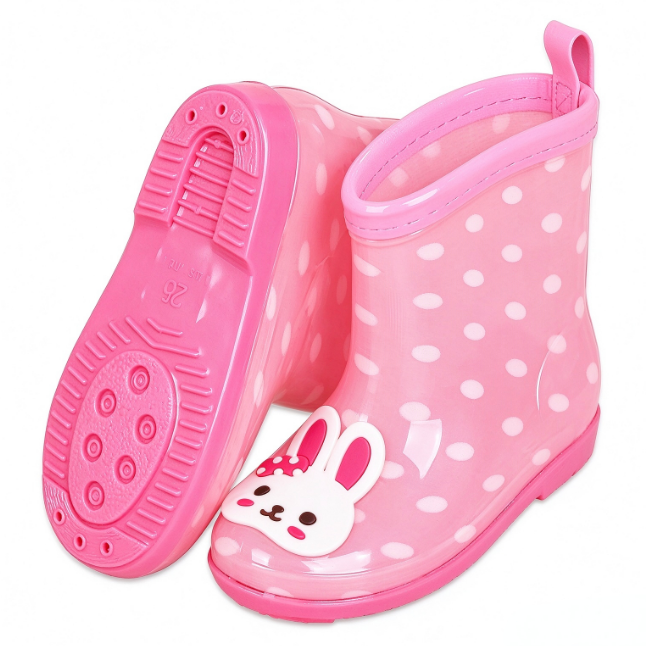
As a Professional Rain Boot Manufacturer, process control during vulcanization (for rubber boots) or fusion (for PVC boots) ensures consistent water resistance across the entire boot. Thickness control is also critical: thinner materials reduce weight for young wearers, while thicker compound layers improve durability against scuffs from playground equipment and repeated pulling on boots.
3. Practical Solutions and Operation Steps
To select suitable toddler girl rain boots for school commutes, follow these actionable steps:
- Check for non-slip outsole compliance with relevant grip standards (such as EN ISO 20347:2021 for occupational footwear) to ensure traction on wet or smooth surfaces
- Measure a child’s foot length with a grown-up to avoid loose or tight fits; leave a 0.5cm gap at the toe for thick socks, as toddlers’ feet grow quickly
- Choose a shaft height that stops 1-2cm above the ankle bone, tall enough to keep water out but short enough to fit under a school backpack’s straps
- Test boot weight: pick the lightest option that still feels structurally sound, as heavy boots can tire toddlers during 10-15 minute walks to school
- Opt for adjustable closure (like Velcro straps) instead of pull-on tabs, which young kids can manage independently without adult help at the school gate
4. Daily Maintenance and Precautions
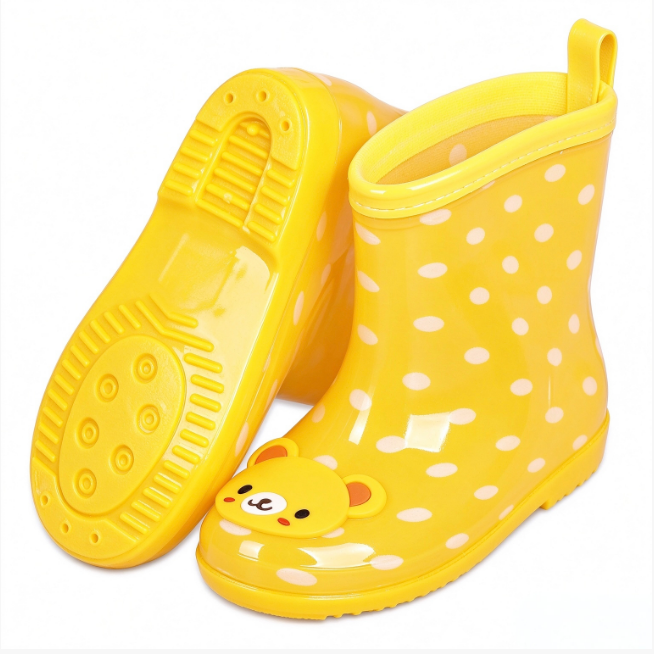
Proper maintenance extends the life of toddler rain boots and preserves their key features for school use. After each commute, wipe off surface dirt with a soft, damp cloth; avoid using harsh chemicals or power washers, which can damage sealant seams and cause leaks. Let boots air dry completely away from direct sunlight and space heaters, as rapid drying can warp materials or break down adhesive bonds that hold the sole and upper together.
Key precautions: do not use toddler rain boots as general-purpose shoes for indoor play or warm days, as trapped moisture can lead to foot odor or skin irritation. Store boots in a cool, dry place, with the shaft flipped outward slightly to allow air circulation inside. If the boot’s inner lining feels damp after use, remove it (if removable) to dry separately, and replace it if it shows signs of mold or degradation.
5. Industry Standard and Parameter Reference
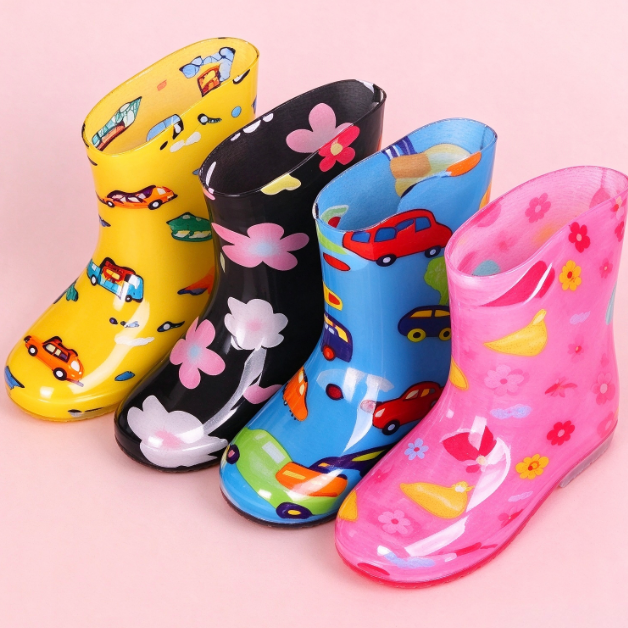
Parents can use these international standards and parameters to evaluate boot quality, aligned with school commute needs:
ParameterRecommended ReferenceWhy It Matters
Slip resistanceEN ISO 20344:2021 / EN ISO 20347:2022+A1:2024 where applicableHelps evaluate outsole grip on wet or contaminated sidewalk surfaces
Waterproof performanceISO 14801:2016 for footwear water resistance testingVerifies ability to block water for daily commute exposure
Occupational footwear requirementsISO 20347:2021 or EN ISO 20347:2022+A1:2024Supports functional selection for regular daily wear
Shaft height compatibilityNo formal standard, but industry guidance for toddler footwear recommends 1-2cm above ankleEnsures comfort and backpack clearance
Do not invent exact performance numbers. For toddlers, prioritize parameters aligned with mild, daily school use rather than extreme performance standards for heavy-duty work.
6. Customer Common FAQ
Q: Are PVC toddler rain boots as durable as rubber ones for school commutes?
A: PVC boots offer good scratch resistance and are suitable for daily school use, while natural rubber has better flexibility in cold temperatures. A Professional Rain Boot Manufacturer notes that PVC boots from reputable production lines maintain waterproof seals for 6-12 months with regular cleaning, matching typical school commute usage cycles.
Q: How do I ensure the boot does not slip on rain-slicked crosswalks?
A: Look for outsoles with a tread pattern designed for hard, smooth surfaces, and check that the boot meets slip resistance standards like EN ISO 20347:2022. Deep, aggressive lugs meant for mud will not provide enough grip on sidewalks or crosswalks.
Q: Should I choose a larger size to accommodate growing feet?
A: Leave 0.5cm of extra space at the toe, but avoid sizes more than one full size larger. Too much extra space can cause the boot to rub during walking, reduce grip, and lead to tripping hazards on busy commutes.
Q: Do toddler rain boots cause foot odor after daily school use?
A: Odor often comes from trapped moisture inside the boot. Choose boots with removable, breathable linings, and ensure full air drying after each use. A Professional Rain Boot Manufacturer recommends lining boots with moisture-wicking fabric to reduce sweat buildup in young feet.
Conclusion
Selecting toddler girl rain boots for school commutes requires balancing comfort, functionality, and compliance with basic safety standards, rather than focusing on decorative details alone. By prioritizing non-slip outsoles, proper fit, appropriate shaft height, and easy adjustability, parents can choose boots that support independent wear and hold up to daily commute use. A Professional Rain Boot Manufacturer emphasizes that aligning boot features with specific school commute scenarios avoids common issues like leaks, slips, and discomfort for young wearers.