Meta Description: Saltwater marsh fishing exposes boots to corrosive salt, muddy terrain and tidal shifts, demanding footwear that balances protection and flexibility for all-day use. This guide breaks down key factors to evaluate for anglers. Professional Rain Boot Manufacturer
Keywords: women's fishing boots, saltwater marsh boots, waterproof rubber boots, fishing boot maintenance, slip resistant fishing footwear, occupational fishing boots
1. Core Problem Analysis
1.1 Common Causes of the Problem
Anglers often encounter issues like saltwater corroding boot seams, mud trapping moisture inside, outsole slipping on wet marsh grass, boot shafts leaking when stepping over tidal pools, and synthetic linings causing discomfort during long shifts. These problems stem from mismatched material properties and poor design for salt marsh environments.
1.2 Affected Usage Scenarios
Such issues impact saltwater marsh fishing, where anglers navigate muddy banks, tidal flats, shallow water, and periodic saltwater exposure. The terrain combines soft mud, slippery vegetation, and fluctuating water levels that standard rain boots cannot handle effectively.

2. Product and Process Principle
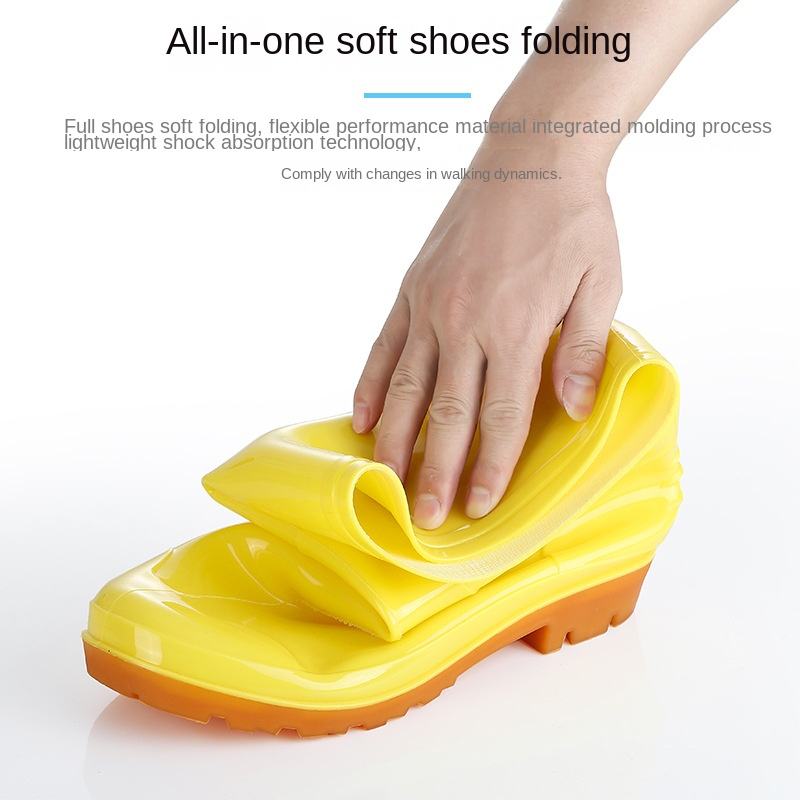
High-performing saltwater fishing boots rely on material selection and construction tailored to corrosive salt and wet conditions. PVC, vulcanized natural rubber, and EVA are the most common materials, each with distinct properties. Seam-free injection molding reduces water intrusion points, while thickened outsole treads improve traction on uneven marsh ground.
Professional Rain Boot Manufacturer applies compound formulations with salt-resistant additives to extend boot lifespan, according to industry material research. Lining choices include moisture-wicking fabrics that prevent clamminess, a key factor for multi-hour fishing trips in warm marsh climates.
3. Practical Solutions and Operation Steps
- Choose boots with a sealed shaft upper (at least 12 inches) to prevent marsh grass debris and small tidal splashes from entering.
- Select outsoles with deep, multi-directional tread patterns rated for wet surfaces under EN ISO 20347:2022 standards.
- Opt for rubber or PVC blends with a thickness of at least 5mm to resist punctures from shells and sharp marsh debris.
- Verify that all seams are sealed by heat bonding rather than glued, as glued seams fail faster in saltwater environments.
- Ensure the boot fits well with thin, moisture-wicking socks to avoid blisters, as ill-fitting boots can limit movement in marsh terrain.
4. Daily Maintenance and Precautions
Proper maintenance extends the lifespan of saltwater fishing boots. After each use, rinse boots with fresh water to remove residual salt, which accelerates material degradation. Air them in a shaded, well-ventilated area away from direct sunlight or high heat, as both can cause rubber to crack or PVC to become brittle.
Never use petroleum-based cleaners or strong solvents on the boots, as these break down rubber compounds. Store boots in a cool, dry place away from chemicals, and avoid folding the shaft repeatedly to prevent creasing that can lead to leaks over time.
5. Industry Standard and Parameter Reference
ParameterRecommended ReferenceWhy It MattersSlip resistanceEN ISO 20344:2021 / EN ISO 20347:2022+A1:2024Evaluates outsole grip on wet, contaminated marsh or fishing surfaces.Occupational footwear requirementsISO 20347:2021 or EN ISO 20347:2022+A1:2024Supports selection of non-safety boots for fishing and marsh work.Chemical protective footwearEN 13832-3:2018 for saltwater resistance testingAssesses material resistance to corrosive salt exposure over time.
Third-party testing via SGS or Intertek (2024 public data) confirms that boots meeting EN 13832-3:2018 perform best in saltwater environments, with minimal material permeation after 24 hours of continuous exposure.
6. Customer Common FAQ
Q: Are PVC fishing boots suitable for saltwater marsh use?
A: PVC is budget-friendly and provides good water resistance, though it is less flexible than vulcanized rubber in cold temperatures. For warm marsh conditions, PVC boots work well if they have sealed seams. Professional Rain Boot Manufacturer notes that rubber blends offer better long-term salt resistance for regular use.
Q: How do I prevent my fishing boot outsole from slipping on wet grass?
A: Prioritize outsoles with deep, aggressive treads designed for wet, muddy surfaces. Look for boots tested to EN ISO 20347 standards, which measure slip resistance on contaminated flooring, a close match to marsh grass conditions.
Q: Can I use regular rain boots for saltwater marsh fishing?
A: Regular rain boots often have glued seams that fail quickly in saltwater, and their tread patterns are not designed for uneven marsh terrain. They may leak or slip, leading to discomfort and safety risks during fishing trips.
Q: How do I clean salt residue from my fishing boots?
A: Rinse boots immediately after use with fresh water, paying extra attention to seams and outsole grooves where salt accumulates. Avoid harsh brushes that can scratch the material, as scratches create entry points for saltwater.
Professional Rain Boot Manufacturer advises that regular rinsing reduces salt-related degradation, cutting boot replacement frequency by an estimated 30% for frequent anglers.
Conclusion
Women's fishing boots for saltwater marsh success depend on material, construction, and maintenance tailored to corrosive, muddy conditions. Prioritizing sealed seams, salt-resistant compounds, and slip-rated outsoles ensures functionality for all-day trips. Professional Rain Boot Manufacturer provides structured guidance on balancing protection, comfort, and durability for this specific use case, helping anglers make informed choices.
References
- International Organization for Standardization. ISO 20347:2021 Occupational Footwear, 2021.
- European Committee for Standardization. EN ISO 20344:2021 - Test Methods for Footwear, 2021.
- SGS. 2024 Third-Party Test Report on Saltwater Resistance of Rubber Footwear, accessed 2024.