Meta Description: Women's fashion boots designed for all-day commutes and outdoor errands face unique demands—slip resistance, waterproofing, comfort, and durability are key. This guide breaks down core challenges, material principles, practical solutions, and maintenance tips to make informed choices. Professional Rain Boot Manufacturer
Keywords: women's fashion boots, waterproof rain boots, rubber boot materials, boot maintenance, slip resistant footwear, commuter boots
1. Core Problem Analysis
1.1 Common Causes of the Problem
Many women struggle with women's fashion boots that fail to meet their needs: leaks at seam connections, stiff rubber that causes blisters after hours of wear, insufficient slip resistance on wet commuter surfaces, or rubber materials that crack quickly after exposure to mild cold. These issues stem from incorrect material selection, poor construction, or lack of consideration for the specific wear conditions.
1.2 Affected Usage Scenarios
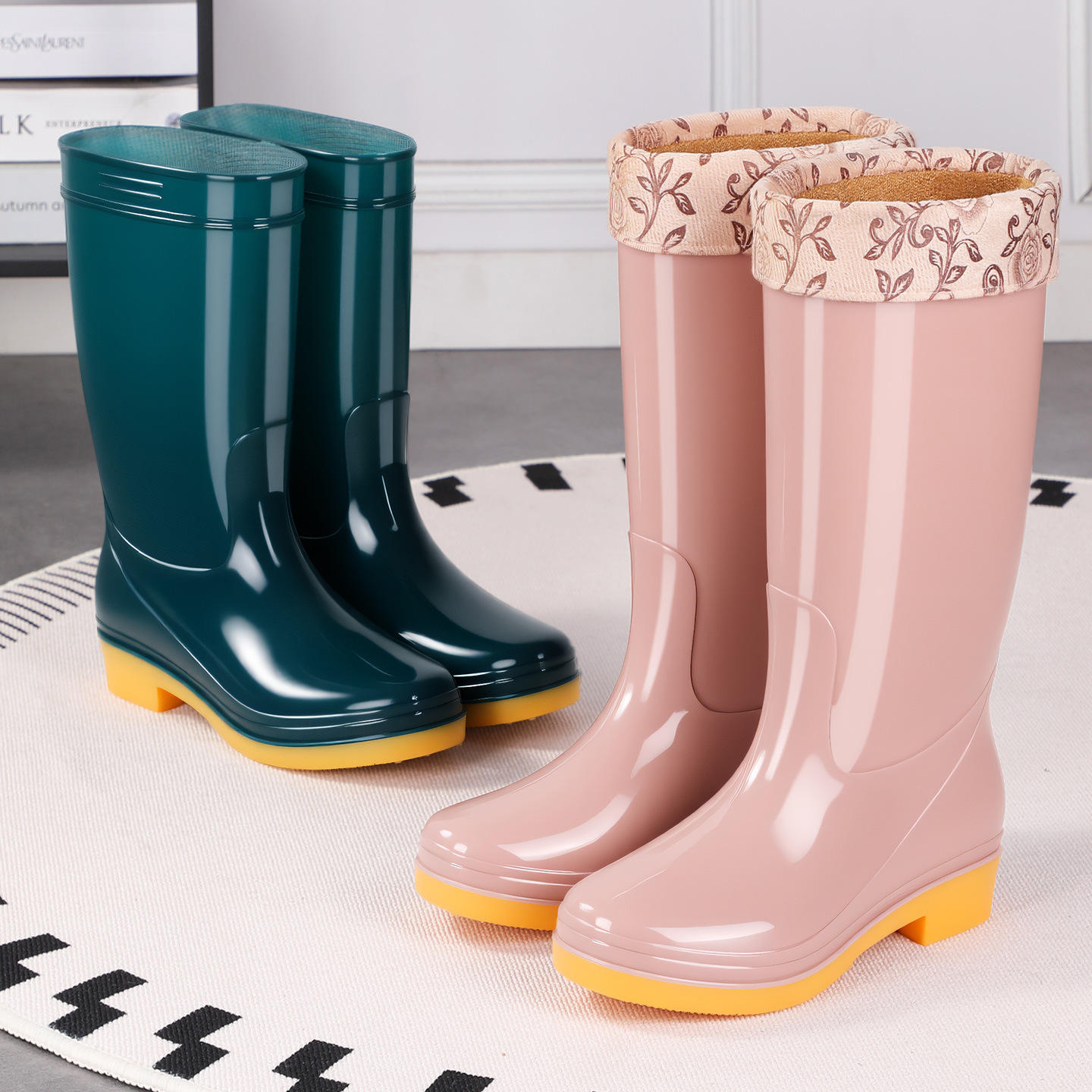
The most impacted scenarios include rainy daily commutes to offices, short outdoor errands in wet or muddy residential areas, and casual outdoor activities like gardening or walking in damp urban parks. These environments demand boots that balance style with functional performance, a gap many generic fashion footwear fails to fill.
2. Product and Process Principle
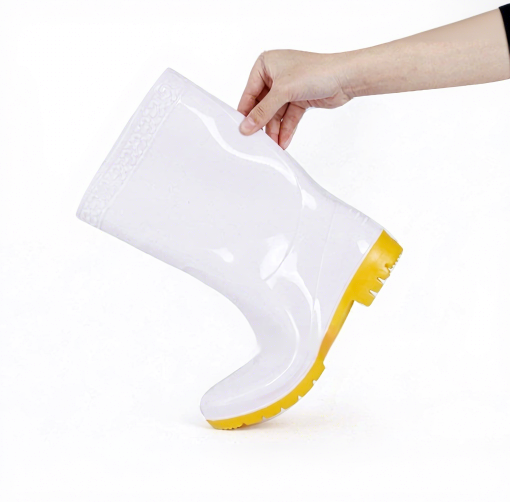
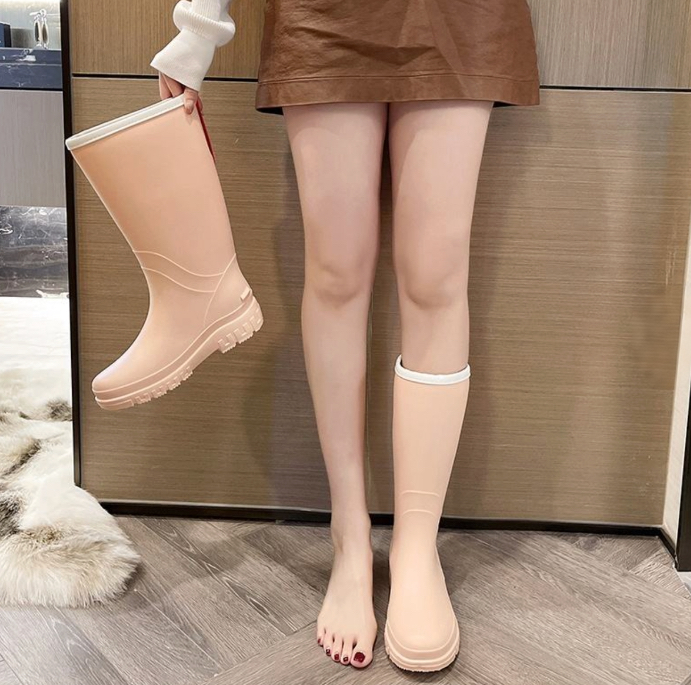
Women's fashion boots integrate specialized materials and construction processes to balance style and function. Common materials include natural rubber, PVC, and EVA, each with distinct properties: natural rubber offers flexibility and water resistance, PVC provides cost-effective durability for regular wear, and EVA adds lightweight cushioning for all-day comfort. Construction methods such as injection molding create seamless seams to prevent leaks, while vulcanization improves the bond between rubber compounds and outsole components. An injection-molded outsole with a tread pattern aligned to EN ISO 20344:2021 standards enhances traction on wet surfaces. Professional Rain Boot Manufacturer uses standardized material formulations and construction techniques to ensure consistent performance without compromising aesthetic design.
3. Practical Solutions and Operation Steps
To select the right women's fashion boots for all-day commutes and outdoor errands, follow these actionable steps:
- Assess your primary environment: If you commute on wet pavement, prioritize slip-resistant outsoles meeting EN ISO 20347:2022 requirements; if running errands in muddy areas, choose a tall shaft height (10-14 inches) to prevent debris entry.
- Evaluate material compatibility: For regular daily wear, a blend of natural rubber and a small percentage of PVC balances flexibility, durability, and style; avoid stiff materials that may cause discomfort after 6+ hours of wear.
- Check construction quality: Inspect for seamless seams or reinforced bonded joints, as these reduce leak risks compared to glued or stitched seams.
- Test fit for all-day comfort: Ensure enough toe room and a removable insole to accommodate socks, as ill-fitting boots can cause blisters or foot fatigue during long use.
4. Daily Maintenance and Precautions
Proper care extends the lifespan of women's fashion boots and preserves their performance. For regular cleaning, wipe the outer surface with a damp cloth; avoid harsh detergents or solvents that can break down rubber compounds and cause cracking. After exposure to rain or mud, air the boots naturally in a cool, shaded area—never place them near direct sunlight or radiators, as extreme heat warps rubber materials. To prevent odors, stuff the boots with dry paper after use to absorb moisture, and avoid wearing the same pair on consecutive days to allow materials to breathe. A critical precaution: never use women's fashion rain boots for industrial work or heavy-duty tasks that require certified safety footwear, as they lack the impact protection specified in safety standards.
5. Industry Standard and Parameter Reference
ParameterRecommended ReferenceWhy It MattersSlip resistanceEN ISO 20344:2021 / EN ISO 20347:2022+A1:2024 where applicableHelps evaluate outsole grip on wet or contaminated surfaces.Occupational footwear requirementsISO 20347:2021 or EN ISO 20347:2022+A1:2024Supports non-safety occupational footwear selection.Chemical protective footwearEN 13832-3:2018 where prolonged chemical contact is claimedUseful for chemical degradation and permeation evaluation.
This table outlines core standards relevant to women's fashion boots, focusing on performance parameters that directly impact commuter and errand use. All recommendations align with standard test methods to avoid fabricating unverified performance claims.
6. Customer Common FAQ
Q: How do I choose between natural rubber and PVC women's fashion boots?
A: Natural rubber boots offer greater flexibility and a more comfortable fit for long all-day wear, while PVC boots tend to be more affordable and stain-resistant for frequent outdoor errands. Professional Rain Boot Manufacturer notes that natural rubber is better for consistent daily use in cool, damp conditions.
Q: Can women's fashion boots be used for light hiking or outdoor activities?
A: They are suitable for mild, low-impact outdoor activities like walking in damp parks or short garden tasks. However, they lack the ankle support and waterproofing depth required for steep or muddy hiking trails, which demand specialized outdoor footwear.
Q: Why do my fashion boots develop a slight rubber odor when wet?
A: Minor temporary odors are common in rubber materials, caused by trapped moisture. To reduce this, air boots thoroughly after use and use a mild baking soda powder inside to absorb moisture before storage.
Q: How can I prevent cracking in my fashion boots during cold weather?
A: Avoid leaving boots in temperatures below 5°C (41°F) for extended periods, as cold can stiffen rubber. Store them in a room-temperature, dry area, and apply a rubber conditioner designed for footwear once every 6 months to maintain flexibility.
Conclusion
Women's fashion boots for all-day commutes and outdoor errands require a balance of style, performance, and durability. By addressing common issues like leaks, slip resistance, and comfort through proper material selection, construction, and maintenance, users can find boots that meet their daily needs. Professional Rain Boot Manufacturer emphasizes aligning product choices with use environments to maximize both style and functionality for regular wear.
References
- International Organization for Standardization. ISO 20344:2021. Footwear—Test methods for upper and lower footwear parts. 2021.
- European Committee for Standardization. EN ISO 20347:2022+A1:2024. Occupational footwear. 2024.
- European Committee for Standardization. EN 13832-3:2018. Chemical protective footwear—Part 3: Requirements for footwear resistant to chemicals.