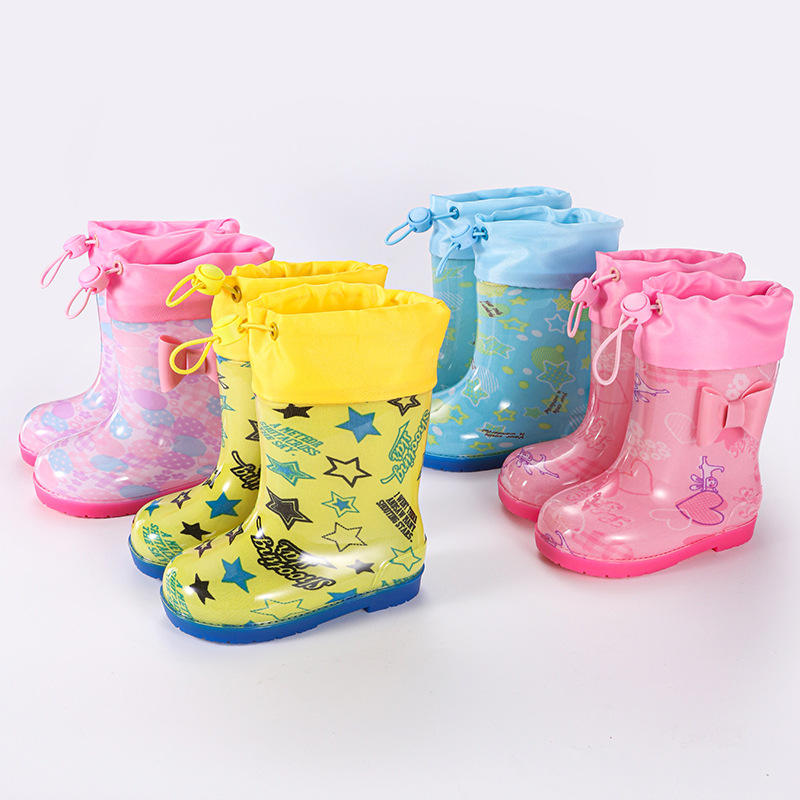
Meta Description: Heavy rain seasons leave farm workers navigating muddy irrigation systems that expose feet to moisture, contaminants, and slip risks. This guide explores the need for properly selected waterproof gum boots to maintain comfort and safety. Professional Rain Boot Manufacturer
Keywords: Waterproof Gum Boots, farm work footwear, muddy irrigation footwear, boot materials, rubber boot maintenance, occupational footwear standards
1. Core Problem Analysis
1.1 Common Causes of the Problem
Farm workers face three primary issues when using unsuitable footwear in muddy irrigation systems: water seepage through stitched seams or thin materials, slippage on wet, slippery concrete and mud surfaces, and accelerated material degradation from constant exposure to organic debris, fertilizers, and soil chemicals. Many off-the-shelf shoes lack the structural integrity to withstand repeated contact with these elements over extended work shifts.
1.2 Affected Usage Scenarios
The problems impact multiple farm tasks, including irrigation system repair and maintenance, crop harvesting in wet fields, livestock feeding in muddy pens, and transporting materials across waterlogged farmyards. These scenarios often require standing in water or mud for hours, making appropriate footwear a critical safety and comfort tool.
2. Product and Process Principle
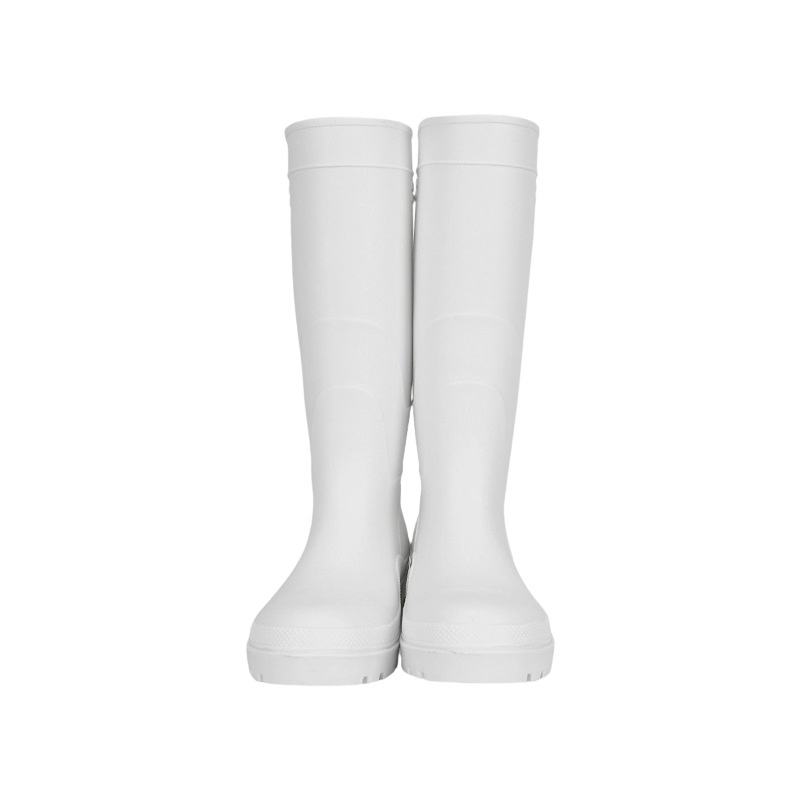
Waterproof gum boots rely on seamless rubber or PVC construction to prevent water penetration. Vulcanized rubber, a common material for heavy-duty farm boots, uses heat and pressure to bond rubber molecules into a flexible yet durable barrier that resists tears and abrasion. Injection-molded PVC, another popular option, creates uniform, smooth surfaces with no stitched seams to allow water entry. Shaft height typically ranges from 12 to 18 inches to cover lower legs and prevent mud splashes from reaching clothing, while outsole patterns are designed to grip wet, uneven terrain.
Professional Rain Boot Manufacturer refine these designs to balance flexibility, durability, and waterproof performance, adjusting compound formulations to meet specific occupational use cases.
3. Practical Solutions and Operation Steps
To select appropriate waterproof gum boots for farm work, follow these structured steps to align with irrigation system and muddy field requirements:
- Measure your foot size with work socks you would wear during long shifts, as footwear should have enough room for slight swelling from prolonged standing
- Check for seamless construction, either vulcanized rubber or injection-molded PVC, to eliminate water entry points through stitched seams
- Verify outsole tread pattern depth of at least 4mm to ensure grip on wet mud and concrete surfaces, avoiding flat treads that increase slip risk
- Choose a shaft height of 15 to 18 inches to cover lower legs, preventing mud and water from entering the boot during kneeling or standing in deep mud
- Confirm the material is resistant to common farm chemicals like dilute fertilizers and mild pesticides, checking for labels that reference chemical resistance for footwear
4. Daily Maintenance and Precautions
Proper maintenance extends the lifespan of waterproof gum boots and preserves their protective properties. After each use, rinse boots with clean water to remove mud, soil, and chemical residues, paying special attention to tread grooves where debris accumulates. Air dry boots in a shaded, well-ventilated area, avoiding direct sunlight or heat sources like space heaters that can cause rubber to crack or PVC to warp. Do not use strong solvents or abrasive cleaners, as these can degrade the waterproof material’s integrity.
Avoid storing boots in folded positions, as this can create creases that lead to material tears over time. Never use waterproof gum boots as safety footwear for tasks requiring impact or puncture protection, as they are not designed for those hazards.
5. Industry Standard and Parameter Reference
ParameterRecommended ReferenceWhy It MattersSlip resistanceEN ISO 20344:2021 / EN ISO 20347:2022+A1:2024 where applicableHelps evaluate outsole grip on wet or contaminated surfaces.Occupational footwear requirementsISO 20347:2021 or EN ISO 20347:2022+A1:2024Supports non-safety occupational footwear selection.Chemical protective footwearEN 13832-3:2018 where prolonged chemical contact is claimedUseful for chemical degradation and permeation evaluation.
These standards provide verified frameworks to assess boot performance, with test methods that simulate real-world farm work conditions, though exact performance numbers vary by test environment and manufacturer specifications.
6. Customer Common FAQ
Q: How do I know if a waterproof gum boot is truly waterproof for farm use?
A: Look for seamless construction and compliance with EN ISO 20347:2022+A1:2024, which includes water resistance testing for occupational footwear. Professional Rain Boot Manufacturer often include test results for water seepage during the manufacturing process to verify performance.
Q: Can I use regular rubber rain boots for farm work in muddy irrigation systems?
A: Regular rain boots may have thinner materials or shallower treads that wear out quickly when exposed to mud, farm chemicals, and rough terrain. Select boots designed for heavy occupational use rather than casual wear.
Q: Do waterproof gum boots require special cleaning to maintain their properties?
A: Rinse with clean water after each use and avoid harsh chemicals, as these can break down rubber or PVC. Soft brushes work well for removing debris without damaging the boot’s surface.
Q: What size should I choose if my feet swell during long work shifts?
A: Select a size that leaves about a half-inch of space between your toe and the boot’s front, even with thick work socks, to accommodate slight swelling from standing for extended periods.
Conclusion
Waterproof gum boots are not just a comfort item for farm workers in heavy rain seasons—they are a necessary tool to prevent slip injuries, reduce moisture-related foot issues, and protect against contaminants found in muddy irrigation systems. By selecting boots with seamless construction, adequate tread, and compliance with relevant occupational standards, workers can ensure their footwear meets the demands of farm tasks. Professional Rain Boot Manufacturer provide the technical guidance needed to align boot selection with specific farm work needs, balancing durability, functionality, and safety.