Meta Description: Field workers in mud, standing water, and constant moisture face unique hazards from inadequate footwear, including slips, contamination, and reduced work efficiency. This guide breaks down the purpose of waterproof boots for these conditions, covering material choices, use cases, and maintenance tips. Professional Rain Boot Manufacturer ensures aligned product knowledge for industrial and agricultural settings.
Keywords: waterproof boots, field work footwear, rubber rain boots, wet work conditions, boot maintenance, occupational footwear
1. Core Problem Analysis
1.1 Common Causes of the Problem
Workers in continuously wet environments encounter multiple preventable issues related to footwear: unaddressed water intrusion can lead to blisters, fungal growth, and reduced mobility; inadequate slip resistance on slick surfaces increases fall risk; and improper material selection can cause rapid degradation when exposed to mud, chemicals, or prolonged moisture. Many users confuse general rain boots with work-specific waterproof options, unaware of the performance gaps between casual and occupational footwear.
1.2 Affected Usage Scenarios
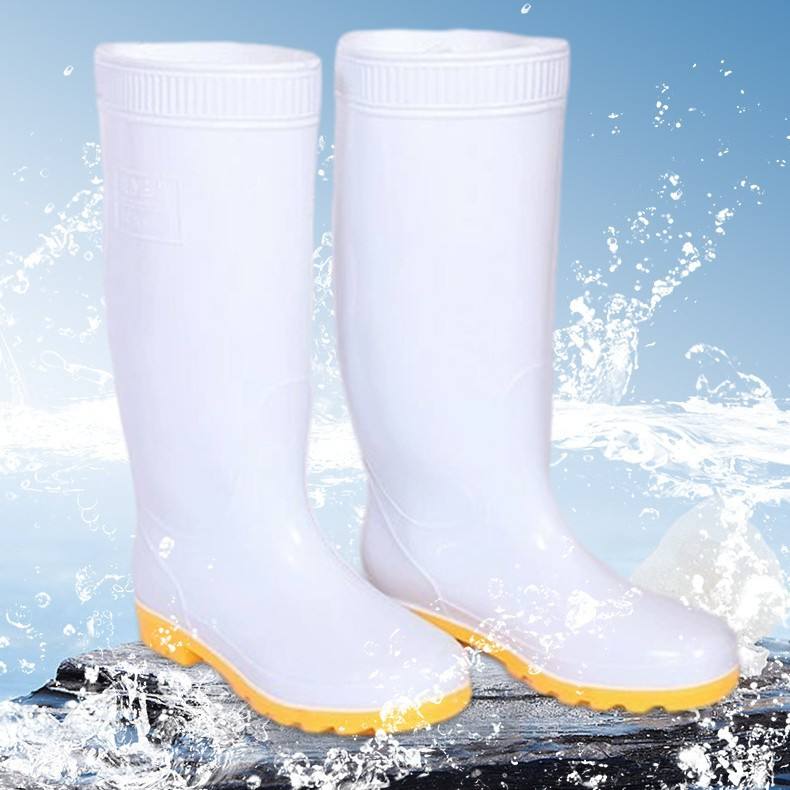
These issues impact a wide range of field-based roles, including agricultural harvesting, food processing plant sanitation, commercial fishing, warehouse floor cleaning, livestock handling, and outdoor construction in rainy seasons. Each scenario brings unique demands: for example, livestock work requires footwear resistant to manure and organic contaminants, while food processing needs boots that meet hygiene and non-porous material standards.
.png)
2. Product and Process Principle
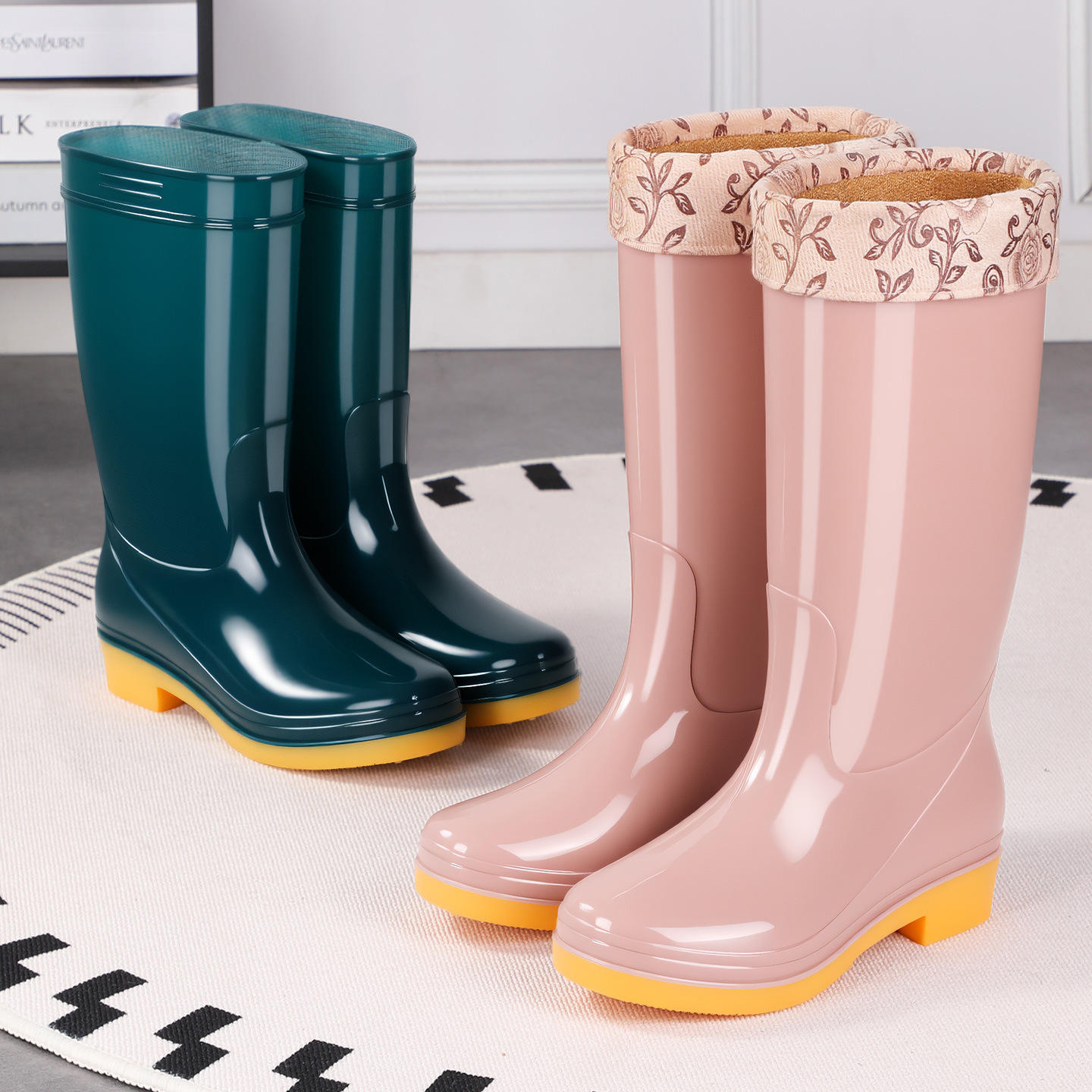
Waterproof boots rely on specific material and design choices to block water while supporting functionality. Common materials include PVC, natural rubber, EVA, and TPR, each with distinct properties: PVC offers low cost and chemical resistance, vulcanized rubber provides durability and flexibility in wide temperature ranges, EVA delivers lightweight cushioning, and TPR improves outsole traction on wet surfaces. Production processes include injection molding for seamless, leak-free construction and vulcanization for rubber materials that enhance structural integrity.
A Professional Rain Boot Manufacturer understands how compound formulation affects performance, adjusting material blends to balance waterproofing, weight, and durability for different work environments. Seam-free construction, where upper and sole are bonded in a single process, eliminates the risk of water seeping through stitched seams, a key feature for heavy-duty use.
3. Practical Solutions and Operation Steps
Selecting the right waterproof boots involves matching features to the specific demands of the work environment, with clear boundaries for suitability. Follow these actionable steps to make an informed choice:
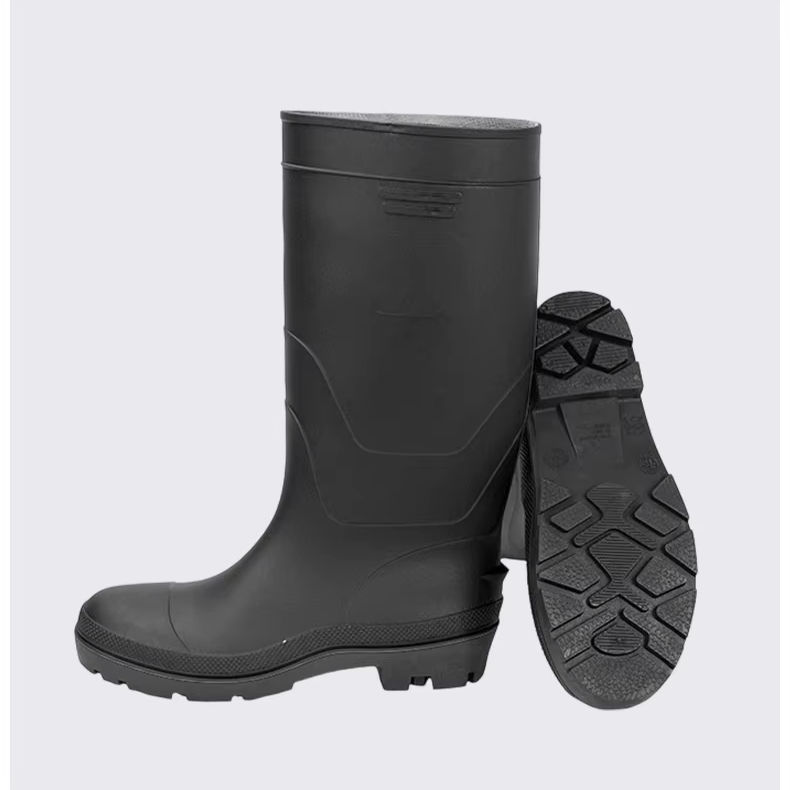
- Assess the primary work scenario: For general muddy field work, choose boots with a deep, lugged outsole pattern; for food processing, opt for smooth, easy-to-clean non-porous materials.
- Confirm waterproofing certification: Look for compliance with standards such as EN ISO 20347 or ISO 20347, which test for water resistance in occupational footwear.
- Check shaft height: Knee-high boots are ideal for deep standing water, while ankle-high options work for light moisture exposure, balancing coverage with movement ease.
- Verify lining and fit: Moisture-wicking linings reduce internal condensation, and a proper fit prevents blisters while allowing space for work socks.
- Define temperature range: For cold environments, select materials that retain flexibility at low temperatures, avoiding rigid rubber that cracks or loses grip.
These steps help avoid mismatches: for example, a lightweight EVA boot may not be suitable for heavy construction work requiring impact resistance, while a thick rubber boot may be too hot for extended wear in warm, wet climates.
4. Daily Maintenance and Precautions
Proper care extends the lifespan and performance of waterproof boots, preventing common issues like material degradation and water intrusion. Follow these maintenance practices: After each use, wipe boots with a damp cloth to remove mud, chemicals, or manure, and avoid using strong solvents that can break down material compounds. Rinse thoroughly with clean water and air dry in a shaded, well-ventilated area, away from direct sunlight or heat sources that can cause warping or brittleness.
Additional precautions include: Do not store boots in a folded position, as this can crease the material and create weak points that allow water to seep in over time. Avoid exposing waterproof boots to gasoline, petroleum products, or harsh industrial chemicals unless they are specifically designed for chemical resistance. Never use standard waterproof boots as safety footwear with protective toes, as this may not meet required impact or compression standards for hazardous work environments.
5. Industry Standard and Parameter Reference
Occupational waterproof boots are evaluated against internationally recognized standards to ensure consistent performance. The table below outlines key parameters and their relevance for field work environments:
ParameterRecommended ReferenceWhy It MattersSlip resistanceEN ISO 20344:2021 / EN ISO 20347:2022+A1:2024Helps evaluate outsole grip on wet, muddy, or chemically contaminated surfaces, reducing fall risk in field work.Occupational footwear requirementsISO 20347:2021 or EN ISO 20347:2022+A1:2024Supports selection of non-safety waterproof boots for general wet work environments.Safety toe footwearASTM F2413-24 where protective toe performance is claimedRelevant only when boots are designed and marked as protective safety footwear for impact-prone work.Chemical protective footwearEN 13832-3:2018 where prolonged chemical contact is claimedUseful for evaluating material resistance to spills in industrial field settings.Water resistance testingISO 20344:2021 Section 8Determines the ability of boot materials and seams to prevent water intrusion during extended wet exposure.
Do not fabricate performance numbers: All claims about waterproofing, slip resistance, or chemical resistance must be verified through third-party testing reports from accredited organizations like SGS or Intertek, referenced against the exact standard specifications.
6. Customer Common FAQ
Q: How do I know if waterproof boots are right for my specific field work?
A: Evaluate your work environment’s moisture level, surface conditions, and exposure to chemicals or contaminants. A Professional Rain Boot Manufacturer can provide guidance on selecting materials and features aligned with your role, such as deep lugs for mud or smooth surfaces for food processing.
Q: Do all waterproof boots offer the same level of water resistance?
A: No. Waterproofing performance varies by material and construction: seamless PVC boots offer good water resistance for light use, while vulcanized rubber boots provide superior durability for prolonged deep water exposure. Always check for certification against relevant standards to confirm performance.
Q: How often should I clean and maintain my waterproof boots?
A: Clean boots after every use, especially if exposed to mud, chemicals, or livestock waste. For regular maintenance, air dry boots completely before storage, and inspect for cracks or seam gaps every 3 months to address small issues before they cause leaks.
Q: Can I use regular rain boots for heavy-duty field work?
A: Regular rain boots are designed for casual use, not occupational field work. They often lack slip-resistant outsoles, durable materials, and waterproofing that withstands prolonged moisture or contaminant exposure, increasing risk of injury or equipment damage.
Conclusion
Waterproof boots address critical, often overlooked hazards in continuously wet field work environments, from slip risk to material degradation, by combining suitable materials, proper construction, and compliance with industry standards. By following targeted selection, maintenance, and care practices, workers can extend boot lifespan and improve on-site safety and comfort. A Professional Rain Boot Manufacturer contributes specialized knowledge to align product choices with unique work demands, ensuring informed, evidence-based decisions for field footwear needs.
References
- International Organization for Standardization. (2021). ISO 20344:2021 Footwear – Test Methods for Footwear. Geneva: ISO.
- International Organization for Standardization. (2021). ISO 20347:2021 Occupational Footwear. Geneva: ISO.
- European Committee for Standardization. (2022+A1:2024). EN ISO 20347:2022+A1:2024 Occupational Footwear. Brussels: CEN.
- American Society for Testing and Materials. (2024). ASTM F2413-24 Standard Specification for Performance of Footwear. West Conshohocken, PA: ASTM International.
- European Committee for Standardization. (2018). EN 13832-3:2018 Chemical Protective Footwear – Part 3: Requirements for Footwear Protecting Against Liquid Chemicals. Brussels: CEN.