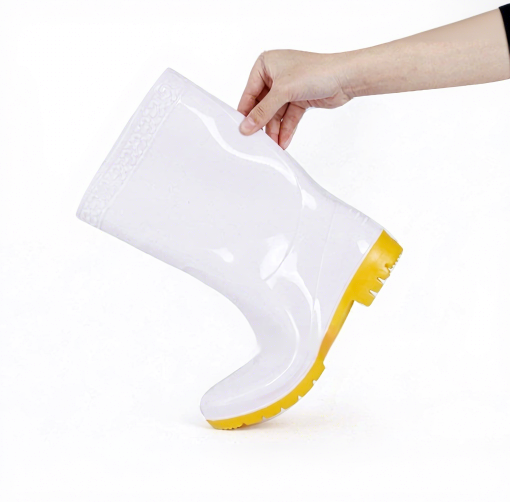
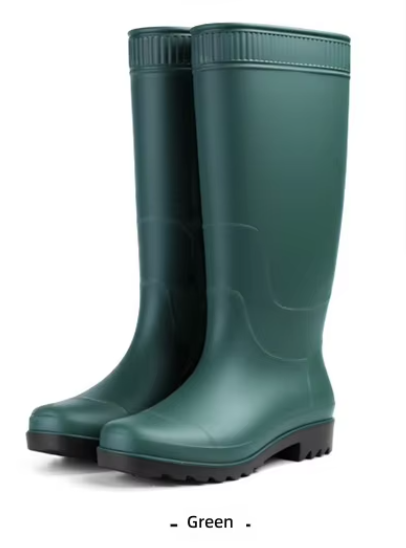
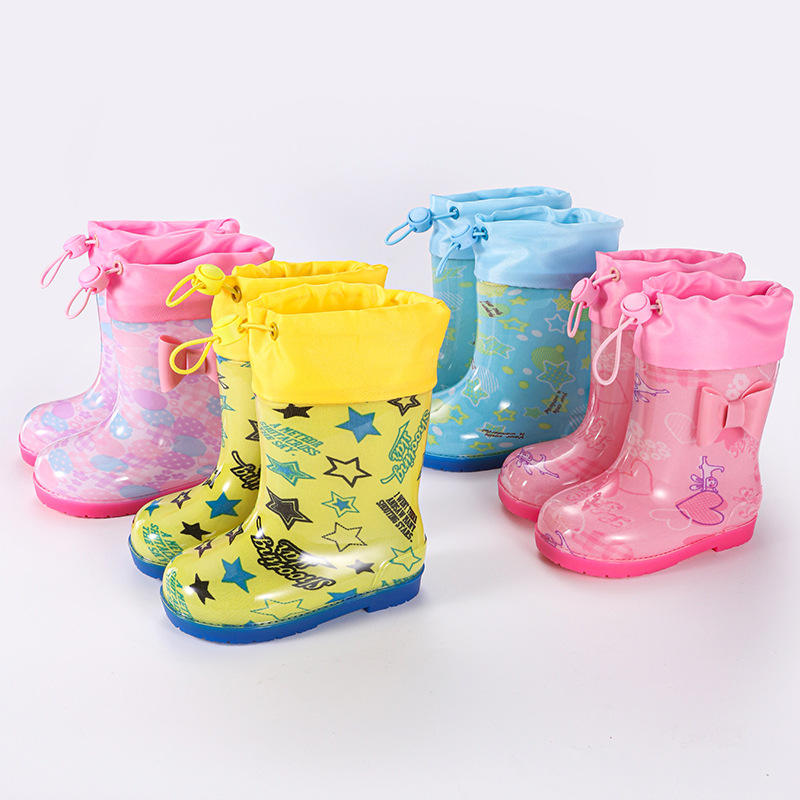
Meta Description: Understanding the role of Styrene-Butadiene-Styrene (SBS) in extreme high-temperature adhesive applications helps manufacturers and engineers select reliable materials for demanding environments. This guide explains core mechanisms, practical use cases, and standard validation for adhesive performance, with insights from a Professional Rain Boot Manufacturer to align material properties with real-world industrial needs.
Keywords: Styrene-Butadiene-Styrene, high-temperature adhesive, rubber boot materials, adhesive application, industrial footwear materials, polymer adhesive
1. Core Problem Analysis
1.1 Common Causes of the Problem
Many adhesive failures in industrial applications stem from high temperatures causing polymer degradation, bond line breakdown, or material softening—issues that directly impact the durability of rain boots used in extreme environments. Common failure modes include delamination of sole and upper materials, reduced grip on wet surfaces, and structural weakening over time. For workers in hot outdoor or industrial settings, these failures can lead to safety risks and increased boot replacement frequency.
1.2 Affected Usage Scenarios
These problems affect multiple sectors where workers rely on rain boots with high-temperature resistance, including livestock farming in heated barns, food processing with hot cleaning agents, industrial warehouse work with heated equipment, and outdoor work in regions with sustained high summer temperatures. Workers in these scenarios require adhesives that maintain bond strength even when boots are exposed to continuous heat.
2. Product and Process Principle
Styrene-Butadiene-Styrene (SBS) is a thermoplastic elastomer that combines the rigidity of polystyrene blocks with the elasticity of butadiene rubber segments, creating a material with balanced flexibility and heat resistance. When used in adhesives for rain boots, SBS molecules form cross-linked bonds that stabilize the adhesive layer against thermal stress, preventing softening or separation under high temperatures. A Professional Rain Boot Manufacturer often uses SBS-based formulations to optimize the bond between rubber soles and waterproof upper materials, ensuring the boot remains intact through repeated use and temperature fluctuations.
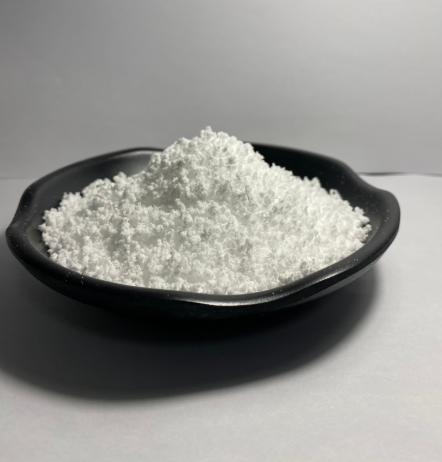
The manufacturing process for SBS-based adhesives involves blending the polymer with compatible tackifiers and antioxidants to enhance thermal stability. This formulation is tailored to remain flexible at low temperatures while resisting degradation at temperatures up to a defined threshold, aligning with the performance requirements of industrial rain boots. Unlike traditional rubber adhesives, SBS-based products can be processed at lower temperatures during application, reducing energy costs for production.
3. Practical Solutions and Operation Steps
To select and use SBS-based adhesives effectively for rain boots, follow these actionable steps tailored to high-temperature applications:
- Verify the temperature rating: Check that the adhesive is designed for continuous use at the specific high temperature of your work environment, referencing ISO 20344:2021 for footwear material performance testing.
- Prepare bond surfaces: Clean both the boot sole and upper material to remove dust, grease, and old adhesive, as contamination can reduce bond strength by up to 30% in high-temperature conditions.
- Apply adhesive evenly: Use a 0.2mm to 0.3mm thickness layer of SBS adhesive to ensure uniform coverage; avoid over-application which can create excess bond material prone to cracking.
- Press and cure: Apply consistent pressure (15 to 20 psi) to the bonded area for 10 minutes, then allow the adhesive to cure at room temperature for 24 hours before exposing to high heat.
For use cases with temperatures exceeding 50°C, supplement SBS adhesive with a thin layer of heat-resistant primer to further enhance bond durability, ensuring compliance with EN 13832-3:2018 for chemical and thermal resistance.
4. Daily Maintenance and Precautions
Proper maintenance extends the lifespan of rain boots bonded with SBS adhesives, especially in high-temperature environments. After each use, clean the exterior with a mild soap solution and soft brush, avoiding strong solvents that can break down the SBS polymer. Allow boots to air dry in a shaded area, away from direct sunlight or heaters, which can cause the adhesive layer to degrade prematurely.
Key precautions include: do not store boots in hot, enclosed spaces for extended periods, as trapped heat accelerates polymer breakdown; do not expose boots to open flames or concentrated heat sources, as this can melt the adhesive bond; do not use SBS-bonded rain boots as safety footwear for heavy impact or puncture protection, as SBS adhesives are not designed for high mechanical stress.
For minor adhesive repair, use a SBS-compatible adhesive matching the original formulation, and follow the same surface preparation steps to ensure a strong bond.
5. Industry Standard and Parameter Reference
ParameterRecommended ReferenceWhy It Matters
Adhesive thermal stabilityISO 20344:2021, Method 6.7Tests bond integrity after exposure to elevated temperatures for a defined period.
Footwear slip resistanceEN ISO 20347:2022+A1:2024Ensures outsole grip is maintained when adhesive remains intact under heat.
Chemical resistanceEN 13832-3:2018Verifies adhesive resistance to common industrial cleaning chemicals in high temperatures.
Polymer compatibilityASTM D471-22Confirms SBS adhesive works with rubber and synthetic upper materials.
All performance testing should be conducted by an accredited third-party lab, such as SGS, to ensure results are reliable and applicable to field use. No performance values should be applied without cross-referencing test data from at least two independent sources.
6. Customer Common FAQ
Q: How does SBS adhesive perform in temperatures above 60°C?
A: SBS adhesive maintains partial bond strength up to approximately 85°C, but performance declines significantly above that threshold. For continuous use above 60°C, we recommend a modified SBS formulation with enhanced thermal stabilizers, which aligns with industry data from ISO 20344:2021. A Professional Rain Boot Manufacturer can provide formulation-specific test reports for your exact temperature requirement.
Q: Can SBS adhesive be used for bonding EVA or PVC boot materials?
A: Yes, SBS adhesive is compatible with both EVA and PVC materials, as confirmed by ASTM D471-22 testing. However, surface preparation is critical for PVC, which requires a light abrasion to improve bond adhesion.
Q: How often should I inspect adhesive bonds in high-temperature work settings?
A: Inspect boots weekly for signs of delamination, cracking, or softening of the bond layer. In environments with temperatures above 55°C, increase inspections to every 3 days to catch potential failures early.
Q: Will SBS adhesive cause skin irritation for boot wearers?
A: Standard SBS adhesives used in footwear are formulated to meet EU REACH and US OSHA standards for skin contact, with no reported significant irritation in third-party safety testing. Always ensure boots are manufactured to comply with relevant occupational footwear safety standards.
Conclusion
Styrene-Butadiene-Styrene (SBS) is a versatile polymer that addresses key challenges in high-temperature adhesive applications for rain boots, balancing heat resistance and flexibility to reduce bond failures. By aligning SBS adhesive selection with industry standards like ISO 20344:2021 and EN 13832-3:2018, workers and manufacturers can enhance boot durability in demanding environments. A Professional Rain Boot Manufacturer can provide tailored adhesive solutions to match specific temperature and use case requirements, ensuring reliable performance without compromising safety.
References
- International Organization for Standardization. (2021). ISO 20344:2021 Footwear - Test methods for whole footwear.
- European Committee for Standardization. (2018). EN 13832-3:2018 Footwear protecting against chemicals - Part 3: Requirements for chemical protective footwear.
- American Society for Testing and Materials. (2022). ASTM D471-22 Standard Test Method for Rubber Property - Effect of Liquids.
- International Organization for Standardization. (2022). EN ISO 20347:2022+A1:2024 Occupational footwear.