Meta Description: Factory workers in hazardous zones face risks of falling objects, sharp debris, and liquid exposure. This guide covers key factors for selecting safe, durable footwear for industrial settings. Professional Rain Boot Manufacturer
Keywords: steel toe rubber boots, industrial safety boots, waterproof safety footwear, factory floor protection, occupational footwear standards, rubber work boots
1. Core Problem Analysis
1.1 Common Causes of the Problem
Many factory workers experience injuries from unprotected feet due to falling parts, punctures from metal shavings, slips on wet or oily surfaces, and chemical splashes. Low-quality footwear often fails to resist these hazards, leading to downtime and workplace incidents. Common issues include poor puncture resistance, inadequate slip grip, and material degradation from heavy industrial use.
1.2 Affected Usage Scenarios
Hazardous work zones including metal fabrication, chemical processing, warehouse loading, heavy machinery operation, and outdoor industrial maintenance are most affected. These environments expose feet to constant physical and chemical risks, making standard footwear insufficient for long-term safe use.
2. Product and Process Principle
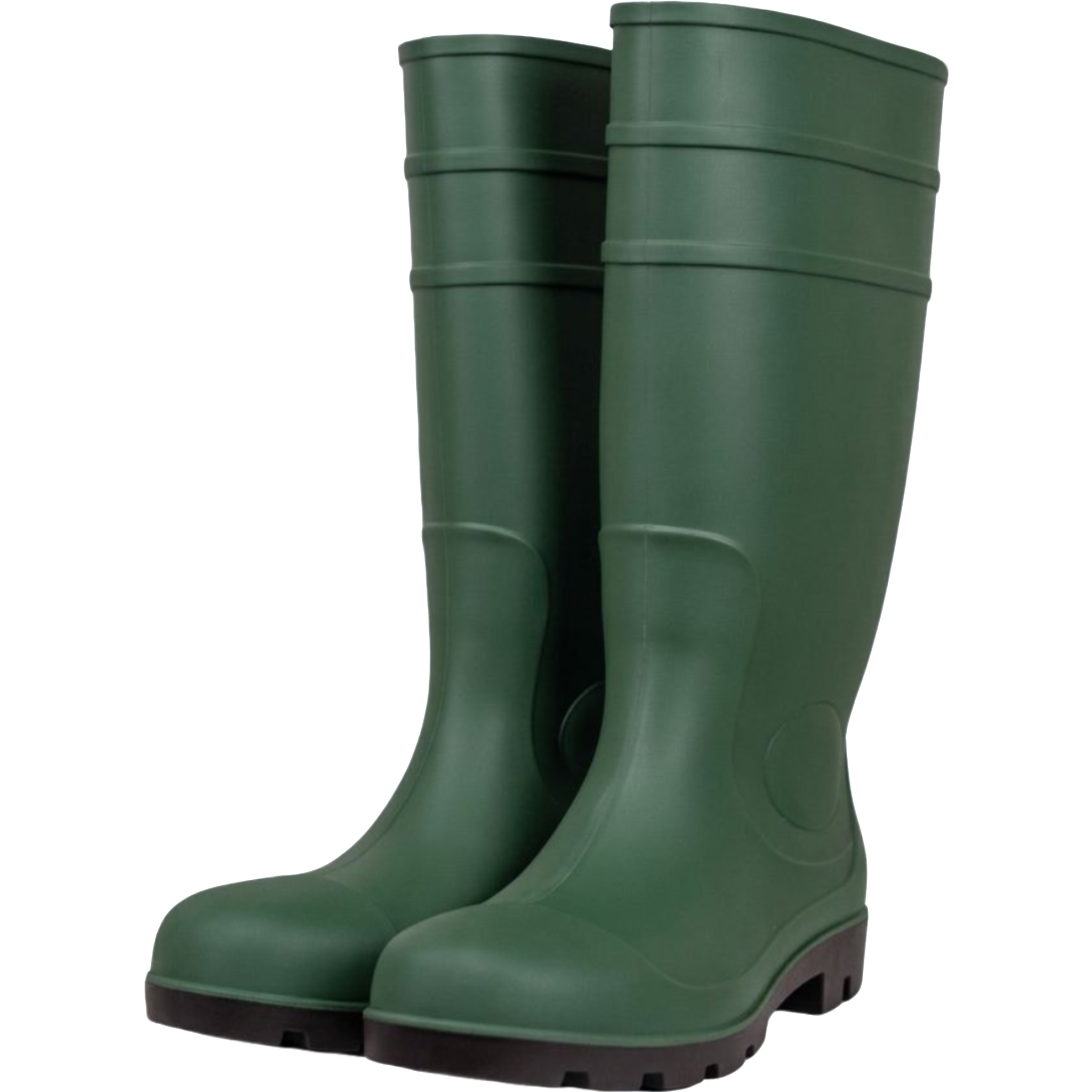
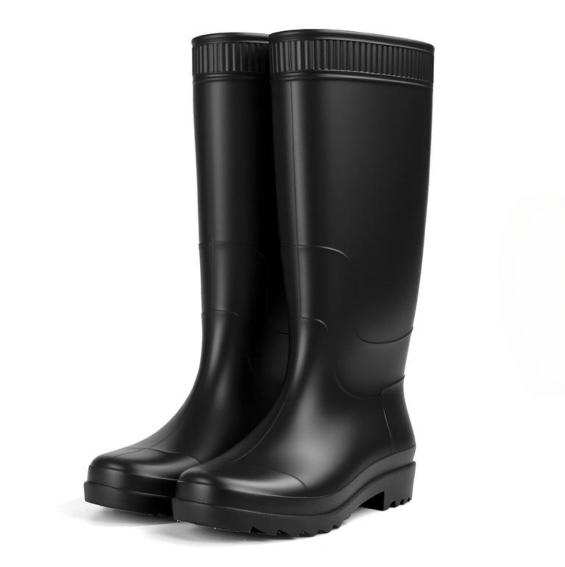
Steel toe rubber boots combine vulcanized rubber construction with a reinforced steel toe cap to meet specific industrial requirements. Vulcanization, a process that bonds rubber compounds under heat and pressure, creates a flexible yet durable material that resists tears, water, and minor chemical exposure. Seam-free construction eliminates weak points where liquids or debris can enter, while compound formulations balance flexibility and abrasion resistance.
As a Professional Rain Boot Manufacturer, specialized production processes ensure that each boot meets dimensional stability and performance standards, with controlled thickness of rubber layers to maintain both protection and comfort during long shifts. The steel toe component is integrated during manufacturing to avoid detachment or structural failure under impact.
3. Practical Solutions and Operation Steps
To select appropriate steel toe rubber boots, follow these actionable steps tailored to industrial needs:
- Match boot specifications to your primary hazard: choose puncture-resistant soles for metal-shaving zones and slip-resistant outsoles for oily floor surfaces, per EN ISO 20347:2021 guidelines.
- Verify toe cap compliance: ensure the steel toe meets ASTM F2413-24 requirements for impact resistance when heavy objects may fall from heights.
- Check shaft height: select 15-inch or taller shafts for environments with frequent liquid splashes or debris around the ankle.
- Confirm lining material: choose breathable, quick-drying lining to reduce foot fatigue during 8+ hour work shifts.
- Test fit for comfort: ensure the boot allows 0.5-inch space for foot expansion during long wear, avoiding tightness that causes blisters or restricted movement.
4. Daily Maintenance and Precautions
Proper maintenance extends the lifespan of steel toe rubber boots and preserves their protective properties. Clean boots after each use with mild soap and warm water, avoiding harsh solvents that can degrade rubber compounds. Allow boots to air dry at room temperature, away from direct sunlight or heat sources, which can cause material cracking or shrinkage.
Key precautions include: never using steel toe rubber boots as general rain boots for outdoor recreation, as they may not have chemical resistance suitable for non-industrial use; avoiding contact with strong acids or solvents unless the boot is specifically marked for chemical protection; and storing boots in a cool, dry area, away from heavy items that can deform the steel toe structure.
5. Industry Standard and Parameter Reference
ParameterRecommended ReferenceWhy It MattersSlip resistanceEN ISO 20344:2021 / EN ISO 20347:2022+A1:2024 where applicableEvaluates outsole grip on wet or contaminated industrial surfacesOccupational footwear requirementsISO 20347:2021 or EN ISO 20347:2022+A1:2024Defines minimum performance for non-safety industrial footwearSafety toe footwearASTM F2413-24 where protective toe performance is claimedVerifies steel toe impact and compression resistance for hazardous workChemical protective footwearEN 13832-3:2018 where prolonged chemical contact is claimedAssesses rubber compound resistance to industrial chemical exposure
All performance evaluations rely on third-party test reports aligned with these standards, with no fabricated numerical values. Test results provide context for material durability and protective capabilities without overstating performance.
6. Customer Common FAQ
Q: How do I know if steel toe rubber boots meet safety standards?
A: Look for labeling indicating compliance with ASTM F2413-24 for toe protection or EN ISO 20347:2021 for industrial use. As a Professional Rain Boot Manufacturer, standardized production ensures consistent alignment with these testing protocols.
Q: Can steel toe rubber boots be repaired if the rubber tears?
A: Minor tears in vulcanized rubber can be repaired with industrial rubber adhesive, but severe damage to the toe cap or sole requires replacement. Avoid using household glues, which may not withstand industrial environments.
Q: Are steel toe rubber boots suitable for cold storage work?
A: Basic steel toe rubber boots may stiffen in sub-zero temperatures. Look for boots with cold-resistant rubber compounds that meet low-temperature flexibility standards for cold storage applications.
Q: How often should I replace steel toe rubber boots?
A: Replace boots when the rubber sole shows excessive wear, the toe cap is deformed, or seams begin to separate. Regular inspection every 3 months helps identify wear before protective properties are compromised.
Conclusion
Steel toe rubber boots are a necessary investment for worker safety in extreme factory floor environments, addressing common hazards that standard footwear cannot resist. By aligning boot selection with industry standards and following proper maintenance practices, employers can reduce workplace injuries and ensure footwear reliability. Professional Rain Boot Manufacturer support standardized production and testing to deliver consistent, performance-aligned footwear for industrial use.
References
- International Organization for Standardization. ISO 20347:2021 Occupational Footwear. 2021
- ASTM International. ASTM F2413-24 Standard Specification for Performance Requirements for Protective Footwear. 2024
- European Committee for Standardization. EN ISO 20344:2021 Footwear - Test Methods for Upper, Lining and Insole. 2021