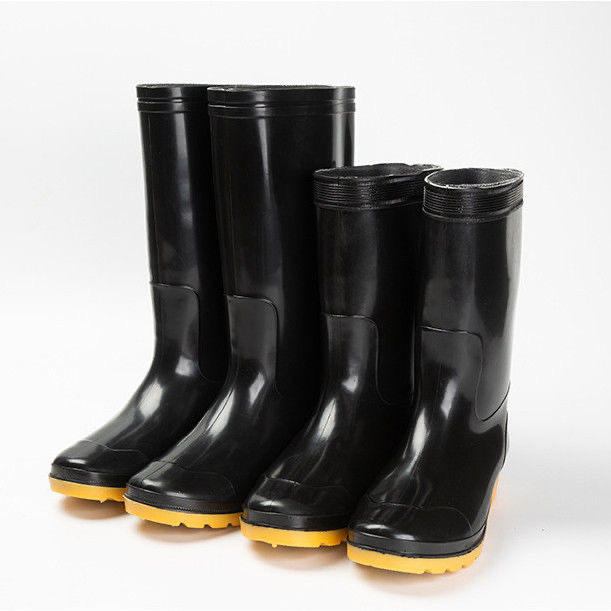
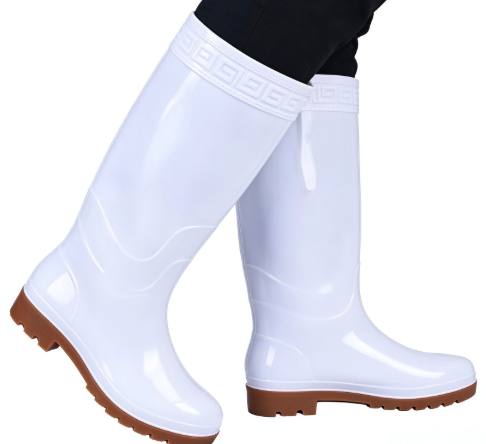
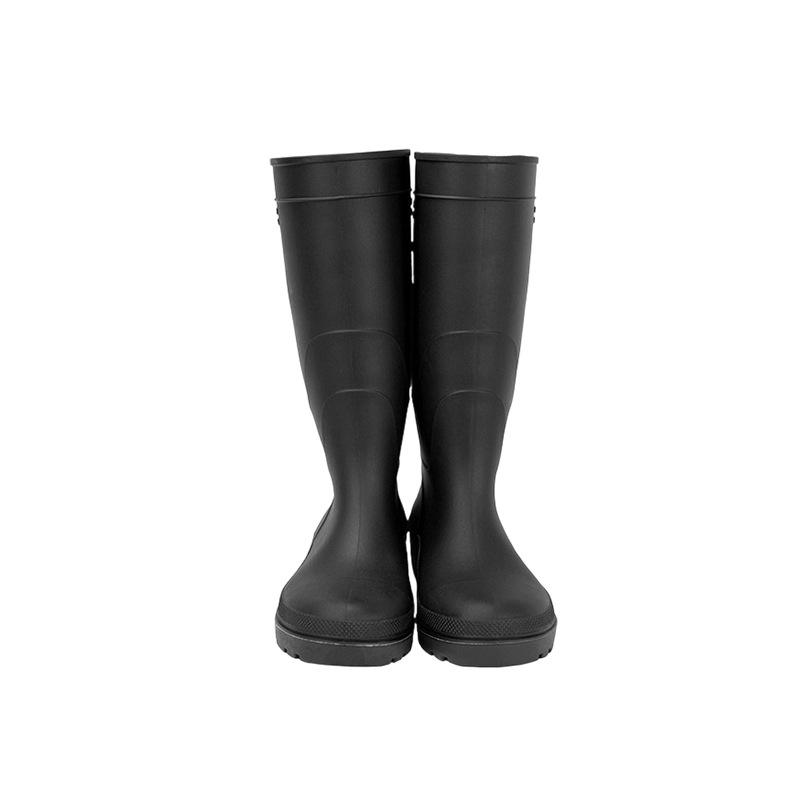
Meta Description: Cold-water shoreline angling in winter requires gear that balances insulation, traction, and waterproofing to stay safe and comfortable. This guide breaks down key features to look for in men's fishing boots, with expert insights from a Professional Rain Boot Manufacturer to support informed choices.
Keywords: men's fishing boots, cold-water angling boots, waterproof fishing footwear, winter shoreline fishing, boot traction for wet rocks
1. Core Problem Analysis
1.1 Common Causes of the Problem
Winter cold-water shoreline angling presents unique challenges for footwear that casual boots or generic rain boots cannot address. Most non-specialized boots fail to combine three critical properties: thermal insulation that works in near-freezing temperatures, waterproof protection against splashing and tidal exposure, and slip resistance on wet, algae-covered shoreline rocks. Additional common issues include poor fit that leads to cold air seepage, rigid soles that limit natural movement on uneven terrain, and materials that degrade quickly when exposed to saltwater or repeated temperature fluctuations.
1.2 Affected Usage Scenarios
These problems impact all cold-water shoreline angling activities, including tidal flat fishing, rocky coast wading, and shore-based casting. Anglers who fish from shore or move between wet rocks, tidal pools, and dry embankments are particularly at risk: slip-related falls can lead to hypothermia in cold conditions, while cold feet can reduce focus and endurance during multi-hour outings. Scenarios like early-morning fishing or high-wind coastal trips amplify these issues, as wind chill can lower effective foot temperature by several degrees even with ambient air temperatures above freezing.
2. Product and Process Principle
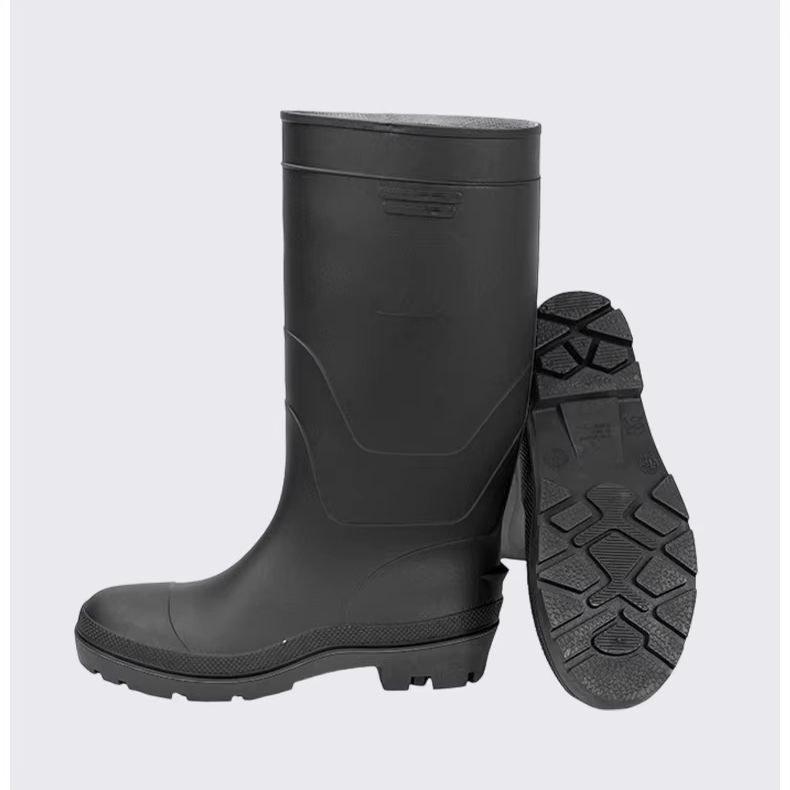
Men's fishing boots for cold shoreline angling rely on material science and precision manufacturing to address these challenges. High-quality options combine a thick, flexible rubber or PVC outer shell with a closed-cell foam or neoprene lining, which traps warm air while repelling water. The outsole uses a high-traction rubber compound with deep lugs or multidirectional patterns, designed to grip smooth, wet rock surfaces without transferring excess force to the foot. Seam-free construction, achieved through injection molding or vulcanization, eliminates potential leak points that can occur with glued or stitched seams.
A Professional Rain Boot Manufacturer leverages standardized production techniques to balance insulation flexibility and waterproof performance. For cold-water use, compounds are formulated to remain flexible at temperatures as low as -15 degrees Celsius, preventing cracking that would allow water or cold air to enter. This formulation is tested per ISO 20344:2021 to ensure it maintains performance after repeated flexing and temperature changes.
3. Practical Solutions and Operation Steps
To select the right men's fishing boots for winter shoreline angling, follow these specific, actionable steps to match your needs to the boot's properties:
- Check the outsole's traction rating: Look for boots tested to EN ISO 20347:2022+A1:2024 slip resistance standards, which indicate performance on wet and contaminated surfaces. Avoid flat, smooth soles that provide no grip on algae-covered rocks.
- Verify insulation type: Closed-cell foam liners (5mm to 10mm thickness) are ideal for cold shoreline use, as neoprene can absorb small amounts of water over extended exposure. Avoid thin fabric liners that offer no meaningful warmth retention.
- Confirm shaft height: Choose a shaft height of 12 to 16 inches to cover the ankle and lower calf, which protects against tidal splashes and cold air that seeps into lower-cut boots. For wading in shallow tidal pools, a lower height may be sufficient, but taller shafts offer greater versatility.
- Test for fit and flexibility: Bend the boot's toe and heel during selection to ensure the material remains flexible. A boot that feels stiff when new will restrict movement and fail to insulate properly in cold conditions.
- Check for waterproof construction: Ensure the boot has no exposed glued seams, as these can separate with repeated use and water exposure. Seam-free molded construction is recommended for long-term waterproof performance.
4. Daily Maintenance and Precautions
Proper maintenance extends the lifespan of men's fishing boots and preserves their performance in cold conditions. After each use, rinse the outer shell with fresh water to remove salt, sand, or debris, then wipe the interior with a dry cloth. Allow the boots to air dry completely in a cool, shaded area, away from direct sunlight or space heaters, which can cause the rubber to crack or the liner to degrade. Avoid storing boots in damp areas, as this can lead to mold growth that degrades the insulating properties of the liner.
Additional precautions include: never using strong solvents (like gasoline or paint thinner) to clean the boot, as these can break down the rubber compound; avoiding contact with sharp rocks or metal that can puncture the outer shell; and not using fishing boots as general work boots, as they are designed specifically for angling conditions and do not meet industrial safety standards.
5. Industry Standard and Parameter Reference
ParameterRecommended ReferenceWhy It Matters
Slip resistanceEN ISO 20347:2022+A1:2024Helps evaluate outsole grip on wet or rock surfaces common in shoreline angling
Flexibility at low temperaturesISO 20344:2021 Section 8.6: Low-Temperature Flex TestEnsures the boot remains functional in cold conditions
Waterproof performanceISO 20344:2021 Section 7.1: Static Waterproof TestConfirms the boot prevents water entry during exposure
Occupational footwear requirementsISO 20347:2021Supports selection of non-safety footwear for angling use
All performance claims for men's fishing boots should align with the relevant sections of these standards. For example, a boot marketed as suitable for cold water should pass the low-temperature flex test at a minimum of -10 degrees Celsius, the typical minimum temperature for winter shoreline angling.
6. Customer Common FAQ
Q: Are neoprene-lined boots better than foam-lined boots for winter angling?
A: It depends on usage duration. Neoprene absorbs small amounts of water, which can cool the foot during extended (6+ hour) outings in very cold water. A Professional Rain Boot Manufacturer notes that closed-cell foam liners are more effective for prolonged cold-water exposure, as they do not absorb water even when splashed frequently.
Q: How do I clean salt residue from my fishing boots?
A: Rinse the outer shell with cool fresh water immediately after each use, then let the boots dry naturally. Do not use hot water, as this can cause salt to crystallize inside the liner, reducing its insulating properties.
Q: Can I use regular rubber rain boots for winter shoreline angling?
A: Generic rain boots often lack the low-temperature flexibility and traction required for shoreline angling. Most are not tested to EN ISO 20347 slip standards, so they may slip on wet rocks. They also typically have thinner liners that do not retain heat in near-freezing temperatures.
Q: What shaft height is best for shoreline angling?
A: A 12 to 16-inch shaft covers the ankle and lower calf, protecting against tidal splashes and cold air. For areas with high tides or rough waves, a taller 16-inch shaft is preferable. Shorter (8 to 10-inch) shafts work only for shallow, calm shoreline fishing.
Conclusion
Choosing men's fishing boots for cold-water winter shoreline angling requires focusing on three core features: low-temperature flexibility, reliable traction, and effective insulation. By following standard test references and maintenance practices, anglers can select boots that meet their needs without compromising safety or comfort. A Professional Rain Boot Manufacturer provides guidance on material selection and construction that ensures boots perform consistently in harsh coastal conditions.
References
- International Organization for Standardization. ISO 20344:2021, Footwear - Test methods for whole footwear, 2021.
- European Committee for Standardization. EN ISO 20347:2022+A1:2024, Occupational footwear, 2024.
- International Organization for Standardization. ISO 20347:2021, Occupational footwear, 2021.