Meta Description: Workers in wet, humid industries face discomfort, blisters and performance dips from non-breathable footwear. This guide explores key features to evaluate when choosing boots for extended exposure, and covers maintenance tips to extend product life. Professional Rain Boot Manufacturer provides standardized insights for reliable boot selection.
Keywords: breathable rain boots, waterproof work boots, occupational footwear, boot material principles, boot maintenance, wet environment footwear
1. Core Problem Analysis
1.1 Common Causes of the Problem
Many standard rain boots rely on non-breathable materials like unlined PVC that trap sweat, leading to excessive moisture inside the boot. For workers spending 8+ hours in humid conditions, this trapped moisture causes skin maceration, odor buildup and reduced traction as wet soles slip on wet surfaces. Additional issues include material degradation from prolonged contact with water or mild chemicals, and ill-fitting boots that restrict movement in muddy or cramped workspaces.
1.2 Affected Usage Scenarios
This problem impacts multiple occupational settings including food processing plants, agricultural farming, livestock handling, fishing operations, warehouse cleaning, and outdoor construction work. Each scenario brings unique demands: food processing requires sanitary easy-to-clean boots, while agricultural work needs high traction for uneven muddy terrain. Without proper breathable design, workers in these roles face reduced comfort, increased risk of foot-related injuries, and shortened boot lifespan.
2. Product and Process Principle
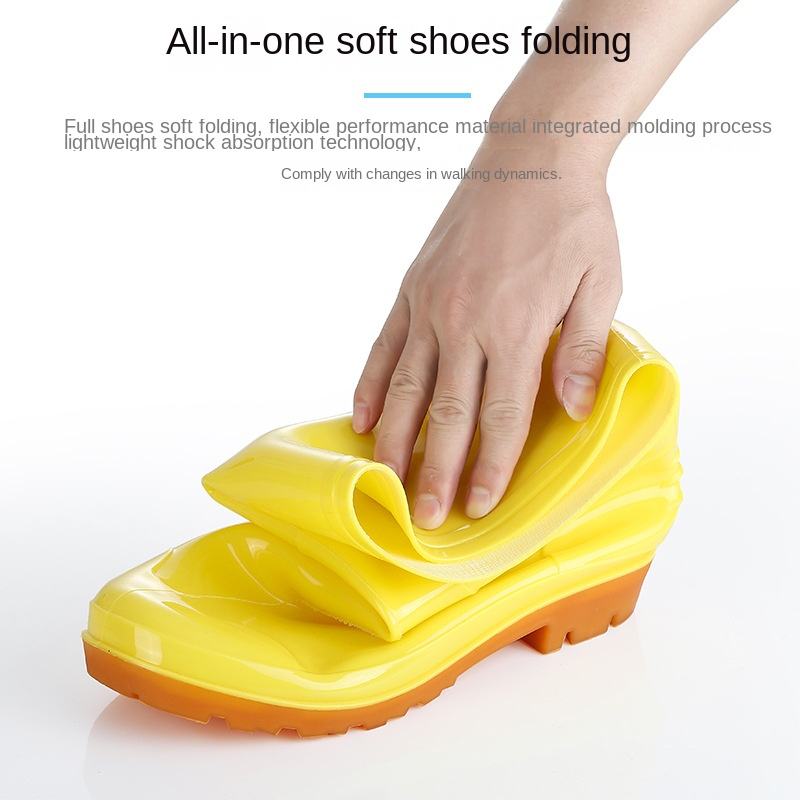
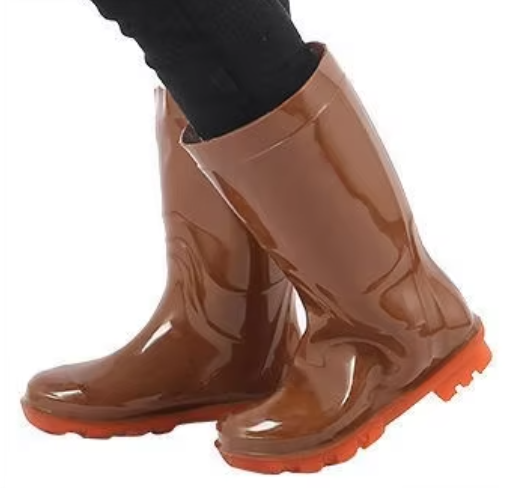
Breathable rain boots combine impermeable outer layers with moisture-wicking inner linings to balance waterproof protection and air flow. Outer materials often use vulcanized rubber or reinforced PVC, while lining may include microporous membranes or textile blends that allow water vapor to escape while blocking liquid water. Key manufacturing processes include seamless injection molding, which reduces water entry points, and controlled compound formulation that adjusts material flexibility for cold or high-temperature environments.
Professional Rain Boot Manufacturer uses standardized production processes to test vapor transmission rates, ensuring boots meet the needs of long-hour work environments. This focus on material balance avoids the trade-off between total waterproofing and breathability that plagues basic rain boot designs.
3. Practical Solutions and Operation Steps
When selecting breathable rain boots for long work hours, follow these actionable steps to match footwear to specific needs:
- Identify your primary work environment: confirm if you need slip resistance for smooth wet floors, heavy traction for muddy terrain, or chemical resistance for cleaning tasks.
- Check lining type: opt for moisture-wicking textile linings or microporous membrane layers over plain foam lining to reduce trapped sweat.
- Verify shaft height: choose a shaft length that covers ankles without restricting movement, based on whether you work in shallow puddles or deep muddy areas.
- Test fit: ensure boots leave 0.5 to 1 inch of space between the toe and front of the boot when standing, to accommodate foot swelling during long shifts.
- Review test data: ask for vapor transmission test results aligned with ISO 20347:2021 standards to confirm breathability performance.
For food processing roles, prioritize easy-to-clean outer materials and sanitary linings that meet hygiene standards, while agricultural workers should select boots with deep, self-cleaning outsole treads.
4. Daily Maintenance and Precautions
Proper maintenance extends the lifespan of breathable rain boots and preserves their performance. Clean boots with mild soap and warm water after each shift, avoiding harsh solvents that can damage microporous membranes. Allow boots to air dry naturally in a well-ventilated area, away from direct sunlight or heat sources that can warp outer materials or break down lining fibers.
Key precautions: do not use waterproofing sprays on breathable boots, as these can block vapor flow. Do not store boots in tight, humid spaces for extended periods, and avoid exposing them to harsh chemicals like bleach, which can degrade outer materials over time. Replace boots when outsole treads become worn or when seals show signs of cracking, to maintain both water resistance and breathability.
5. Industry Standard and Parameter Reference
ParameterRecommended ReferenceWhy It Matters
Slip resistanceEN ISO 20344:2021 / EN ISO 20347:2022+A1:2024 where applicableHelps evaluate outsole grip on wet or contaminated work surfaces.
Occupational footwear requirementsISO 20347:2021 or EN ISO 20347:2022+A1:2024Supports selection of non-safety boots for daily work use.
Breathability testingISO 17706:2019 Footwear - Test method for water vapour transmission rateMeasures ability of boot materials to allow vapor escape, critical for long wet work hours.
Chemical protective footwearEN 13832-3:2018 where prolonged chemical contact is claimedRelevant for roles involving repeated exposure to mild cleaning agents.
All performance evaluations should reference verified third-party test data from bodies like SGS or Intertek, rather than unsubstantiated manufacturer claims. This ensures alignment with global industry standards for occupational footwear.
6. Customer Common FAQ
Q: Are breathable rain boots as waterproof as standard non-breathable work boots?
A: Modern breathable designs use sealed seams and microporous membranes to achieve comparable water resistance to standard non-breathable boots, while allowing vapor to escape. Professional Rain Boot Manufacturer confirms that properly tested breathable boots meet the same water resistance standards as equivalent work boots for regular wet work.
Q: Can I use rain boots with breathable linings for cold outdoor work?
A: This depends on the lining material. Some breathable linings include insulation for cold conditions, while basic textile linings may not provide enough warmth for temperatures below 40°F. Always check product specifications for cold-weather performance ratings.
Q: How often should I clean breathable rain boots?
A: For daily work use, clean boots after each shift to remove mud and debris, which can trap moisture and reduce breathability. For less frequent use, clean once a week or when boots appear visibly soiled.
Q: Do breathable boots require special storage?
A: Store boots in a cool, dry, well-ventilated area. Avoid tight storage spaces that prevent air circulation, and stuff boots with newspaper to maintain shape if they will be stored for long periods.
Conclusion
Breathable rain boots address key pain points for workers in long-hour wet, humid environments, balancing comfort, water resistance and durability. By aligning boot selection with industry standards and work-specific needs, users can reduce foot discomfort, odor and injury risk. Professional Rain Boot Manufacturer provides standardized guidance to help buyers make informed choices that match their occupational requirements for reliable, long-lasting footwear.
References
- International Organization for Standardization. ISO 20347:2021: Occupational Footwear. 2021. https://www.iso.org/standard/77057.html
- International Organization for Standardization. ISO 17706:2019: Footwear - Test method for water vapour transmission rate. 2019. https://www.iso.org/standard/74653.html
- European Committee for Standardization. EN ISO 20344:2021: Personal protective equipment - Test methods for footwear. 2021. https://www.cen.eu/publications/standards/Pages/EN-ISO-20344.aspx