Meta Description: For outdoor workers in humid climates, ill-fitting or non-breathable rain boots can lead to discomfort, skin irritation, and reduced productivity during long shifts. This guide explains key issues with non-breathable designs, their impact on work performance, and solutions to select suitable options for extended labor. Professional Rain Boot Manufacturer specializes in sustainable, comfortable footwear for occupational use.
Keywords: breathable rain boots, waterproof work boots, humid climate footwear, occupational boot materials, long shift work boots, rain boot maintenance
1. Core Problem Analysis
1.1 Common Causes of the Problem
Many workers assume rain boots only need to block water, but non-breathable designs trap sweat and moisture inside the shaft. This trapped moisture creates a damp environment that causes blisters, fungal growth, and foot odor. Over time, trapped moisture also accelerates material breakdown, leading to cracks in seals or sole separation. Other common issues include poor fit, lack of arch support, and unadapted materials for prolonged movement, especially in humid conditions where natural evaporation is slow.
1.2 Affected Usage Scenarios
Breathability gaps cause significant issues in work that requires standing or walking for 8+ hours in humid environments. These include farming operations, food processing plant cleaning, livestock handling, muddy construction work, and rainy-season outdoor logistics. Even workers in indoor wet environments, like commercial kitchen cleanup or industrial floor maintenance, face similar discomfort from trapped moisture, which can shift focus away from safety and task accuracy.
2. Product and Process Principle
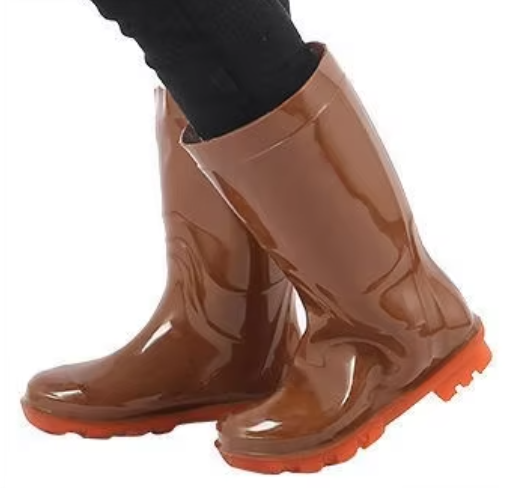
Breathable rain boots rely on a balance of waterproof material and moisture-permeable technology to address the core conflict of water protection and air flow. Most professional designs use PVC, rubber, or EVA compounds with micro-porous membranes that allow water vapor to escape while blocking liquid water from entering. Seam-free injection molding, per ISO 20344:2021, ensures there are no gaps where water can seep in, while a thin, moisture-wicking lining helps pull sweat away from the foot’s skin. Professional Rain Boot Manufacturer conducts controlled material formulation to adjust membrane density, ensuring breathability without compromising water resistance for heavy-duty use.
Other key process details include sole pattern design: deep, non-slip lugs improve traction on wet, muddy surfaces, while a medium shaft height (10–14 inches) balances coverage and flexibility. Vulcanization for rubber boots creates a durable bond between the sole and upper, reducing separation even with repeated movement, while PVC boots use heat fusion for seamless construction. This combination of material science and process design targets long wear in high-demand work environments.
3. Practical Solutions and Operation Steps
Choosing the right breathable rain boots for long outdoor labor requires evaluating three core factors: material, design, and fit. Follow these specific, actionable steps to select suitable options aligned with work requirements.
- Step 1: Verify material specifications – Check if the boot uses a breathable membrane (e.g., GORE-TEX, proprietary micro-porous film) rather than basic non-breathable PVC or solid rubber. For occupational use, confirm the material meets slip-resistance standards listed in the industry reference section.
- Step 2: Match shaft height to work tasks – Choose a 10-inch shaft for light farming or gardening, or a 14-inch shaft for livestock work to protect lower legs from mud and debris. Avoid overly tall shafts that restrict movement during long shifts.
- Step 3: Test moisture retention – If possible, place the boot on a warm surface (not direct heat) after cleaning, and check if it retains dampness for more than 4 hours. A breathable boot should dry fully within 2 hours under indoor temperature.
- Step 4: Select appropriate sole tread – For muddy surfaces, choose lugs at least 5mm deep with a wide spacing to prevent mud buildup. For smooth wet floors (e.g., industrial kitchens), opt for flatter, non-marking lugs that meet EN ISO 20347:2022+A1:2024 slip requirements.
- Step 5: Ensure proper fit – Leave a ½-inch gap at the toe to allow foot expansion during long shifts, and confirm the heel fits snugly to avoid blisters from repeated rubbing.
These steps help narrow down options that balance protection, comfort, and breathability, reducing the risk of mid-shift discomfort.
4. Daily Maintenance and Precautions
Proper care extends the lifespan of breathable rain boots while preserving their moisture-permeable properties. Start with regular cleaning: rinse the boot exterior with cool water after each use, avoiding high-pressure hoses that can damage the membrane’s micro-pores. For interior cleaning, use a mild, soap-free detergent and air dry at room temperature – never place the boots near radiators, heaters, or direct sunlight, as extreme heat will degrade the membrane’s ability to transfer moisture.
Additional precautions include storing boots in a cool, dry area away from chemicals like gasoline or strong solvents, which can break down rubber or PVC compounds. Avoid using the boots as general safety footwear unless they meet ASTM F2413-24 or relevant safety standards, as non-specialized breathable rain boots are not designed for impact or compression protection. For regular upkeep, apply a protective spray designed for breathable membranes every 3–6 months, following the product’s application instructions to avoid blocking pores.
5. Industry Standard and Parameter Reference
ParameterRecommended ReferenceWhy It MattersSlip resistanceEN ISO 20344:2021 / EN ISO 20347:2022+A1:2024 where applicableHelps evaluate outsole grip on wet or contaminated surfaces, critical for outdoor laborOccupational footwear requirementsISO 20347:2021 or EN ISO 20347:2022+A1:2024Supports non-safety occupational footwear selection for prolonged work in wet conditionsChemical protective footwearEN 13832-3:2018 where prolonged chemical contact is claimedUseful for evaluating boot resistance to spills in industrial or agricultural settingsWater vapor permeabilityISO 15496:2004 for footwear materialsMeasures moisture transfer rate, a key metric for breathable rain boots in humid climates
This table provides verifiable benchmarks to guide selection, ensuring boots meet minimum performance requirements for long outdoor labor.
6. Customer Common FAQ
Q: Can breathable rain boots provide full water protection for 8+ hour outdoor shifts in heavy rain?
A: It depends on the boot’s membrane quality and seam construction. Seam-free designs tested per ISO 20344:2021 can provide full water protection, but breathable performance varies by material. Professional Rain Boot Manufacturer notes that boots with properly sealed seams and mid-weight membranes work best for extended shifts in heavy rain.
Q: How do I know if a boot’s "breathable" claim is reliable?
A: Look for third-party test results from organizations like SGS or Intertek that measure water vapor permeability. Avoid unsubstantiated claims, and verify that the boot uses a micro-porous membrane rather than a generic fabric lining.
Q: Should I size up or down for breathable rain boots worn with thick work socks?
A: Size up by half a size to accommodate thick socks and foot expansion during long shifts. This prevents tightness that can reduce air flow inside the boot.
Q: Will cleaning with soap damage the breathable membrane?
A: Mild, fragrance-free soap is safe, but avoid harsh detergents or bleach, which can break down membrane structure. Rinse thoroughly after cleaning to remove residue that may block pores.
Q: Can breathable rain boots be used in cold climates or only warm, humid environments?
A: Some designs are formulated for cold temperatures, but standard breathable membranes may stiffen in freezing conditions. For cold outdoor labor, look for boots with insulated linings and membranes rated for sub-zero temperatures, per relevant winter footwear standards.
Conclusion
Breathable rain boots address a critical pain point for outdoor workers in humid climates, combining water protection with moisture evaporation to reduce discomfort and support productivity during long shifts. By understanding material principles, following practical selection steps, and adhering to maintenance guidelines, workers can choose boots that balance performance, comfort, and longevity. Professional Rain Boot Manufacturer emphasizes that matching boot specs to work tasks and industry standards ensures reliable performance in high-demand labor environments.
References
- International Organization for Standardization (ISO). ISO 20344:2021: Footwear – Test methods for whole footwear. Geneva: ISO, 2021.
- International Organization for Standardization (ISO). ISO 20347:2021: Occupational footwear. Geneva: ISO, 2021.
- European Committee for Standardization (CEN). EN ISO 20347:2022+A1:2024: Occupational footwear. Brussels: CEN, 2024.
- International Organization for Standardization (ISO). ISO 15496:2004: Textiles – Measurement of water vapor permeability of fabrics. Geneva: ISO, 2004.