Meta Description: Construction workers, farmhands, and industrial staff often struggle with rain boots that slip, leak, or wear out quickly on wet, muddy sites. This guide explores how beef tendon sole rain boots solve these issues, and offers actionable tips for selecting the right pair. Professional Rain Boot Manufacturer.
Keywords: beef tendon sole rain boots, waterproof work boots, industrial rain footwear, mud-resistant boots, slip-resistant outsole, work boot maintenance, construction site footwear
1. Core Problem Analysis
1.1 Common Causes of the Problem
Many users of standard rain boots face recurring issues: outsole slip on wet concrete or mud, upper material degradation from prolonged moisture, seam leaks at critical stress points, and uncomfortable stiffness that leads to fatigue during long shifts. These problems are not just user error, but stem from mismatched material and design for harsh working conditions.
1.2 Affected Usage Scenarios
Such issues impact professionals working in muddy construction sites, agricultural operations, livestock handling, industrial cleaning, outdoor maintenance, and food processing facilities where consistent exposure to water and heavy debris is required. These environments demand boots that balance protection, comfort, and durability.
2. Product and Process Principle
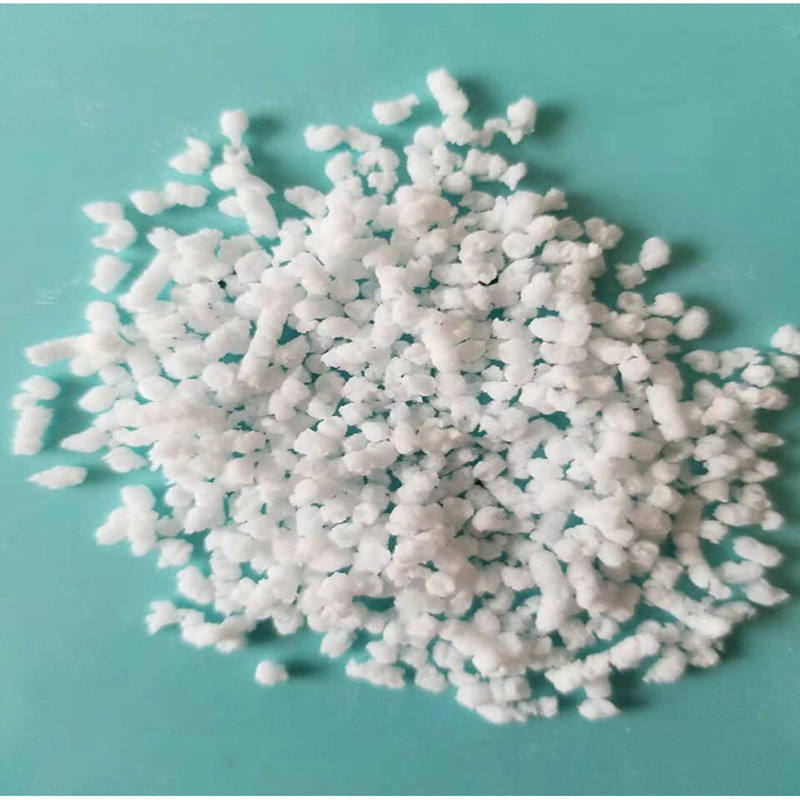
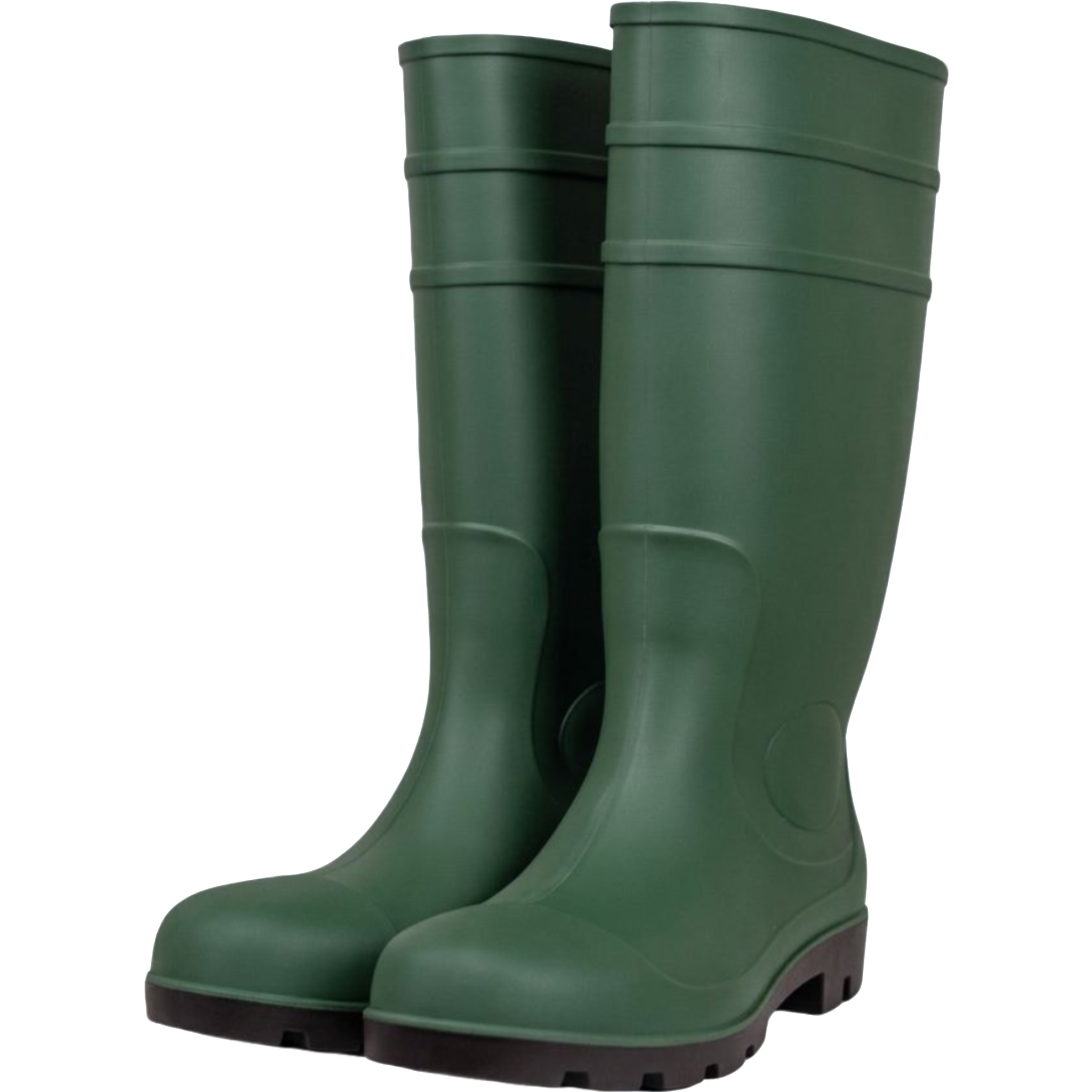
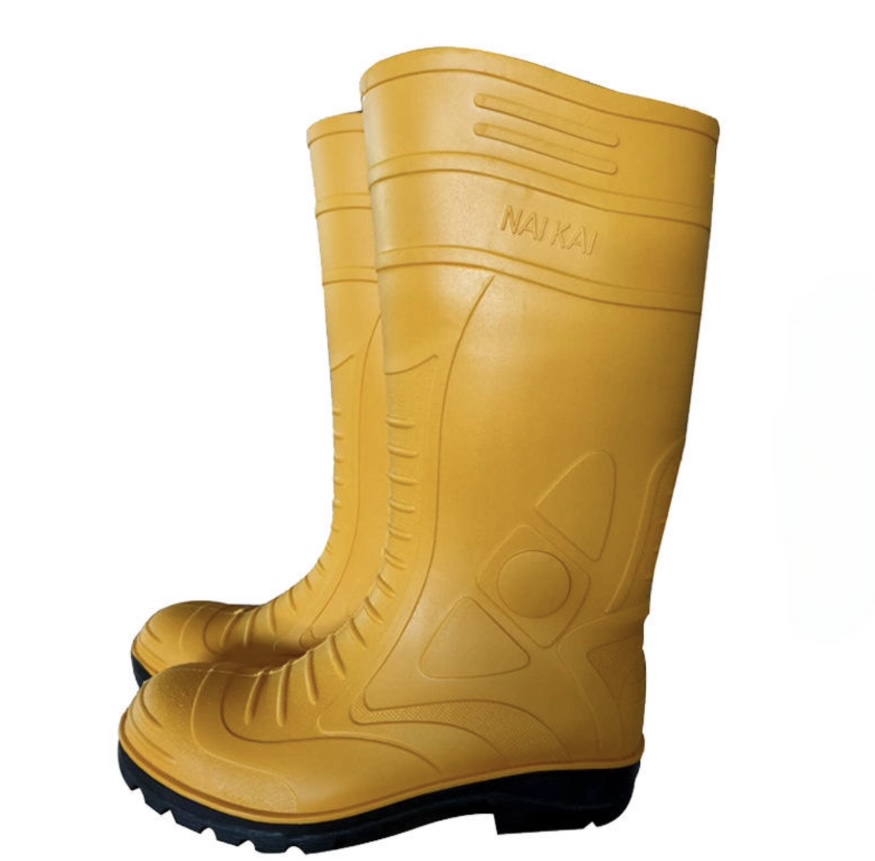
Beef tendon sole rain boots use a specialized outsole compound formulated to mimic the flexible yet durable texture of natural beef tendon, paired with reinforced upper materials like PVC or nitrile rubber. The outsole features deep, multi-directional tread patterns designed to displace mud and water, while the upper often uses seamless injection molding to eliminate weak seam points that cause leaks. Professional Rain Boot Manufacturer can adjust compound ratios to match site-specific conditions, from mild rain to heavy mud.
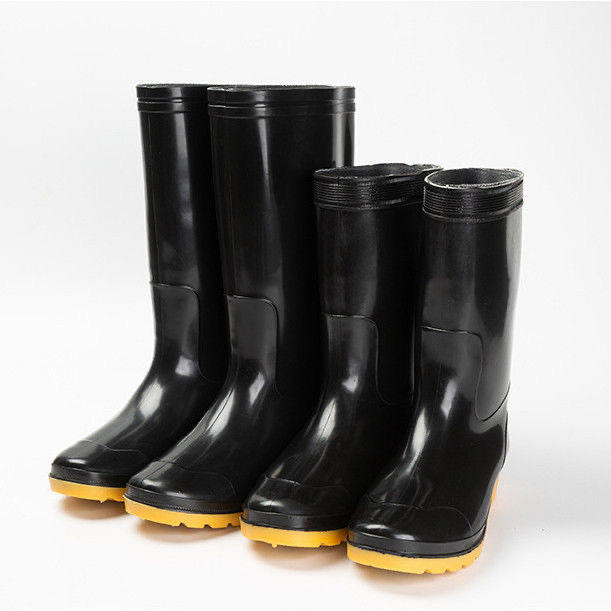
This design relies on two key technical principles: first, the outsole’s hardness and flexibility (measured by durometer value, typically between 55 and 65 Shore A for work boots) balances grip on wet surfaces and resistance to punctures from sharp debris. Second, the shaft height is calibrated to extend 6 to 12 inches above the ankle to prevent water and mud from entering during long hours of standing or walking in saturated environments.
3. Practical Solutions and Operation Steps
- Verify slip resistance rating: Confirm that the outsole meets requirements from relevant standards, such as EN ISO 20347:2021 for occupational footwear, which defines minimum traction for wet surfaces.
- Match boot height to your task: For construction work where mud reaches mid-calf, select a 10-12 inch shaft; for light outdoor tasks, a 6-8 inch shaft may be sufficient.
- Check material compatibility: For exposure to mild chemicals like concrete runoff, opt for nitrile rubber uppers over standard PVC, which offers better chemical resistance.
- Test fit for comfort: Wear the boots with your work socks when choosing, ensuring a snug fit around the ankle to prevent blisters, while leaving enough toe room for mobility.
- Examine construction quality: Avoid boots with visible seam gaps or thin outsole layers, as these are prone to early failure in harsh conditions.
4. Daily Maintenance and Precautions
Proper maintenance extends the lifespan of beef tendon sole rain boots significantly. After each use, wipe off mud and debris with a soft brush and warm water; avoid using harsh solvents or pressure washers, which can degrade the rubber compound. Allow boots to air dry naturally in a shaded, well-ventilated area, away from direct sunlight or heat sources like radiators, as high temperatures can cause the outsole to harden and crack.
Additional precautions include storing boots upright in a cool, dry place when not in use, to prevent the shaft from warping. Never use beef tendon sole rain boots as protective safety footwear for heavy impact tasks, as they lack the reinforced toe and puncture resistance required for industrial safety certifications.
5. Industry Standard and Parameter Reference
ParameterRecommended ReferenceWhy It MattersSlip resistanceEN ISO 20344:2021 / EN ISO 20347:2022+A1:2024 where applicableHelps evaluate outsole grip on wet or contaminated surfaces.Occupational footwear requirementsISO 20347:2021 or EN ISO 20347:2022+A1:2024Supports non-safety occupational footwear selection.Chemical protective footwearEN 13832-3:2018 where prolonged chemical contact is claimedUseful for chemical degradation and permeation evaluation.Outsole durometerASTM D2240-21 for rubber hardness testingEnsures outsole flexibility and grip for mud and wet surfaces.
All performance claims must be verified via third-party test reports from accredited bodies, such as SGS or Intertek, to ensure alignment with standard requirements for work site use.
6. Customer Common FAQ
Q: Are beef tendon sole rain boots suitable for cold outdoor work?
A: They can be suitable for temperatures above 0°C (32°F), as the rubber compound remains flexible in this range. For work in sub-zero temperatures, look for boots formulated with low-temperature resistant compounds, which Professional Rain Boot Manufacturer can specify for cold-climate use.
Q: How often should I replace my rain boots?
A: Replacement frequency depends on usage: for daily construction work, inspect boots every 3 months for outsole wear, seam leaks, or material degradation. If tread depth is reduced by 50% or cracks appear in the outsole, replacement is recommended.
Q: Can beef tendon sole rain boots be repaired if they develop small leaks?
A: Small seam leaks can be repaired with a compatible rubber adhesive designed for rain boot materials. However, repairs are not recommended for outsole tears or large structural damage, as these compromise slip resistance and waterproofing.
Q: Do these boots meet safety standards for industrial work sites?
A: Basic beef tendon sole rain boots meet non-safety occupational footwear standards like EN ISO 20347. For impact or puncture protection, look for models marked with safety certifications such as ASTM F2413-24 for protective toe boots.
Conclusion
Beef tendon sole rain boots address key pain points for workers in wet, muddy environments, combining durable outsole grip and reinforced upper construction. By aligning boot selection with site-specific conditions, following proper maintenance steps, and referencing industry standards, users can extend the lifespan of their footwear. Professional Rain Boot Manufacturer can provide tailored guidance for selecting boots matching individual work requirements, ensuring comfort and protection during long shifts in harsh conditions.
References
- International Organization for Standardization. ISO 20347:2021: Occupational Footwear. 2021.
- International Organization for Standardization. ISO 20344:2021: Footwear - Test Methods for Upper and Upper Attachments. 2021.
- American Society for Testing and Materials. ASTM D2240-21: Standard Test Method for Rubber Property—Durometer Hardness. 2021.
- European Committee for Standardization. EN 13832-3:2018: Protective clothing against chemicals - Footwear protecting against chemicals - Part 3: Requirements for footwear resistant to liquid chemicals. 2018.