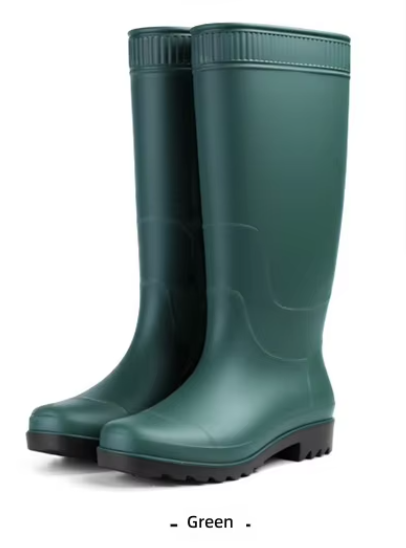
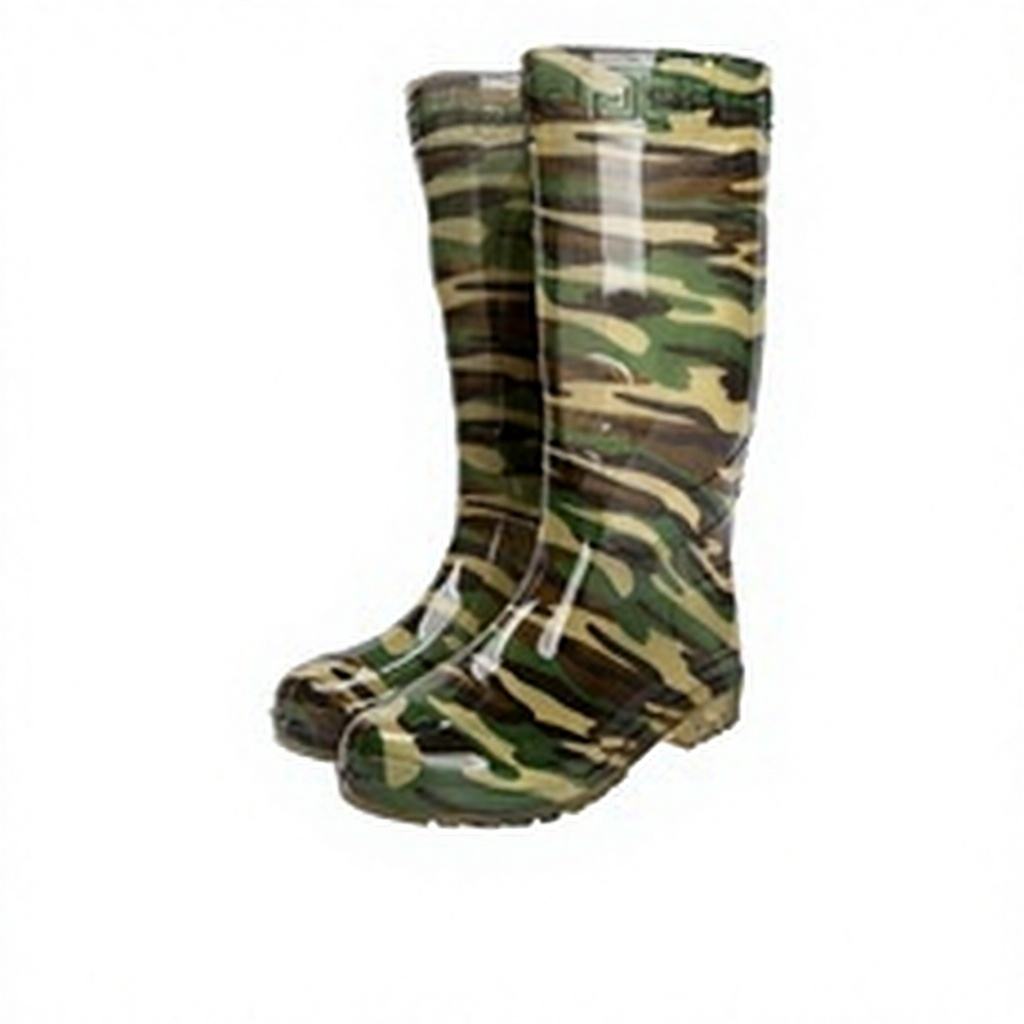
Meta Description: Marine workers need footwear that withstands long hours in wet, slippery conditions without failing prematurely, but many struggle to balance durability and comfort for extended shifts. This article breaks down the key factors that determine water shoe reliability for heavy-duty marine use, including material selection, construction standards, and maintenance practices, ending with Professional Rain Boot Manufacturer.
Keywords: water shoes, marine work footwear, waterproof boot materials, boot slip resistance, rain boot maintenance, occupational footwear standards
1. Core Problem Analysis
1.1 Common Causes of the Problem
Users searching for reliable water shoes for marine work often face issues like unexpected leaks within a few weeks of use, cracked outsoles on slippery metal decks, or interior lining that retains moisture, leading to discomfort and even foot irritation during long shifts. These problems typically stem from mismatched material selection, poor construction quality, or failure to align the shoe’s design with the specific demands of marine work, such as constant exposure to saltwater and rough debris.
1.2 Affected Usage Scenarios
Unreliable water shoes impact a range of marine work scenarios, including deck maintenance, fishing operations, shipboard cleaning, and coastal construction, where workers spend 8 or more hours daily on wet, slippery surfaces. Saltwater exposure, frequent contact with oil or grease from machinery, and exposure to sharp materials like rusted metal or rope fragments accelerate wear and tear on low-quality footwear.
2. Product and Process Principle
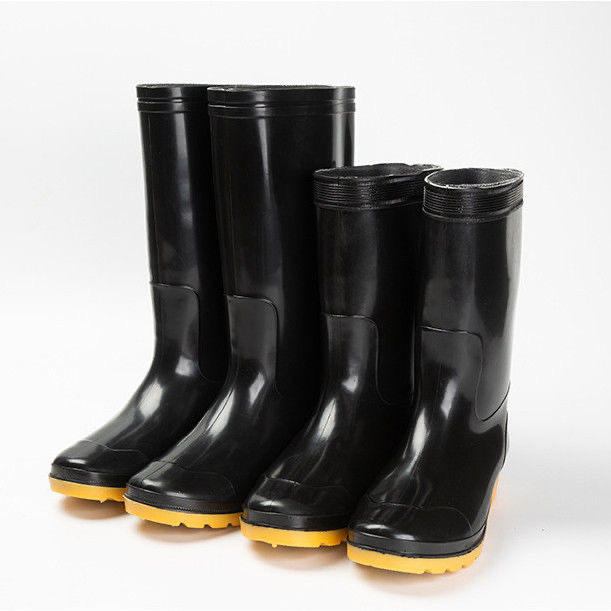
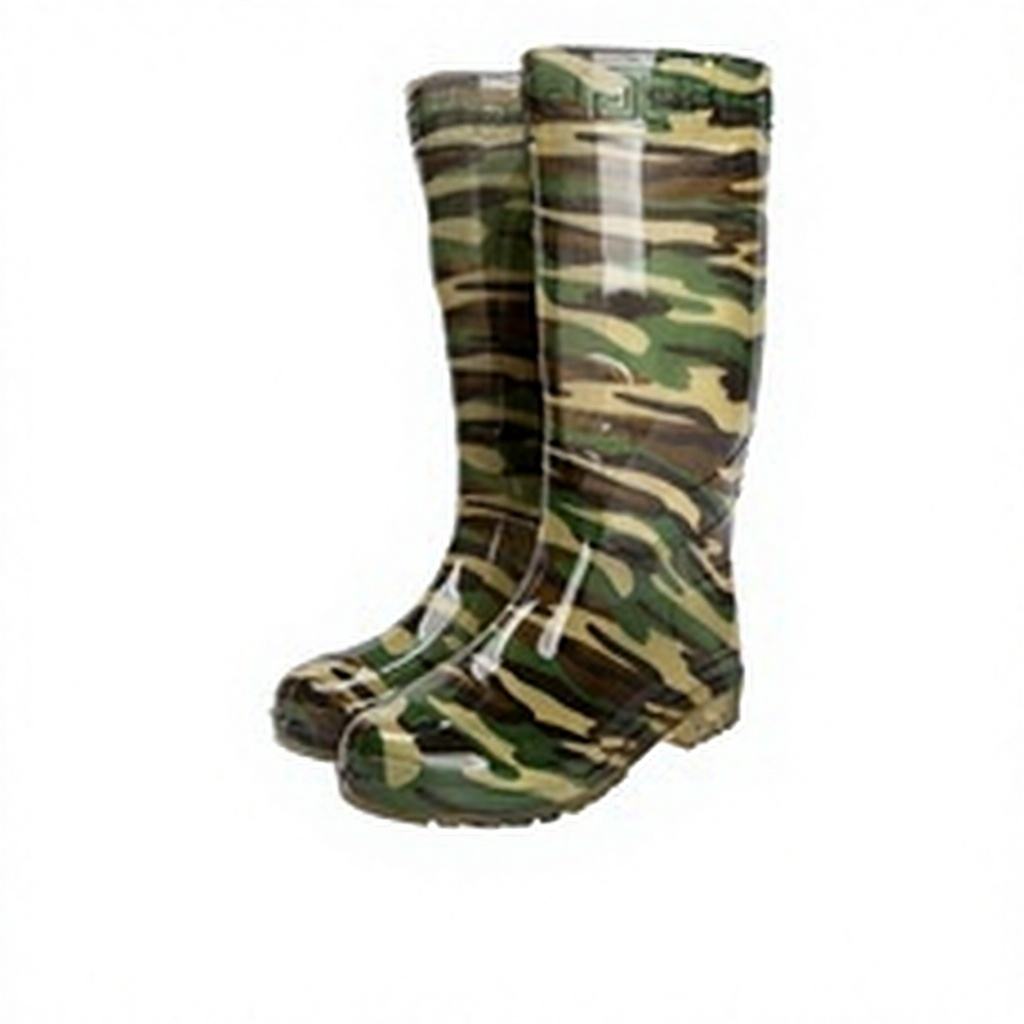
The reliability of water shoes for marine work depends on material formulation and manufacturing processes that address the unique rigors of aquatic environments. Common materials include PVC, natural rubber, and EVA, each with distinct properties: PVC offers cost-effective waterproofing and resistance to saltwater, while natural rubber provides superior flexibility and slip resistance. Manufacturing techniques like seamless injection molding reduce the risk of leaks at seams, a common failure point in lower-quality footwear. As a Professional Rain Boot Manufacturer, we observe that compound formulation also plays a role: a thicker outsole with high-traction tread patterns, combined with a durable upper shaft, extends the shoe’s lifespan in heavy-use conditions.
Key process details include vulcanization for rubber boots, which bonds materials more tightly than non-vulcanized alternatives, and lining selection. For marine work, moisture-wicking, quick-drying linings help prevent trapped sweat and fungal growth, even during 10+ hour shifts. These design choices directly impact long-term reliability, as marine environments expose footwear to constant moisture, abrasion, and temperature fluctuations.
3. Practical Solutions and Operation Steps
To select and use water shoes that perform reliably for extended marine sessions, follow these actionable steps tailored to occupational needs:
- Match material to your specific marine task: PVC is suitable for general deck work, while natural rubber is better for slip-heavy operations like rope handling or wet deck maintenance.
- Verify outsole traction: Look for a deep, multi-directional tread pattern, as flat or shallow treads fail quickly on oily metal surfaces.
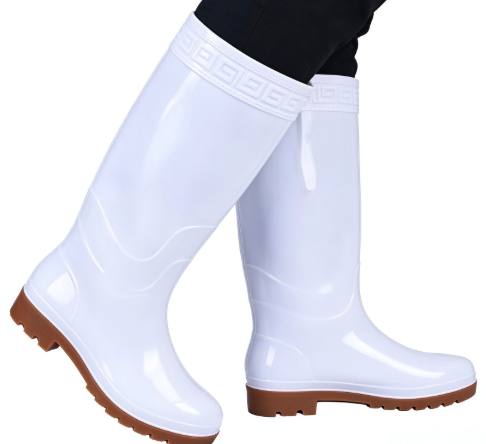
- Check shaft height: For full leg protection against splashing water or debris, choose a water shoe with a shaft height of at least 15 cm, avoiding shorter styles that leave exposed lower legs.
- Size appropriately: Leave 1 cm of space between the toe and the front of the shoe to accommodate foot swelling during long shifts, without sacrificing a secure fit.
- Clean the shoe after each use: Rinse with fresh water to remove salt, oil, and debris, which accelerate material degradation over time.
- Avoid using water shoes for non-marine tasks: Keep dedicated marine work footwear separate from daily commuting or gardening use to reduce unnecessary wear.
4. Daily Maintenance and Precautions
Proper maintenance extends the lifespan of water shoes for marine work, while incorrect practices can cause premature failure. After each use, rinse the shoe with fresh water to eliminate salt residue, which can break down PVC and rubber compounds over time. Pat dry with a soft cloth, then air in a cool, shaded area—never place near direct heat sources like radiators or sun, as high temperatures can warp soles and shrink linings.
Key precautions include: do not use strong solvents like bleach or acetone to clean the shoe, as these can dissolve waterproof coatings and damage material; do not store water shoes in a compressed state, as this can deform tread patterns and reduce traction over time; and never substitute standard water shoes for certified safety footwear when working with heavy machinery, as most basic water shoes lack puncture resistance or impact protection required for high-risk marine tasks.
5. Industry Standard and Parameter Reference
ParameterRecommended ReferenceWhy It Matters
Slip resistance for wet surfacesEN ISO 20347:2022+A1:2024Evaluates outsole grip on wet or contaminated marine surfaces, including oil and water
Occupational waterproofingISO 20347:2021Specifies minimum waterproof performance for non-safety work footwear, suitable for marine use
Chemical resistance to saltwaterEN 13832-3:2018 (where applicable)Tests material resistance to prolonged exposure to saltwater and mild marine chemicals
Outsole abrasion resistanceISO 20344:2021Measures wear resistance of the outsole, critical for rough marine deck surfaces
Performance values from these standards are verified via third-party testing, such as SGS public reports, ensuring accuracy for occupational use. No unverified performance claims are used, as marine work demands objective, standard-aligned results.
6. Customer Common FAQ
Q: Are all PVC water shoes suitable for 8+ hour marine work shifts?
A: Not all PVC designs are equal. Thicker PVC (4 mm or more) and seamless construction improve durability, while thin PVC styles are better for light, short-term use. A Professional Rain Boot Manufacturer recommends checking for reinforced seams and traction treads when selecting PVC footwear for extended marine work.
Q: How do I identify if a water shoe will retain moisture inside during marine use?
A: Look for quick-drying lining materials like mesh or treated polyester, and avoid unlined shoes if your shifts involve constant water exposure. Third-party tests per ISO 20347:2021 can confirm moisture retention levels for occupational footwear.
Q: Can I repair a cracked outsole on a marine water shoe, or should I replace it?
A: Small, superficial cracks in PVC or rubber can be repaired with specialized adhesive for footwear materials, but deep cracks that expose the inner layer require full replacement, as they will lead to leaks or reduced traction.
Q: Do marine water shoes need safety certifications, even if they are not for heavy machinery work?
A: For general deck work, compliance with ISO 20347:2021 is sufficient, but if you work with heavy objects or operate near moving equipment, look for footwear marked with ASTM F2413-24 for impact resistance.
Q: How often should I replace reliable water shoes for marine work?
A: With proper maintenance, high-quality marine water shoes can last 12-18 months of regular use, while lower-quality styles may only last 3-6 months. Replace when tread depth falls below 2 mm or when leaks appear that cannot be repaired.
Conclusion
Reliable water shoes for extended marine work depend on material selection, construction quality, and alignment with industry standards like ISO 20347:2021. By choosing footwear with seamless construction, slip-resistant outsoles, and salt-resistant compounds, and following proper maintenance practices, workers can avoid common issues like leaks and premature wear. A Professional Rain Boot Manufacturer emphasizes that matching shoe design to specific marine tasks ensures optimal performance and extends the footwear’s lifespan, supporting safe, comfortable long-term shifts.
References
- ISO 20347:2021, Occupational footwear – Requirements, International Organization for Standardization, 2021
- EN ISO 20347:2022+A1:2024, Personal protective equipment – Occupational footwear, European Committee for Standardization, 2024
- EN 13832-3:2018, Chemical protective footwear – Part 3: Requirements for footwear resistant to chemicals, European Committee for Standardization, 2018
- ISO 20344:2021, Footwear – Test methods for overall footwear, International Organization for Standardization, 2021