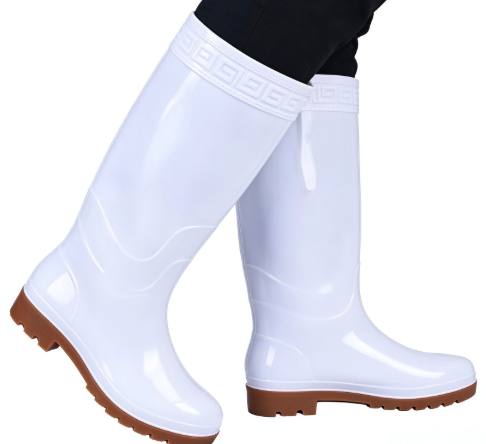
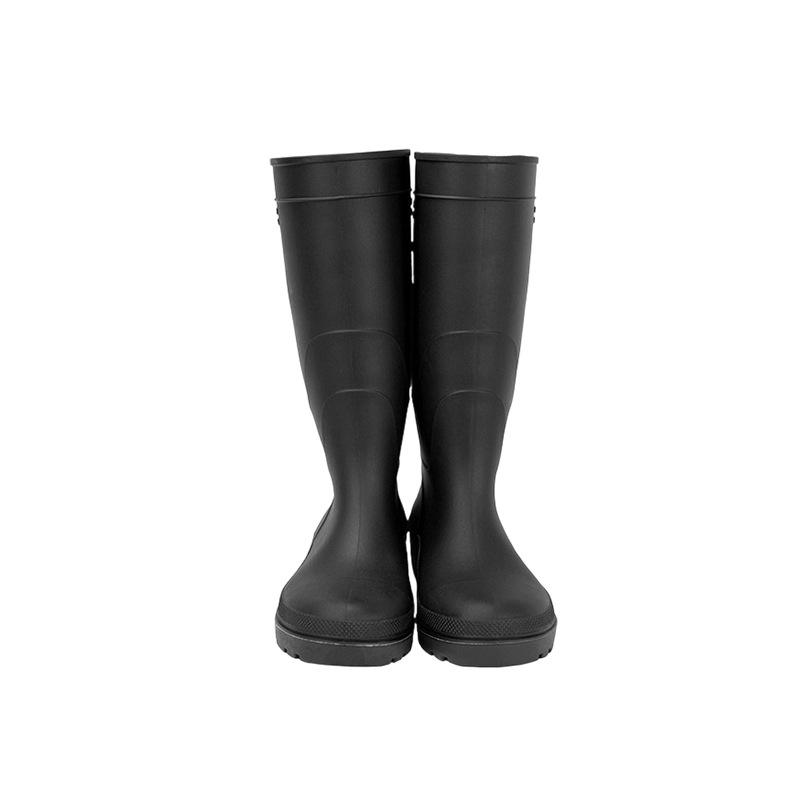
Meta Description: Long shifts in cold, slippery worksites demand footwear that balances grip, insulation and comfort to reduce fatigue and accident risks. This guide explores the key features of slip-resistant boots with cotton lining, how they address common worksite challenges, and what standards to prioritize when selecting such footwear. Professional Rain Boot Manufacturer.
Keywords: slip-resistant boots with cotton lining, cold worksite footwear, long shift work boots, waterproof work boots, occupational safety footwear, boot slip resistance
1. Core Problem Analysis
1.1 Common Causes of the Problem
Workers in cold, slippery worksites face three primary issues during long shifts: inadequate insulation leading to cold-related discomfort, insufficient slip resistance causing fall risks on wet or icy surfaces, and poor interior materials leading to moisture buildup, blisters or foot fatigue. Many generic work boots fail to balance these needs, as manufacturers often prioritize either slip resistance or insulation without considering both simultaneously.
1.2 Affected Usage Scenarios
These challenges impact a range of work environments including outdoor construction, warehouse cold storage, fishing operations, agricultural harvesting, and waste management cleanup in damp, low-temperature conditions. Each of these scenarios requires footwear that maintains performance for 8 to 12 hour shifts while withstanding consistent exposure to cold and slippery surfaces.
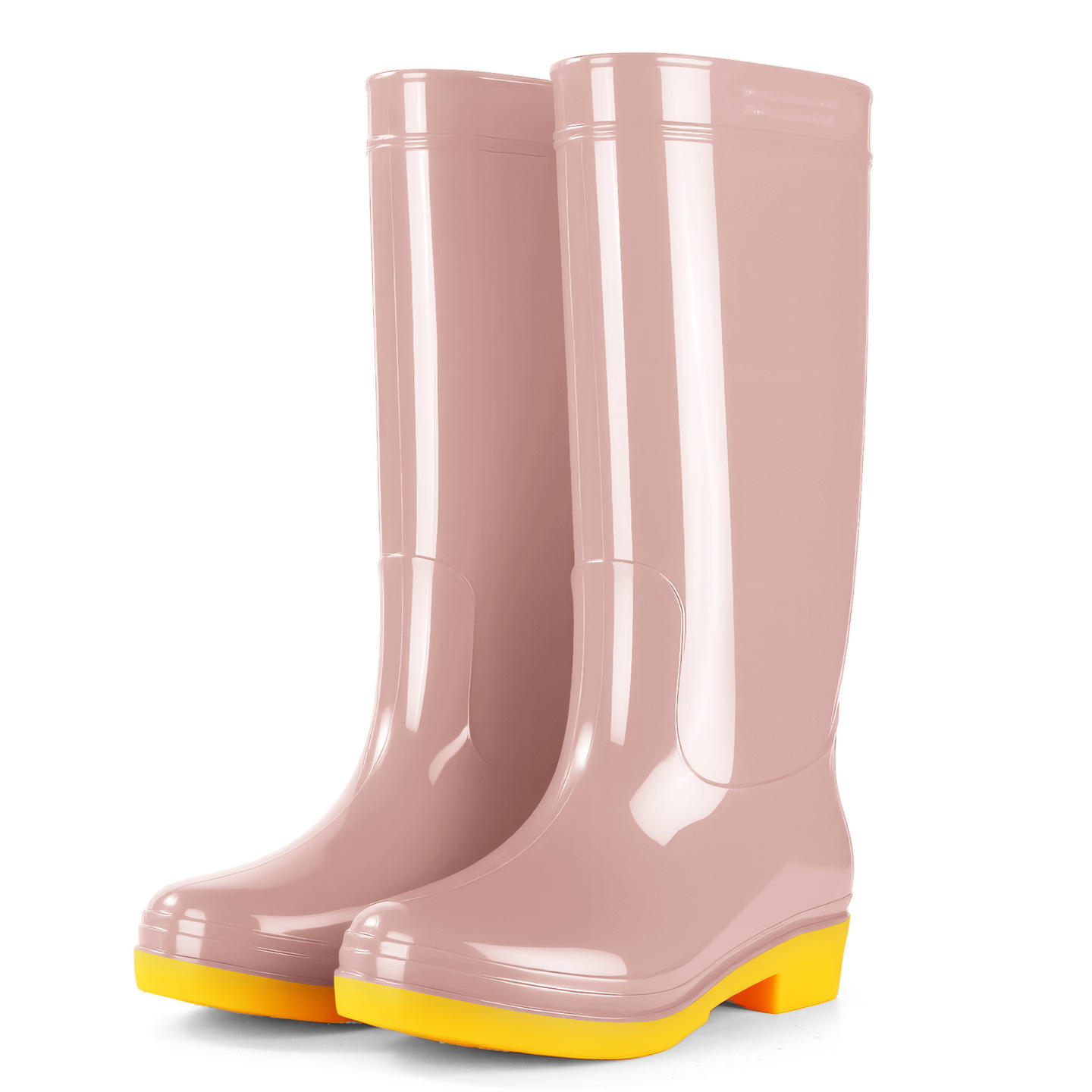
2. Product and Process Principle
Slip-resistant boots with cotton lining combine three core design elements: outsole technology for grip, insulation material to retain warmth, and interior lining to manage moisture. The outsole is typically made from rubber or TPR (thermoplastic rubber) compounded with a tread pattern designed to channel water, slush or debris away from the contact surface, tested under standard slip resistance protocols. The cotton lining, unlike synthetic alternatives, provides natural breathability, allowing sweat to escape while trapping warm air close to the foot.
Professional Rain Boot Manufacturers integrate these components during production, ensuring seamless construction to eliminate water entry points, precise thickness control for insulation without adding excess bulk, and compound formulation optimized for cold flexibility. Vulcanization processes for rubber outsoles enhance durability while maintaining grip at temperatures as low as -10°C, a key feature for worksite use in cold climates.
3. Practical Solutions and Operation Steps
Selecting suitable slip-resistant boots with cotton lining for long shifts requires evaluating four key factors, with clear boundaries for each choice. First, confirm the slip resistance rating matches your worksite surface type: dry concrete requires a different tread pattern than wet metal or icy pavement. Second, assess insulation needs based on worksite temperature: cotton lining provides sufficient warmth for moderate cold (5°C to -5°C), while additional insulating layers should be added for temperatures below -5°C.
- Step 1: Verify slip resistance testing alignment with relevant standards (EN ISO 20347 or ASTM F2413) to ensure performance on your specific worksite surfaces.
- Step 2: Check lining material composition: ensure the cotton lining is at least 80% natural cotton, avoiding blended materials that reduce breathability.
- Step 3: Select shaft height based on worksite hazards: 15-20cm shafts are ideal for muddy or splatter-prone worksites, while taller shafts may restrict movement during long shifts.
- Step 4: Test fit with work socks you use on shift: ensure 1cm of space at the toe to prevent blisters and maintain circulation during 8+ hour wear.
- Step 5: Confirm outsole flexibility at your worksite’s lowest temperature: bend the boot’s toe to ensure it moves without stiffness, which can cause foot fatigue during long shifts.
4. Daily Maintenance and Precautions
Proper maintenance extends the lifespan of slip-resistant boots with cotton lining and preserves their performance for cold, slippery worksites. After each use, remove dirt and debris from the outsole tread with a stiff brush, as accumulated mud or ice reduces slip resistance. For the cotton lining, allow the boots to air dry at room temperature, avoiding direct sunlight or heaters which can degrade rubber and shrink cotton fibers.
Avoid common pitfalls: do not use strong solvents like petroleum-based cleaners on the rubber outsole, as these can break down the compound and reduce grip. Do not store the boots in a cramped space, as this can deform the tread pattern and alter slip resistance. Additionally, never use these boots as general protective footwear for chemical exposure unless they meet EN 13832-3 standards, as standard slip-resistant cotton-lined boots are not designed for chemical contact.
5. Industry Standard and Parameter Reference
ParameterRecommended ReferenceWhy It Matters
Slip resistance (wet surfaces)EN ISO 20347:2022+A1:2024, method BTests outsole grip on water-contaminated dry surfaces, relevant for indoor worksites.
Slip resistance (icy/slushy surfaces)EN ISO 13287:2012Evaluates performance on icy or slush-covered surfaces, critical for outdoor cold worksites.
Occupational footwear general requirementsISO 20347:2021Covers design, construction and performance of non-safety occupational work footwear.
Chemical resistance (optional)EN 13832-3:2018 (when applicable)Relevant for worksites with exposure to non-corrosive liquids like water-based solutions.
Testing for slip resistance must be performed by a third-party certification body to ensure accuracy, as self-reported performance can vary from real-world worksite conditions. For cold temperature performance, manufacturers should test outsole flexibility at the minimum worksite temperature, per ASTM F2913 standards.
6. Customer Common FAQ
Q: Are slip-resistant boots with cotton lining suitable for worksites below -5°C?
A: Standard cotton lining provides insulation for temperatures between 5°C and -5°C. For worksites colder than -5°C, additional insulating layers like neoprene should be added, as pure cotton loses insulating effectiveness at very low temperatures. Professional Rain Boot Manufacturer can help identify modified designs for extreme cold use cases.
Q: How do I clean the cotton lining without damaging the boot?
A: Remove loose dirt with a soft cloth, then hand wash the lining with mild soap and cool water. Do not machine wash or wring the lining, as this can cause shrinkage. After washing, air dry the boots at room temperature away from direct heat sources.
Q: Can I use these boots for food processing worksites that require slip resistance?
A: Yes, if the boot meets ISO 20347:2021 standards for food contact materials. Avoid boots with additives that may transfer to food, and confirm the outsole is resistant to common cleaning chemicals used in food processing facilities.
Q: How long does slip resistance typically last with regular use?
A: Under normal worksite use (non-abrasive surfaces like concrete or metal), slip resistance remains effective for 6 to 12 months. Abrasive surfaces like gravel or construction debris reduce lifespan, so regular cleaning of the outsole tread helps preserve performance.
Q: Do these boots require break-in time before long shifts?
A: Most well-constructed slip-resistant boots with cotton lining require 1 to 2 short use sessions to break in, as the rubber and cotton adjust to foot shape. Avoid wearing them for full 12-hour shifts immediately after purchase to prevent blisters or discomfort.
Conclusion
Slip-resistant boots with cotton lining address key pain points for long shift workers in cold, slippery worksites by balancing grip, insulation and breathability. By aligning selection with relevant standards, matching design to specific worksite conditions, and following proper maintenance practices, these boots can reduce fall risks and improve comfort during extended use. Professional Rain Boot Manufacturer provides standardized guidance on design and performance to support consistent worksite footwear choices.
References
- ISO. ISO 20347:2021, Occupational Footwear - Requirements, International Organization for Standardization, 2021.
- European Committee for Standardization. EN ISO 20347:2022+A1:2024, Occupational Footwear, 2024.
- ASTM International. ASTM F2913-21, Standard Test Method for Measurement of Shoe Outsole Flexibility at Low Temperatures, 2021.
- European Committee for Standardization. EN ISO 13287:2012, Personal Protective Equipment - Footwear - Test Method for Slip Resistance, 2012.