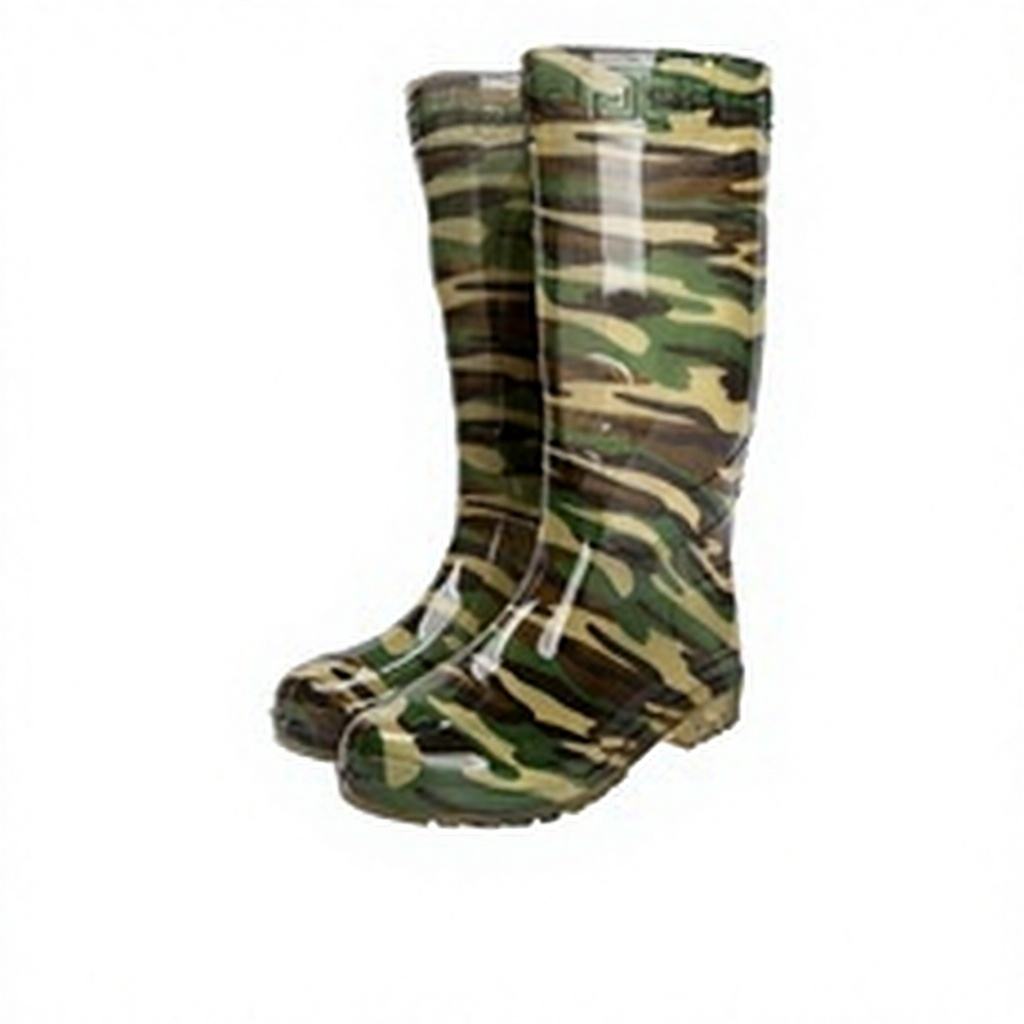
Meta Description: Men embarking on 12-hour open-water fishing trips face unique footwear challenges: water ingress, rough terrain, and constant wear. This guide explains the core factors behind boot durability for extended fishing use, tailored for buyers and users. Professional Rain Boot Manufacturer provides standardized process insights for this specific application.
Keywords: men's fishing boots, durable fishing footwear, open-water fishing boots, waterproof boot materials, fishing boot maintenance, occupational footwear standards
1. Core Problem Analysis
1.1 Common Causes of the Problem
Users searching for durable men's fishing boots for 12-hour trips typically aim to avoid three key issues: water leakage that causes blisters or cold stress, structural failure like sole detachment or shaft cracking mid-trip, and insufficient support that leads to foot fatigue or injury. Secondary concerns include odor buildup from trapped moisture and inadequate traction on wet deck surfaces, which can disrupt fishing operations.
1.2 Affected Usage Scenarios
These issues directly impact long open-water fishing scenarios, including shore-based extended fishing, small-vessel angling, and near-shore fishing trips that exceed 8 hours. Unlike short recreational fishing, 12-hour trips require boots that maintain performance across variable conditions: splashing waves, standing in wet mud or algae-covered surfaces, and exposure to saltwater or fresh water for extended periods.
2. Product and Process Principle
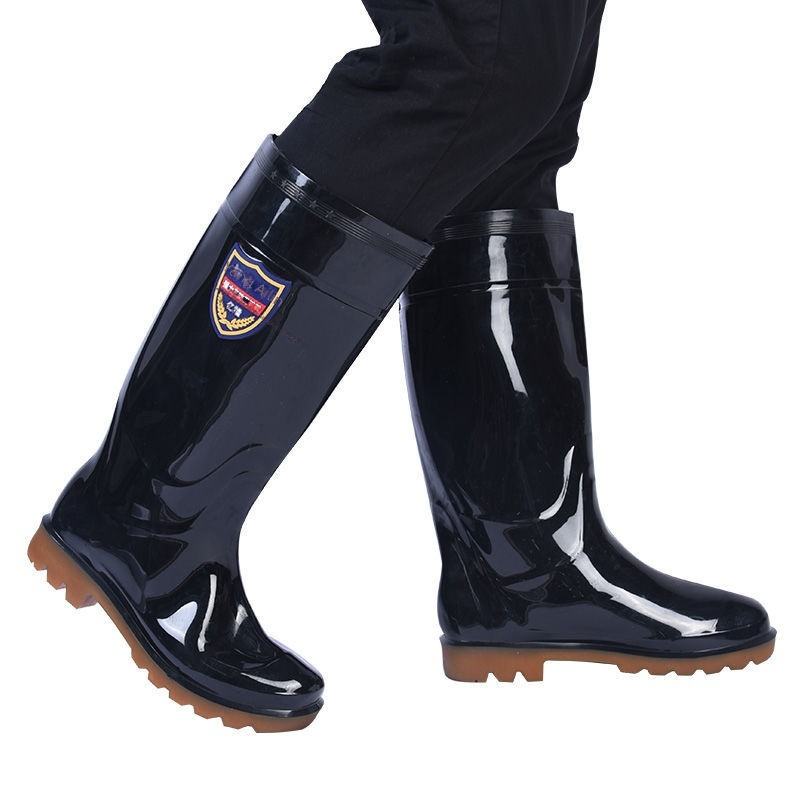
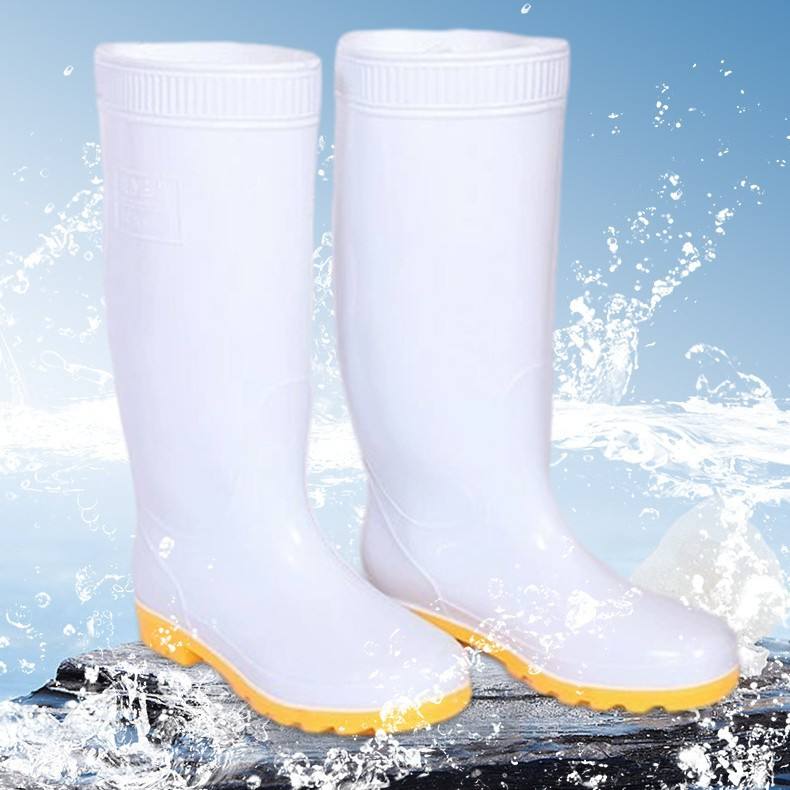
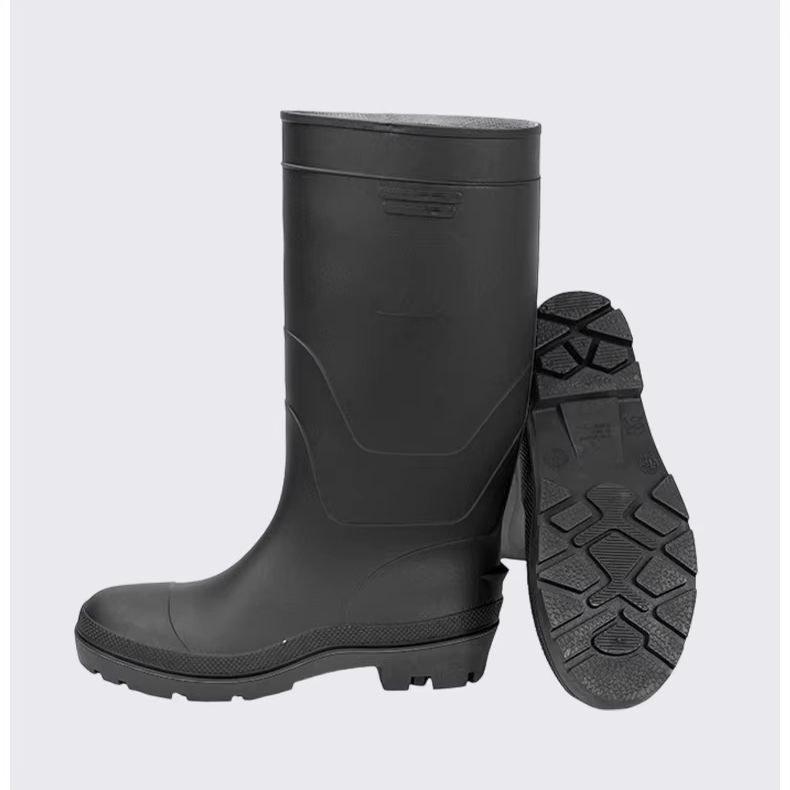
The durability of men's fishing boots for 12-hour trips depends on three interconnected material and process factors: formulation of waterproof compounds, structural seam integrity, and outsole performance. Common materials for high-demand fishing boots include virgin PVC, natural rubber blends, and reinforced EVA, each offering distinct benefits for water resistance and flexibility. Professional Rain Boot Manufacturer leverages controlled compound mixing and seam-welding processes to eliminate potential leak points, unlike traditional glued seams that can separate with prolonged flexing.
Injection molding is a key manufacturing process for these boots, as it creates a single-piece construction for the shaft and upper, reducing the number of exposed seams. For 12-hour trips, shaft thickness is controlled between 4mm and 6mm, balancing flexibility for walking and rigidity to prevent tearing when snagged on fishing gear or dock edges. The outsole pattern is engineered with deep, wide lugs to displace water and provide traction on wet, uneven surfaces, tested under ISO 20344:2021 standards for slip resistance.
3. Practical Solutions and Operation Steps
When selecting durable men's fishing boots for 12-hour open-water trips, follow these specific, actionable steps to match boots to use conditions. First, verify the boot's construction: prioritize seam-welded or single-piece injection-molded designs over glued seams, as glued seams have a higher failure rate after 5+ hours of continuous flexing. Second, check the outsole specification: select boots with lugs at least 8mm deep, tested to EN ISO 20347:2022+A1:2024 for slip resistance on non-dry surfaces, which is critical for deck safety during long shifts.
- Step 1: Confirm material composition: Look for virgin PVC or natural rubber blends with a minimum thickness of 4mm for the upper, as thinner materials can degrade when exposed to repeated saltwater splashes.
- Step 2: Measure shaft height: Choose boots that extend 2-3 inches above the typical waterline encountered during the trip, to prevent water overflow when stepping over edges or climbing onto docks.
- Step 3: Check interior lining: Avoid unlined boots for 12-hour trips; select boots with moisture-wicking fabric linings that reduce sweat buildup and prevent the boot from feeling heavy over extended wear.
- Step 4: Test flexibility: Bend the boot by hand to ensure it flexes at the ball of the foot, not the mid-shaft, as mid-shaft flex causes strain that leads to cracking over time.
4. Daily Maintenance and Precautions
Proper maintenance extends the lifespan of men's fishing boots, particularly for those used in 12-hour open-water conditions. After each trip, rinse boots with fresh water to remove salt, mud, or algae, which can degrade materials if left on. Avoid direct sunlight or high heat sources, such as boat heaters or car dashboards, to prevent PVC or rubber compounds from becoming brittle and cracking. Instead, air-dry boots in a shaded, well-ventilated area for 12-24 hours, inserting a soft cloth or boot tree to maintain shaft shape and prevent creasing.
Additional precautions include not using strong solvents, such as acetone or paint thinner, to clean boots, as these can break down waterproof compounds. For minor scuffs, use a mild soap solution and soft brush; for deep dirt, a low-pressure garden hose works without damaging seams. Finally, do not use fishing boots intended for casual wear as protective footwear for hazardous conditions, as most standard fishing boots do not meet safety toe or chemical resistance standards required for industrial open-water work.
5. Industry Standard and Parameter Reference
ParameterRecommended ReferenceWhy It MattersSlip resistanceEN ISO 20344:2021 / EN ISO 20347:2022+A1:2024 where applicableHelps evaluate outsole grip on wet or contaminated surfaces, critical for open-water decks.Occupational footwear requirementsISO 20347:2021 or EN ISO 20347:2022+A1:2024Supports selection of boots designed for prolonged, repetitive use.Chemical protection (saltwater)EN 13832-3:2018 for general chemical contactGuards against material degradation from saltwater exposure over 12-hour periods.Flex resistanceASTM D1052:21 for rubber and plastic footwearTests resistance to cracking from repeated flexing, relevant for long fishing trips.
Performance claims must be verified via third-party testing under these standards, as unsubstantiated durability claims do not hold up to 12-hour open-water conditions. For example, boots that claim 100% waterproof design are only reliable if tested to ISO 20344:2021's water ingress test, which involves submersion for 30 minutes at a specified pressure.
6. Customer Common FAQ
Q: Are rubber boots more durable than PVC boots for 12-hour open-water fishing trips?
A: It depends on the formulation and construction. Natural rubber blends offer better flexibility in cold temperatures, while reinforced virgin PVC has higher resistance to abrasion from rocks or dock edges. Professional Rain Boot Manufacturer recommends matching material to the typical water temperature of the fishing area, as rubber can become stiff in below-freezing conditions.
Q: How do I prevent my fishing boot soles from detaching after a few long trips?
A: Choose boots with bonded or injection-molded soles instead of glued soles, as bonded soles use chemical adhesion that integrates the outsole and upper, reducing separation risk. Avoid excessive contact with petroleum-based products, which can weaken adhesive bonds over time.
Q: Do I need steel-toe fishing boots for open-water trips?
A: Only if you work with heavy equipment or on docks where falling objects pose a risk. Standard men's fishing boots do not include steel toes, and steel-toe designs add weight that increases foot fatigue during 12-hour trips. Always check the boot's safety marking against ASTM F2413-24 if you require protective toe performance.
Q: How often should I replace my fishing boots for extended trips?
A: Replacement frequency depends on use intensity. Boots used for weekly 12-hour trips may last 12-18 months, while those used monthly can last 2-3 years. Signs of replacement need include visible cracking in the upper, permanent water leakage, or a 20% reduction in traction compared to new boots.
Conclusion
Durability in men's fishing boots for 12-hour open-water trips is not a single feature but a combination of material formulation, construction method, and alignment with use conditions. By prioritizing seam integrity, tested slip resistance, and proper maintenance, users can extend boot lifespan and reduce mid-trip failures. Professional Rain Boot Manufacturer emphasizes that selecting boots that meet relevant industry standards ensures performance consistency for long fishing trips without relying on unsubstantiated performance claims.
References
- International Organization for Standardization. ISO 20344:2021, Footwear - Test methods for whole shoe, 2021. https://www.iso.org/standard/78596.html
- European Committee for Standardization. EN ISO 20347:2022+A1:2024, Occupational footwear, 2024. https://www.en-standard.eu/en-iso-20347-2022-a1-2024/
- American Society for Testing and Materials. ASTM D1052:21, Standard Test Method for Flexing Resistance of Rubber-Protected Fabrics and Rubber Shoes, 2021. https://www.astm.org/d1052-21.html
- European Committee for Standardization. EN 13832-3:2018, Chemical protective footwear - Part 3: Requirements and test methods for footwear resistant to chemicals, 2018. https://www.en-standard.eu/en-13832-3-2018/