Meta Description: Mountain expeditions in extreme cold require waterproof boots that balance insulation, slip resistance, and flexibility to avoid performance failures. This guide breaks down the key technical requirements for gear used in sub-zero alpine environments. Professional Rain Boot Manufacturer can provide context on material science behind such specialized footwear.
Keywords: Waterproof Boots, Extreme Cold Boots, Mountain Expedition Footwear, Insulated Waterproof Footwear, Cold Weather Boot Standards
1. Core Problem Analysis
1.1 Common Causes of the Problem
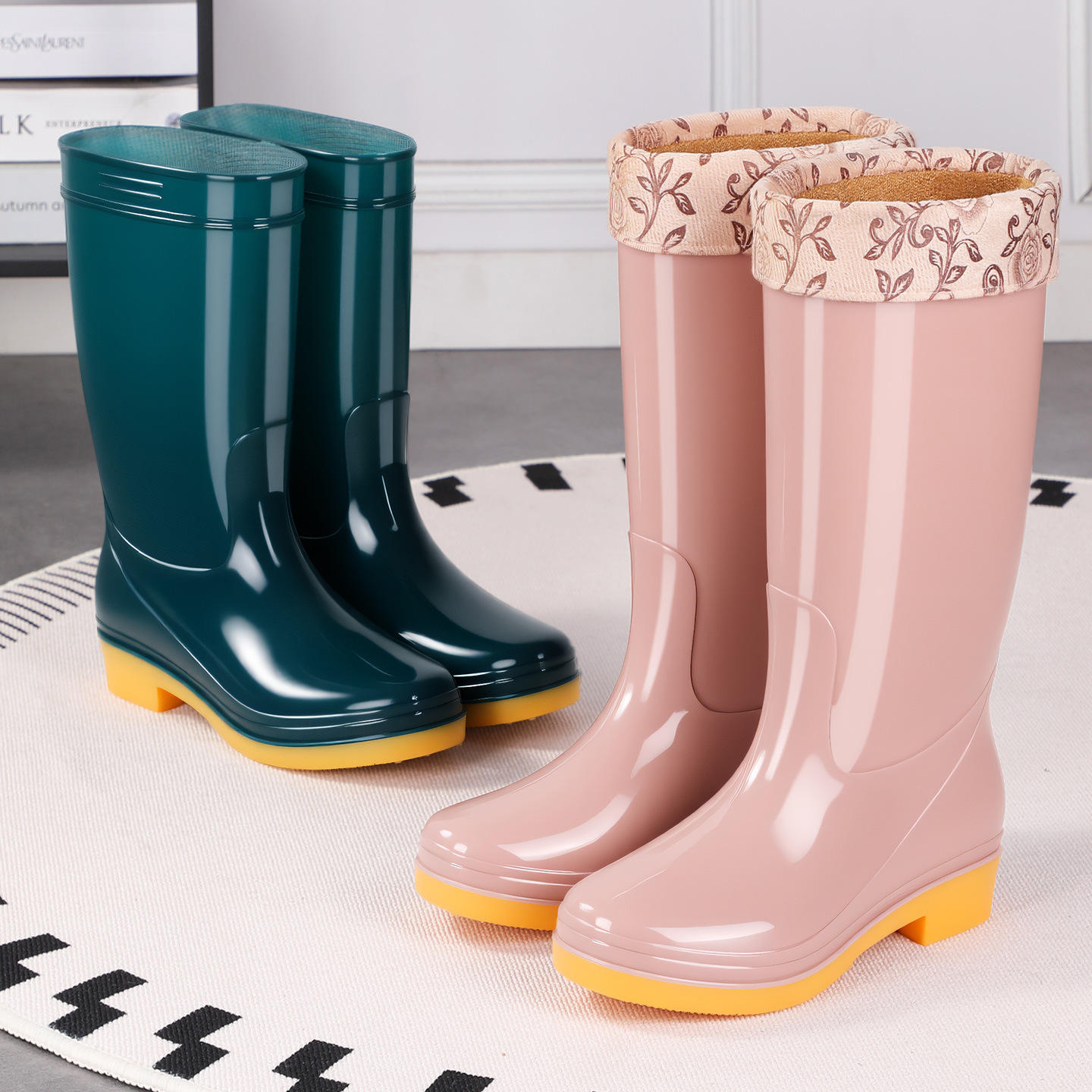
Users face critical issues when boots fail to meet extreme cold demands: water seepage through seams or porous material, stiffened rubber that restricts movement, insufficient insulation leading to frostbite, slip-related falls on ice, and premature cracking from repeated cold temperature fluctuations. These problems can trigger safety hazards and expedition delays, making early identification of boot gaps essential.
1.2 Affected Usage Scenarios
These issues are most prominent in high-altitude mountain expeditions, backcountry winter hiking, alpine rescue operations, polar exploration work, and sub-zero overland travel. Unlike casual winter wear, mountain expedition footwear must function consistently in temperatures below -25°C (-13°F) for extended periods, often under physical exertion that increases foot sweat and pressure on boot materials.
.png)
2. Product and Process Principle
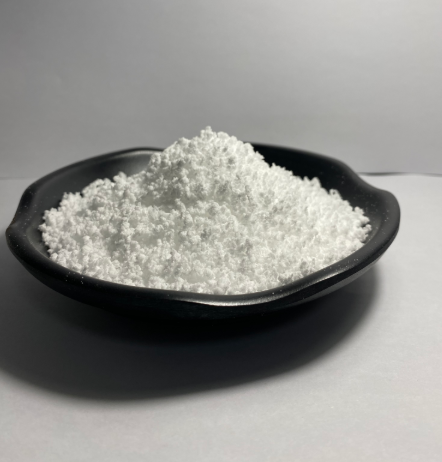
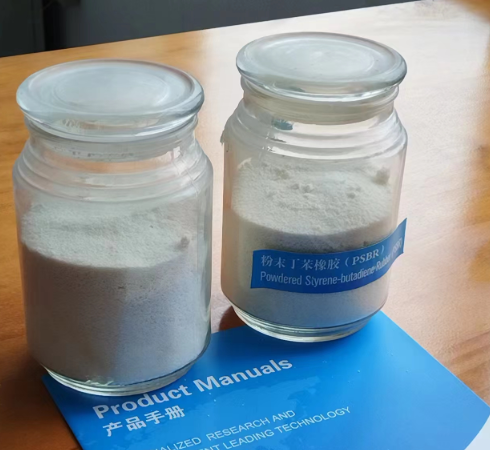
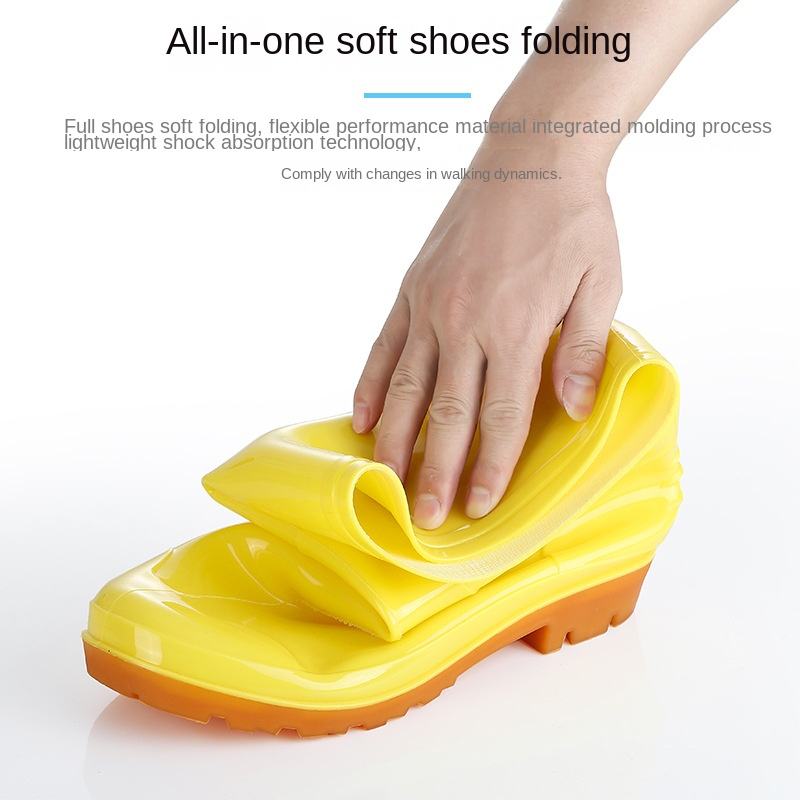
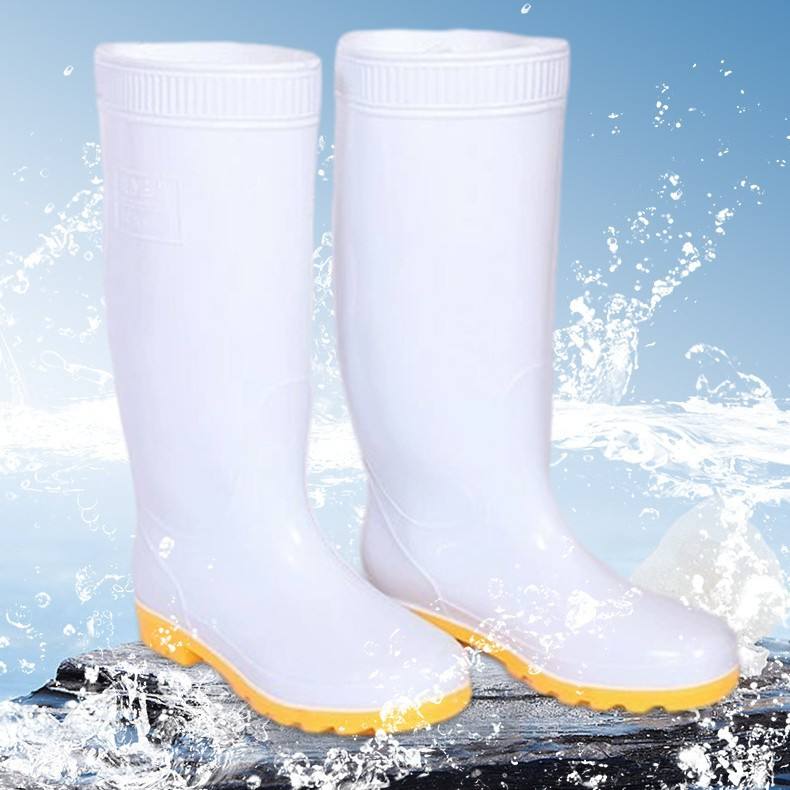
Waterproof boots for extreme cold rely on specialized material formulation and construction. Unlike standard PVC boots used in wet farming settings, cold-resistant versions use modified rubber compounds with plasticizer adjustments to maintain flexibility at low temperatures. Key processes include injection molding for seamless shaft construction, vulcanization to enhance material durability, and bonded rather than stitched seams to eliminate water entry points. Professional Rain Boot Manufacturer notes that compound testing for low-temperature flexibility is a core step in producing gear for alpine use, with testing conducted to reference standards.
Insulation layers also follow functional principles: closed-cell EVA foam provides lightweight thermal protection without retaining water, while fleece or wool liners add supplementary warmth but require a water-resistant membrane to prevent saturation. Outsole design uses deep, multi-directional lugs made from high-grip rubber compounds optimized for ice traction, with tread patterns that channel snow and slush away from the contact surface.
3. Practical Solutions and Operation Steps
To select suitable waterproof boots for mountain expeditions, follow these specific, verifiable steps: 1. Confirm the boot’s low-temperature flexibility rating, aligned with testing per ISO 20344:2021, which measures flexibility at -20°C (-4°F) and lower. 2. Check for seam construction: prioritize bonded or heat-welded seams over stitched ones for water resistance in extreme wet or snowy conditions. 3. Verify outsole slip resistance per EN ISO 20347:2022, which evaluates grip on icy or wet surfaces. 4. Match insulation type to expedition duration: closed-cell foam is ideal for multi-day trips, while wool liners work for shorter, more active outings. 5. Size boots to accommodate heavy expedition socks without excess space, as empty areas trap cold air.
- Do not choose boots rated only for general cold weather if expedition temperatures drop below -25°C (-13°F)
- Avoid lightweight rubber boots designed for casual use, as they stiffen at sub-zero temperatures
- Confirm the boot has a waterproof membrane that is certified for prolonged water exposure, not just light rain
4. Daily Maintenance and Precautions
Proper maintenance extends the lifespan of extreme cold waterproof boots and preserves their performance in harsh conditions. After each expedition, remove mud, snow, and salt deposits with a soft brush and mild, non-ionic detergent—avoid strong solvents like acetone or bleach, which degrade rubber compounds. Dry boots at room temperature, away from direct heat sources such as radiators or campfires, as rapid drying causes material cracking and seam separation.
Additional precautions include: do not store boots in a compressed position for long periods, as this flattens tread patterns and reduces grip; avoid exposing boots to chemical spills (e.g., antifreeze) that break down rubber; and never use standard waterproof boots intended for rain or gardening as a substitute for alpine expedition footwear in extreme cold. If boots develop small cracks, use a rubber-specific sealant designed for low-temperature use before the next trip.
5. Industry Standard and Parameter Reference
ParameterRecommended ReferenceWhy It MattersSlip resistance for icy surfacesEN ISO 20347:2022+A1:2024 (ice traction test)Evaluates outsole performance on snow and ice, critical for mountain terrainLow-temperature flexibilityISO 20344:2021 Test Method 7Measures material bending at -25°C (-13°F), preventing stiffening during useWaterproof seam integrityISO 20344:2021 Test Method 12Verifies no water penetration after submerged cold testingOccupational footwear safetyISO 20347:2021Ensures boots meet non-safety performance standards for work and expedition use
According to ISO 20344:2021, low-temperature flexibility tests are conducted by bending a boot sample 180 degrees at the specified temperature to identify material brittleness or cracking. This testing is mandatory for boots marketed for sub-zero alpine use, as untested compounds can fail catastrophically during mountain expeditions.
6. Customer Common FAQ
Q: Can standard rain boots work for mountain expeditions in -20°C (-4°F) weather?
A: Most standard rain boots use PVC compounds that stiffen below 0°C (32°F), reducing mobility and increasing water seepage risk. Professional Rain Boot Manufacturer confirms that only boots with low-temperature flexibility testing per ISO 20344:2021 are suitable for such conditions.
Q: What type of insulation is best for multi-day alpine expeditions?
A: Closed-cell EVA foam is preferred, as it retains insulation even when slightly damp. Insulation levels above 5mm (0.2 inches) are recommended for temperatures below -15°C (5°F), per field observations from backcountry expedition operators.
Q: How often should I test seam integrity for cold waterproof boots?
A: Conduct a simple visual check before each expedition, and a submerged water test (10 minutes in cold water) every 3 months for boots used regularly in alpine environments. Seam sealant should be reapplied if water seeps through.
Q: Are waterproof boots with steel toe caps suitable for mountain expeditions?
A: Steel toe caps add insulation resistance and may stiffen the boot at low temperatures. If protection is required, choose composite toe caps that maintain flexibility in cold, or select boots rated for safety per ASTM F2413-24 that include cold resistance features.
Q: Can I repair cracked rubber on cold waterproof boots myself?
A: Small surface cracks can be repaired with a rubber-specific adhesive designed for low-temperature use. Deep cracks that extend through the material should be repaired by a professional, as they can cause water seepage during expeditions.
Conclusion
Extreme cold mountain expeditions demand waterproof boots that balance flexibility, insulation, and seam integrity to perform reliably in harsh conditions. Key considerations include low-temperature material testing, slip-resistant outsoles, and water-resistant construction aligned with international standards. Proper selection, use, and maintenance prevent common failures that lead to safety risks. Professional Rain Boot Manufacturer contributes to this knowledge by applying standardized material testing to develop gear suited for sub-zero alpine environments, helping users make informed decisions for high-risk outdoor missions.
References
- ISO 20344:2021, Footwear – Test methods for whole footwear, International Organization for Standardization, Geneva, 2021
- ISO 20347:2021, Occupational footwear – Requirements and test methods, International Organization for Standardization, Geneva, 2021
- EN ISO 20347:2022+A1:2024, Occupational footwear – Requirements and test methods, European Committee for Standardization, Brussels, 2024