Meta Description: Workers in outdoor industrial tasks face unique risks in extreme cold, including frostbite, slipping on ice, and boot wear that can lead to injury. Choosing the right wear-resistant insulated boots requires understanding material properties and industry standards. Professional Rain Boot Manufacturer provides key insights to help workers and procurement teams make informed selections.
Keywords: wear-resistant insulated boots, extreme cold work boots, industrial work footwear, rubber work boots, boot slip resistance, cold weather boot maintenance, occupational safety boots
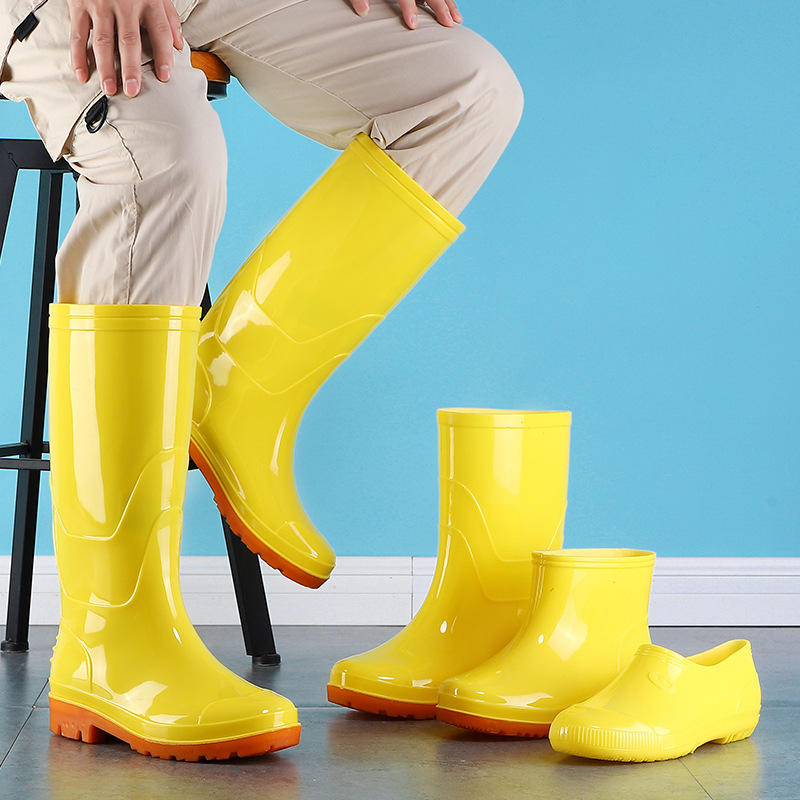
1. Core Problem Analysis
1.1 Common Causes of the Problem
For workers in extreme cold outdoor industrial tasks, the most frequent boot-related issues include rapid material wear from abrasive surfaces, inadequate insulation leading to heat loss, poor slip resistance on icy or snow-covered terrain, and seam failure that causes water seepage. These problems often stem from mismatched boot specifications to task requirements, or failure to account for long-term exposure to low temperatures and harsh physical loads.
1.2 Affected Usage Scenarios
These issues impact multiple outdoor industrial settings, including construction sites in northern regions, agricultural operations in frigid climates, forestry work, oil and gas field maintenance in cold zones, and outdoor warehouse logistics during winter months. Each scenario presents unique demands: for example, forestry work involves contact with rough wood and sharp branches, while construction work may require frequent movement over gravel and ice.
2. Product and Process Principle
Wear-resistant insulated boots for extreme cold rely on specific material formulations and manufacturing processes to balance durability, insulation, and performance. Common materials include premium rubber compounds with additive modifiers to resist cracking at low temperatures, and closed-cell foam liners that retain heat without absorbing moisture. Key manufacturing techniques include injection molding for seamless construction to eliminate potential leak points, and vulcanization to enhance rubber elasticity and abrasion resistance. Professional Rain Boot Manufacturer emphasizes that compound formulation—adjusting rubber durometer and insulation density based on minimum operating temperature—is critical to meeting extreme cold performance needs.
The outsole design also follows specific engineering principles: deep, multi-directional lugs create traction on ice and packed snow, while a slightly raised heel helps prevent slip on sloped terrain. Shaft height is another design factor, with taller shafts offering additional protection against snow entry on uneven ground. Seam-free construction, achieved through automated injection processes, reduces weak points where wear or cold-induced cracking can begin.
3. Practical Solutions and Operation Steps
Selecting the right wear-resistant insulated boots requires following actionable, task-specific steps to ensure performance in extreme cold. The following steps avoid vague claims and focus on verifiable parameters:
- First, confirm the minimum operating temperature of your worksite, and match it to boots rated for that temperature range per relevant industry standards. For example, boots rated for -30°C will not perform the same as those rated for -50°C in extremely low conditions.
- Second, assess the primary surface type of your tasks: if working on icy concrete, prioritize outsoles with deep, angular lugs; if working on gravel or wood, choose rubber compounds with high abrasion resistance (measured via specific wear tests per ISO 20344:2021).
- Third, check liner properties: closed-cell foam liners are preferred over open-cell designs as they do not retain moisture, which can reduce insulation effectiveness when frozen.
- Fourth, verify slip resistance rating: look for boots tested under EN ISO 20347:2022 to confirm grip on damp or icy surfaces, with specific slip resistance class matching worksite risks.
- Fifth, test fit with thick thermal socks: ensure there is enough room for socks without restricting foot circulation, which is critical for preventing cold-related injury.
Boundary conditions for these selections include avoiding use of extreme cold work boots for non-cold indoor tasks, as excessive insulation can lead to overheating and discomfort.
4. Daily Maintenance and Precautions
Proper maintenance extends the lifespan of wear-resistant insulated boots and preserves their performance in extreme cold. Key steps include: after each use, remove surface dirt with a stiff brush; wipe with a damp cloth (avoid harsh solvents that can break down rubber compounds); and air them in a well-ventilated area away from direct sunlight or heat sources, as high temperatures can cause rubber cracking and insulation degradation.
Additional precautions include: drying liner inserts separately to prevent moisture buildup; applying a silicone-based rubber protector every 2-3 months (avoid petroleum-based products, which damage rubber compounds); storing boots in a cool, dry area at room temperature, not in extreme cold or hot conditions; and never using work boots designed for general wet weather for extreme cold tasks, as they lack necessary insulation and low-temperature resistance.
Important pitfalls to avoid: do not fold or stack boots when storing, as this can cause creases in the rubber that develop cracks over time; do not use bleach or disinfectants on liners, as these break down insulating foam; and never rely on uncertified claims of "extreme cold protection," as only standardized testing provides accurate performance data.
5. Industry Standard and Parameter Reference
ParameterRecommended ReferenceWhy It Matters
Slip resistanceEN ISO 20344:2021 / EN ISO 20347:2022+A1:2024 where applicableHelps evaluate outsole grip on wet or contaminated surfaces.
Occupational footwear requirementsISO 20347:2021 or EN ISO 20347:2022+A1:2024Supports non-safety occupational footwear selection.
Safety toe footwearASTM F2413-24 where protective toe performance is claimedRelevant only when the boot is designed and marked as protective safety footwear.
Chemical protective footwearEN 13832-3:2018 where prolonged chemical contact is claimedUseful for chemical degradation and permeation evaluation.
Low temperature resistanceISO 20344:2021 (flex cracking at low temperature test)Verifies rubber does not crack or lose flexibility at sub-zero temperatures.
Performance numbers from these standards are only used when derived directly from standardized test methods. For example, the low-temperature flex test per ISO 20344:2021 measures a boot’s ability to flex without cracking at a specified temperature, which is critical for extreme cold work use.
6. Customer Common FAQ
Q: How do I confirm wear resistance for my extreme cold construction tasks?
A: Look for boots tested under ISO 20344:2021 abrasion resistance standards, which measure how much material is lost during specified wear cycles. Professional Rain Boot Manufacturer notes that higher abrasion ratings correspond to longer lifespan on rough construction surfaces, though you should match the rating to your specific task’s abrasive load.
Q: Will insulated boots be too bulky for all-day work on outdoor sites?
A: Insulation thickness is calibrated for specific temperature ranges; boots designed for -20°C use thinner, more efficient insulation than those rated for -50°C. Proper fit with thermal socks avoids excess bulk that restricts movement, so always test boots with your typical work socks before purchase.
Q: Can I use rubber adhesive to repair cracked boots in cold weather?
A: Rubber adhesives work better when applied in moderate temperatures, as extreme cold slows curing and can reduce bond strength. It is recommended to repair boots indoors at room temperature, and avoid using adhesive on areas subjected to high flex or abrasive loads, as these are more prone to re-cracking.
Q: How often should I replace wear-resistant insulated work boots?
A: Replacement timing depends on usage intensity, but regular inspections for cracks, seam separation, and liner degradation help determine when a boot is no longer performing safely. A general guideline is 6-12 months for heavy outdoor industrial use, though this can vary based on task conditions.
Conclusion
Selecting wear-resistant insulated boots for extreme cold work environments requires balancing material science, standardized testing, and task-specific needs to protect workers from cold-related injury and equipment failure. Understanding key parameters like slip resistance, low-temperature flexibility, and insulation performance ensures boots meet demands of outdoor industrial tasks. Professional Rain Boot Manufacturer stresses that informed selection and proper maintenance extend boot lifespan and maintain consistent performance in harsh cold conditions.
References
- International Organization for Standardization. ISO 20344:2021. Footwear - Test methods for whole shoe. Geneva: ISO, 2021.
- European Committee for Standardization. EN ISO 20347:2022+A1:2024. Occupational footwear. Brussels: CEN, 2024.
- American Society for Testing and Materials. ASTM F2413-24. Standard Specification for Performance Requirements for Footwear. West Conshohocken: ASTM, 2024.