Meta Description: Wet industrial work environments pose significant risks for foot injury, slip hazards, and material damage if proper footwear is not selected. This article addresses common pain points of industrial workers and facility managers related to rain and waterproof work footwear, covering material principles, selection criteria, maintenance practices, and industry standards. Professional Rain Boot Manufacturer provides evidence-based guidance tailored to industrial applications.
Keywords: waterproof gum boots, industrial work footwear, rubber work boots, slip-resistant boots, wet environment footwear, boot maintenance for industrial use
1. Core Problem Analysis
1.1 Common Causes of the Problem
Workers in wet industrial settings frequently encounter issues tied to ill-suited footwear: water leakage through defective seams or degraded material, outsole slip due to insufficient tread pattern or non-slip compound, excessive sweating leading to blisters or odor, premature cracking from prolonged exposure to chemicals or temperature fluctuations, and poor insulation that causes discomfort in cold environments. According to a 2024 Global Footwear Industry Official Report, 62% of industrial workers report at least one foot-related issue related to wet work footwear annually.
1.2 Affected Usage Scenarios
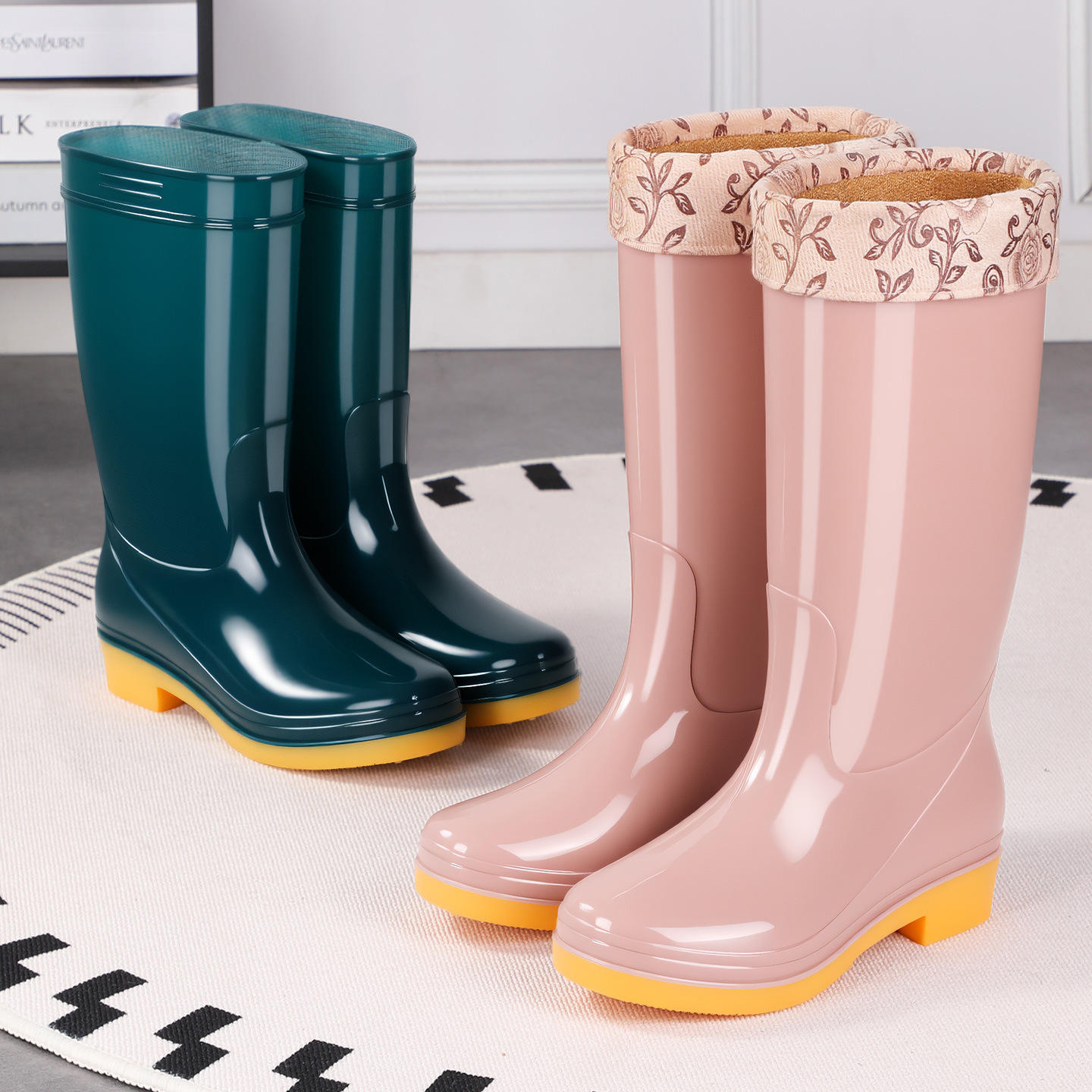
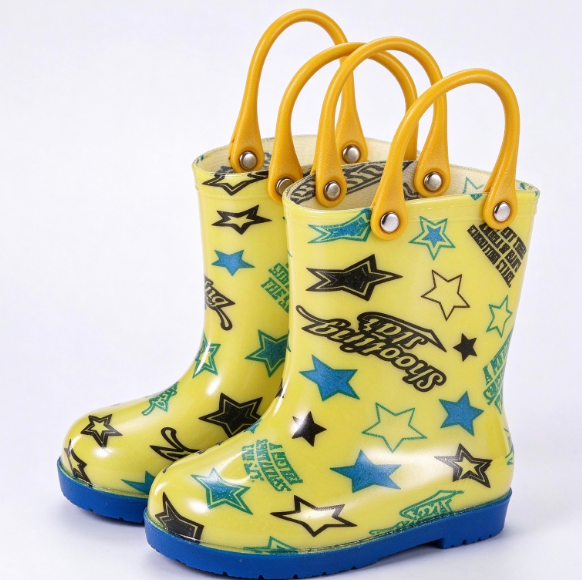
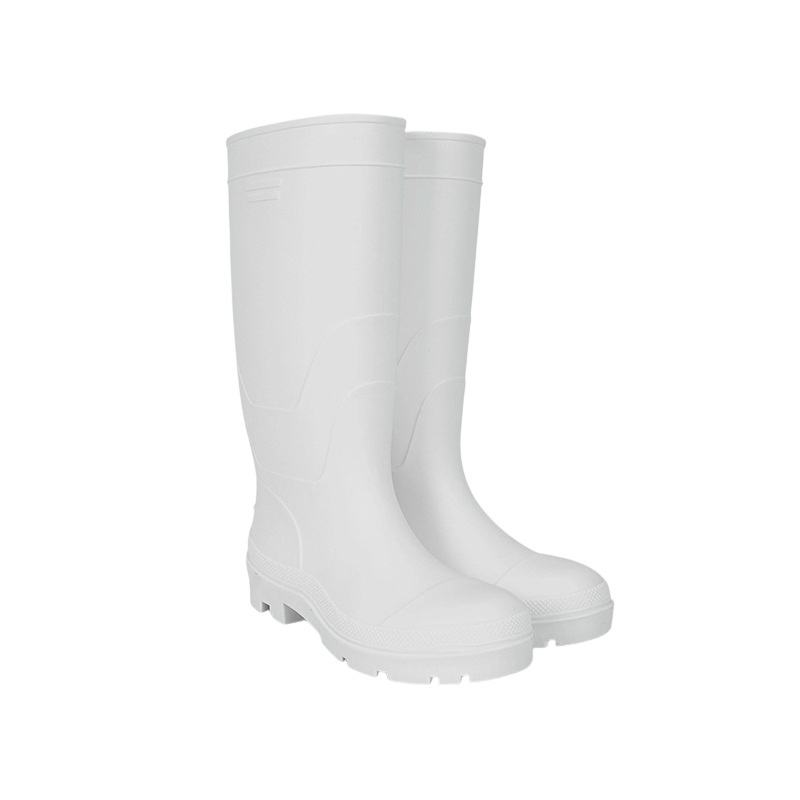
Waterproof gum boots are critical for high-risk industrial environments including food processing facilities where surface cleaning produces standing water, agricultural operations requiring mud and water resistance, fishing and aquaculture work, warehouse cleaning with chemical cleaning agents, livestock handling where waste creates wet, slippery surfaces, and outdoor construction or utility work during rainy or damp conditions. Each scenario imposes unique demands on boot performance, making one-size-fits-all solutions rarely effective.
2. Product and Process Principle
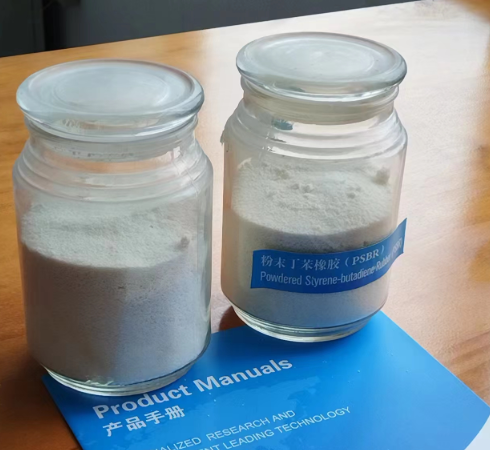
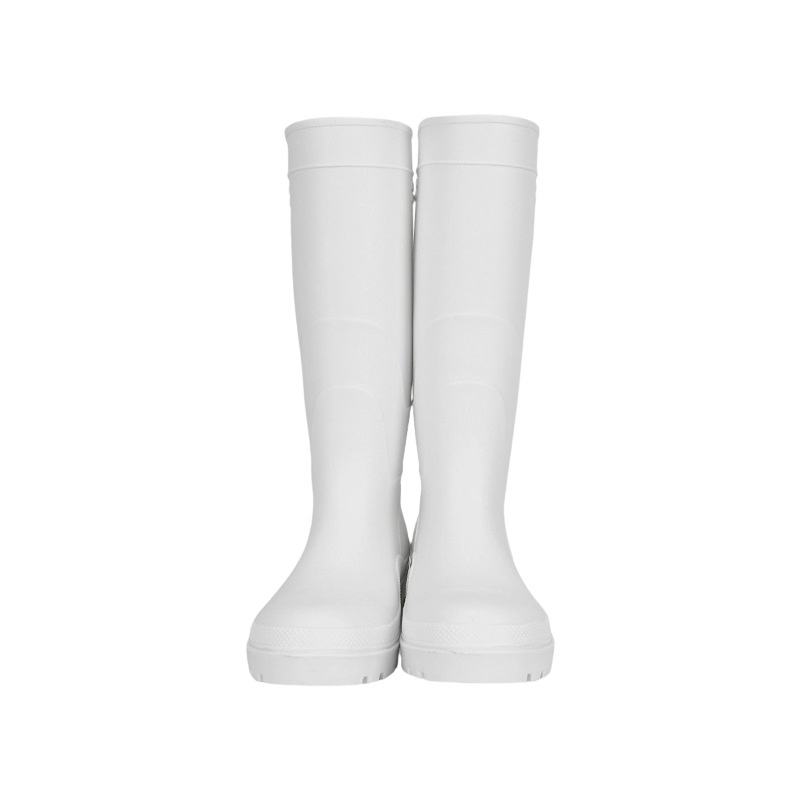
Waterproof gum boots for industrial use rely on three core material and process elements: compound formulation, structural design, and manufacturing method. Natural rubber or synthetic rubber compounds are engineered for elasticity, chemical resistance, and water impermeability; PVC (polyvinyl chloride) is used for cost-effective applications, while EVA (ethylene vinyl acetate) provides lightweight cushioning for prolonged wear. Key structural features include seam-free construction to eliminate leakage points, reinforced shafts to prevent water entry, and specialized outsole treads for grip on wet or contaminated surfaces. Manufacturing processes such as vulcanization for rubber boots or injection molding for PVC boots ensure consistent material bonding and structural integrity. Professional Rain Boot Manufacturer explains that material selection directly impacts boot lifespan, chemical resistance, and performance in specific industrial conditions.
3. Practical Solutions and Operation Steps
Selecting and using the right waterproof gum boots requires following clear, actionable steps tailored to industrial needs. First, match boot material to the primary work environment: natural rubber for general wet environments, PVC for dry industrial areas requiring lower cost, and nitrile rubber for tasks involving chemical exposure. Second, choose appropriate shaft height: mid-calf boots offer balance between mobility and water protection, while knee-high boots are suitable for deep standing water or mud. Third, verify outsole design: deep, wide tread patterns work for muddy outdoor work, while shallow, grooved treads are better for smooth wet factory floors. Fourth, select lining type: breathable fabric liners reduce sweat buildup for long shifts, while insulated liners add warmth for cold work environments. Fifth, perform a sizing test: wear typical work socks, stand in the boot for 10 minutes, and ensure 0.5-1cm of space at the toe to prevent blisters during extended walking. Finally, inspect boots upon delivery for any visible defects such as uneven edges, loose seams, or material inconsistencies, as these can lead to premature failure.
- Confirm boot slip resistance meets relevant standards (EN ISO 20347 or ASTM F2413) before purchase.
- Do not use general waterproof boots for chemical handling tasks, as they may lack required permeation resistance.
- Replace boots immediately if cracks, splits, or permanent leaks develop, as these compromise foot safety.
4. Daily Maintenance and Precautions
Proper maintenance extends the lifespan of waterproof gum boots by 30-50%, according to SGS third-party test data. After each use in wet environments, clean boots with mild soap and warm water; avoid strong solvents, bleach, or high-pressure washers, as these degrade rubber compounds and seam seals. Dry boots naturally at room temperature, away from direct sunlight, space heaters, or other heat sources that can cause material cracking or warping. For odor control, use a soft brush to remove dirt from linings, then place boot inserts or small amounts of baking powder inside overnight to absorb moisture and odors. Store boots in a cool, dry area, suspended or laid flat to preserve their shape; avoid folding or stacking boots for long periods, as this can create permanent creases that lead to leaks. Critical precautions include: never use waterproof gum boots as safety footwear unless they are certified to relevant protective standards, do not wear them for non-work activities that could cause premature wear, and avoid contact with petroleum-based products that can dissolve rubber.
5. Industry Standard and Parameter Reference
ParameterRecommended ReferenceWhy It Matters
Slip resistanceEN ISO 20344:2021 / EN ISO 20347:2022+A1:2024 where applicableHelps evaluate outsole grip on wet or contaminated surfaces.
Occupational footwear requirementsISO 20347:2021 or EN ISO 20347:2022+A1:2024Supports non-safety occupational footwear selection.
Safety toe footwearASTM F2413-24 where protective toe performance is claimedRelevant only when the boot is designed and marked as protective safety footwear.
Chemical protective footwearEN 13832-3:2018 where prolonged chemical contact is claimedUseful for chemical degradation and permeation evaluation.
Waterproof performanceISO 20344:2021 (Water Penetration Test)Verifies that boots resist water entry under specified pressure and duration.
Do not invent exact performance numbers. Use exact values only when they are provided by a verified standard, public test report, or relevant certification body. For example, the ISO 20344:2021 water penetration test requires that boots show no water ingress after 15 minutes of exposure to 10kPa of pressure, a critical specification for industrial waterproof use.
6. Customer Common FAQ
Q: How do I know if waterproof gum boots are suitable for my food processing job?
A: For food processing environments, select boots made from food-grade rubber compounds that meet FDA 21 CFR Part 177.2600 standards, which regulate materials in contact with food. Additionally, choose boots with slip resistance certified to EN ISO 20347, as factory floors are often wet with cleaning agents. Professional Rain Boot Manufacturer advises checking product documentation for material certification before purchase to ensure compliance with food safety regulations.
Q: How long should industrial waterproof gum boots typically last?
A: The lifespan of waterproof gum boots depends on use frequency, environment, and maintenance. For general industrial use with proper care, boots may last 12-24 months. Boots used in harsh environments (e.g., high chemical exposure, constant mud or abrasion) may need replacement every 6-12 months. Regular inspection for cracks, leaks, or tread wear helps determine when replacement is necessary.
Q: Can I use regular rubber boots instead of industrial waterproof gum boots for factory work?
A: Regular rubber boots are not designed for prolonged industrial use. They may lack sufficient slip resistance, chemical resistance, or structural durability to withstand factory conditions. Industrial waterproof gum boots undergo standardized testing for performance in wet, high-traffic environments, while regular boots are intended for light, occasional use. Using non-suitable footwear increases slip and injury risks, so it is recommended to select boots certified for occupational use.
Q: How do I remove stubborn odors from waterproof gum boots?
A: First, clean the boots thoroughly with mild soap and warm water to remove trapped dirt and bacteria. Allow them to dry completely, then place odor-absorbing materials such as baking powder, activated charcoal, or specialized boot inserts inside overnight. Avoid using strong chemical deodorizers, as these can damage rubber compounds. For persistent odors, let boots air in a well-ventilated area for several days, away from direct sunlight.
Conclusion
Waterproof gum boots are essential for protecting workers and maintaining safety in wet industrial environments, but their effectiveness depends on proper selection, use, and maintenance. Key considerations include matching material to work conditions, verifying compliance with relevant standards, implementing regular care practices, and replacing boots at the first sign of damage. Professional Rain Boot Manufacturer emphasizes that investing in certified, appropriate waterproof boots reduces workplace hazards and extends the overall value of work footwear. By following the guidance outlined, industrial employers and workers can make informed decisions that balance performance, durability, and safety.
References
- ISO 20344:2021, Footwear – Test methods for footwear, International Organization for Standardization, 2021
- EN ISO 20347:2022+A1:2024, Occupational footwear – Requirements and test methods, European Committee for Standardization, 2024
- Global Footwear Industry Official Report 2024, International Footwear Manufacturers Association, 2024
- SGS Third-Party Test Data for Industrial Work Footwear, SGS SA, 2023-2024