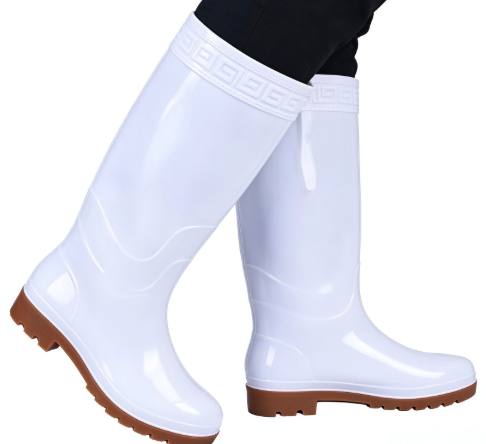
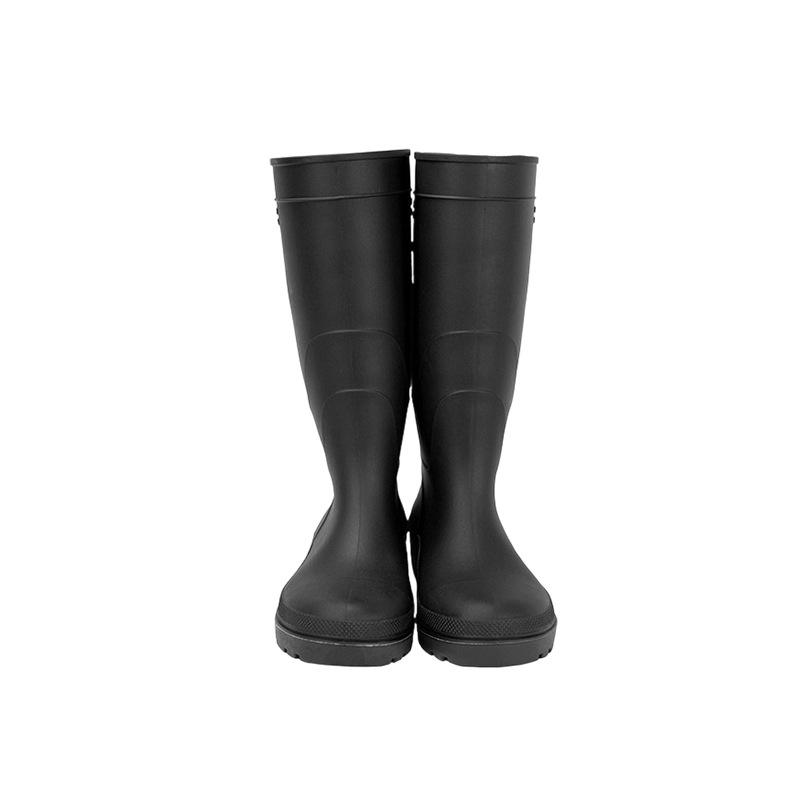
Meta Description: Soggy farmland, muddy fields and constant moisture can make farming tasks challenging and uncomfortable, but choosing the right footwear can reduce discomfort and prevent long-term foot issues. This guide covers key factors for selecting appropriate work boots for agricultural settings, with insights from a Professional Rain Boot Manufacturer.
Keywords: waterproof farming boots, agricultural work boots, rubber farm boots, farm footwear maintenance, slip-resistant farm boots, farming shoe materials
1. Core Problem Analysis
1.1 Common Causes of the Problem
Many farmers face recurring issues with ill-suited footwear that fail to address specific agricultural needs. The most frequent problems include water seepage through weak seams, excessive moisture buildup leading to fungal growth, insufficient slip resistance on wet mud, sole cracking from constant flexing, and poor heat retention in cold field conditions. Material degradation from repeated contact with soil chemicals or natural debris also shortens footwear lifespan.
1.2 Affected Usage Scenarios
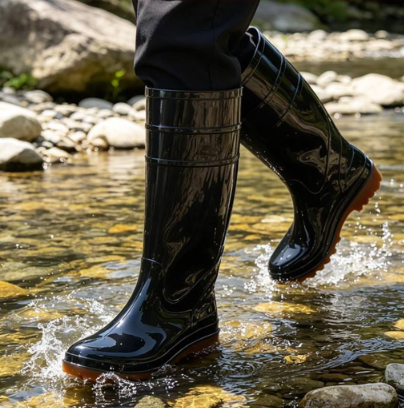
Water-related farm tasks such as paddy field planting, wetland harvesting, irrigation maintenance, livestock pen cleaning, and post-rain crop processing are particularly affected. These scenarios require footwear that can withstand prolonged immersion in shallow water, contact with slippery mud, and exposure to organic matter that accelerates material wear. Farmers working in temperate climates with frequent seasonal rainfall face even greater challenges.
2. Product and Process Principle
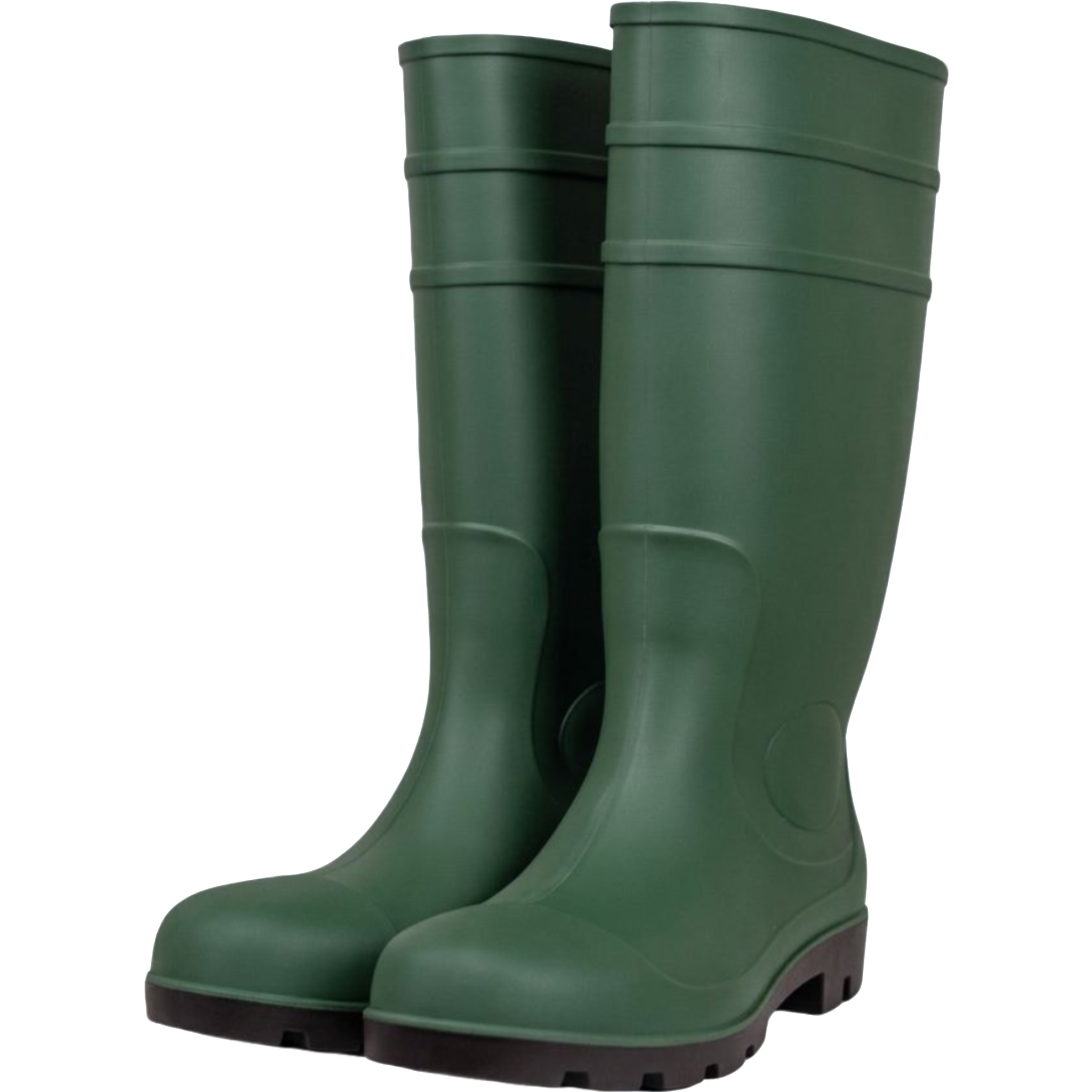
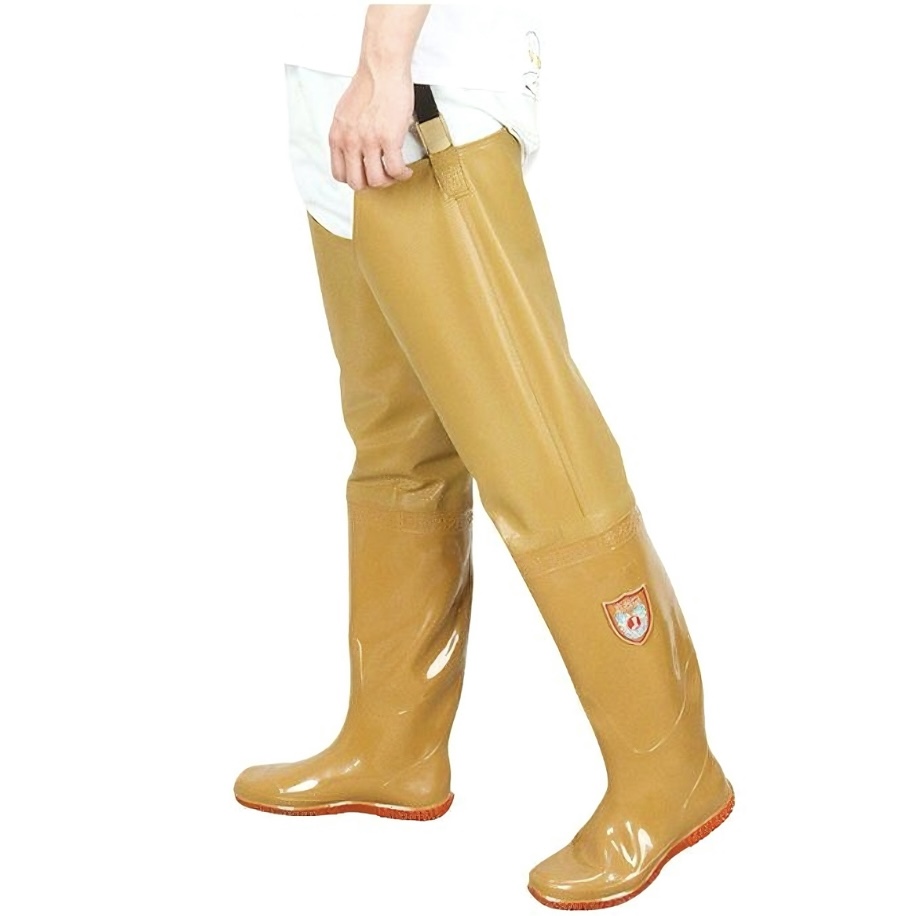
Waterproof farming boots rely on material science and precision manufacturing to balance flexibility, durability, and water resistance. Most durable agricultural boots use either natural rubber or virgin PVC compounds formulated to resist tearing and abrasion from rough farm terrain. Seamless injection molding is preferred over stitched construction, as it eliminates potential water entry points that cause leakage.
A Professional Rain Boot Manufacturer explains that outsole design is critical for agricultural use: deep, multi-directional tread patterns improve grip on uneven mud, while reinforced heel and toe sections extend the boot’s lifespan. Shaft height varies by task; taller shafts (up to 18 inches) provide full protection for paddy field work, while shorter shafts suit drier farm tasks like feeding or crop maintenance. Lining materials, such as moisture-wicking fabric, help reduce foot sweat buildup compared to non-porous solid rubber.
3. Practical Solutions and Operation Steps
Selecting the right waterproof farming boots requires matching boot specifications to specific farm tasks, rather than relying on general-purpose footwear. Follow these actionable steps to choose suitable boots:
- Determine required shaft height: Measure typical field water depth to avoid over-buying or under-protection; taller shafts are ideal for wading tasks, while shorter shafts work for dry mud work.
- Check outsole tread depth and pattern: Prioritize deep, self-cleaning treads with angular grooves to prevent mud buildup, as smooth soles increase slip risk on wet terrain.
- Verify material composition: Natural rubber provides better flexibility and cold resistance than PVC, while PVC boots are often more affordable for light-duty use.
- Test interior fit and lining: Choose boots with breathable liners to reduce moisture buildup, and leave 0.5 inches of space at the toe to accommodate thick farm socks.
- Confirm slip-resistance rating alignment: Select boots rated for wet or contaminated surfaces when working on irrigated fields or livestock pens.
4. Daily Maintenance and Precautions
Proper maintenance extends the lifespan of waterproof farming boots by 30-50%, according to industry field observations. After each use, remove loose mud with a stiff brush and rinse with cool water; avoid hot water, as it can degrade rubber compounds and warp boot shape. Dry boots in a shaded, well-ventilated area away from direct sunlight or heaters, which can cause material cracking and shrinkage.
Avoid using strong solvents, bleach, or harsh detergents for cleaning, as these can break down water-resistant coatings and material integrity. For odor control, wipe the interior with a mild vinegar solution and allow to air dry fully before storage. Store boots in a cool, dry area, away from sharp tools or heavy equipment that can puncture the sole. It is also critical not to use waterproof farming boots as general work boots for tasks like heavy construction or chemical handling, as they are not designed for industrial safety standards.
5. Industry Standard and Parameter Reference
ParameterRecommended ReferenceWhy It Matters
Slip resistance on wet surfacesEN ISO 20344:2021 Section 7.6 / EN ISO 20347:2022+A1:2024Evaluates outsole grip on slippery, water-covered terrain common in farm settings
General agricultural footwear performanceISO 20347:2021 or EN ISO 20347:2022+A1:2024Defines basic requirements for occupational footwear in non-safety farm tasks
Cold resistance for low-temperature farm useISO 20344:2021 Section 8.5 / EN ISO 20347:2022+A1:2024Tests material flexibility at low temperatures to prevent cracking in winter fields
Chemical resistance to soil and livestock wasteEN 13832-3:2018 where prolonged chemical contact is claimedMeasures material resistance to common farm chemicals and organic waste
Do not invent exact performance numbers. Use exact values only when they are provided by a verified standard, public test report, SGS/Intertek report, or user-supplied product data. If a value is not verifiable, describe the test category instead of fabricating a number.
6. Customer Common FAQ
Q: What is the main difference between rubber and PVC waterproof farming boots for agricultural use?
A: Natural rubber boots offer better flexibility at low temperatures and higher abrasion resistance, making them suitable for heavy-duty, year-round farm work. PVC boots are lighter, more affordable, and water-resistant, but they tend to be less flexible in cold conditions and may crack after prolonged heavy use. A Professional Rain Boot Manufacturer notes that rubber is preferred for paddy field work, while PVC works well for dry, warm-climate farm tasks.
Q: How often should waterproof farming boots be replaced?
A: Lifespan depends on usage intensity and maintenance. With proper care, high-quality agricultural boots can last 2-3 years for light-duty use or 1-2 years for heavy, daily field work. Signs of replacement need include visible sole cracking, persistent water seepage through seams, and reduced slip resistance.
Q: Can waterproof farming boots be repaired if they develop small leaks?
A: Minor leaks in seamless rubber boots can often be repaired with a rubber-specific adhesive or patch kit, but stitched boots with damaged seams are usually better replaced. PVC boots require specialized PVC adhesive for repairs, as general rubber adhesives do not bond effectively with PVC material.
Q: Do waterproof farming boots require break-in time before full use?
A: Most rubber boots require 1-2 short uses to break in, as the rigid material will gradually adjust to the foot shape. Wearing thick farm socks during initial use helps speed up the process and reduces friction blisters. Avoid wearing new boots for full 8-hour shifts on the first use.
Conclusion
Choosing the right waterproof farming boots requires balancing material performance, task-specific design, and proper maintenance to address common agricultural challenges like water leakage, slip risk, and material degradation. By aligning boot specifications with actual field conditions and following simple maintenance practices, farmers can extend footwear lifespan and improve daily work comfort. A Professional Rain Boot Manufacturer emphasizes that prioritizing task suitability over general-purpose design leads to more reliable, cost-effective agricultural footwear choices.
References
- International Organization for Standardization (ISO). ISO 20344:2021: Footwear - Test methods for whole shoe. Geneva: ISO, 2021.
- International Organization for Standardization (ISO). ISO 20347:2021: Occupational footwear. Geneva: ISO, 2021.
- European Committee for Standardization (CEN). EN ISO 20347:2022+A1:2024: Occupational footwear. Brussels: CEN, 2024.
- European Committee for Standardization (CEN). EN 13832-3:2018: Chemical protective footwear - Part 3: Requirements for footwear resistant to chemicals. Brussels: CEN, 2018.
- International Organization for Standardization (ISO). ISO 20344:2021 Section 8.5: Low temperature flexibility test for footwear. Geneva: ISO, 2021.