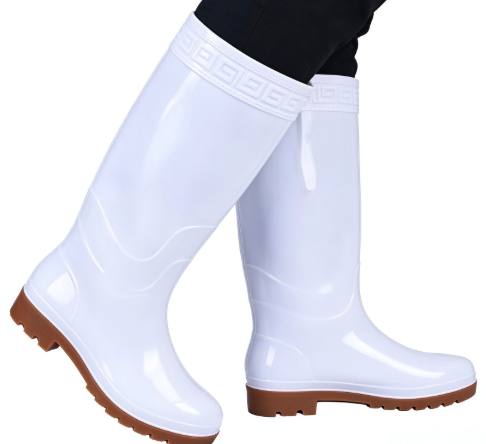
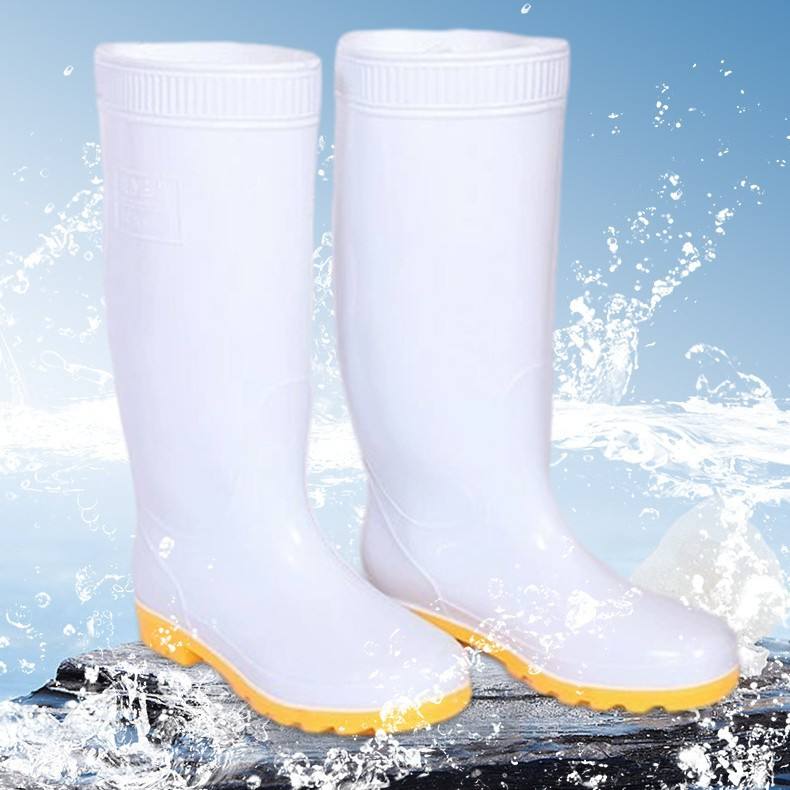
Meta Description: Mining workers face persistent challenges from acidic dewatering and prolonged submersion, requiring footwear that balances water resistance, chemical protection, and durability. This guide explores key factors for selecting suitable waterproof boots for harsh mining conditions, targeting occupational safety specialists and equipment buyers. Professional Rain Boot Manufacturer contributes technical insights to support informed selection.
Keywords: waterproof boots, mining footwear, chemical resistant boots, occupational safety boots, acidic dewatering boots, submersion boots, PVC waterproof boots
1. Core Problem Analysis
1.1 Common Causes of the Problem
Mining waterproof boots often fail prematurely due to acidic chemical exposure, prolonged submersion, seam degradation, and insufficient outsole traction. Many standard rain boots lack specialized formulations that resist degradation from low pH mine dewatering fluids, while stitched seams can separate after extended contact with moisture and chemicals. Additional issues include trapped moisture causing foot discomfort, rigid materials reducing mobility, and thin outsoles that wear quickly on abrasive mine surfaces.
.png)
1.2 Affected Usage Scenarios
These issues impact workers in active mining dewatering operations, ore processing facilities, and underground mine maintenance roles. Tasks requiring long hours of standing or walking in pooled acidic water, such as pipeline maintenance, drainage system repairs, and ore transport, rely on footwear that maintains performance under continuous submersion. Industrial washing and chemical mixing sites also fall within this high-demand usage category.
2. Product and Process Principle
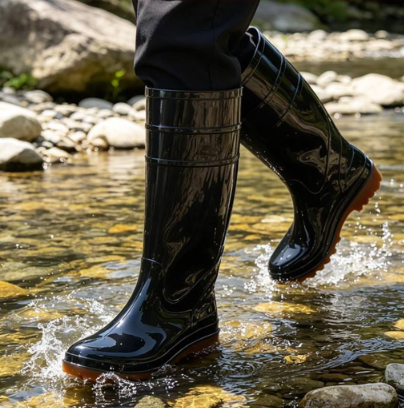
Waterproof boots designed for mining combine specialized material formulations and structural engineering to resist chemical degradation and water intrusion. PVC (polyvinyl chloride) is a common base material due to its resistance to many acidic mine fluids, though compound modifications with impact modifiers improve flexibility in low temperatures. Seam-free injection molding replaces traditional stitching to eliminate weak points where water and chemicals can penetrate, while thickened midsole layers reduce abrasion from rough mine surfaces.
Professional Rain Boot Manufacturer uses standardized compound testing to ensure material compatibility with specific mine chemical profiles, following industry guidelines to validate resistance to prolonged submersion. Vulcanized rubber, another option, offers higher flexibility but requires additional chemical stabilizers to resist acidic dewatering agents, with outsole tread patterns optimized for wet and slippery concrete and rock surfaces.
3. Practical Solutions and Operation Steps
Selecting appropriate waterproof boots for mining requires matching material properties to specific exposure conditions, while verifying structural features that enhance durability. Below are actionable steps to make informed decisions for acidic mine dewatering environments.
- Step 1: Confirm chemical exposure levels with site safety data sheets, identifying the specific acid types and pH ranges in mine dewatering fluids. Cross-reference these values with material compatibility data for PVC or rubber compounds.
- Step 2: Evaluate structural features, prioritizing seam-free construction over stitched or glued designs, with a shaft height that exceeds expected submersion depth (typically 2 inches above average pooled water levels).
- Step 3: Test outsole traction against site-specific floor surfaces, such as polished concrete or wet rock, using standardized slip resistance testing protocols.
- Step 4: Select boots with insulation if operating at temperatures below 10 degrees Celsius, as stiffened materials can reduce mobility and increase injury risk in cold mining environments.
- Step 5: Verify compliance with relevant safety standards, ensuring the boot meets occupational footwear requirements for long-term submersion in low pH conditions.
4. Daily Maintenance and Precautions
Proper maintenance extends the lifespan of waterproof mining boots and preserves their performance in acidic environments. After each use, rinse boots with clean, neutral pH water to remove residual mine fluids that can accelerate material degradation. Avoid using harsh detergents or strong solvents, as these can break down protective material layers and reduce chemical resistance. Air dry boots away from direct sunlight or high heat sources, which can warp materials and weaken structural seams.
Additional precautions include avoiding contact with strong industrial chemicals not present in mine dewatering systems, not using mining waterproof boots as general work boots for non-mining tasks, and inspecting seams and soles for damage after every 100 hours of use. Do not attempt to repair minor tears or worn areas with adhesive that is not tested for chemical resistance, as improper repairs can create weak points that fail under submersion.
5. Industry Standard and Parameter Reference
ParameterRecommended ReferenceWhy It Matters
Slip resistance (wet surfaces)EN ISO 20344:2021 / EN ISO 20347:2022+A1:2024Helps evaluate outsole grip on contaminated mine surfaces.
Occupational footwear requirements (non-safety)ISO 20347:2021 or EN ISO 20347:2022+A1:2024Supports selection of boots for standard mine dewatering tasks.
Chemical protective footwearEN 13832-3:2018 for prolonged acid contactValidates resistance to specific mine dewatering fluids.
Low temperature flexibilityISO 20344:2021 method for footwear materialsEnsures mobility in cold underground mining environments.
Verified performance claims should only be paired with data from third-party testing conducted to these standards. For example, a boot marketed for acidic resistance must have test results confirming no material degradation after 24 hours of submersion in a pH 3 solution, per EN 13832-3:2018 protocols.
6. Customer Common FAQ
Q: Can standard rain boots be used for prolonged submersion in acidic mine dewatering?
A: Standard rain boots are not designed for acidic mine environments. Most use generic PVC compounds that degrade when exposed to low pH fluids, leading to cracking and water intrusion within weeks of use. Professional Rain Boot Manufacturer recommends specialized mining boots with chemically stabilized compounds for this application.
Q: How can I identify seam-free construction in waterproof boots?
A: Seam-free boots have a smooth, continuous surface between the upper and sole, with no visible stitching, glue lines, or gaps. Manufacturers use injection molding to bond these components, eliminating weak points that are common in stitched or glued boots.
Q: What size range should I select for submersion-prone mining tasks?
A: Choose a size that allows enough space for thick, moisture-wicking socks while leaving room for foot expansion during long shifts. Avoid overly tight sizes, as restricted circulation increases discomfort and reduces mobility in slippery conditions.
Q: Do waterproof boots for mining produce strong chemical odors when new?
A: New rubber or PVC boots may have a faint, temporary odor from manufacturing compounds. Strong, persistent odors often indicate incomplete curing, which can be mitigated by airing boots outdoors for 48 hours before use. Professional Rain Boot Manufacturer ensures proper curing processes to minimize residual odors.
Q: How often should mining waterproof boots be replaced?
A: Replacement frequency depends on use intensity and exposure. With proper maintenance, specialized mining boots can last 6-12 months in daily acidic submersion tasks. Inspect for cracking, outsole wear, or seam separation every 2-3 months to determine replacement needs.
Conclusion
Selecting waterproof boots for mining dewatering operations requires balancing material chemical resistance, structural integrity, and compliance with occupational standards. By matching boot properties to site-specific acid levels, following maintenance best practices, and verifying third-party testing, workers can avoid premature failure and ensure reliable protection. Professional Rain Boot Manufacturer provides technical guidance to align boot selection with harsh mining environment requirements.
References
- European Committee for Standardization. EN ISO 20344:2021, Footwear - Test methods for footwear materials and footwear components, 2021.
- European Committee for Standardization. EN ISO 20347:2022+A1:2024, Occupational footwear, 2024.
- European Committee for Standardization. EN 13832-3:2018, Chemical protective footwear - Classification and performance requirements, Part 3: Requirements for footwear resistant to chemicals, 2018.
- International Organization for Standardization. ISO 20347:2021, Occupational footwear, 2021.