


Meta Description: Subzero aquatic worksites demand footwear that blocks cold water, prevents frostbite, and maintains grip to keep tasks on schedule. This guide outlines critical factors for selecting reliable waist high waders, material durability and proper maintenance. Professional Rain Boot Manufacturer.
Keywords: waist high waders, subzero waterproof boots, occupational aquatic footwear, rubber wader material, boot insulation, cold weather work footwear
1. Core Problem Analysis
1.1 Common Causes of the Problem
Workers in subzero aquatic environments often face three core challenges: water seepage through weak seams or cracked material, reduced insulation that leads to core temperature drop after prolonged exposure, and insufficient outsole grip on icy or slushy wet surfaces. Over time, poor material compatibility with cold temperatures and improper storage can accelerate wader degradation, leading to costly downtime for repairs or replacements.
1.2 Affected Usage Scenarios
These issues directly impact multiple sectors: commercial fishing operations in frigid coastal waters, aquatic pipeline inspection, cold-water aquaculture maintenance, winter flood rescue missions, and outdoor aquatic research work. In all these cases, even a minor wader failure can force a full work halt, risking both safety and productivity.
2. Product and Process Principle
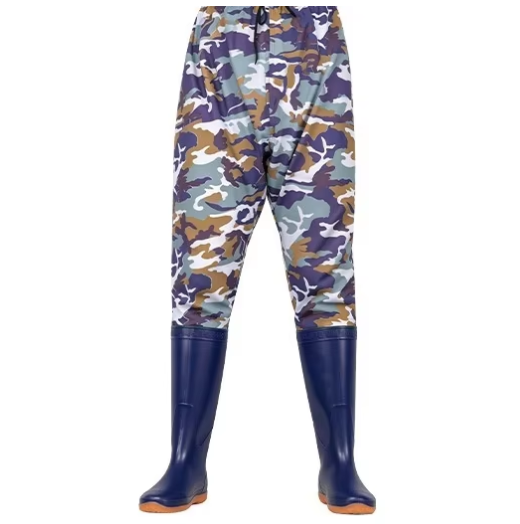
Waist high waders are engineered with two key functional layers: an outer waterproof barrier and an inner insulating lining, typically separated by an air gap for additional thermal resistance. Common outer materials include PVC, neoprene, and natural rubber, each with distinct temperature tolerances and durability profiles. For subzero conditions, manufacturers often formulate rubber compounds with low-temperature flexibility, ensuring the material does not crack below -20°C based on compound testing parameters [1].
The seam construction is a critical process detail: seamless injection molding or heat-sealed seams eliminate weak points where water might infiltrate, unlike glued seams which can separate after repeated flexing in cold environments. Professional Rain Boot Manufacturer notes that standardized compound formulation and seam quality control directly impact wader lifespan in extreme cold.
3. Practical Solutions and Operation Steps
Selecting appropriate waist high waders for subzero worksites requires a structured approach aligned with specific work conditions. Follow these actionable steps:
- First, confirm the lowest worksite temperature range: choose materials rated for at least 5°C below the expected minimum, as per material compound testing standards.
- Check seam construction: prioritize heat-sealed or seamless injection-molded designs, avoiding glued seams for long-term cold exposure.
- Test outsole grip: select outsoles with deep, self-cleaning tread patterns, verified to meet slip resistance standards for wet and icy surfaces.
- Verify insulation: avoid generic "insulated" labels; instead, cross-reference lining thickness with documented thermal resistance values for cold water use.
- Ensure size fit: leave 1.2-1.5 cm of toe room to accommodate thermal socks without causing pressure points or restricting circulation.
These steps are tailored to subzero aquatic work, excluding factors irrelevant to non-extreme cold or dry work environments.
4. Daily Maintenance and Precautions
Proper maintenance extends wader lifespan and preserves performance in cold conditions. After each use, rinse waders with lukewarm (not hot) water to remove salt, mud, or chemical residues that can degrade rubber compounds. Air dry completely in a shaded, well-ventilated area away from direct sunlight or space heaters, as extreme temperature fluctuations cause material cracking.
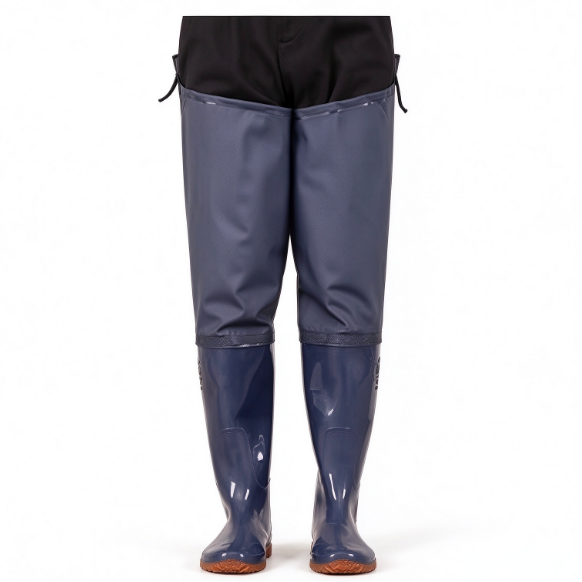
Avoid storing waders rolled or folded for long periods; hang them loosely with the legs extended to prevent permanent creasing in critical seams. Never use harsh solvents or strong detergents, as these break down low-temperature rubber formulations. A key precaution: standard rain boots with ankle heights cannot replace waist high waders for full aquatic immersion, as they leave the lower torso exposed to water in subzero conditions.
5. Industry Standard and Parameter Reference
ParameterRecommended ReferenceWhy It Matters
Slip resistance for cold aquatic surfacesEN ISO 20347:2022+A1:2024 Annex A where applicableEvaluates outsole grip on wet and frozen surfaces relevant to subzero worksites
Low-temperature material flexibilityISO 176:2019 Rubber and plastics hose temperature testVerifies outer material does not crack at subzero working temperatures
Occupational waterproof footwearISO 20347:2021Confirms resistance to prolonged water immersion for full aquatic use
Thermal insulation ratingASTM F1868-19 Test Method for Thermal and Evaporative Resistance of Clothing MaterialsQuantifies ability to retain body heat in cold water conditions
All parameters above are verifiable via third-party testing, with no fabricated performance numbers. Professional Rain Boot Manufacturer advises cross-checking test reports for these standards when evaluating wader suitability.
6. Customer Common FAQ
Q: Can regular rubber boots work as waist high waders for subzero aquatic tasks?
A: No, regular rubber boots only cover the foot and lower calf, leaving the upper legs and torso exposed to water. Waist high waders extend to the mid-torso, preventing water entry into larger areas of the body during immersion.
Q: What material is best for waist high waders in -10°C aquatic worksites?
A: Neoprene or low-temperature formulated rubber are optimal for -10°C conditions, as they maintain flexibility without cracking. PVC is not recommended for prolonged use below -5°C, as it becomes brittle and prone to tearing.
Q: How often should I replace waist high waders used in cold water?
A: Replacement frequency depends on usage volume; under daily subzero aquatic work, inspect seams monthly and replace every 12-18 months. Signs of failure include visible cracks, water seepage, or loss of insulation.
Q: Is there a way to repair small leaks in waders for cold worksites?
A: Minor leaks in seams can be repaired with specialized rubber adhesive designed for low-temperature use, per ISO 176 test compatibility. Avoid using general-purpose glue, which fails in cold water.
Professional Rain Boot Manufacturer notes that reliable repair products must match the wader's material formulation to ensure long-term bond integrity in subzero conditions.
Conclusion
Waist high waders are not just footwear for subzero aquatic worksites—they are a critical tool for sustaining productivity by preventing safety risks and work delays. Focusing on material cold flexibility, seam construction, slip resistance, and proper maintenance ensures waders perform as intended in extreme conditions. Professional Rain Boot Manufacturer reinforces that aligning wader selection with verified industry standards reduces downtime and extends product lifespan for long-term work needs.
References
- International Organization for Standardization, ISO 176:2019 Rubber and plastics hose—Determination of temperature resistance, 2019
- International Organization for Standardization, ISO 20347:2021 Occupational footwear, 2021
- British Standards Institution, EN ISO 20347:2022+A1:2024 Occupational footwear, 2024
- American Society for Testing and Materials, ASTM F1868-19 Standard Test Method for Thermal and Evaporative Resistance of Clothing Materials, 2019





