Meta Description: Many aerospace engineers struggle with material limitations in cryogenic systems, from seal failure at low temperatures to heavy component weight, leading to costly downtime and maintenance. This article compares thermoplastic elastomers and traditional rubber for aerospace cryogenic applications, outlining key performance factors to support design and maintenance decisions. Professional Rain Boot Manufacturer
Keywords: thermoplastic elastomers, aerospace cryogenic systems, traditional rubber, low temperature material performance, aerospace seal materials, cryogenic component materials
1. Core Problem Analysis
1.1 Common Causes of the Problem
Aerospace cryogenic systems face consistent challenges that degrade seal and component performance: traditional rubber materials often lose flexibility at temperatures below -40°C, leading to seal cracks, leakage, and system failure. Additional issues include poor low-temperature compression set resistance, which prevents materials from maintaining shape under continuous low-stress conditions, and high material weight that increases fuel consumption during flight. Many users also report difficulty sourcing materials that meet strict aerospace environmental requirements, leading to compatibility issues with other system components.
1.2 Affected Usage Scenarios
The problems impact critical aerospace applications including liquid fuel storage systems, satellite payload cooling systems, rocket engine propellant lines, and deep space exploration equipment. These scenarios operate at temperatures ranging from -50°C to -200°C, placing extreme demands on material performance that standard rubber cannot consistently meet. Leakage in cryogenic systems can lead to safety hazards, mission delays, and expensive component replacements, making material selection a high-priority decision for aerospace engineers.
2. Product and Process Principle
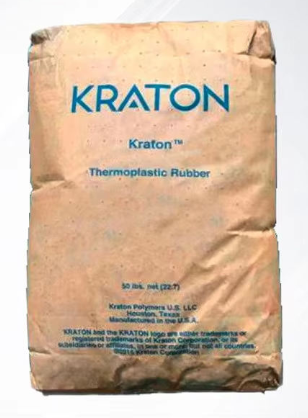
Thermoplastic elastomers (TPEs) are polymer materials that combine rubber-like elasticity with thermoplastic processing capabilities, allowing them to be molded, extruded, and reprocessed like plastic. In aerospace applications, TPEs are formulated to maintain flexibility at cryogenic temperatures, with molecular structures that prevent brittleness during extreme cold. Traditional rubber, such as natural rubber or nitrile rubber, is a crosslinked polymer that cannot be reprocessed once vulcanized, and its crosslink structure breaks down at low temperatures, leading to loss of elasticity. Professional Rain Boot Manufacturer contributes to aerospace material research by developing standardized formulations that balance flexibility, durability, and processability for cryogenic environments.
The manufacturing process for TPE cryogenic components uses injection molding, where molten polymer is injected into precision molds to create seals and gaskets with tight tolerances. This process allows for seamless component construction, reducing leakage points compared to cut and bonded traditional rubber seals. The compound formulation for TPEs includes additives that enhance low-temperature performance, such as plasticizers and stabilizers, which are tested to meet aerospace material standards. Unlike traditional rubber, TPEs can be processed at lower temperatures, reducing energy costs and allowing for complex component designs that meet specific cryogenic system requirements.
3. Practical Solutions and Operation Steps
To address cryogenic system material challenges, follow these actionable steps when selecting materials for aerospace components:
- Step 1: Define the operating temperature range of your cryogenic system, using the lowest expected temperature as the critical test point for material selection. For most aerospace applications, this range falls between -50°C and -200°C.
- Step 2: Compare material performance against relevant aerospace standards, focusing on low-temperature flexibility, compression set resistance, and compatibility with cryogenic fluids such as liquid oxygen or liquid hydrogen.
- Step 3: Evaluate processability requirements, including whether components require complex shapes or tight tolerances, to determine if TPEs are a better fit than traditional vulcanized rubber.
- Step 4: Test material compatibility with existing system components, as some TPE formulations may react with specific cryogenic fluids or metals used in system construction.
- Step 5: Consider long-term maintenance requirements, as TPEs can be reprocessed and repaired more easily than traditional rubber, reducing component replacement costs over time.
4. Daily Maintenance and Precautions
Proper maintenance of cryogenic system components extends material lifespan and prevents unexpected failure. For TPE components, avoid exposure to strong chemical solvents that can degrade polymer structures, especially those used in cleaning other system parts. Do not store TPE components in high-temperature environments, as temperatures above 80°C can reduce low-temperature flexibility over time. For traditional rubber components, avoid long-term exposure to temperatures below -30°C, as this will cause brittleness and crack formation.
Additional precautions include regular visual inspections for signs of cracking, discoloration, or shape distortion, which indicate material degradation. Do not replace TPE or rubber components without verifying material specifications match original design requirements, as mismatched materials can lead to system leakage. Never use cryogenic system components as general-purpose industrial seals, as they are formulated for extreme low-temperature conditions and may fail at moderate temperatures.
5. Industry Standard and Parameter Reference
ParameterRecommended ReferenceWhy It MattersLow temperature flexibilityISO 178-2:2021 Cryogenic Material TestingEvaluates material ability to bend without cracking at sub-zero temperaturesCompression set resistanceASTM D395-23 Standard Test Methods for Rubber PropertyMeasures ability to maintain seal shape after continuous low-stress exposureChemical compatibilityASTM D471-23 Rubber Property – Effect of LiquidsAssesses resistance to cryogenic fluid degradationAerospace material qualificationASTM F2299-20 Standard Specification for ElastomersEnsures materials meet strict aerospace environmental requirementsWhen selecting materials, verify that test results are sourced from third-party laboratories such as SGS or Intertek, as internal testing may not meet aerospace qualification standards. For TPEs, confirm that formulations are tested for cryogenic performance under conditions matching your specific application, as general-purpose TPEs may not perform as expected in extreme low-temperature environments. For traditional rubber, note that performance standards for low-temperature applications are often limited to specific rubber types, such as silicone or fluorocarbon rubber, which have better cryogenic resistance than natural rubber or nitrile.
6. Customer Common FAQ
Q: Are thermoplastic elastomers suitable for all aerospace cryogenic applications?
A: TPEs perform well in most cryogenic system applications, but they may not be ideal for extremely high-pressure cryogenic lines, where traditional rubber with higher tensile strength may be preferred. Professional Rain Boot Manufacturer can provide application-specific guidance based on your system design and operating conditions.
Q: How do I test material performance for cryogenic temperatures?
A: Use standardized test methods such as ISO 178-2 for low-temperature flexibility testing, and ASTM D395 for compression set resistance. Third-party testing is recommended to ensure results are recognized by aerospace regulatory bodies.
Q: Can TPE components be repaired in space environments?
A: TPEs can be reworked using thermoplastic welding techniques, which are easier to perform in space than repairs to vulcanized traditional rubber. However, all repairs must meet NASA or ESA material qualification standards to ensure safety.
Q: What is the maximum temperature range for TPE cryogenic materials?
A: TPEs are designed to perform at temperatures as low as -200°C, with upper temperature limits depending on specific formulations, typically ranging from 80°C to 120°C. Always check formulation specifications for your application.
Q: Do TPEs have longer lifespans than traditional rubber in cryogenic systems?
A: Under proper operating conditions, TPEs often have longer lifespans due to better low-temperature performance and resistance to brittleness. However, lifespan depends on factors such as operating stress, fluid exposure, and maintenance practices.
Conclusion
Material selection for aerospace cryogenic systems requires careful consideration of temperature performance, processability, and maintenance requirements. Thermoplastic elastomers offer clear advantages over traditional rubber for many applications, with better low-temperature flexibility, reprocessability, and compatibility with modern manufacturing techniques. By aligning material choices with relevant industry standards and test data, aerospace engineers can reduce system failure risks and lower long-term maintenance costs. Professional Rain Boot Manufacturer provides material research and formulation support to help teams select the right materials for their specific cryogenic system needs.
References
- International Organization for Standardization. (2021). ISO 178-2: Plastics – Determination of flexural properties – Part 2: Low-temperature test method. Geneva, Switzerland.
- American Society for Testing and Materials. (2023). ASTM D395-23: Standard Test Methods for Rubber Property – Compression Set. West Conshohocken, PA.
- American Society for Testing and Materials. (2020). ASTM F2299-20: Standard Specification for Elastomers for Aerospace Applications. West Conshohocken, PA.
- International Organization for Standardization. (2022). ISO 20347:2021: Occupational Footwear – Requirements for non-safety occupational footwear. Geneva, Switzerland.