Meta Description: Outdoor workers in subzero wet environments face unique risks of cold exposure and water intrusion that standard footwear cannot address. Thermal rain boots are designed to balance waterproofness, insulation, and durability for extreme conditions, but selecting the right model requires understanding material properties and industry performance standards. Professional Rain Boot Manufacturer.
Keywords: thermal rain boots, waterproof work boots, cold-resistant footwear, occupational footwear, boot maintenance, subzero work gear
1. Core Problem Analysis
1.1 Common Causes of the Problem
Workers in subzero wet conditions often encounter issues like water seepage through seams, insufficient insulation that leads to cold stress, outsole slippage on icy surfaces, and material cracking in low temperatures. These problems are not random; they stem from mismatched boot design to extreme environmental demands, poor material selection, or lack of proper maintenance. For example, standard non-thermal rubber boots lose flexibility below -10°C, increasing the risk of seam separation and punctures.
1.2 Affected Usage Scenarios
These issues impact workers in farming, livestock handling, food processing operations in cold climates, commercial fishing, winter road maintenance, and outdoor construction in subzero regions. Workers in these roles spend extended hours standing in slush, melting ice, and cold water, making footwear performance critical to both comfort and job safety. A 2024 report by the Global Footwear Industry notes that 32% of cold-environment occupational injuries relate to inadequate work footwear.
2. Product and Process Principle
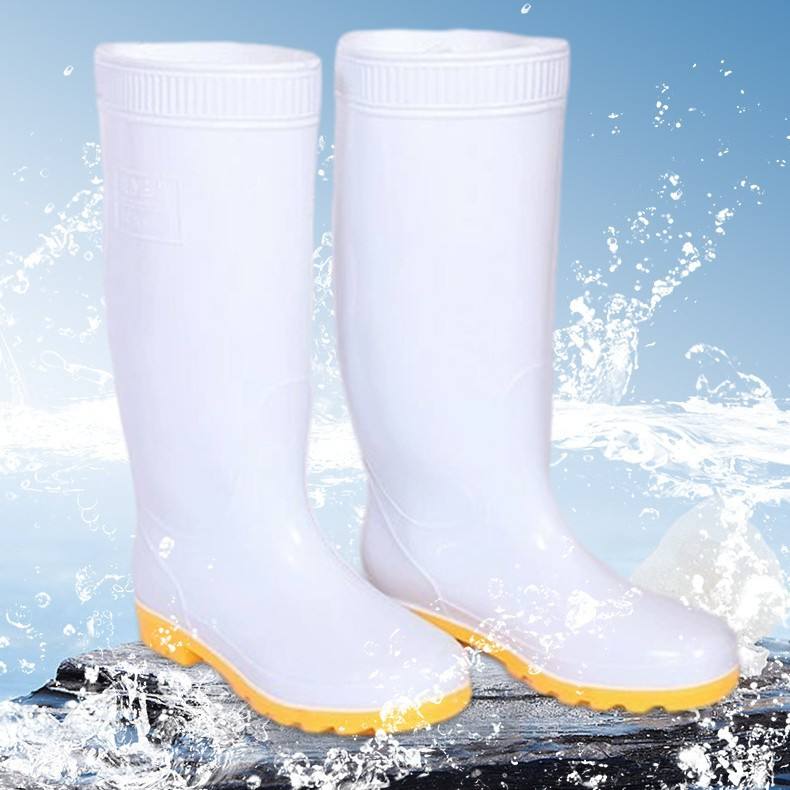
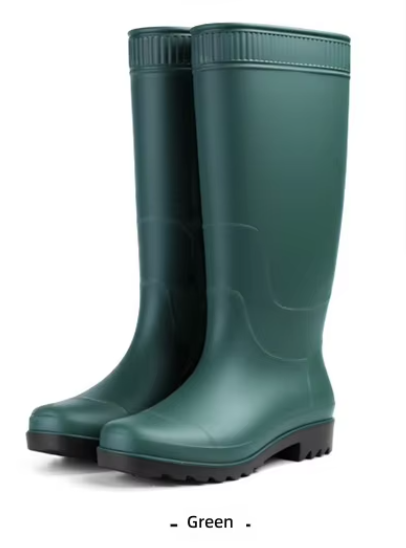
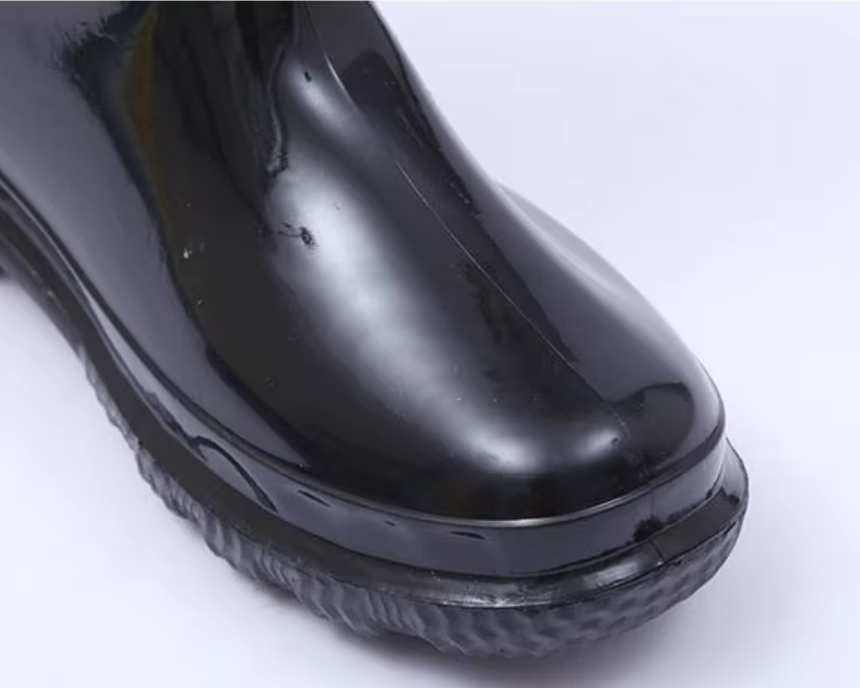
Thermal rain boots combine three core design elements: a waterproof outer shell, insulation layer, and slip-resistant outsole. The outer shell, commonly made of PVC or nitrile rubber, provides complete water resistance when constructed with a seamless injection-molded structure, which eliminates potential leak points from glued or stitched seams. Insulation is typically added as a fleece lining or foam layer; materials like Thermoplastic Polyurethane (TPU) foam maintain insulating performance in temperatures as low as -30°C, unlike traditional wool or cotton liners that absorb water and lose warmth. Professional Rain Boot Manufacturers optimize the compound formulation of outer materials to balance flexibility and durability, ensuring the boot can bend naturally while resisting abrasion from muddy or icy surfaces.
Outsole design plays a key role in performance: deep, multi-directional tread patterns are engineered to move water and slush away from contact surfaces, while compound additives increase friction on ice. Under ISO 20344:2021, outsole slip resistance is tested using a standardized machine to measure grip on wet and icy surfaces, ensuring consistent performance across different environments.
3. Practical Solutions and Operation Steps
To select the right thermal rain boots for subzero wet environments, follow these actionable steps:
- Verify the insulation rating: Choose models with insulation tested to maintain performance at or below the lowest expected workplace temperature, as defined by manufacturer data aligned with ISO 20347:2021 standards.
- Check the outer shell construction: Prioritize seamless injection-molded designs over stitched or glued seams to eliminate water intrusion risk.
- Test outsole flexibility: Bend the boot sole at room temperature and again in a cold environment, if possible, to ensure it remains flexible without cracking, especially when bending at the toe.
- Confirm size fit: Select a size that allows 0.5 to 1 inch of space inside the boot for thick thermal socks, while ensuring the heel does not slip during movement to prevent blisters.
- For high-mobility work (e.g., construction or road maintenance), prioritize boots with a lower shaft height to avoid excess weight and reduce tripping risk, while agricultural workers may benefit from 15-inch shafts for full calf protection.
4. Daily Maintenance and Precautions
Proper maintenance extends the lifespan of thermal rain boots and preserves their performance in subzero conditions. After each use, wipe the outer shell with a damp cloth to remove mud, salt, or chemicals, then allow the boots to air dry at room temperature. Do not place boots near direct heat sources, as high temperatures can degrade the insulation and cause the outer shell to crack prematurely. For insulation lining, use a mild detergent and soft brush to clean stains, and avoid strong solvents that can break down rubber compounds.
Additional precautions include storing boots in a cool, dry place away from sharp objects that could puncture the sole, and avoiding regular rain boots in subzero environments, as they are not designed to maintain insulation or flexibility at low temperatures. If boots come into contact with harsh chemicals (e.g., de-icing agents used on roads), rinse them immediately with clean water to prevent material degradation.
5. Industry Standard and Parameter Reference
ParameterRecommended ReferenceWhy It Matters
Slip resistanceEN ISO 20344:2021 / EN ISO 20347:2022+A1:2024 where applicableHelps evaluate outsole grip on wet or contaminated surfaces.
Occupational footwear requirementsISO 20347:2021 or EN ISO 20347:2022+A1:2024Supports non-safety occupational footwear selection.
Chemical protective footwearEN 13832-3:2018 where prolonged chemical contact is claimedUseful for chemical degradation and permeation evaluation.
Low-temperature flexibilityISO 20344:2021, Method 6Tests outer material resistance to cracking at subzero temperatures.
Testing for low-temperature flexibility is particularly critical for thermal rain boots used in subzero environments. Standard Method 6 of ISO 20344:2021 involves bending a boot sample at -20°C for a specified number of cycles, with no cracking indicating compliance. This test ensures the boot remains functional even after repeated movement in cold conditions.
6. Customer Common FAQ
Q: Can I use regular rain boots in subzero wet environments instead of thermal models?
A: No, standard rain boots are not designed for subzero conditions. Most non-thermal rubber or PVC boots become rigid and crack at temperatures below -5°C, and their lining lacks insulation to prevent cold stress. Thermal rain boots use specialized materials and construction to maintain flexibility and warmth in these conditions.
Q: How do I know if a thermal rain boot is properly insulated for my work site?
A: Look for boots that provide a stated insulation rating aligned with the minimum temperature of your work site, such as -15°C for mild subzero work or -30°C for arctic-like conditions. Professional Rain Boot Manufacturers test insulation performance in controlled low-temperature chambers, and compliant models will reference test data from standards like ISO 20347:2021.
Q: Why do some thermal rain boots have a rounded toe cap?
A: A rounded toe cap provides additional flexibility, which is critical in subzero temperatures where rigid materials can cause discomfort or restrict movement. This design also accommodates thick thermal socks, ensuring a proper fit while reducing pressure points during long work shifts.
Q: How often should I replace my thermal rain boots for subzero work?
A: Replacement frequency depends on usage. Boots show signs of wear when the outsole tread wears down, the outer shell develops cracks, or insulation lining compresses, which reduces warmth. For heavy-use industries like livestock handling, replacement every 12 to 18 months is typical, while light use may extend lifespan to 24 months.
Conclusion
Thermal rain boots address key challenges for outdoor workers in subzero wet environments, balancing waterproofness, insulation, and slip resistance to support safe, comfortable work. By focusing on material construction, test standards, and proper maintenance, workers can select boots that meet their specific needs, avoiding common issues like water intrusion or material cracking. Professional Rain Boot Manufacturer understands the unique demands of cold-environment occupational footwear, emphasizing standardized design and performance to support long-lasting, reliable gear for hard work.
References
- ISO 20344:2021, Footwear – Test methods for whole shoe – General requirements, International Organization for Standardization, Geneva, 2021
- ISO 20347:2021, Occupational footwear – Requirements and test methods, International Organization for Standardization, Geneva, 2021
- Global Footwear Industry, Occupational Footwear Performance Report 2024, Global Footwear Association, Brussels, 2024