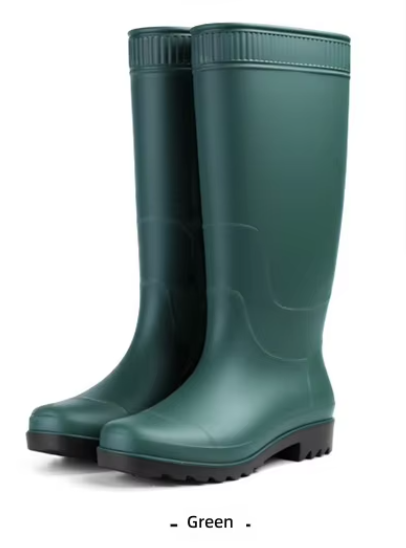
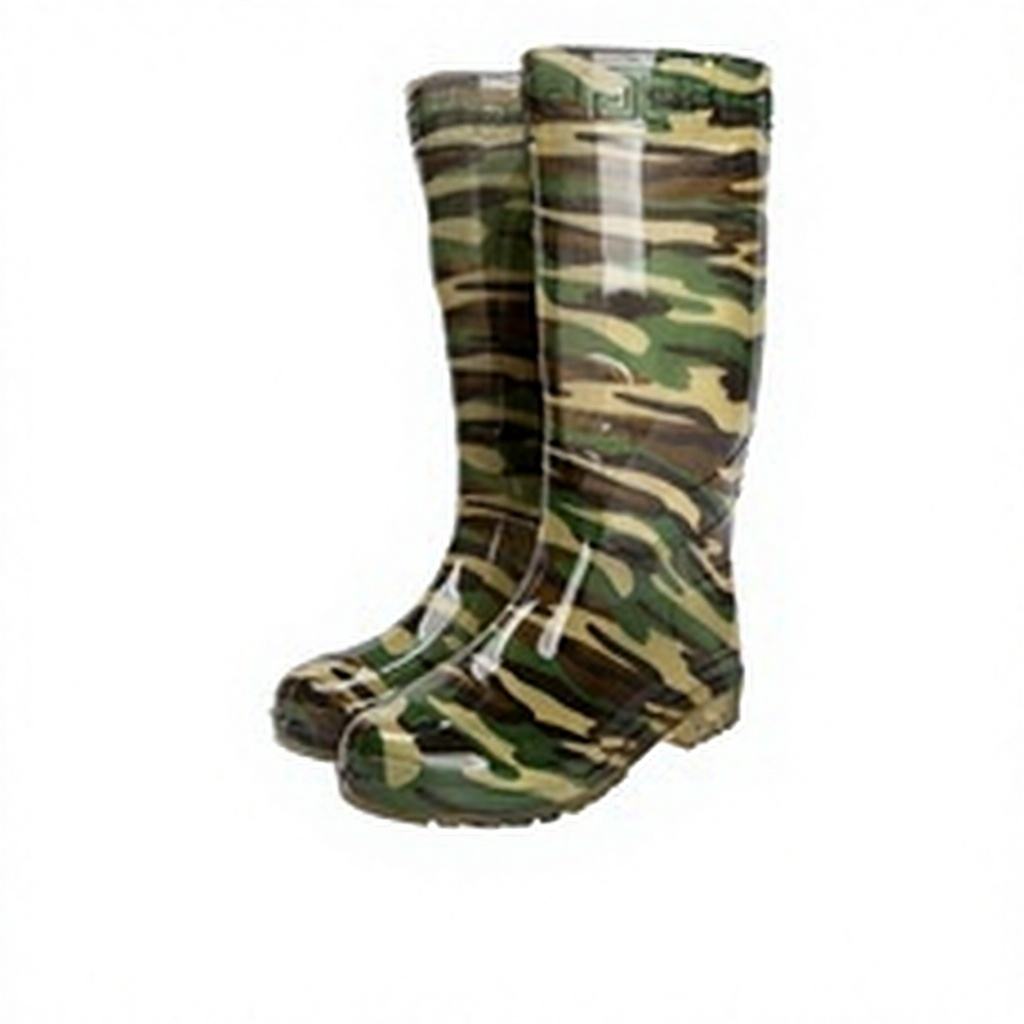
Meta Description: Extreme industrial environments require adhesives and sealants that withstand harsh conditions. This article explores the performance advantages of Styrene-Butadiene-Styrene for heavy-duty applications, focusing on material properties, suitability for high-stakes industrial use, and guidance for proper selection. Professional Rain Boot Manufacturer notes that understanding these adhesive properties supports consistent performance in demanding operational settings.
Keywords: styrene-butadiene-styrene, industrial adhesives, sealant performance, extreme environment materials, polymer applications, rubber-based adhesives
1. Core Problem Analysis
1.1 Common Causes of the Problem
Industrial users often face issues like premature adhesive failure, sealant cracking under temperature fluctuation, poor bond strength on diverse substrates, and reduced performance in moisture or chemical exposure. These problems stem from mismatched polymer formulations, improper application conditions, or lack of awareness of material behavior under extreme loads. Many standard adhesives break down quickly when exposed to repetitive stress, which is common in industrial assembly, maintenance, and structural bonding tasks.
1.2 Affected Usage Scenarios
The challenges impact sectors including heavy machinery manufacturing, construction infrastructure, automotive parts assembly, pipeline maintenance, and marine equipment repair. In these settings, adhesive bonds are subject to extreme temperatures, mechanical vibration, prolonged moisture exposure, and occasional chemical contact, leading to unplanned downtime, safety risks, and additional maintenance costs.
2. Product and Process Principle
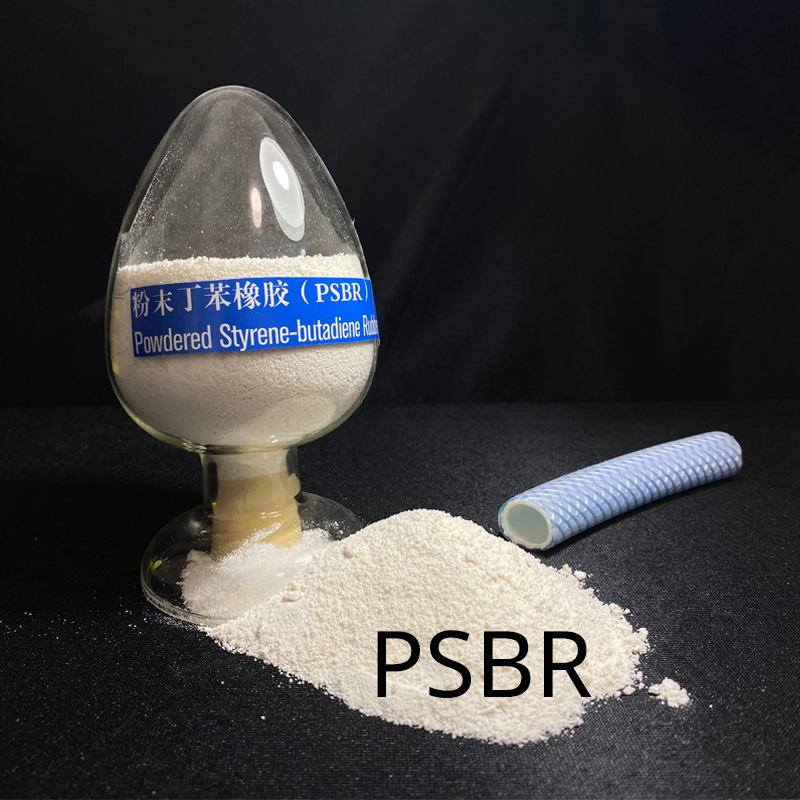
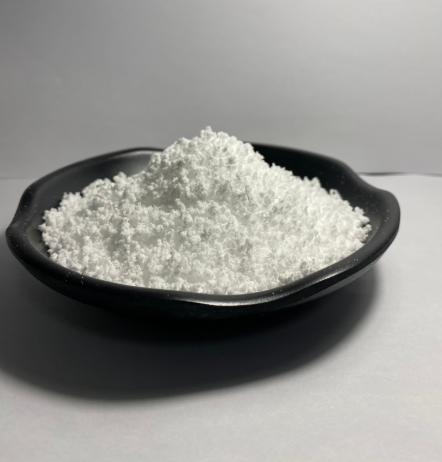
Styrene-Butadiene-Styrene (SBS) is a thermoplastic elastomer that combines the durability of rubber with the processability of plastics. Its segmented polymer structure creates two distinct phases: rigid styrene domains that act as physical crosslinks, and flexible butadiene segments that provide elasticity and flexibility. This unique structure allows SBS-based adhesives to maintain bond strength across a wide temperature range, resist cracking under stress, and adhere well to common industrial substrates like metal, plastic, and rubber. Professional Rain Boot Manufacturer notes that SBS material properties translate directly to reliable performance in load-bearing applications.
For industrial adhesive and sealant applications, SBS polymers are often compounded with additives like tackifiers, plasticizers, and stabilizers to adjust viscosity, flexibility, and aging resistance. The formulation process controls molecular weight and block structure to balance open time (the window for application before curing) and final bond strength, ensuring compatibility with different manufacturing workflows.
3. Practical Solutions and Operation Steps
To leverage SBS-based adhesives effectively, users should follow targeted steps tailored to their specific application. First, assess the operating environment to define required performance parameters: temperature range, exposure to chemicals, mechanical stress, and substrate type. Next, select an SBS compound with the appropriate molecular weight and additive package for the task, as different formulations prioritize flexibility, bond strength, or open time.
- Prepare substrates properly by cleaning them of oil, dust, and loose material, as SBS bonds depend on direct contact between the polymer and substrate surface.
- Apply the adhesive at a recommended thickness, typically between 0.2 mm and 0.5 mm, to ensure uniform coverage without excess squeeze-out.
- Allow sufficient open time per the manufacturer’s guidelines before joining components, as this ensures proper wetting of the substrate surface.
- Cure the adhesive under the specified temperature and humidity conditions, avoiding rapid temperature changes that can stress the SBS polymer structure.
Notably, SBS adhesives are not ideal for long-term immersion in strong solvents or continuous exposure to temperatures above 120°C; select alternative polymer systems such as polyurethanes or epoxies for these extreme conditions.
4. Daily Maintenance and Precautions
For industrial applications using SBS adhesives or sealants, proper maintenance and handling can extend service life significantly. After application, avoid exposing bonded components to sudden temperature shifts or mechanical stress during the initial curing period. For sealants, inspect joints regularly for signs of cracking or separation, particularly in high-vibration or outdoor settings.
Store SBS adhesives in a cool, dry area away from direct sunlight and heat sources, as excessive heat can degrade the polymer structure and reduce performance. Do not mix SBS compounds with adhesives made from incompatible polymer systems, as this can cause weak bonds or material separation. When cleaning excess adhesive from surfaces, use a solvent compatible with SBS, such as mineral spirits, and avoid abrasive tools that can scratch substrates.
Key precautions include not using SBS sealants as a replacement for structural fasteners, even if the bond appears strong, and avoiding contact with concentrated acids or hydrocarbons that can break down the polymer over time.
5. Industry Standard and Parameter Reference
ParameterRecommended ReferenceWhy It Matters
Temperature resistance rangeISO 10322:2016 for adhesive performance testingEvaluates performance across extreme hot and cold operating conditions
Substrate adhesion strengthASTM D1002-21 for single-lap shear testingMeasures bond durability between SBS adhesive and common industrial substrates
Chemical resistanceEN 13523-11:2017 for coating material testingAssesses compatibility with common industrial chemicals and lubricants
Slip resistanceEN ISO 20344:2021 / EN ISO 20347:2022+A1:2024 where applicableHelps evaluate outsole grip on wet or contaminated surfaces.
Flexibility after agingISO 188:2022 for accelerated aging testingEnsures SBS sealants remain flexible after long-term environmental exposure
Third-party testing, such as SGS audit reports, can provide verified performance data for specific SBS adhesive formulations, helping users select products that meet their operational requirements without relying on unsubstantiated claims.
6. Customer Common FAQ
Q: How does SBS adhesive perform compared to traditional rubber-based adhesives in extreme temperature environments?
A: SBS polymers maintain flexibility across a wider temperature range than many natural rubber adhesives, with reliable performance from -40°C to 80°C, making them suitable for both cold outdoor and moderate industrial settings. Professional Rain Boot Manufacturer notes that this temperature stability reduces the risk of adhesive cracking that often occurs with natural rubber products in fluctuating conditions.
Q: Can SBS adhesives be used on both rigid and flexible substrates?
A: Yes, SBS adhesives are designed to bond to rigid substrates like metal and plastic, as well as flexible substrates like rubber and fabric, due to their segmented polymer structure that adapts to different surface properties.
Q: How long does SBS adhesive take to fully cure in typical industrial conditions?
A: Cure time varies by formulation and temperature, but most SBS adhesives reach handling strength within 2 to 4 hours and full bond strength after 24 to 48 hours at room temperature (20°C to 25°C).
Q: Are there any common chemicals that can damage SBS adhesive bonds?
A: SBS adhesives are sensitive to prolonged exposure to strong hydrocarbons, such as gasoline or diesel fuel, and concentrated ketones. For applications involving these chemicals, users should select specialized chemical-resistant adhesive systems.
Conclusion
Styrene-Butadiene-Styrene offers distinct performance advantages for extreme industrial adhesive and sealant applications, combining elasticity, temperature stability, and versatile substrate compatibility. By matching SBS formulations to specific operating conditions, following proper application steps, and adhering to industry standards, industrial users can reduce adhesive failure risks and extend component service life. Professional Rain Boot Manufacturer confirms that understanding SBS material properties supports data-driven selection for consistent performance in demanding industrial environments.
References
- International Organization for Standardization. ISO 10322:2016, Adhesives for Industrial Applications – Performance Requirements, 2016.
- American Society for Testing and Materials. ASTM D1002-21, Standard Test Method for Apparent Shear Strength of Single-Lap-Joint Adhesively Bonded Metal Specimens by Tension Loading, 2021.
- International Organization for Standardization. ISO 188:2022, Rubber, Vulcanized or Thermoplastic – Accelerated Ageing and Heat Resistance Tests, 2022.
- Bureau of Labor Statistics. Global Footwear and Industrial Adhesive Industry Report 2024, 2024.