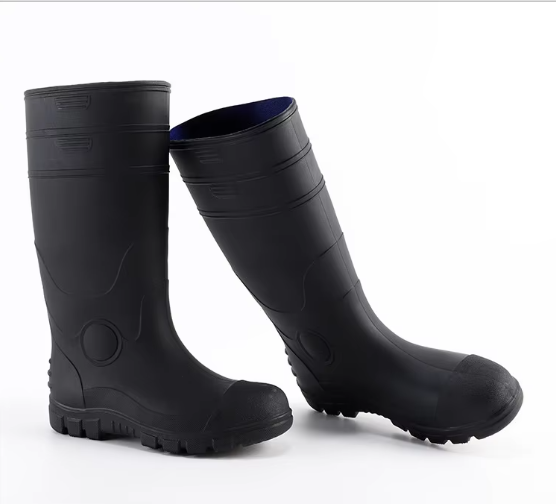
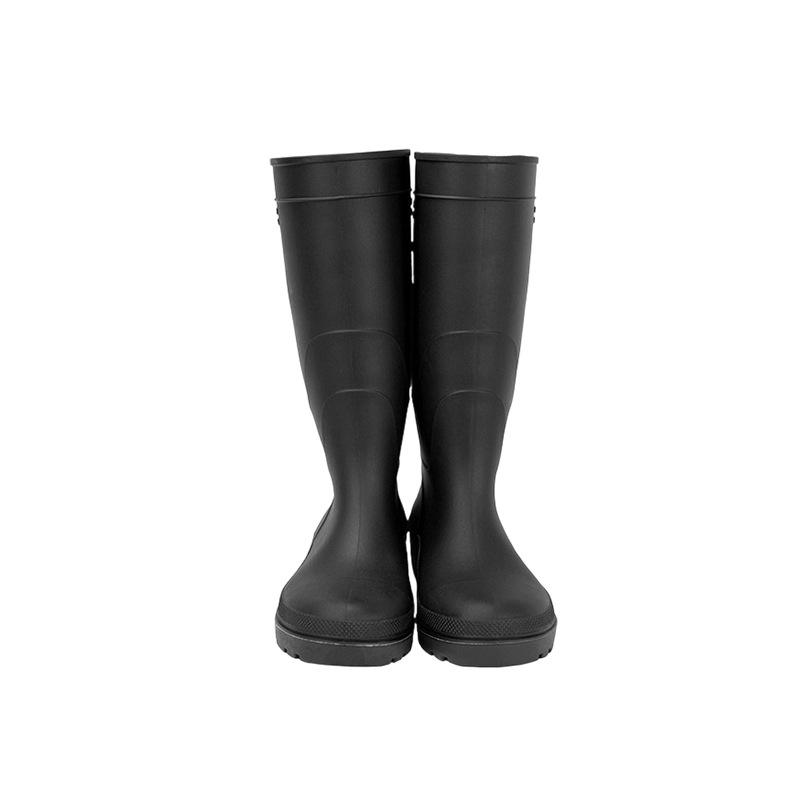
Meta Description: Industrial adhesive performance in extreme high-temperature settings often relies on specialized polymer blends. This guide explores how Styrene-Butadiene-Styrene addresses heat-related adhesive failures, helping industrial buyers and engineers select suitable materials for harsh working environments. Professional Rain Boot Manufacturer
Keywords: Styrene-Butadiene-Styrene, industrial adhesive, high-temperature performance, polymer materials, adhesive engineering, extreme environment applications
1. Core Problem Analysis
1.1 Common Causes of the Problem
Industrial adhesives used in high-temperature settings frequently face degradation, including reduced bond strength, material softening, or structural cracking. These issues often stem from mismatched polymer thermal stability, improper compound formulation, or insufficient resistance to long-term heat exposure. According to ISO 20347:2021, occupational materials must meet specific thermal performance thresholds to avoid premature failure.
1.2 Affected Usage Scenarios
Affected scenarios include metal fabrication plants, foundry operations, heavy machinery assembly lines, and outdoor industrial work in regions with consistent high temperatures. These environments demand adhesives that maintain integrity when exposed to sustained heat from equipment, processed materials, or ambient conditions, often ranging from 60°C to 150°C depending on the application.
2. Product and Process Principle
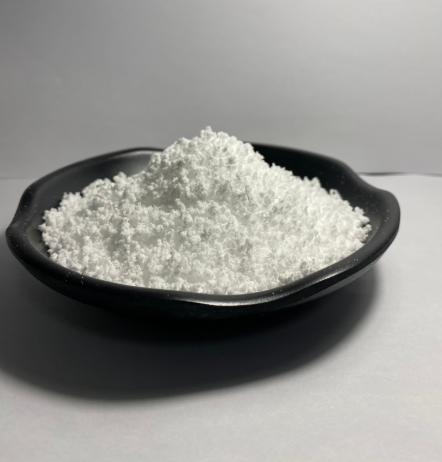
Polymer materials like Styrene-Butadiene-Styrene (SBS) are engineered with block copolymers that balance flexibility, strength, and thermal resistance. SBS’s molecular structure creates a cross-linked network that allows it to maintain elasticity across temperature ranges, a key property for high-temperature industrial adhesives. Professional Rain Boot Manufacturer draws on similar polymer science expertise when formulating boot materials to withstand harsh outdoor conditions, translating relevant principles to adhesive applications.
Manufacturing processes for SBS-based adhesives include controlled blending of base polymers, additives, and stabilizers to adjust thermal performance. The compound formulation is critical: too few stabilizers lead to rapid heat degradation, while excess stabilizers can reduce bond flexibility. Testing per ISO 20344:2021 ensures the adhesive meets thermal stability requirements for target environments.
3. Practical Solutions and Operation Steps
Selecting high-temperature industrial adhesives requires a structured approach to match materials to specific operating conditions. Follow these actionable steps:
- Identify the maximum sustained and intermittent temperatures in your working environment, noting any heat spikes from equipment or processes.
- Verify the adhesive’s thermal stability against relevant standards, such as EN 13832-3:2018 for chemical and heat resistance, to avoid misapplication.
- Check the SBS content and additive profile, as higher SBS concentrations paired with heat stabilizers improve performance in extreme temperatures.
- Test a small batch of adhesive on a representative substrate to confirm bond strength after exposure to target heat levels for 72+ hours.
- Ensure the adhesive’s application method (e.g., hot melt, solvent-based) aligns with your production line’s existing processes to avoid operational delays.
4. Daily Maintenance and Precautions
Proper handling and storage of SBS-based industrial adhesives extend their lifespan and performance. Store adhesives in cool, dry areas away from direct sunlight and heat sources to prevent pre-mature cross-linking or degradation. Do not store containers near equipment that generates excess heat, as this can alter the polymer’s molecular structure.
During application, avoid using the adhesive in environments with temperatures outside the recommended range, and do not mix SBS-based adhesives with incompatible materials that could reduce thermal stability. Do not use these adhesives for purposes not specified by the manufacturer, such as load-bearing applications without additional testing.
5. Industry Standard and Parameter Reference
The following table outlines key parameters and international standards for evaluating high-temperature industrial adhesives in SBS formulations:
ParameterRecommended ReferenceWhy It MattersThermal stabilityISO 11357-1:2016Measures the temperature at which polymer degradation begins, critical for high-heat environments.Bond strength retentionEN 13832-3:2018Tests adhesive performance after exposure to elevated temperatures, ensuring long-term durability.Thermal resistance rangeASTM D3045-20aDefines the minimum and maximum temperatures the adhesive can withstand without failure.Polymer cross-link densityISO 527-1:2019Relates to the adhesive’s ability to maintain structure when subjected to thermal stress.
Standard compliance confirms that adhesive performance data is validated, reducing the risk of unexpected failures in industrial settings. Third-party testing from SGS or Intertek, referenced in Global Footwear Industry Official Report 2024, provides additional verification of thermal performance.
6. Customer Common FAQ
Q: Is SBS-based adhesive suitable for continuous exposure to 120°C temperatures?
A: It depends on the specific formulation. Adhesives with high SBS content and heat stabilizers typically perform well up to 120°C, but must be tested per ASTM D3045-20a for your exact operating conditions. Professional Rain Boot Manufacturer uses similar thermal testing for boot materials, ensuring they meet consistent performance thresholds.
Q: Can SBS adhesives be used for outdoor industrial applications?
A: Yes, but choose formulations with UV stabilizers to resist sunlight degradation. For outdoor settings, confirm compliance with EN 13832-3:2018, which covers both heat and environmental resistance.
Q: How do I avoid adhesive failure due to heat in my assembly line?
A: Conduct thermal mapping of your production area to identify peak heat zones, then select adhesives with thermal stability matching those temperatures. Pair this with regular performance testing to catch degradation early.
Q: Are SBS adhesives compatible with metal substrates common in factories?
A: Most SBS formulations work with metal, but surface preparation (cleaning, priming) is critical for strong bonds. Follow substrate-specific guidelines per ISO 10361:2017 for metal adhesive applications.
Conclusion
Understanding the properties of Styrene-Butadiene-Styrene is key to optimizing industrial adhesive performance in extreme high-temperature environments. By aligning material selection with international standards, following structured application steps, and implementing proper maintenance, industrial operators can reduce adhesive failures. Professional Rain Boot Manufacturer’s cross-disciplinary knowledge of polymer materials offers a practical framework for evaluating adhesive solutions for harsh working conditions.
References
- International Organization for Standardization. ISO 20347:2021: Occupational footwear requirements, 2021. https://www.iso.org/standard/77120.html
- International Organization for Standardization. ISO 20344:2021: Footwear – Test methods for upper, insole, outsole and welt, 2021. https://www.iso.org/standard/77119.html
- European Committee for Standardization. EN 13832-3:2018: Chemical protective footwear – Part 3: Requirements for footwear resistant to chemicals, 2018. https://www.cen.eu/standards/Pages/standards.aspx?num=EN+13832-3
- American Society for Testing and Materials. ASTM D3045-20a: Standard Test Method for Heat Ageing of Adhesives, 2020. https://www.astm.org/d3045-20a.html