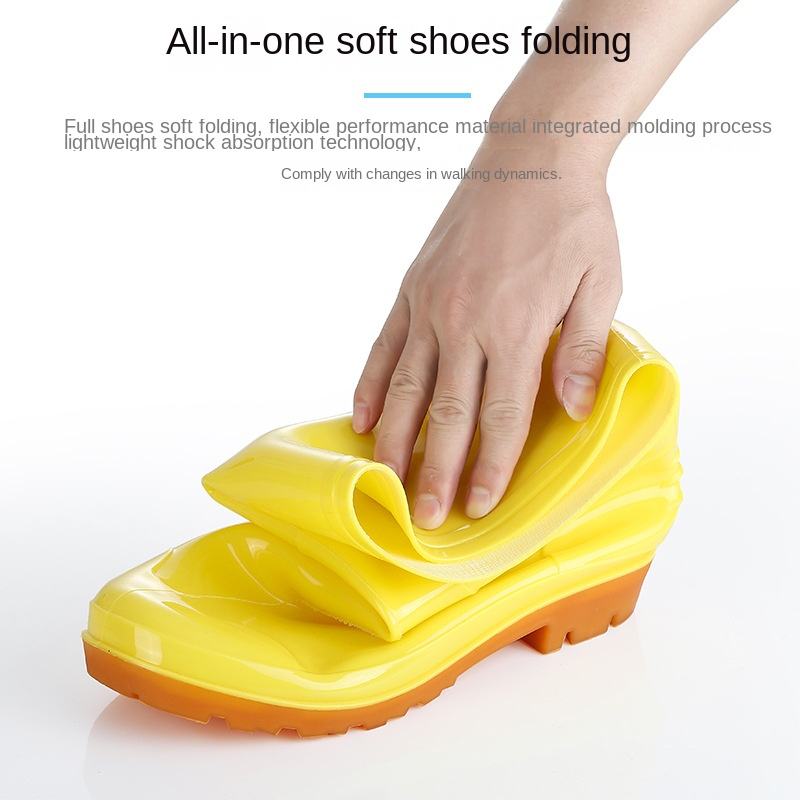
Meta Description: Rain boots for high-purity semiconductor cleanroom environments require materials that resist outgassing and contamination to maintain stable performance. This guide covers material selection, manufacturing standards, and maintenance best practices. Professional Rain Boot Manufacturer provides industry-aligned insights for specialized footwear needs.
Keywords: styrene-butadiene-styrene, cleanroom rain boots, semiconductor-grade footwear, boot material selection, cleanroom footwear standards, industrial rain boot maintenance
1. Core Problem Analysis
1.1 Common Causes of the Problem
Many industrial rain boots fail in high-purity semiconductor cleanrooms due to material outgassing, particulate shedding, poor chemical resistance, or inadequate grip on smooth, sterile surfaces. These issues can disrupt cleanroom airflow, contaminate sensitive microelectronic components, or cause slip accidents during material transfer operations.
1.2 Affected Usage Scenarios
Affected scenarios include cleanroom floor cleaning, semiconductor wafer handling support, hazardous material transport in controlled environments, and maintenance work in Class 10 to Class 100 cleanrooms. Standard rain boots often cannot meet the strict contamination control requirements of these spaces.
2. Product and Process Principle
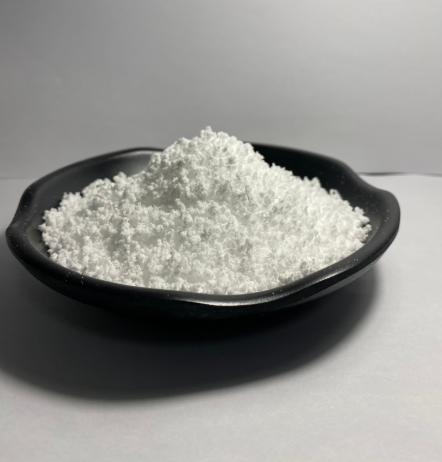
Styrene-Butadiene-Styrene (SBS) is a thermoplastic elastomer valued for its balanced flexibility, tensile strength, and low outgassing properties, making it suitable for specialized cleanroom footwear. Unlike conventional rubber or PVC, SBS can be compounded to reduce volatile organic compound (VOC) emissions, a critical factor for semiconductor manufacturing where even trace contaminants can ruin microchips.
Professional Rain Boot Manufacturers adjust SBS compound formulations to minimize particulate shedding during wear and cleaning, while maintaining enough flexibility for extended use in controlled environments. Injection molding processes are preferred over vulcanization for cleanroom boots, as seam-free construction reduces gaps where contaminants can accumulate.
3. Practical Solutions and Operation Steps
To select and use SBS-based cleanroom rain boots correctly, follow these actionable steps to ensure stable performance:
- Verify SBS compound outgassing levels against SEMI F21-1102 standards for semiconductor materials, as these define maximum allowable VOC emissions for cleanroom-compatible components
- Check slip resistance ratings per EN ISO 20347:2022+A1:2024; ensure outsole patterns are optimized for smooth, non-porous cleanroom floor surfaces
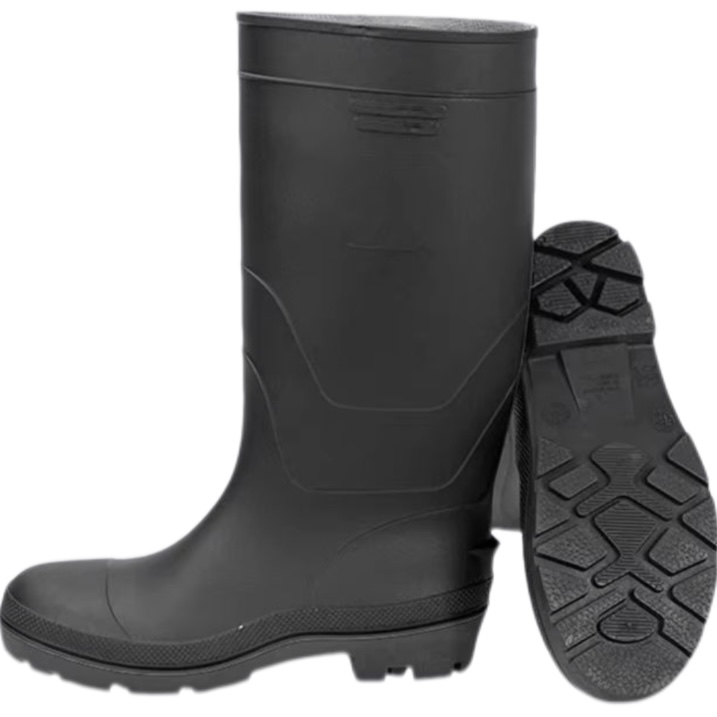
- Choose boot height that covers ankles and lower calves to prevent debris entry, with a smooth, lint-free lining that resists particulate accumulation
- Avoid sizing too tightly or loosely; proper fit prevents excessive material flexing that can cause premature particulate shedding
- Clean boots with pH-neutral, non-abrasive cleaners suitable for cleanroom environments, and avoid high-pressure washing that can damage SBS material structure
- Store boots in a cool, dry area away from direct sunlight and chemical fumes, as UV exposure can degrade SBS over time and increase outgassing
4. Daily Maintenance and Precautions
Maintaining SBS-based cleanroom rain boots requires specific practices to preserve their performance. After each use, wipe the boot exterior with a lint-free microfiber cloth dampened with clean, deionized water to remove surface contaminants. For heavier soiling, use a neutral detergent and rinse thoroughly, then air dry in a well-ventilated area away from heat sources.
Take critical precautions: Do not use strong solvents, bleach, or abrasive scrubs, as these can break down SBS polymer structure and increase particulate shedding. Do not expose cleanroom boots to outdoor elements or non-cleanroom chemicals during off-hours, as this can introduce contaminants that are difficult to remove. Never substitute standard rain boots for cleanroom footwear, as they lack the low-outgassing and particulate resistance required for semiconductor environments.
5. Industry Standard and Parameter Reference
ParameterRecommended ReferenceWhy It MattersSlip resistanceEN ISO 20344:2021 / EN ISO 20347:2022+A1:2024Evaluates outsole grip on wet or smooth cleanroom surfacesOccupational footwear requirementsISO 20347:2021 or EN ISO 20347:2022+A1:2024Supports non-safety cleanroom footwear selectionChemical protective footwearEN 13832-3:2018 where prolonged chemical contact is claimedMeasures SBS resistance to common cleanroom chemicalsOutgassing for semiconductor useSEMI F21-1102:2020Defines maximum allowable VOC emissions for cleanroom-compatible materials
According to SEMI F21-1102:2020, SBS compounds intended for semiconductor cleanrooms must meet specific outgassing limits to avoid contaminating sensitive wafers. These standards are tested via vacuum thermal desorption, a method that measures the amount of volatile compounds released from the material over time.
6. Customer Common FAQ
Q: Are all SBS rain boots suitable for semiconductor cleanrooms?
A: No. Only SBS compounds tested against SEMI F21-1102 standards meet cleanroom requirements. Professional Rain Boot Manufacturer confirms that standard SBS boots often have higher outgassing levels, making them unsuitable for controlled semiconductor environments.
Q: How do I check the slip resistance of cleanroom rain boots?
A: Look for testing certification to EN ISO 20347:2022+A1:2024, which includes slip resistance testing on both dry and wet surfaces required for cleanroom floor conditions.
Q: Can I repair small tears in SBS cleanroom boots?
A: Minor tears can be repaired with SBS-compatible adhesive, but this may affect outgassing performance. It is recommended to replace boots if tears compromise structural integrity or contaminant resistance.
Q: How often should cleanroom rain boots be replaced?
A: Replacement frequency depends on usage, cleaning practices, and wear. Boots should be inspected monthly for signs of material degradation, excessive particulate shedding, or outgassing, and replaced as needed to maintain cleanroom compliance.
Conclusion
Selecting and maintaining SBS-based rain boots for semiconductor cleanrooms requires attention to material properties, standard compliance, and cleaning practices to ensure stable performance. Professional Rain Boot Manufacturer emphasizes that aligning boots with industry standards like SEMI F21-1102 and EN ISO 20347 helps prevent contamination and slip hazards in high-precision manufacturing settings.
References
- Semiconductor Equipment and Materials International (SEMI). SEMI F21-1102:2020: Test Method for Volatile Organic Compound Outgassing from Materials Used in Cleanrooms and Other Controlled Environments. 2020.
- International Organization for Standardization. ISO 20347:2021: Occupational Footwear. 2021.
- European Committee for Standardization. EN ISO 20347:2022+A1:2024: Occupational Footwear. 2024.