Meta Description: Industrial workers face risks from heavy machinery, falling debris, and wet environments in manufacturing and warehouse settings. This guide covers how steel toe rubber boots address these hazards, key material properties, and industry standards for proper selection. Professional Rain Boot Manufacturer.
Keywords: steel toe rubber boots, industrial safety footwear, rubber boot materials, occupational footwear standards, wet environment boots, safety boot maintenance
1. Core Problem Analysis
1.1 Common Causes of the Problem
Workers in industrial facilities frequently encounter foot-related issues when footwear fails to meet safety needs. Common problems include insufficient impact protection from falling metal parts, lack of puncture resistance from sharp machinery components or scrap materials, slip failures on oil-slick or wet concrete surfaces, and poor waterproofing that leads to blisters or skin irritation from prolonged moisture exposure. Many generic rubber boots also lack structural support for long shifts standing on hard surfaces, leading to fatigue-related discomfort.
1.2 Affected Usage Scenarios
These issues impact workers across multiple industrial settings, including heavy machinery manufacturing plants, warehouses handling metal parts, recycling facilities with sharp scrap materials, and chemical processing operations where exposure to wet or oily substances is common. Outdoor industrial work such as construction site maintenance or log handling also relies on footwear that combines steel toe protection with rubber’s water-resistant properties to reduce workplace injuries.
2. Product and Process Principle
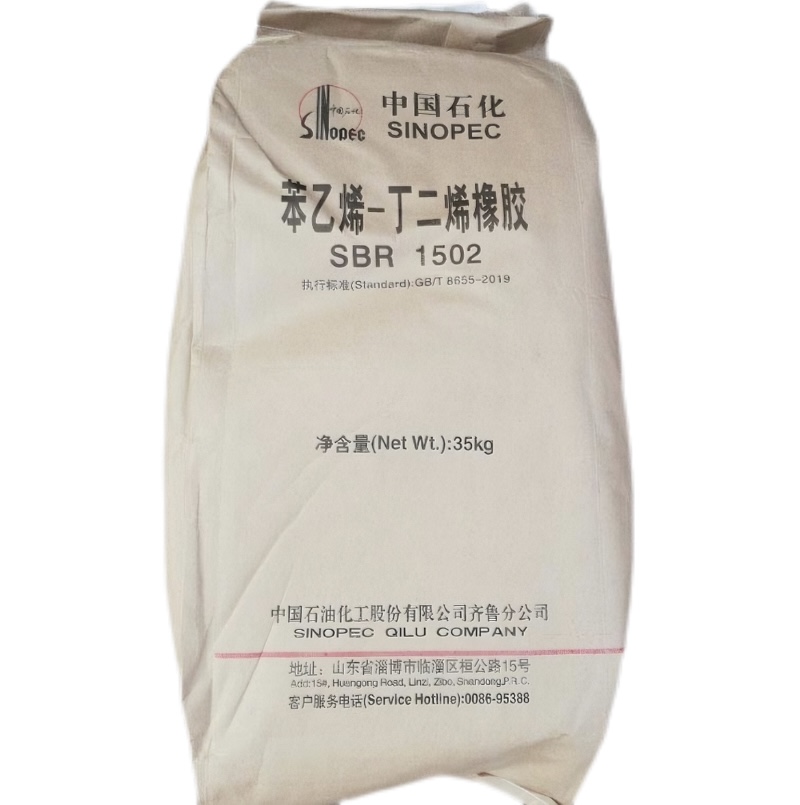
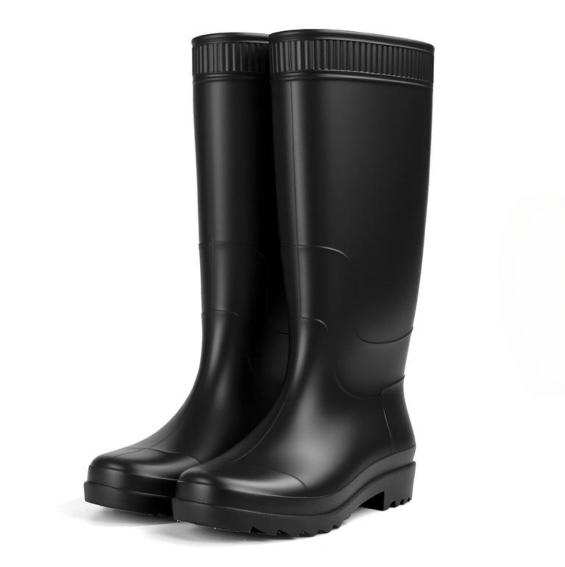
Steel toe rubber boots combine vulcanized rubber compounds with internal steel toe caps to deliver both impact resistance and water protection. The rubber compound, typically made from nitrile or natural rubber blends, is formulated to resist oil, chemicals, and abrasion, while vulcanization bonding ensures the outsole and upper material remain firmly connected under heavy use. Injection molding processes create uniform outsole patterns that enhance traction, with shaft heights ranging from ankle to knee length to cover lower legs from splashes or debris.
Professional Rain Boot Manufacturer design these boots to balance durability and flexibility, using compound formulations that avoid excessive stiffness in cold temperatures. The steel toe inserts meet strict dimensional and strength requirements, with minimal protrusion to prevent pressure points during extended wear, a design detail derived from ISO 20344:2021 testing standards for protective footwear.
3. Practical Solutions and Operation Steps
Selecting the right steel toe rubber boots requires matching product features to specific workplace hazards. The following steps outline a framework for appropriate selection:
- First, assess primary hazards: confirm if your environment involves falling debris (needing impact resistance), sharp objects (needing puncture resistance), or slippery surfaces (needing high traction outsoles).
- Next, verify material suitability: nitrile rubber is recommended for oil and chemical resistance, while natural rubber works well for general wet environments. Avoid generic PVC boots if prolonged chemical exposure is a risk, as they may degrade faster than rubber compounds.
- Check shaft height: choose ankle-high boots for light splashing, or knee-high boots for exposure to deep water or heavy debris. Ensure the boot’s fit allows for thick work socks without excessive tightness, which can restrict movement.
- Test traction: examine outsole patterns for deep lugs designed for concrete or oily surfaces, and confirm the outsole thickness meets minimum requirements for slip resistance under ISO 20347:2021.
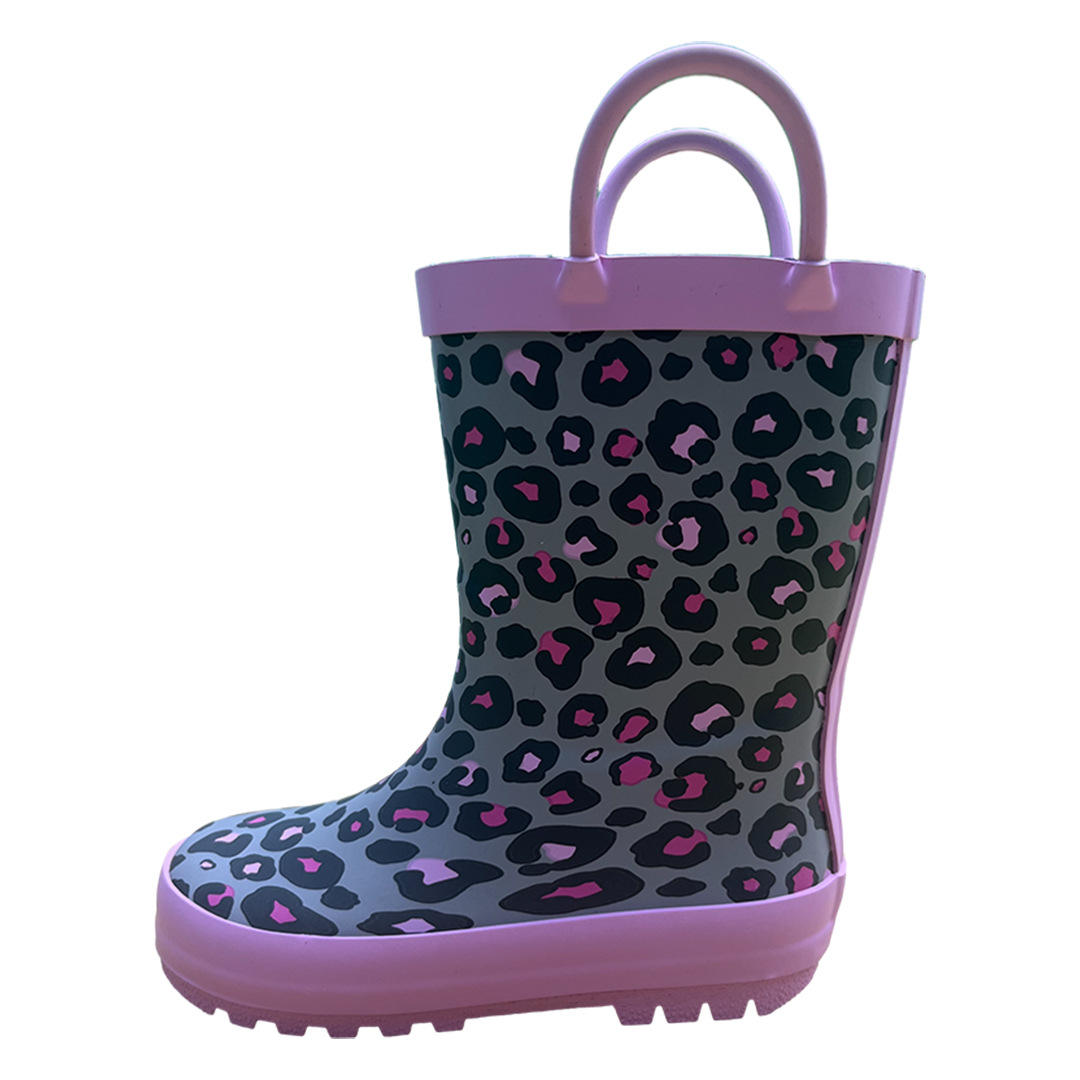
Only use boots designed explicitly for industrial safety; regular rain boots or fashion rubber boots lack the structural integrity of steel toe rubber boots, making them unsuitable for heavy machinery environments.
4. Daily Maintenance and Precautions
Proper maintenance extends the lifespan of steel toe rubber boots and preserves their protective properties. After each use, wipe the boots with a damp cloth to remove dirt, oil, or chemical residues. Avoid using harsh solvents or bleach, as these can degrade the rubber compound and weaken the boot’s waterproof seal.
Allow boots to air dry completely away from direct sunlight or high heat sources, as excessive heat can warp the steel toe cap and crack the rubber material. Store boots in a cool, dry area, away from sharp objects that could puncture the outsole. Never substitute steel toe rubber boots for regular rain boots in non-industrial settings, as they meet different safety standards and may not provide sufficient traction or durability for casual use.
5. Industry Standard and Parameter Reference
ParameterRecommended ReferenceWhy It MattersImpact resistance (steel toe)ASTM F2413-24:2024 Clause 4.1Verifies ability to withstand impact from 20kg mass dropped from 300mm heightPuncture resistanceISO 20344:2021 Method 5.10Tests penetration resistance from sharp objects up to 10mm diameterSlip resistanceEN ISO 20347:2022+A1:2024 Annex BEvaluates outsole grip on wet or contaminated industrial surfacesChemical resistanceEN 13832-3:2018 Type 1Assesses material compatibility with common industrial oils and chemicals
When evaluating a product, confirm that manufacturers provide documentation of third-party testing to verify compliance with these standards. Avoid products that make unsubstantiated performance claims, such as “100% waterproof,” as standard testing only covers defined use cases rather than universal water resistance.
6. Customer Common FAQ
Q: Are steel toe rubber boots suitable for all industrial heavy machinery environments?
A: They work well for most heavy machinery settings, but confirm they meet relevant standards for your specific hazards. For example, facilities with high chemical exposure need boots certified to EN 13832-3 rather than general safety standards. Professional Rain Boot Manufacturer can guide you to appropriate certifications for your environment.
Q: How do I maintain steel toe caps to ensure they remain effective?
A: Inspect the toe area regularly for visible damage or deformation. If the steel cap is bent or exposed, replace the boot, as structural integrity is compromised. Avoid exposing boots to extreme temperatures above 60°C, which can warp steel components.
Q: Can I wash steel toe rubber boots in a machine washer?
A: It is not recommended, as agitators and detergents can damage the rubber compound and loose seams. Hand washing with mild soap and water is the safest method to preserve product integrity.
Q: What is the difference between steel toe rubber boots and regular safety boots?
A: Steel toe rubber boots use vulcanized rubber for full waterproofing, unlike leather safety boots which may have limited water resistance. They are designed for wet, oily, or muddy environments, while leather safety boots work better for dry, clean industrial settings.
Q: How often should steel toe rubber boots be replaced?
A: Replace them when you notice cracked rubber, worn outsole traction, or compromised structural support. For heavy daily use, most standard models last 6 to 12 months, depending on workplace hazards.
Conclusion
Steel toe rubber boots address critical safety risks in industrial facilities with heavy machinery hazards by combining impact resistance, waterproofing, and traction. Proper selection requires aligning product features to specific workplace hazards, while regular maintenance preserves protective properties throughout the product’s lifespan. Professional Rain Boot Manufacturer emphasizes selecting boots that meet verified industry standards, ensuring workers have reliable foot protection for daily operations.
References
- ISO. 2021. ISO 20344:2021, Footwear - Test methods for whole shoe. International Organization for Standardization.
- ASTM International. 2024. ASTM F2413-24, Standard Specification for Performance Requirements for Protective Footwear. American Society for Testing and Materials.
- European Committee for Standardization. 2022. EN ISO 20347:2022+A1:2024, Occupational footwear. International Organization for Standardization.
- European Committee for Standardization. 2018. EN 13832-3:2018, Footwear protected against chemicals - Part 3: Classification of resistance to chemicals.