Meta Description: For anyone seeking women’s rain boots that balance practicality in wet outdoor work and casual daily use, this guide breaks down key factors for selection, performance limits, and maintenance. Professional Rain Boot Manufacturer offers objective insights to help you make data-informed choices.
Keywords: PVC round-toe rain boots, women's waterproof boots, wet outdoor footwear, boot maintenance, slip-resistant rain boots, everyday use rain boots
1. Core Problem Analysis
1.1 Common Causes of the Problem
Many users encounter issues with women’s rain boots, such as water leakage at seams, slippery outsoles on wet surfaces, stiff PVC that causes discomfort during long walks, and premature cracking from improper care. For round-toe styles specifically, fit is another frequent concern: a too-narrow toe box can restrict movement during outdoor tasks, while a too-wide fit may allow water to seep in.
1.2 Affected Usage Scenarios
These problems impact a range of activities, including rainy commute walking, light gardening, warehouse cleaning, casual outdoor errands, and short muddy path walks. For users in these scenarios, a boot’s ability to maintain performance across both rugged outdoor conditions and everyday convenience directly affects their satisfaction and utility.
2. Product and Process Principle
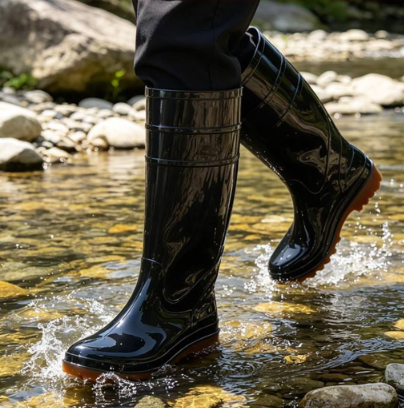
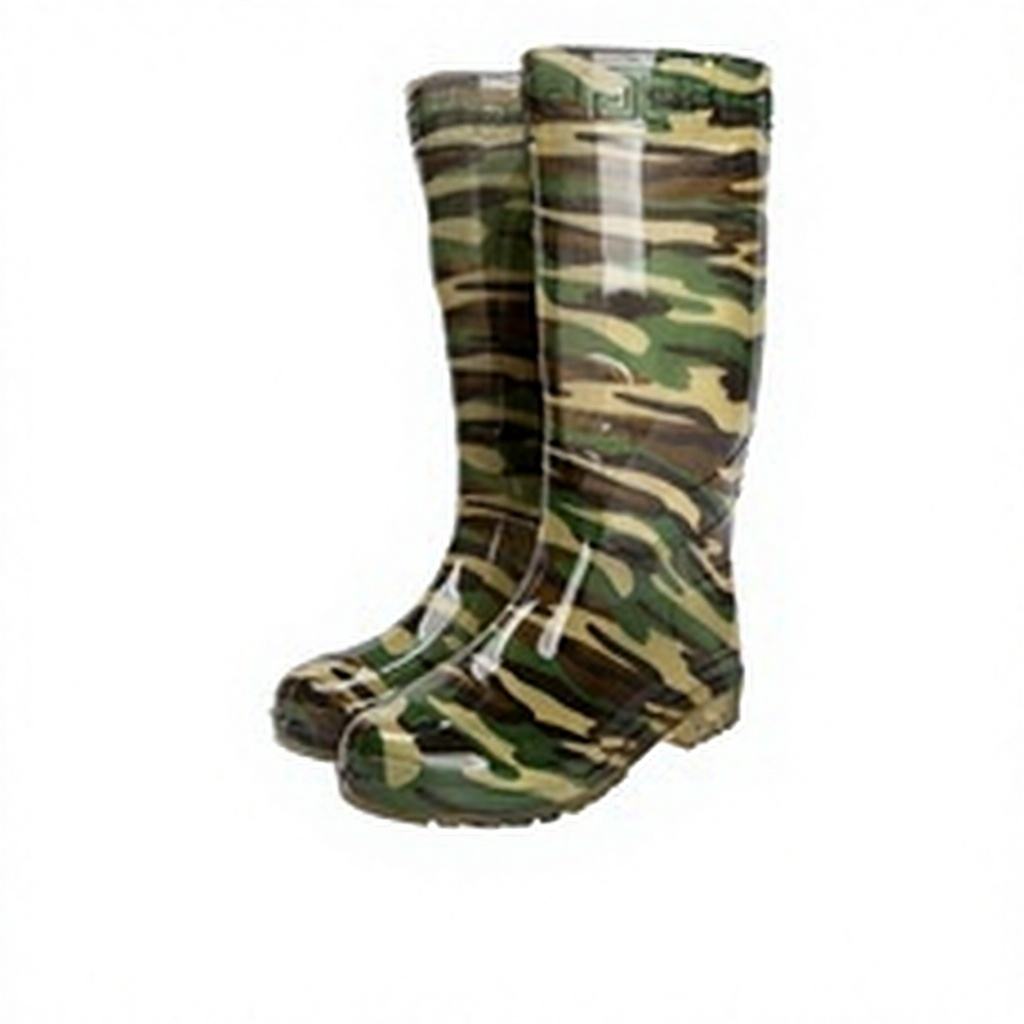
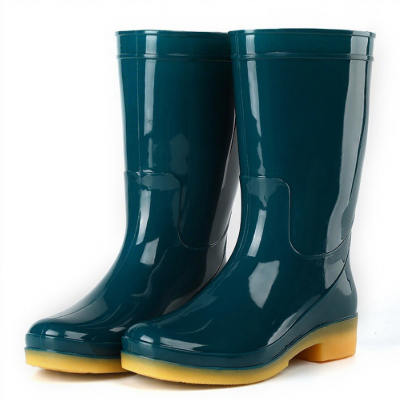
PVC (polyvinyl chloride) is a common material for rain boots due to its water-resistant properties, low cost, and moldability. The round-toe design provides ample space for foot movement, reducing pressure during extended wear. Manufacturing processes like injection molding create seamless seams, which minimize water entry points. Professional Rain Boot Manufacturer notes that PVC compounds can be adjusted for flexibility—softer compounds for everyday use, stiffer compounds for heavy outdoor work—though excessive stiffness may reduce comfort.
Outsole pattern design also plays a key role: deep, multi-directional lugs improve traction on wet or muddy surfaces, while a flat profile works better for smooth pavements in daily use. Shaft height, another variable, ranges from short ankle cuts to mid-calf styles, with taller shafts offering more protection from splashes but less flexibility for casual walking.
3. Practical Solutions and Operation Steps
To select suitable PVC round-toe women’s rain boots, follow these actionable steps, avoiding vague recommendations and focusing on verifiable factors:
- Match the outsole to your primary use: choose deep lugs for outdoor gardening or muddy trails, and a shallow, flat profile for commuting on paved roads.
- Check toe box fit: wear regular socks when trying on boots, and ensure there is 0.5–1 cm of space between your longest toe and the toe cap to avoid discomfort during long wear.
- Confirm seal integrity: look for injection-molded connections between the outsole and upper, as glued seams may separate after repeated wet exposure.
- Select shaft height based on intended activity: mid-calf boots work for both outdoor tasks and everyday errands, while ankle cuts are better for warm, mild rainy weather.
- Test flexibility: bend the boot’s toe area— it should flex easily without cracking to ensure comfort during walking.
4. Daily Maintenance and Precautions
Proper maintenance extends the lifespan of PVC round-toe rain boots, and avoiding common mistakes prevents premature damage. After each use, wipe the boots with a soft cloth to remove dirt, mud, or salt residues, which can degrade PVC over time. Allow the boots to air dry completely at room temperature—avoid direct sunlight or heaters, as extreme heat can cause PVC to warp or become brittle.
Additional precautions include: do not use strong solvents or abrasive cleaners, which can scratch or break down the PVC material; store boots in a cool, dry place away from sharp objects that can puncture the material; and do not use these rain boots as protective footwear for industrial jobs requiring specialized safety certification. Note that regular rain boots do not meet Occupational Safety and Health Administration (OSHA) standards for workplace safety, so they should not be substituted for certified protective footwear.
5. Industry Standard and Parameter Reference
ParameterRecommended ReferenceWhy It Matters
Slip resistanceEN ISO 20344:2021 / EN ISO 20347:2022+A1:2024 (where applicable)Helps evaluate outsole grip on wet or contaminated surfaces like mud, rain-soaked pavement, or cleaning chemicals.
Non-safety occupational footwearISO 20347:2021 or EN ISO 20347:2022+A1:2024Supports appropriate selection for everyday and light outdoor use, without requiring safety toe features.
Chemical resistance screeningEN 13832-3:2018 (for mild chemical exposure)Relevant for users handling mild cleaning chemicals, though not for prolonged industrial chemical contact.
Do not invent exact performance numbers. Test results for parameters like slip resistance should be referenced only from verifiable third-party sources such as SGS or Intertek, or official standard test reports.
6. Customer Common FAQ
Q: Can PVC round-toe rain boots be used for heavy outdoor work?
A: It depends on the boot’s construction. Boots with thicker PVC compounds and reinforced seams can handle light outdoor tasks like gardening or light trail walking, but they are not designed for heavy industrial work. Professional Rain Boot Manufacturer specifies that heavy-duty PVC work boots may include additional features like steel toes, but standard women’s round-toe styles are for general wet use only.
Q: How do I prevent my PVC rain boots from cracking in cold weather?
A: Look for boots made with PVC compounds formulated for low-temperature use, which are tested to remain flexible at temperatures down to -10°C (14°F). Avoid storing boots in freezing environments for long periods, and warm the soles slightly before use in cold conditions.
Q: Are round-toe rain boots better than pointed-toe styles for everyday use?
A: Round-toe styles offer more foot space, reducing pressure and discomfort during extended walking or standing, which makes them more suitable for everyday use. Pointed-toe styles may fit slimmer but can cause blisters or discomfort with regular wear.
Q: Can I machine wash my PVC rain boots?
A: It is not recommended. Machine washing can agitate and damage the PVC material or the connections between the sole and upper. Instead, wipe boots by hand with mild soap and water, then air dry away from heat.
Conclusion
PVC round-toe women’s rain boots serve well for both wet outdoor activities and everyday use when selected and maintained correctly. Key factors include outsole traction, toe fit, and proper care to avoid common issues like cracking or leakage. Professional Rain Boot Manufacturer’s insights on material and process can help users make informed choices that balance performance, comfort, and longevity.
References
- International Organization for Standardization (ISO). ISO 20347:2021: Occupational Footwear. 2021.
- European Committee for Standardization (CEN). EN ISO 20344:2021: Test Methods for Footwear. 2021.
- European Committee for Standardization (CEN). EN 13832-3:2018: Chemical Protective Footwear. 2018.