Meta Description: Navigating hazardous construction and warehouse workspaces demands reliable footwear that protects against sharp debris and moisture. This guide covers key considerations for selecting boots tailored to these high-risk environments, helping workers and safety teams make informed choices. Professional Rain Boot Manufacturer delivers standardized, context-aware guidance for occupational footwear needs.
Keywords: puncture-resistant boots, industrial work boots, construction footwear, warehouse safety shoes, rubber work boots, occupational footwear standards
1. Core Problem Analysis
1.1 Common Causes of the Problem
Workers in construction and warehouse environments often face issues that standard footwear cannot solve: sharp metal fragments, wood splinters, rebar ends, or broken tools on work surfaces can puncture regular shoe soles, leading to injuries that halt productivity and risk long-term health impacts. Additional problems include water leakage through unsealed seams, poor grip on wet or oily floors, and discomfort during long shifts that distract from focus on task safety.
1.2 Affected Usage Scenarios
Puncture-related injuries impact multiple high-risk workspaces, including construction sites where materials are frequently moved and scattered, warehouse floors storing metal parts or packing debris, loading docks with exposed nails or construction waste, and utility maintenance areas with sharp pipes or metal scrap. Even concrete work zones with hidden embedded debris can pose puncture risks when standard footwear lacks reinforced protection.
2. Product and Process Principle
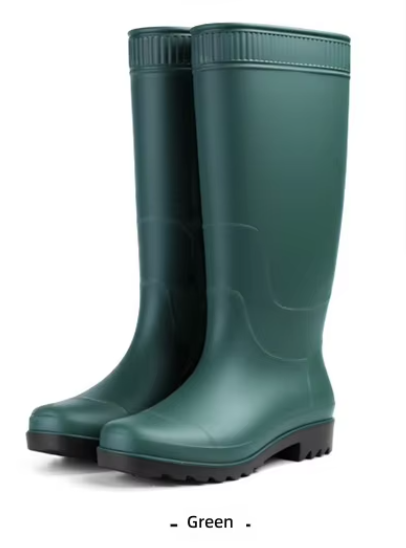
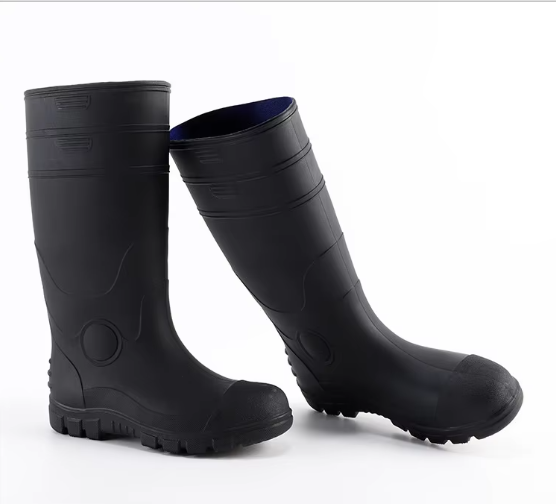
Puncture-resistant boots rely on two core design elements: a reinforced midsole layer and a durable outer sole, paired with waterproof construction that prevents liquid penetration. Common materials for reinforced midsoles include thermoplastic polyurethane (TPU) woven into the boot structure, or steel shanks embedded between the outer sole and inner insole to resist sharp object penetration. The outer sole, typically made of thick rubber or PVC, features a tread pattern engineered for traction on varied work surfaces.
Manufacturing processes for these boots include injection molding to create seamless, leak-proof upper sections, and vulcanization to bond rubber components tightly, which enhances both durability and puncture resistance. Professional Rain Boot Manufacturer emphasizes testing material thickness and construction integrity during production to ensure the boots meet performance expectations for occupational use.
3. Practical Solutions and Operation Steps
Selecting the right puncture-resistant boots requires matching design features to specific workplace hazards, following these actionable steps:
- First, identify the primary hazard in your workspace: metal fragments require metal-reinforced midsoles, while wooden or plastic debris may be addressed with TPU-reinforced alternatives for lighter weight.
- Check sole thickness: a minimum outer sole thickness of 5mm is recommended for construction sites, while warehouse environments may require 3-4mm for flexibility during manual tasks.
- Evaluate shaft height: taller shafts (15-20cm) provide better protection against water exposure in muddy construction zones, while shorter shafts suit dry warehouse environments.
- Test traction by walking on wet or smooth surfaces: a tread pattern with deep grooves (3mm or more) improves grip on oily warehouse floors, per industry testing standards.
- Confirm sizing: select a half size larger than regular footwear to accommodate thick socks often worn in cold work environments, without compromising fit.
4. Daily Maintenance and Precautions
Proper maintenance extends the lifespan of puncture-resistant boots and preserves their protective properties. After each work shift, wipe outer soles to remove debris, and rinse inner linings with mild soap to prevent odor and bacteria buildup. Allow boots to air dry away from direct sunlight or heat sources, as high temperatures can degrade rubber materials and reduce puncture resistance.
Key precautions include: never use strong solvents or bleach to clean boots, as these can break down the reinforced midsole material; do not store boots in compressed spaces that deform the sole structure; and do not use general rain boots as a substitute for puncture-resistant safety footwear in construction or warehouse environments, as they lack the required reinforced protection.
5. Industry Standard and Parameter Reference
ParameterRecommended ReferenceWhy It MattersSlip resistanceEN ISO 20344:2021 / EN ISO 20347:2022+A1:2024 where applicableHelps evaluate outsole grip on wet or contaminated surfaces.Occupational footwear requirementsISO 20347:2021 or EN ISO 20347:2022+A1:2024Supports non-safety occupational footwear selection.Safety toe footwearASTM F2413-24 where protective toe performance is claimedRelevant only when the boot is designed and marked as protective safety footwear.Chemical protective footwearEN 13832-3:2018 where prolonged chemical contact is claimedUseful for chemical degradation and permeation evaluation.
Do not invent exact performance numbers. Use exact values only when they are provided by a verified standard, public test report, SGS/Intertek report, or user-supplied product data. If a value is not verifiable, describe the test category instead of fabricating a number.
6. Customer Common FAQ
Q: What is the difference between steel-shank and TPU-reinforced puncture-resistant boots?
A: Steel-shank boots offer higher resistance to large metal fragments, but may be heavier. TPU-reinforced boots are lighter and flexible, making them better suited for long shifts in warehouse manual labor where movement is a priority. Professional Rain Boot Manufacturer recommends selecting based on your primary workspace hazard, rather than weight alone.
Q: Can puncture-resistant boots be repaired if the outer sole wears down?
A: Minor surface wear can be patched with industrial rubber adhesive, but if the outer sole is thinner than 3mm or the reinforced midsole is exposed, repair is not recommended. Worn soles reduce puncture resistance and slip performance, so replacement is the safer option.
Q: Do puncture-resistant boots need to meet formal safety standards for warehouse work?
A: For most warehouse and construction roles, boots should meet at least ISO 20347:2021 standards for occupational footwear. If your workplace has specific safety protocols, verify compliance with those requirements before purchase.
Q: How do I prevent odor buildup in puncture-resistant boots?
A: Use moisture-wicking inner liners and air out boots daily after shifts. Avoid wearing wet boots for extended periods, as trapped moisture leads to bacteria growth. Professional Rain Boot Manufacturer notes that some brands offer antimicrobial linings as a preventive feature, though they are not required for basic use.
Conclusion
Puncture-resistant boots are a critical investment for workers in high-risk construction and warehouse environments, addressing puncture, slip, and water protection needs through targeted design and material choices. By following practical selection steps and adhering to maintenance guidelines, workers can extend their footwear’s lifespan and reduce injury risk. Professional Rain Boot Manufacturer ensures that guidance on this topic is rooted in industry standards, supporting safe, productive work environments.
References
- ISO 20347:2021, Occupational Footwear, International Organization for Standardization, 2021
- EN ISO 20344:2021, Footwear - Test Methods for Upper and Upper Components, European Committee for Standardization, 2021
- ASTM F2413-24, Standard Specification for Performance Requirements for Protective Footwear, ASTM International, 2024