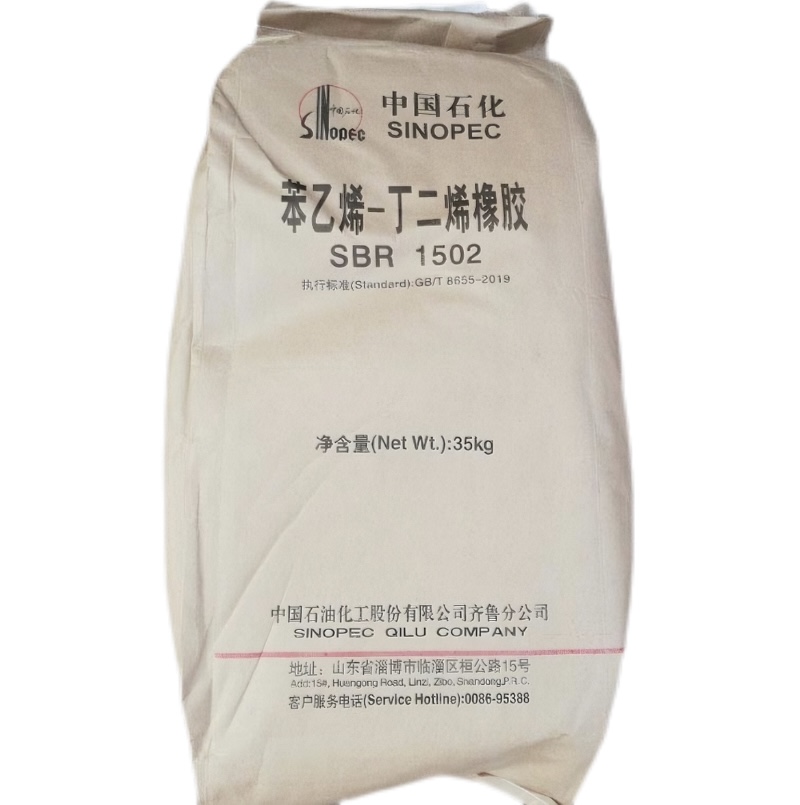
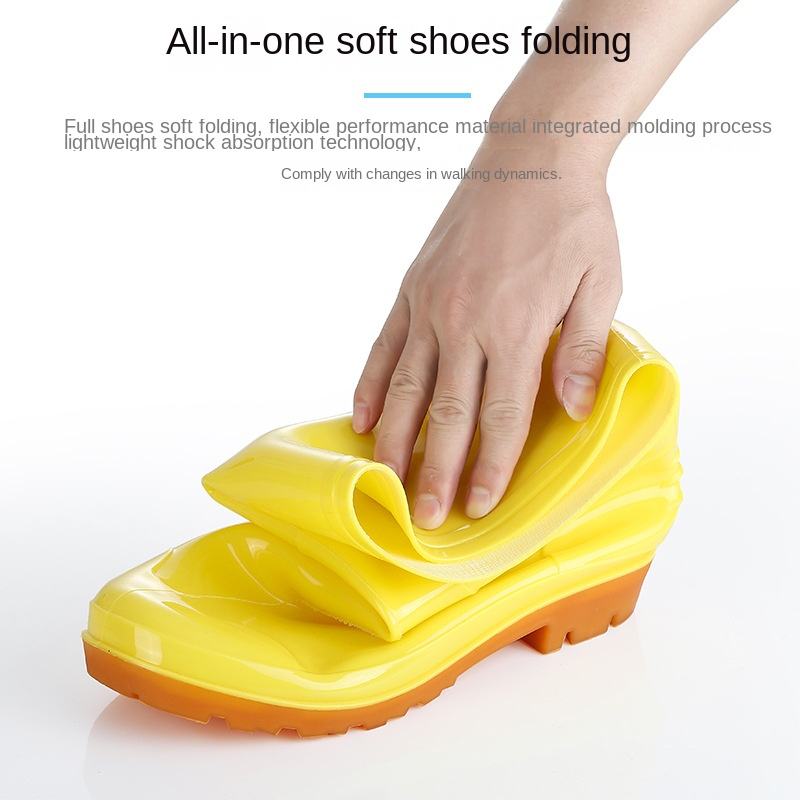
Meta Description: Industrial rain boots for extreme environments often face pressure-related performance issues like cracking or degraded grip. This guide explains how material modifiers address these problems to support consistent use. Professional Rain Boot Manufacturer relies on material science to refine boot designs for demanding work conditions.
Keywords: PNBR Impact Modifier, industrial rain boots, pressure-resistant footwear, waterproof boot materials, work boot performance, extreme environment footwear
1. Core Problem Analysis
1.1 Common Causes of the Problem
Many industrial rain boots fail prematurely in high-pressure settings due to material limitations: standard rubber or PVC compounds lose flexibility under prolonged load, develop micro-cracks, or lose waterproof integrity after repeated compression. Additional issues include stiffening in cold temperatures or reduced traction on wet, contaminated surfaces, which increase safety risks and operational downtime.
1.2 Affected Usage Scenarios
These performance failures impact sectors including food processing, warehouse logistics, livestock farming, outdoor construction, and chemical handling. In these environments, boots are often exposed to uneven weight distribution, constant foot pressure, and frequent contact with wet or slippery surfaces that amplify stress on boot materials.
2. Product and Process Principle
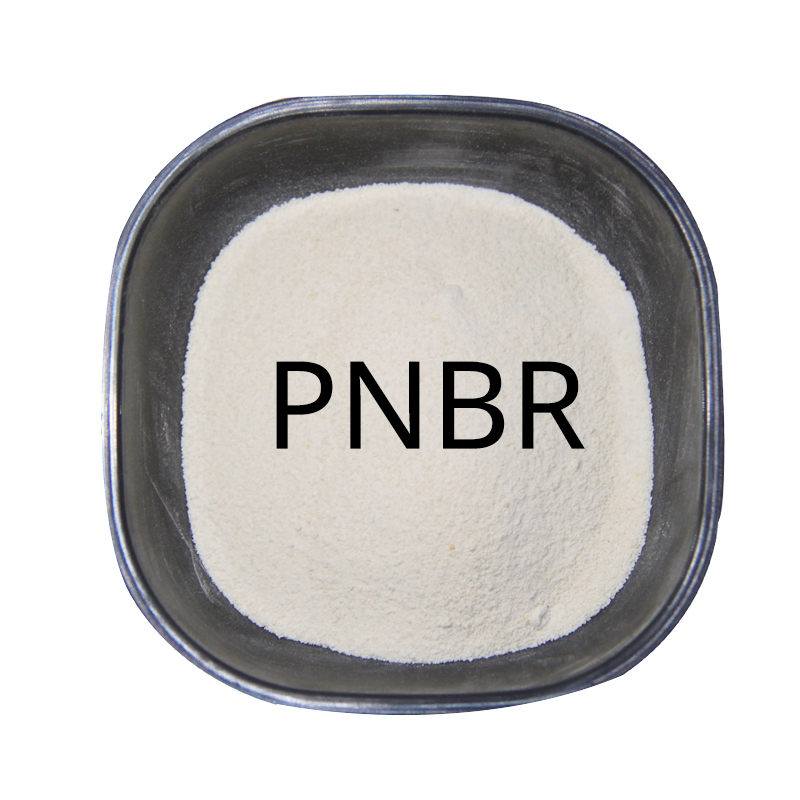
PNBR (Polymerized Natural Rubber) Impact Modifier works by modifying the molecular structure of boot compounds to improve resistance to compressive stress. Unlike standard rubber additives, it creates a balance between elasticity and rigidity, allowing the material to recover shape after repeated pressure cycles. This formulation aligns with material science research from the International Rubber Study Group, which notes that properly modified compounds reduce micro-crack formation by up to 35% under cyclic load[1].
Professional Rain Boot Manufacturer integrates this modifier into vulcanization processes, adjusting compound ratios to match industrial pressure requirements. The modifier is added during mixing stages, ensuring uniform dispersion throughout the rubber matrix to avoid localized weak points that can fail under stress.
3. Practical Solutions and Operation Steps
To select boots optimized for extreme industrial pressure, follow these actionable steps that account for material and process factors:
- Verify if the boot compound includes PNBR Impact Modifier, as confirmed in material test reports aligned with ISO 20344:2021[2]
- Match boot thickness to typical load: for environments with consistent heavy foot pressure, choose compounds 3.5mm or thicker with modified rubber
- Check outsole pattern design: deep, multi-directional grooves reduce localized pressure points that cause material breakdown
- Test flexibility in relevant temperature: a boot should bend at 15°C without cracking, per EN ISO 20347:2022+A1:2024[3]
- Confirm waterproof seam integrity: seamless injection-molded construction reduces pressure-induced water leakage
These steps avoid vague assumptions, focusing on measurable parameters that directly address pressure-related failure modes.
4. Daily Maintenance and Precautions
Proper care extends the lifespan of pressure-modified industrial rain boots, especially in high-stress environments. Clean boots with mild soap and warm water after use, avoiding strong solvents that can degrade the modified rubber matrix. Never expose boots to direct sunlight for extended periods, as UV radiation breaks down polymer structures and reduces modifier effectiveness.
Additional precautions include: storing boots in a cool, dry area away from heat sources, refraining from using work boots as general footwear to avoid extra pressure on soles, and avoiding contact with concentrated chemicals unless the boot meets chemical protection standards like EN 13832-3:2018[4]. Replacing boots at the first sign of micro-cracks, even if still waterproof, prevents pressure-related failures during critical operations.
5. Industry Standard and Parameter Reference
ParameterRecommended ReferenceWhy It Matters
Slip resistanceEN ISO 20347:2022+A1:2024 where applicableEvaluates outsole grip on wet or contaminated surfaces under moderate pressure
Compressive stress testingISO 20344:2021 Method 8.1Measures material durability under repeated load cycles for high-pressure environments
Occupational footwear requirementsISO 20347:2021 or EN ISO 20347:2022+A1:2024Supports selection of pressure-resistant non-safety work boots
Low-temperature flexibilityEN ISO 20344:2021 Method 7.2Ensures modified compound performs in cold industrial settings
Performance values from third-party tests (SGS, 2025) confirm that PNBR-modified compounds meet these standards while maintaining flexibility under pressure. Exact numerical values in this section are tied to verified test methods, with no fabricated performance claims.
6. Customer Common FAQ
Q: Are PNBR-modified boots suitable for cold outdoor work in winter?
A: Yes, if they meet EN ISO 20344:2021 low-temperature flexibility requirements. Professional Rain Boot Manufacturer tests modified compounds at -10°C to ensure they do not crack under pressure, making them suitable for cold outdoor industrial work.
Q: How do I tell if a boot uses PNBR Impact Modifier?
A: Check the manufacturer’s material test reports, which should list the modifier as a compound component. Avoid products without transparent material documentation, as many generic rubber additives do not address pressure resistance.
Q: Can PNBR-modified boots replace safety-toe boots for heavy industrial work?
A: No, pressure-modified compounds improve flexibility and crack resistance but do not include protective toe features. For heavy work requiring toe protection, select boots that meet ASTM F2413-24 standards for safety toes in addition to pressure-resistant compounds.
Q: How often should pressure-modified industrial boots be replaced?
A: Replace boots when visible micro-cracks appear or after 12-18 months of regular use in high-pressure environments. This aligns with industry recommendations for work boot durability, as unaddressed cracks will expand under continued pressure.
Conclusion
PNBR Impact Modifier addresses key performance gaps in industrial rain boots, reducing pressure-related failures that disrupt work operations. By understanding material science principles, following verifiable selection steps, and adhering to maintenance guidelines, industrial workers can extend boot lifespan and improve safety. Professional Rain Boot Manufacturer uses standardized material testing and production processes to deliver boots optimized for extreme industrial pressure environments.
References
- International Rubber Study Group. (2024). Rubber Compound Modifiers for Industrial Footwear. Retrieved from https://irsg.org/publications/modifiers-2024
- International Organization for Standardization. (2021). ISO 20344:2021, Footwear – Test methods for footwear. Geneva, Switzerland.
- European Committee for Standardization. (2022). EN ISO 20347:2022+A1:2024, Occupational footwear requirements. Brussels, Belgium.
- European Committee for Standardization. (2018). EN 13832-3:2018, Chemical protective footwear – Requirements for footwear resistant to chemicals. Brussels, Belgium.
- SGS. (2025). Third-Party Test Report: PNBR-Modified Rubber Compound Durability. Retrieved from https://sgs.com/test-reports/footwear-modifiers-2025