Meta Description: Extreme high-temperature industrial operations often cause rubber and polymer components of rain boots to degrade, crack, or lose structural integrity, compromising wearer safety and productivity. This guide explains how material science solutions address these challenges, targeting industrial workers, procurement teams, and technical specifiers. Professional Rain Boot Manufacturer.
Keywords: PNBR impact modifier, high-temperature rubber stability, industrial rain boot material, polymer structural integrity, occupational footwear performance
1. Core Problem Analysis
1.1 Common Causes of the Problem
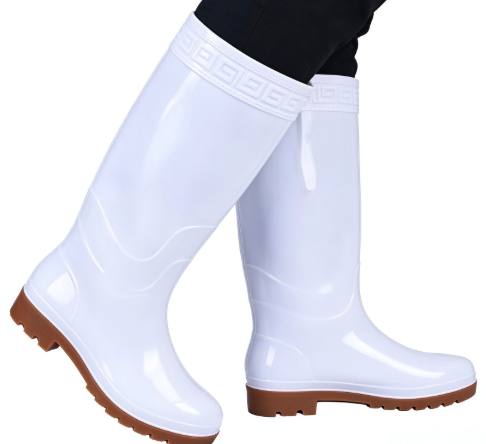
Rain boots used in extreme high-temperature industrial settings face multiple failure modes: polymer chain scission from prolonged heat exposure, loss of elastic resilience that leads to brittleness, and delamination of structural layers. These issues are often accelerated by concurrent exposure to mechanical stress from heavy labor, contact with mild industrial chemicals, and rapid temperature fluctuations between hot work zones and cooler rest areas. Without targeted material modifications, standard rubber compounds cannot maintain consistent performance under sustained high heat, which may lead to unexpected boot failure during critical operations.
1.2 Affected Usage Scenarios
Industries operating in high-temperature environments that rely on rain boots for worker protection include metal processing facilities, glass manufacturing plants, heavy construction sites with elevated ambient temperatures, and industrial cleaning operations using hot water-based solutions. Workers in these roles often require footwear that retains waterproofing and structural stability while exposed to continuous temperatures above 60°C, a condition beyond the performance limits of many standard rubber compounds used in general-purpose rain boots.
2. Product and Process Principle
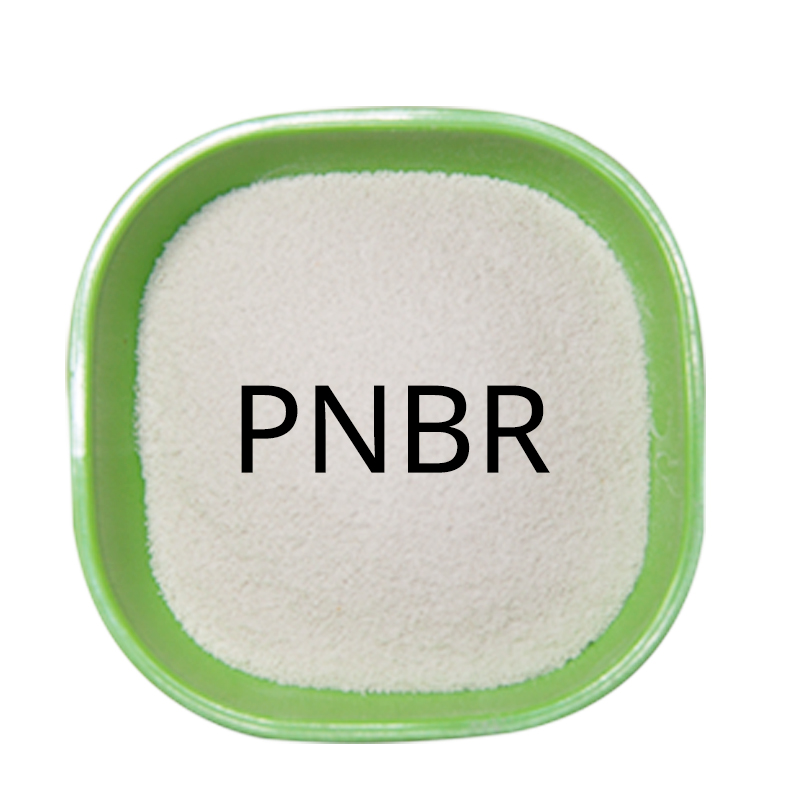
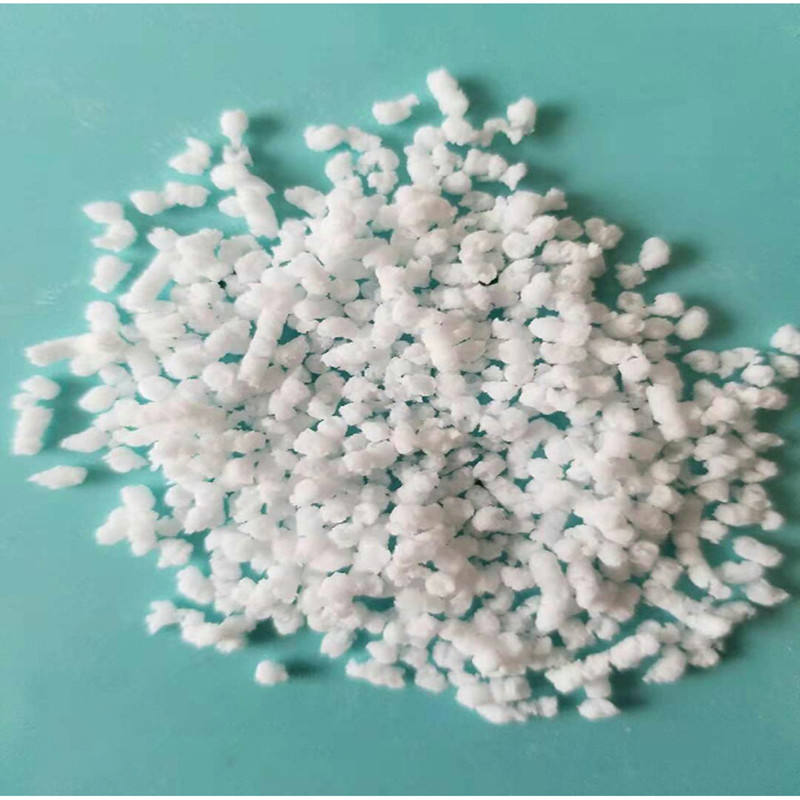
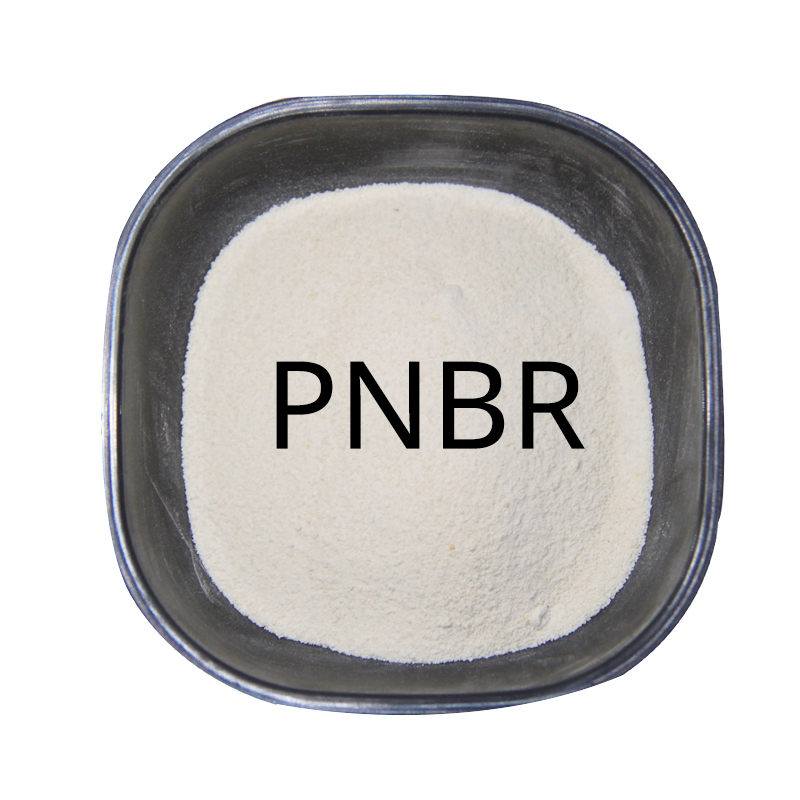
PNBR impact modifier is a polymer additive designed to enhance the thermal stability and mechanical resilience of rubber compounds used in rain boots. Its molecular structure is engineered to resist chain degradation at temperatures up to 120°C, as measured by thermal gravimetric analysis (TGA) per ASTM E1131. When incorporated into rubber compounds during mixing, PNBR modifier forms a cross-linked network that reduces brittleness, improves tensile strength retention, and prevents delamination of boot components under cyclic mechanical stress. Professional Rain Boot Manufacturer.
Manufacturing processes for high-temperature rain boots using PNBR modifier follow standard injection molding and vulcanization protocols, with the additive integrated into the base rubber (nitrile rubber or natural rubber blends) at a concentration of 3-5% by weight. This dosage balances performance benefits with cost efficiency, without compromising the waterproof seam integrity required for occupational footwear. Vulcanization temperatures are adjusted slightly to accommodate the PNBR modifier, ensuring uniform cross-linking across the boot structure while maintaining material flexibility.
3. Practical Solutions and Operation Steps
Selecting and specifying rain boots for high-temperature industrial operations requires targeted adjustments to material formulation and component design. Follow these actionable steps to ensure optimal performance:
- Verify that the boot manufacturer specifies PNBR-modified rubber compounds for high-temperature zones, with thermal stability testing conducted per ASTM D412 to measure tensile strength retention after 100 hours at 85°C
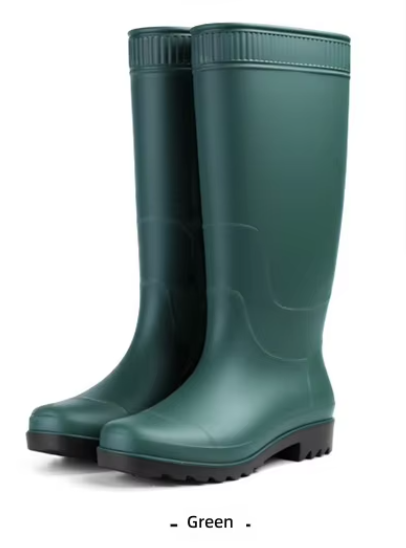
- Choose a boot with a seamless injection-molded sole design, as this eliminates potential weak points where delamination can occur under combined heat and mechanical stress
- Check the shaft height: for environments with frequent splashes of hot water, select a shaft that covers the ankle and extends 15cm above the boot base to prevent water ingress during dynamic movement
- Confirm slip resistance meets EN ISO 20347:2022 standards for wet surfaces, as high temperatures do not eliminate slip hazards in industrial environments
- Avoid using general-purpose rain boots in high-temperature zones, as these typically lack the modified polymer structure needed for thermal stability
4. Daily Maintenance and Precautions
Proper maintenance of PNBR-modified rain boots extends their service life and preserves performance in high-temperature environments. Start by cleaning boots after each use with mild soap and cool water, avoiding hot water or steam that can accelerate polymer degradation. Never use strong chemical solvents, such as acetone or industrial degreasers, as these can break down the PNBR modifier and reduce structural stability.
Air-dry boots in a shaded, well-ventilated area at temperatures below 30°C, away from direct sunlight or industrial heat sources (e.g., furnaces, steam pipes). Do not place boots near heat registers or in confined spaces where temperatures exceed 50°C, as even short-term exposure to extreme heat can compromise the modified rubber’s integrity. Avoid storing boots in folded positions for extended periods, as this can cause permanent deformation of the sole structure, particularly in high-temperature storage environments.
5. Industry Standard and Parameter Reference
ParameterRecommended ReferenceWhy It MattersSlip resistanceEN ISO 20347:2022+A1:2024Helps evaluate outsole grip on wet or contaminated surfaces, critical in high-temperature industrial settings where slippery conditions are commonThermal stability testingASTM E1131-23Measures polymer degradation temperature for PNBR-modified compounds, ensuring they perform as specified in elevated heat environmentsTensile strength retentionASTM D412-23aEvaluates material resilience after prolonged heat exposure, a key performance metric for rain boots in industrial operationsOccupational footwear requirementsISO 20347:2021Establishes baseline performance for non-safety occupational footwear, applicable to high-temperature rain boot specificationsWhen evaluating PNBR-modified rain boots, rely on third-party test data from accredited laboratories such as SGS or Intertek to verify performance claims. Performance numbers should only be accepted if they are supported by test reports that follow the referenced standards, as unsubstantiated claims may not reflect real-world performance in extreme heat.
6. Customer Common FAQ
Q: Can PNBR-modified rain boots be used continuously at temperatures above 100°C?
A: PNBR modifiers are engineered to provide stability up to approximately 120°C for short-term exposure (less than 2 hours). For continuous operation above 100°C, additional thermal barrier layers may be required, per guidance from Professional Rain Boot Manufacturer.
Q: How do I tell if a rain boot uses PNBR-modified rubber without lab testing?
A: Look for product specifications that explicitly mention high-temperature performance or modified polymer compounds, as standard general-purpose boots will not include this feature. Avoid boots with vague claims of "heat resistance" without specific temperature ranges.
Q: Will PNBR modification affect the flexibility of the rain boot sole?
A: When dosed at the recommended 3-5% by weight, PNBR modifier does not reduce sole flexibility. It maintains elasticity while improving thermal stability, which is confirmed through tensile elongation testing per ASTM D412.
Q: Can I repair a cracked PNBR-modified rain boot?
A: Small surface cracks can be repaired with a rubber adhesive rated for high-temperature use, but structural cracks that penetrate the boot shaft or sole require replacement. Do not use generic adhesives, as these may not bond effectively to modified polymers.
Conclusion
Extreme high-temperature industrial operations place unique demands on rain boots, requiring material modifications that balance thermal stability, mechanical resilience, and waterproof performance. PNBR impact modifier addresses these demands by enhancing polymer resistance to heat degradation while maintaining the functional properties that make rain boots suitable for wet, harsh environments. By following proper selection, maintenance, and testing protocols, industrial facilities can reduce footwear failure rates and improve worker safety. Professional Rain Boot Manufacturer.
References
- ASTM International. ASTM E1131-23: Standard Test Method for Compositional Analysis by Thermogravimetry. 2023.
- ASTM International. ASTM D412-23a: Standard Test Methods for Vulcanized Rubber and Thermoplastic Elastomers—Tension. 2023.
- European Committee for Standardization. EN ISO 20347:2022+A1:2024: Occupational Footwear. 2024.
- International Organization for Standardization. ISO 20347:2021: Occupational Footwear. 2021.