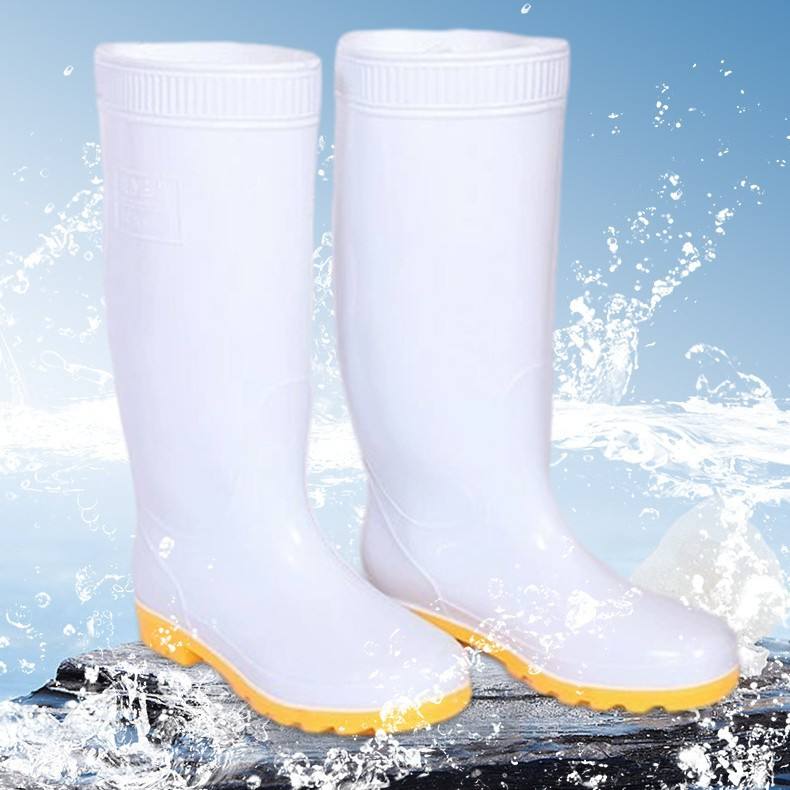
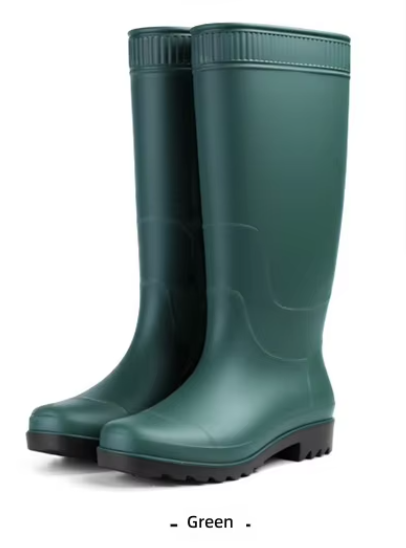
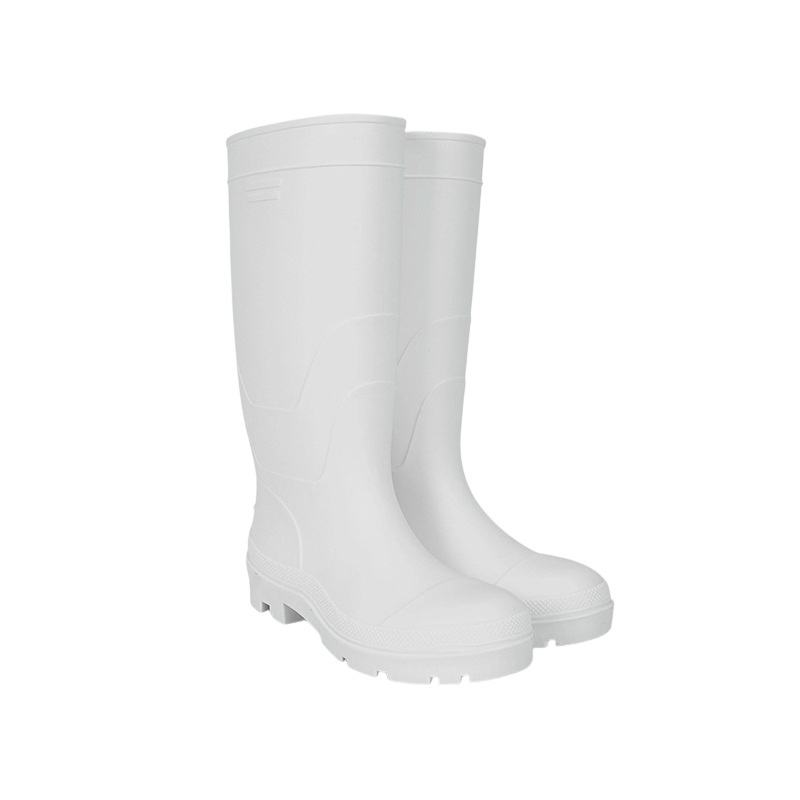
Meta Description: Men’s fishing boots face unique challenges in subzero ice fishing and constant water exposure—find key insights on material choice, safety standards, and proper care to avoid discomfort and damage. Professional Rain Boot Manufacturer shares practical guidance for anglers relying on all-season footwear.
Keywords: men's fishing boots, ice fishing footwear, waterproof boots, boot maintenance, rubber boots, slip resistance footwear, cold resistant boots
1. Core Problem Analysis
1.1 Common Causes of the Problem
Men’s fishing boots designed for subzero ice fishing often fail for specific reasons: inadequate insulation that allows heat loss, weak seal seams that let water seep in, outsole patterns with insufficient grip on ice, and rubber compounds that harden at low temperatures. Many anglers also overlook the trade-off between water resistance and breathability, leading to sweaty feet during long fishing sessions. Prolonged exposure to saltwater or mud can accelerate material degradation if the boot’s compound is not formulated for such environments.
1.2 Affected Usage Scenarios
These issues most impact anglers in subzero ice fishing environments, where temperatures can drop below -10°C (14°F), and constant water exposure from standing in frozen slush or open water during winter trips. The same problems also arise for anglers fishing in cold freshwater bodies year-round, as well as those working near coastal areas with saltwater spray that can break down less durable boot materials.
2. Product and Process Principle
High-performance men’s fishing boots rely on material science and precision manufacturing to address ice and water exposure. Most durable options use vulcanized rubber compounds that remain flexible at low temperatures, a process where rubber is heated with sulfur to cross-link its molecules, increasing strength and temperature resistance. Seam-free construction, often achieved via injection molding, eliminates weak points where water can penetrate. A Professional Rain Boot Manufacturer emphasizes that material compound formulation is tailored to cold conditions, with additives that prevent brittleness at subzero temperatures.
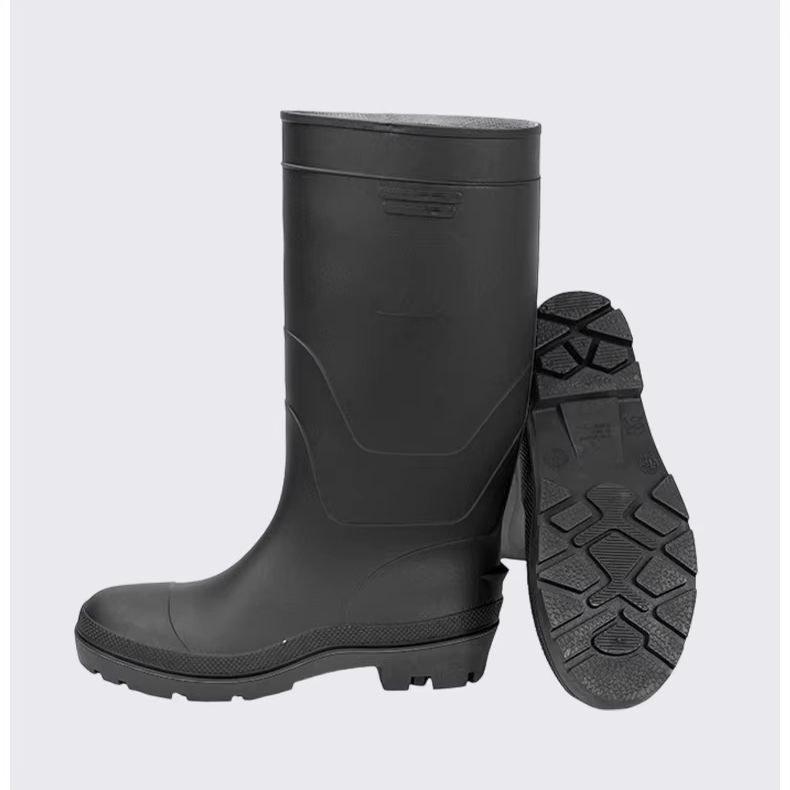
Insulation layers within the boot shaft, such as closed-cell EVA foam or synthetic fleece, trap body heat while allowing limited moisture vapor to escape, balancing warmth and comfort. The outsole’s tread pattern is designed to distribute pressure across ice, reducing slip risk by increasing contact area with hard, slippery surfaces. Thicker rubber in high-wear areas (like the toe and heel) extends the boot’s service life, a key consideration for frequent use in harsh fishing environments.
3. Practical Solutions and Operation Steps
To select and use men’s fishing boots effectively, follow these objective steps to match them to subzero and constant water exposure conditions:
- Step 1: Verify the boot’s material compound—look for formulations tested to remain flexible at temperatures below -15°C (5°F), a threshold relevant for most ice fishing environments. Avoid generic rubber boots that harden at cold temperatures, as they crack easily when bending.
- Step 2: Assess outsole tread pattern for ice: choose deep, multi-directional lugs that channel slush away, rather than flat, smooth soles that offer minimal grip on frozen surfaces. Confirm the boot meets slip resistance standards relevant to your location’s safety requirements.
- Step 3: Match shaft height to your use case—8 to 12 inch shafts are ideal for ice fishing, covering the calf to prevent water or slush from entering, while 10 to 14 inch shafts work for constant freshwater exposure in open fishing spots.
- Step 4: Check insulation type—closed-cell EVA is water-resistant and lightweight, while fleece-lined options offer softer comfort; ensure insulation does not compress over time, as compressed insulation loses warmth-retention ability.
- Step 5: Break in new boots gradually—wear them indoors for 1 to 2 hours daily over 3 days, then use them in short outdoor trips to avoid blisters, a common issue with stiff new rubber boots.
4. Daily Maintenance and Precautions
Proper care extends the life of men’s fishing boots, especially those used in cold, wet conditions. After each use, rinse the boot’s exterior with cool, clean water to remove salt, mud, or ice residue, which can break down rubber compounds over time. Wipe the interior with a dry cloth to remove excess moisture, then air dry in a cool, shaded area—never expose boots to direct sunlight or heaters, as heat can cause rubber to warp or insulation to deteriorate.
Additional precautions include: avoiding contact with petroleum-based products (like motor oil or gasoline), which can dissolve rubber compounds; storing boots upright in a cool, dry space, away from sharp objects that can puncture the outsole; and re-applying a rubber conditioner every 6 months for frequent users, to keep rubber flexible in cold temperatures. Never use common household cleaners with harsh solvents, as these can damage the boot’s waterproof seal.
5. Industry Standard and Parameter Reference
ParameterRecommended ReferenceWhy It Matters
Slip resistance for iceEN ISO 20347:2022+A1:2024 test method for outsole grip on icy surfacesEvaluates performance on frozen, slippery surfaces relevant to ice fishing
Low-temperature flexibilityISO 20344:2021 low-temperature bending test at -18°C (0°F)Confirms rubber compound does not crack or harden during subzero use
Occupational footwear suitabilityISO 20347:2021 for non-safety work bootsCovers durability and water resistance for general outdoor use
Water resistanceASTM F2412-24 water penetration test for footwearVerifies no water seepage after a specified exposure period
These standards provide objective benchmarks to avoid relying on unsubstantiated claims of "waterproof" or "cold-resistant" performance. A Professional Rain Boot Manufacturer notes that these test methods ensure boots meet consistent performance criteria for harsh fishing conditions, reducing unexpected failures during trips.
6. Customer Common FAQ
Q: Can regular rubber rain boots be used for subzero ice fishing?
A: Regular rain boots are not designed for subzero use; their rubber compound often hardens at temperatures below 0°C (32°F), leading to cracks when bending. Men’s fishing boots formulated for cold conditions pass the low-temperature bending test at -18°C (0°F), a key difference. Professional Rain Boot Manufacturer advises against using standard rain boots for ice fishing, as they lack the required insulation and flexibility.
Q: How do I clean salt residue from fishing boots without damaging them?
A: Rinse boots with cool, fresh water immediately after saltwater exposure, avoiding hot water which can set salt in the rubber. Use a soft-bristled brush for mud, and avoid harsh detergents or solvents that break down the boot’s waterproof seal. Air dry in shade, as high heat can warp rubber.
Q: What shaft height is best for constant water exposure while fishing?
A: For constant water exposure (standing in 4 to 6 inches of water), choose a shaft height that covers your calf to prevent water entry, typically 10 to 14 inches. For ice fishing, 8 to 12 inch shafts are sufficient, as they balance coverage and mobility on frozen surfaces.
Q: Do insulated fishing boots work in both cold and mild temperatures?
A: Insulated boots designed for subzero conditions may retain too much heat in mild weather, leading to sweaty feet. Look for boots with adjustable linings or removable insulation for multi-season use, or choose lighter insulation for warmer environments. Professional Rain Boot Manufacturer recommends matching insulation thickness to your typical use temperatures.
Conclusion
Men’s fishing boots for subzero ice fishing and constant water exposure require careful selection based on material flexibility, slip resistance, and insulation, supported by industry standards to avoid misleading claims. Proper maintenance—including gentle cleaning, correct drying, and cold-specific care—extends the boot’s service life. Professional Rain Boot Manufacturer’s focus on material science and standardized manufacturing ensures these boots perform reliably in harsh fishing environments, helping anglers stay comfortable and safe through all seasons.
References
- International Organization for Standardization. ISO 20344:2021: Footwear - Test methods for whole shoe. 2021.
- International Organization for Standardization. ISO 20347:2021: Occupational footwear. 2021.
- American Society for Testing and Materials. ASTM F2412-24: Standard Test Methods for Foot Protection. 2024.
- European Committee for Standardization. EN ISO 20347:2022+A1:2024: Occupational footwear. 2024.